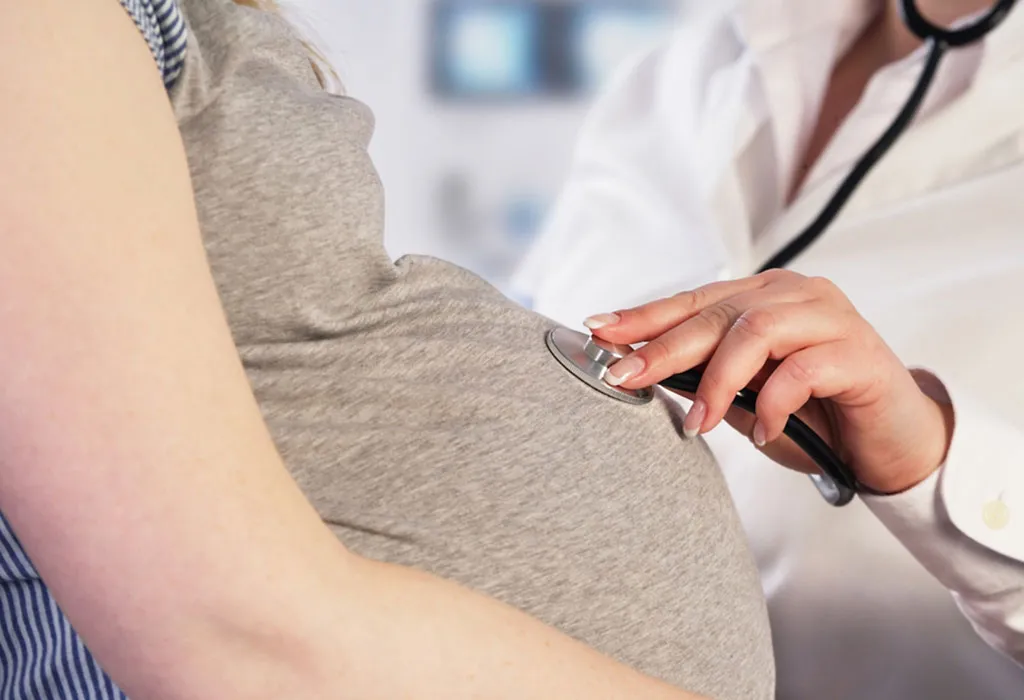

Anesthesia in Pregnancy: Types and Risks
Know when anesthesia in pregnancy is needed, the available options, and the precautions taken to protect you and your baby.





Medically Reviewed By
Dr. H.V. Deepthi
(Anesthesiologist)


This health content has been medically reviewed by qualified experts and follows the FirstCry Parenting editorial policy to ensure accuracy and reliability.
Anaesthesia can be a blessing for the patients as well as doctors. It numbs down the pain experienced significantly for the patient making surgery a less painful affair. It also helps patients stay calm and comfortable during medical procedures that may otherwise be difficult to tolerate. And for doctors, it comes as a blessing as the patient doesn’t have to be restrained by the doctor and nurses and the doctor can focus on the surgery. This allows the medical team to perform procedures more smoothly and efficiently.
But if you’re pregnant and require a general or spinal anaesthesia, you’re likely to ask yourself if it would be safe during pregnancy. Concerns related to anaesthesia in pregnancy and the health of the unborn baby are completely natural in such situations. And you can find the answer to that question here!
Is Anaesthesia Safe During Pregnancy?
The female body is wonderfully designed and has evolved in such a way that pregnancies can be handled by it. However, sometimes there can be many emergency situations which need immediate extraction of the baby and may require a caesarean section.
In such cases, anaesthesia is used. The downside of this is that they put the mother and foetus at risk because of complications such as miscarriage. Therefore, the use of it is only in life and death situations and should be avoided especially in the first trimester (1).
Types of Anaesthesia
There are two kinds of anaesthesia (2):
1. Local Anaesthesia
- Used by a dentist for minor oral intrusions.
- Epidural anaesthesia (local anaesthetic during pregnancy) is used during delivery for labour analgesia. This is injected through a tube into the epidural space situated in the lower back (3).
- Spinal anaesthesia is used during delivery as well as knee replacements and hip surgery. In this, the anaesthetic is introduced in subarachnoid space, into the cerebrospinal fluid (CSF) (4).
- Injected into a localized or specific area.
- Side effects include minor bruising, dizziness and pins and needle sensation, shivering in that area.
- Its effects on the infant are nil and risk during cesarean section is considerably less.
2. General Anaesthesia
- Administered by liquid injected directly into your bloodstream or gas that is given through a mask (5).
- The anaesthetist stays beside the operating table throughout the procedure.
- Side effects include nausea, shivering, sore throat and difficulty in passing urine.
- The effects are instantaneous.
Which Types of Anaesthesia Allowed During Pregnancy?
When it comes to anaesthesia during pregnancy, there is no one-size-fits-all answer. Different types of anaesthesia are used for different medical needs. Usually, local anaesthesia, such as spinal or epidural anaesthesia, are considered safer during pregnancy (2). General anaesthesia is usually used only when necessary, as it may carry higher risks for both the mother and the baby. However, every pregnancy is different, which is why doctors carefully examine each case before choosing the safest option.
Anaesthesia During Labour and Delivery
Anaesthesia is used for pain management at this stage. An epidural or spinal is given only after the onset of active labour and before full dilation. General anaesthesia, on other hand, is administered in the case of caesarean birth as a last resort.

Risks of Anaesthesia in Pregnancy
In general, surgeries should be avoided during pregnancy due to the undue stress levels it will bring on the expectant mother and the unborn child. Some of the risks that anaesthesia pose during pregnancy are given below:
1. Risks for Pregnancy
There is an increased risk of spontaneous miscarriage due to the use of anaesthesia during the first trimester (6).
2. Risks to the Mother
The body starts adapting to the pregnancy, and the use of anaesthesia may not be able to cope with the effects of it on the already altered state of the mother leading to internal bleeding and other complications due to miscarriage. If surgery cannot be avoided, it should be performed in the second trimester of pregnancy, in between week 13 and week 28. And spinal anaesthesia should be preferred over general anaesthesia.
3. Risks to the Foetus
The risks to the baby include premature birth, low birth weight, and infant mortality (6).
When to Consult a Doctor?
You should consult a doctor immediately if you are pregnant and are advised to undergo any surgery or medical procedure that may require anaesthesia. It is important to discuss the possible risks, safety measures, and the most suitable type of anaesthesia for your condition. You should also seek medical advice if you experience unusual symptoms after receiving anaesthesia during pregnancy, such as severe headache, breathing difficulty, dizziness, or reduced fetal movement.
FAQs
1. What is spinal anaesthesia?
Spinal anaesthesia in pregnancy is a type of regional anaesthesia commonly used during procedures like caesarean delivery. It numbs the lower half of the body while allowing the mother to remain awake during the procedure (4).
2. Can pregnant women undergo surgeries unrelated to delivery?
Yes, in some situations, pregnant women may need surgeries unrelated to childbirth, such as emergency appendix or gallbladder surgery. Anaesthesia for non obstetric surgery during pregnancy is carefully planned by doctors to reduce risks and ensure the safety of both the mother and the baby (7).
3. Is dental anaesthesia safe during pregnancy?
Certain local anaesthetics used for dental treatments are considered safe during pregnancy. However, it is important to inform your dentist about your pregnancy before undergoing any procedure (8).
There are many facets to be examined before using anaesthesia on a pregnant woman. Anaesthesia is best avoided during pregnancy, but if it’s necessary, check with your doctor about which type would be the safest for you and your baby.
Also Read:
Benefits of Normal Delivery
Stages of Natural Childbirth
Care of Stitches after Childbirth
Painless Delivery – Procedure, Pros & Cons
Was This Article Helpful?
Parenting is a huge responsibility, for you as a caregiver, but also for us as a parenting content platform. We understand that and take our responsibility of creating credible content seriously. FirstCry Parenting articles are written and published only after extensive research using factually sound references to deliver quality content that is accurate, validated by experts, and completely reliable. To understand how we go about creating content that is credible, read our editorial policy here.
- Author
- Expert Reviewer


Related Articles
-

Stages of Prenatal Development - The Three Key Phases Explained
-
Winnie the Pooh Baby Shower Ideas for a Sweet Celebration
-
Hair Loss During Pregnancy - Causes & Prevention
-
10 Amazing Facts About Baby Kicking during Pregnancy
-
Boating While Pregnant - Is It Safe?
-
X-Ray During Pregnancy: Is It Safe, Risks & Precautions to Take