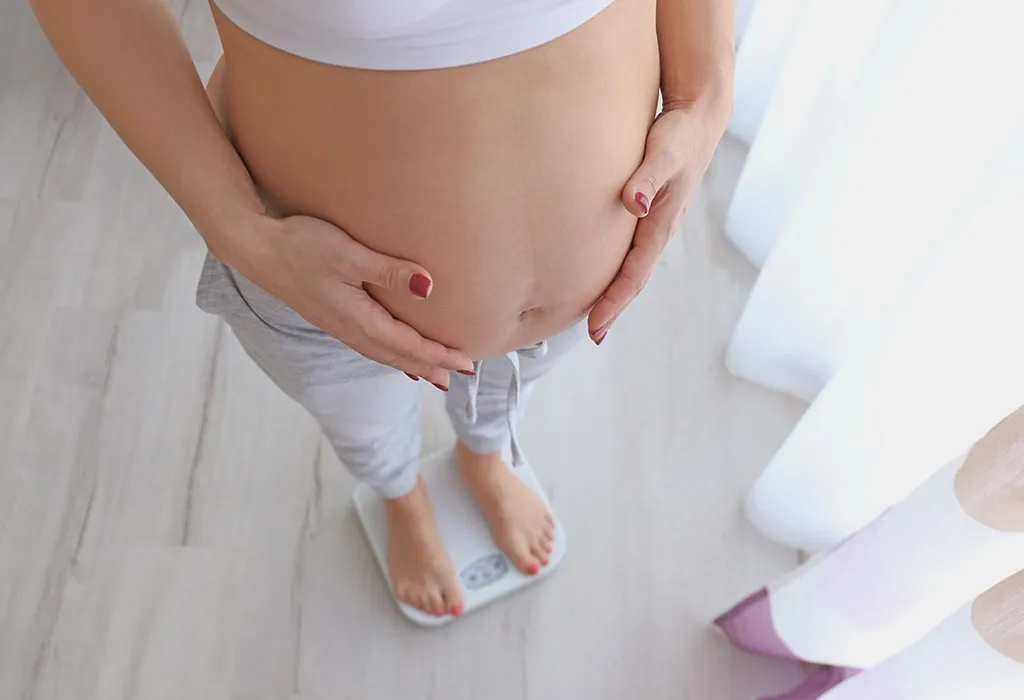

Boils During Pregnancy: Causes, Risks, and Treatment
Boils during pregnancy are common but treatable. Know the causes, safe remedies, and prevention tips inside this gynecologist reviewed guide.





Medically Reviewed By
Dr. Sabiha Anjum
(Gynecologist/Obstetrician)

This health content has been medically reviewed by qualified experts and follows the FirstCry Parenting editorial policy to ensure accuracy and reliability.
Pregnancy brings about a lot of changes in your body; these changes can range from common ones like morning sickness and back pain to less expected ones like boils. Yes, boils during pregnancy, those painful, red, swollen bumps on the skin, can be quite discomforting. They happen in early pregnancy due to a number of factors, including hormonal imbalance. While these are common and not threatening when not pregnant, during pregnancy, the mind kind of runs on overdrive to keep the baby safe. So, can boils during pregnancy indirectly affect the unborn baby? If the topic of boils and pregnancy has raised your eyebrow, then let’s together learn more about the causes, signs and treatment options for boils while pregnant.
What Are Boils?
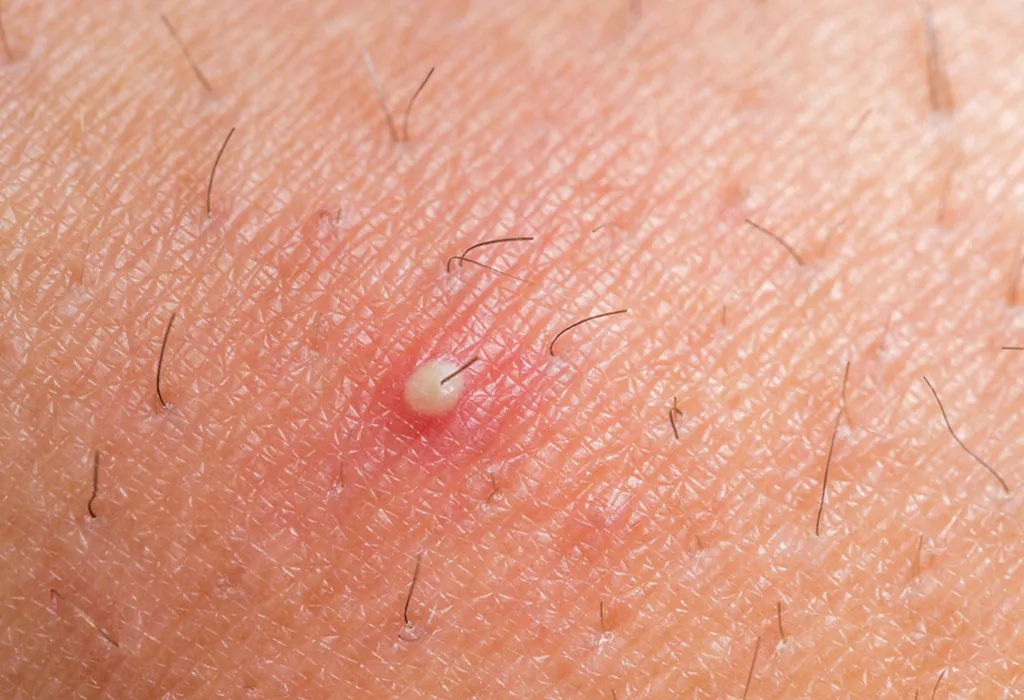
Boils are red, swollen, and painful bumps, sometimes pus-filled, on the skin. They happen due to a skin infection caused by parasitic bacteria. The bacteria enter the skin through the hair follicles or sweat glands and form a pus pocket. This leads to a lot of discomfort. Boils can be found anywhere on the body, more often in hairy areas where sweating or rubbing happens frequently. The good news is that boils only last for a few weeks and can be prevented by maintaining hygiene (1).
What Are the Types of Boils?
The most common types of boils that occur during pregnancy include the following –
1. Pilonidal Cyst
A pilonidal cyst is a type of boil that occurs in the crack of the buttocks. If you happen to suffer from a pilonidal cyst, medical intervention will be required.
2. Furuncle/Carbuncle
A furuncle starts as a red lump in the initial stages. Once the pus forms, the boil bursts (2). While furuncles are the result of staphylococcal infection, carbuncles are groups of furuncles that can lead to scarring. Both furuncles and carbuncles can affect the face, neck, armpits, thighs, and buttocks.
3. Hidradenitis Suppurativa
Hidradenitis suppurativa (HS) is rare. It is believed to affect the underarms, the underside of the breasts, and the groin in the form of painful lumps, boils, or abscesses, causing the skin to break and become affected (3). Though rare, it is a condition that could develop into something serious and increases the risk of developing pregnancy complications, such as preeclampsia, cesarean sections, and congenital anomalies (4). This condition, if it gets serious, may require a potential surgery.
4. Cystic Acne
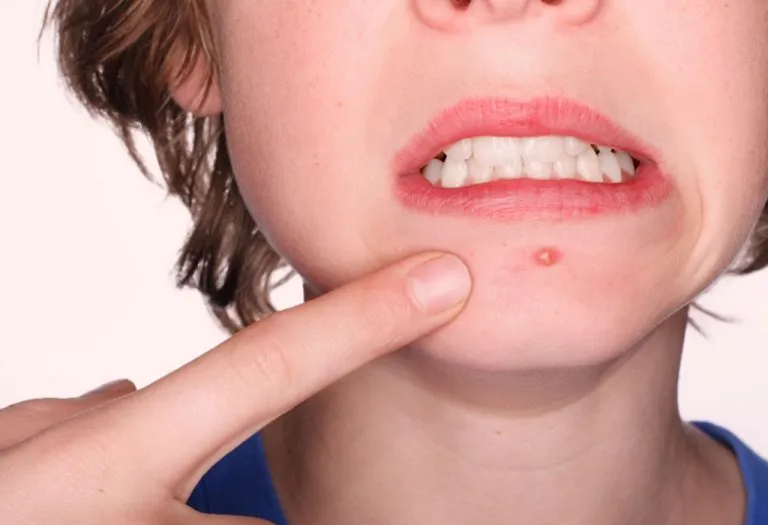
When harmful bacteria go deep into the skin, it results in cystic acne. This condition is characterised by bumps that are red, tender, and full of pus. If a cyst bursts and oozes pus, it can lead to more boils. This kind of acne is generally seen on the face, chest, back, upper arms and shoulders.
5. Bartholin’s Cyst
Bartholin’s cyst is among the most prevalent cysts that women experience on the vulva. The Bartholin glands, situated on each side of the vaginal opening, play a crucial role in lubricating the vagina. However, if these glands get infected, they can lead to the formation of a Bartholin’s cyst. Typically, these cysts are small and painless lumps, but they can become swollen and highly uncomfortable if infected. If you suspect you have an infected Bartholin cyst, consult your doctor as soon as possible.
What Causes Boils During Pregnancy?
When women get boils during pregnancy, many of them ask themselves, ‘Why do I get boils when pregnant?’
The common causes of boils in pregnancy include the following (5):
- Blocked oil ducts of the sweat glands
- Bacterial infection caused by the bacterium Staphylococcus aureus, which is commonly found on the skin and inside the nose.
- Ingrown hair
- A foreign object or splinter gets lodged in the skin
Factors that increase your chances of contracting boils in pregnancy are mentioned below (5):
- Obesity
- Close contact with someone who has a staph infection
- A weakened immune system
- Poor hygiene and diet
- Diabetes
- Eczema
- Exposure to harsh chemicals
- Hormonal imbalance
Boils may not occur due to early or late pregnancy. There are four major factors that cause boils: poor hygiene, unhealthy foods, hormonal imbalance, and a repressed immune system.
How Are Boils Diagnosed When Pregnant?
Boils are diagnosed in the following ways:
- Physical examination
- Bacterial culture (it’s the process in which the pus is collected and sent to culture to identify which bacteria is causing the infection)
- Assessment of symptoms and your medical history
Treatment for Boils During Pregnancy
Thinking of how to treat boils during pregnancy? Below are some ways to treat boils (6):
- Antibiotics are commonly prescribed by your doctor (7).
- Surgical treatment is advised in severe cases.
- A detoxifying diet.
- Applying a warm compress several times a day may help the boil drain naturally. If it becomes large, painful, or persistent, consult your doctor.
- Avoiding activities that could cause sweating.
- Apply a topical antiseptic or antibiotic ointment to the boils and cover any wounds or cuts with a dressing.
- For leaking boils, clean the area with antibacterial or antiseptic soap and keep the area dry.
- Take pain-relieving meds for the pain as prescribed by the doctor
Do Boils Pose a Risk to Baby’s Health?
Boils don’t cause fetal deformities or miscarriages. However, if you take antibiotics for boils, you must make sure that they are safe for the foetus and won’t cause any harm.
Tips to Prevent Boils While Pregnant?
As you know, prevention is better than cure, and it’s better to prevent boils rather than deal with them once they occur. If you are pregnant and in the early stages of your pregnancy, follow these tips to prevent boils in the first place –
- Avoid wearing tight clothes.
- Maintain hygiene.
- Treat minor cuts and wounds immediately.
- In case you suffer from diabetes or eczema, seek medical help.
- Bathe or shower daily to prevent bacteria from breeding on the body.
- Wear clean clothes and use clean towels to wipe your body and face.
- Use clear bedsheets and bedding by washing them at a high temperature once a week.
Things to Avoid While Having Boils in Pregnancy
During a pregnancy boil, here are some things you must take care of (8):
- First things first, do not pick at, poke, or squeeze the boil, wherever it is.
- Do not share your personal items like lipsticks or towels with anyone else, as it could potentially spread the infection.
- Do not go swimming, as it could also spread the infection.
- Clean the surrounding area of the boil with soap, if possible with antibacterial soap, if pus comes out from the boils.
- Maintain hygiene, and wash your hands if they have come in contact with the boil area or the pus.
- Contact a doctor for prescription medicine to ease the pain.
When Should You Consult a Doctor?
Before trying any treatment for boils, consulting a doctor is a must. However, you should also speak to your doctor in the following cases:
- If the boil turns bigger and the pain is unbearable
- If you have a fever
- If the boil doesn’t dry up within a couple of months
- If you have pregnancy boils in the pubic area or face
- If you are a diabetic
- If you have boils on your spine or anal area
- If lumps develop around the original boil
FAQs
1. Are boils common during pregnancy?
Yes. Hormonal changes, increased sweating, and changes in the immune system can make some pregnant women more prone to boils and skin infections.
2. What are the potential complications caused by boils?
In severe cases, a boil can expose the bacteria to the bloodstream, and it could travel to other parts of the body. It could potentially cause blood poisoning (sepsis) and bone (osteomyelitis) or heart (endocarditis) if the infection spreads within the body.
3. Can I pop a boil at home?
No, you shouldn’t. Popping or squeezing a boil will only worsen the infection and increase the risk of spreading bacteria or scarring.
4. Can boils affect my baby during pregnancy?
If the boils are taken care of in the initial stage, it will not affect the baby. But untreated or severe infections carry the risk. It is best to consult a doctor to treat boils in pregnancy.
5. What is the safest way to treat a boil during pregnancy?
Applying a warm compress several times a day may help the boil drain naturally. If it becomes large, painful, or persistent, consult your doctor.
Boils don’t cause any major complications in pregnancy. However, we recommend that you get medical help at the earliest if the boils don’t dry up within 2-3 weeks.
Also read:
Waxing during Pregnancy
Skin Changes in Pregnancy
Hives (Urticaria) when Pregnant
Was This Article Helpful?
Parenting is a huge responsibility, for you as a caregiver, but also for us as a parenting content platform. We understand that and take our responsibility of creating credible content seriously. FirstCry Parenting articles are written and published only after extensive research using factually sound references to deliver quality content that is accurate, validated by experts, and completely reliable. To understand how we go about creating content that is credible, read our editorial policy here.
- Author
- Expert Reviewer


Related Articles
-

Sinus Infection While Pregnant: Causes, Symptoms, & Treatments
-
Vaginal Infections in Pregnancy: Symptoms, Treatment & FAQs
-
Vanishing Twin Syndrome: Symptoms, Effects, & Ultrasound
-
Herbs In Pregnancy: Which Are Safe and Which to Avoid
-
High Heart Rate During Pregnancy
-
Losing Weight While Pregnant - Safe Ways & Effects