
Fruits to Avoid During Pregnancy – Full List and Reasons
Which fruits to avoid during pregnancy? This guide covers the full list and why each one may be risky for you and your baby.




This content has been reviewed by a qualified expert and follows the FirstCry Parenting editorial policy to ensure accuracy and reliability.
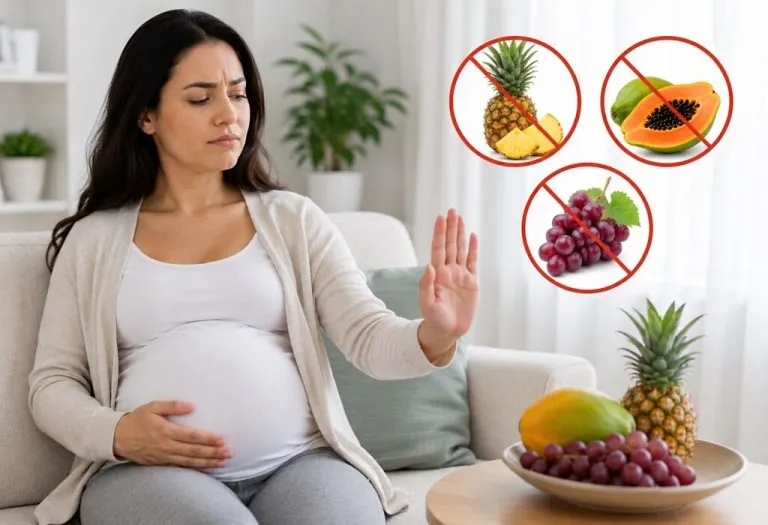
Fruits to avoid while pregnant are generally limited to those that may pose food-safety concerns or need moderation in certain circumstances, rather than an extensive list of completely forbidden fruits. In fact, the WHO recommends that adults consume at least 400 grams of fruits and vegetables each day as part of a healthy diet. During pregnancy, however, proper washing, preparation, portion control, and individual medical advice matter. This article explains which fruits may require caution, why they can be a concern, which common pregnancy fruit warnings are myths, and how to safely include nutritious fruits in your daily diet. Always follow your doctor’s advice for specific dietary restrictions.
Why Should You Avoid Eating Some Fruits When Pregnant?
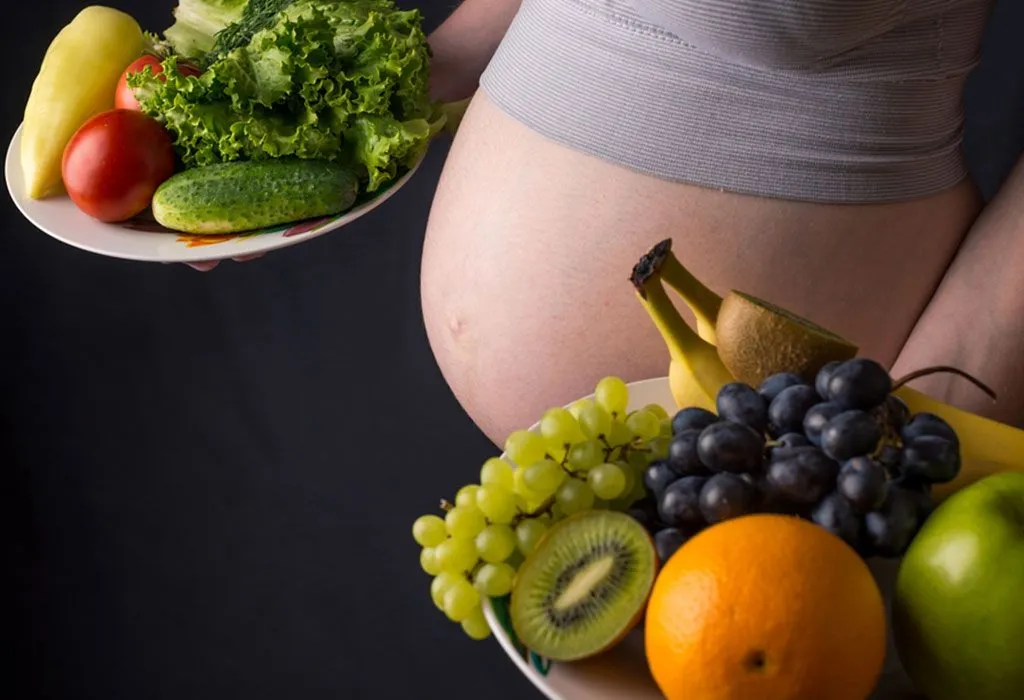
We all know that fruits are healthy for pregnancy, and doctors recommend eating as many fruits as women can. Then what is the reason for pregnant women to avoid some fruits when they are pregnant?
Let’s get to the bottom of this issue.
It is important to note that no studies or research has concluded that fruit consumption is harmful to pregnant women. However, certain fruits have been possibly linked to pregnancy complications, and pregnant women are advised to avoid them to avoid such issues.
That said, all fruits must be thoroughly washed and cleaned to get rid of soil, bacteria, or pesticides present on them before consumption by expecting women (1) (2).
There are also cases when women are advised to go easy on highly sugary fruits and fruit juices when they are facing gestational diabetes. Gestational diabetes is harmful to the pregnant woman and her unborn baby. Thus, extreme caution needs to be exercised when it comes to sugary foods.
Similarly, if certain fruits aggravate your nausea or heartburn, start an allergy, or spike your blood sugar level, then you may have to skip them for a while or change to a different serving size (3).
So, what fruits to avoid in pregnancy? Let’s check them out.
Which Fruit Should Be Avoided During Pregnancy?
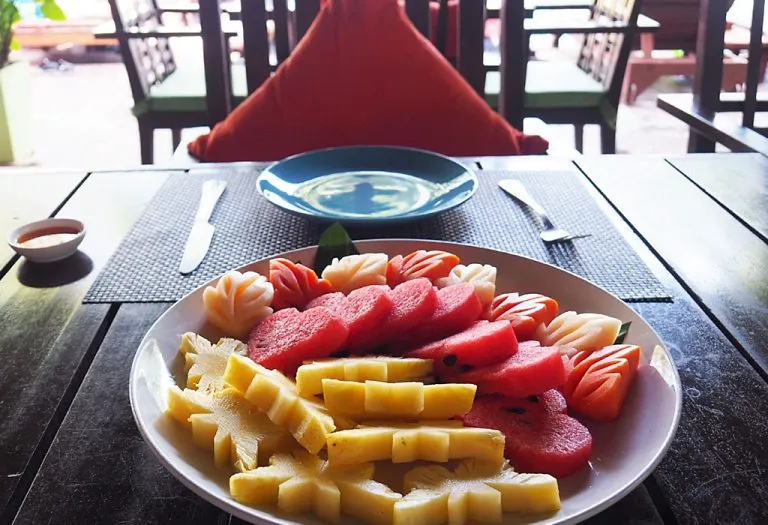
While most fruits do contain the required vitamins and nutrients that your body needs during pregnancy, especially when the foetus undergoes a growth spurt, there are some fruits not to eat during pregnancy. Some fruits may jeopardise the foetus’s health, while others can possibly lead to a miscarriage. Here is a list of fruits that you should not eat during pregnancy:
1. Pineapple in Excess
Pineapple is known to have an enzyme called bromelain that breaks down protein. It is believed to soften the cervix, sharp uterine contractions, and result in early labour. According to a 2022 study published in the Journal of Scientific & Technical Research, the duration of stage 1 and stage 2 labour was shorter in pregnant women who consumed 100g of pineapple compared to the control group. Thus, it was concluded that eating pineapple could lead to a reduction in the length of labour (4). That is why many people advise against consuming pineapple in the first trimester of pregnancy.
2. Unripe Papayas
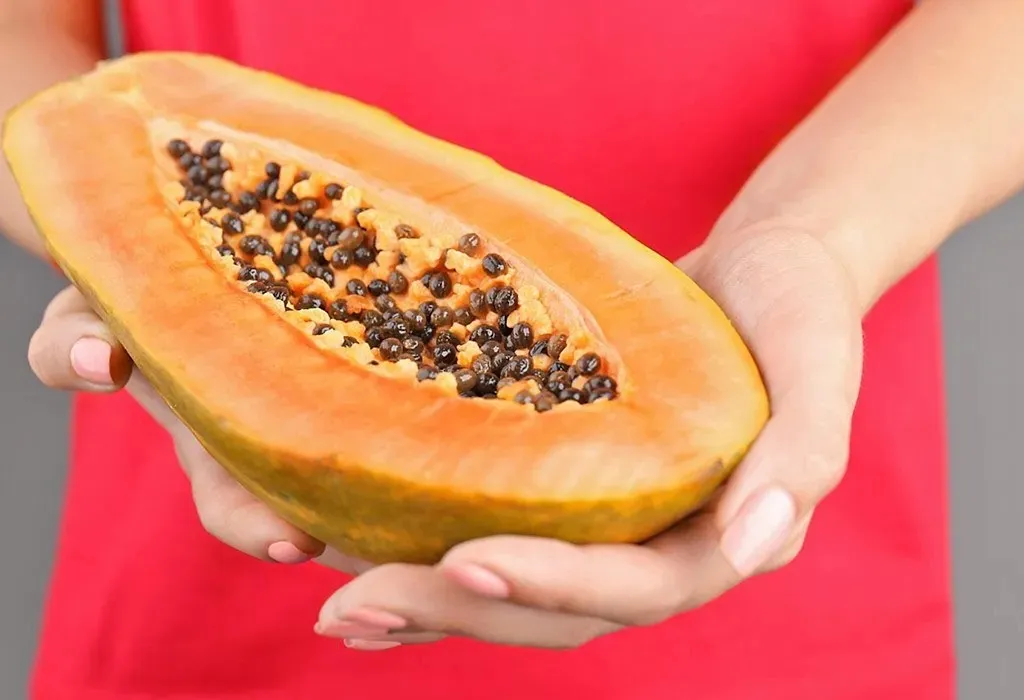
While papayas are rich in macronutrients and vitamins essential for your body, they are one of the fruits that come with caution for pregnant women. It is to be noted that ripe papayas are safe for pregnant women, but unripe or semi-ripe papayas are unsafe.
A 2002 study published in the British Journal of Nutrition, performed on rats, revealed that normal consumption of ripe papaya won’t pose any significant danger. The unripe or semi-ripe papaya, on the contrary, is rich in latex, leading to uterine contractions or bleeding, and could be unsafe for pregnant moms (5).
3. Grapes
Grapes are generally safe during pregnancy when consumed in moderation, but some women may be advised to limit them depending on their individual health needs. Grapes contain natural sugars and can contribute to overall carbohydrate intake, which may be relevant for women managing gestational diabetes. Rather than avoiding grapes altogether, discuss appropriate portions with your healthcare provider if you have blood-sugar concerns.
4. Dates
Dates are nutritious and provide fibre, potassium, and natural sugars. However, eating large quantities may significantly increase your sugar and calorie intake. Some research has also explored whether consuming dates late in pregnancy may influence cervical ripening and labour outcomes, so they should not automatically be placed on a “do not eat” list. If you have gestational diabetes or another pregnancy-related condition, ask your doctor about an appropriate amount.
5. Tamarind
Tamarind is a naturally sour fruit and a good source of vitamin C. However, consuming it in excess is traditionally considered a concern during early pregnancy because it may affect progesterone levels. Progesterone plays an important role in maintaining pregnancy, and lower levels may increase the risk of uterine contractions. For this reason, some experts recommend limiting excessive tamarind consumption, particularly during the first trimester. If you enjoy tamarind, it is best to consume it in moderation and seek your doctor’s advice about the appropriate amount during pregnancy.
6. Frozen Berries
Frozen berries can be a nutritious choice during pregnancy, but they should be handled and prepared carefully. Some frozen berries may carry harmful germs if they have been contaminated before freezing. Choose commercially packaged products from reliable sources, keep them properly frozen, and follow the package instructions for storage and preparation. If you are using frozen berries in smoothies or desserts, avoid products that have been thawed and left at room temperature for long periods. Proper food hygiene is especially important during pregnancy.
7. Unwashed or Pre-Cut Fruits
Fresh fruits are an important part of a healthy pregnancy diet, but unwashed or improperly handled fruit can carry harmful bacteria or parasites. Pregnant women are more vulnerable to certain foodborne infections, so fruits should be washed thoroughly under running water before eating. Pre-cut fruit from unhygienic or uncertain sources is also best avoided. Peeling the fruit does not always eliminate contamination if the knife or hands are not clean.
Also Read: Foods to Avoid During Pregnancy
Fruits That You Can Eat During Pregnancy
Fruits are known to be the best appetisers as they are both healthy and perfect food items when craving sugar. Pair them with yoghurt, in smoothies, as a snack or a salad; the choice is yours. Let’s check some healthy foods to eat during pregnancy (6).
FAQs
1. What are the fruits that may cause choking hazards during pregnancy?
Grapes and fruits with large seeds or pips pose a choking hazard. Thus, these should be carefully consumed during pregnancy.
2. What fruits should be avoided during pregnancy if you have gestational diabetes?
Fruits that are high in sugar have a high glycemic index (GI) that can raise blood sugar levels quickly. If you are suffering from gestational diabetes during your pregnancy, you should avoid high-sugary fruits or reduce their servings after consulting your doctor. Mangoes, grapes, pineapple, cherries, ripe bananas, and watermelon are some sugary fruits (10).
3. Can pregnant women drink fruit juice?
Pregnant women are strongly advised to avoid fresh juices for the simple reason that non-pasteurised juices can lead to digestion-related illnesses. So when you are consuming fruit juice, make sure that it is pasteurised.
Now that you know which fruits to avoid during pregnancy first trimester or throughout pregnancy, remember that not every fruit on a caution list needs to be avoided completely. Some recommendations depend on how a fruit is prepared, how much you eat, and your individual health needs. If you’re unsure whether a particular fruit is safe during pregnancy, it’s best to consult your doctor or a qualified healthcare professional. While changing your usual diet may take some adjustment, making informed food choices can help support your health and your baby’s development throughout pregnancy. Have a healthy pregnancy!
Disclaimer: The above article is for educational purposes only. It does not in any way replace expert advice. Thus, it is advised that you consult your doctor before avoiding or consuming any fruit for the optimal health of your baby and yourself.
Also Read:
Fruits to Eat during Pregnancy
Foods that can cause Miscarriage
Drinks and Beverages to Avoid in Pregnancy
Was This Article Helpful?
Parenting is a huge responsibility, for you as a caregiver, but also for us as a parenting content platform. We understand that and take our responsibility of creating credible content seriously. FirstCry Parenting articles are written and published only after extensive research using factually sound references to deliver quality content that is accurate, validated by experts, and completely reliable. To understand how we go about creating content that is credible, read our editorial policy here.
- Author


Related Articles
-

Can You Eat Brie Cheese When Pregnant?
-
Lemon Water During Pregnancy - Benefits, Risks, and Safety Tips
-
Important Diet Tips for Pregnant Women to Follow in Rainy Season
-
Panchamrut During Pregnancy - Benefits and Recipe
-
Loss of Appetite During Pregnancy – Causes & Treatment
-
Poppy Seeds In Pregnancy: Are They Safe to Eat?