Working During Pregnancy: Safety Tips, Your Rights & When to Stop
Learn how to work safely in pregnancy with practical tips, workplace precautions, and expert advice for a healthy pregnancy journey.





Medically Reviewed By
Dr. Deepinder Kaur
(Gynaecologist)


This health content has been medically reviewed by qualified experts and follows the FirstCry Parenting editorial policy to ensure accuracy and reliability.
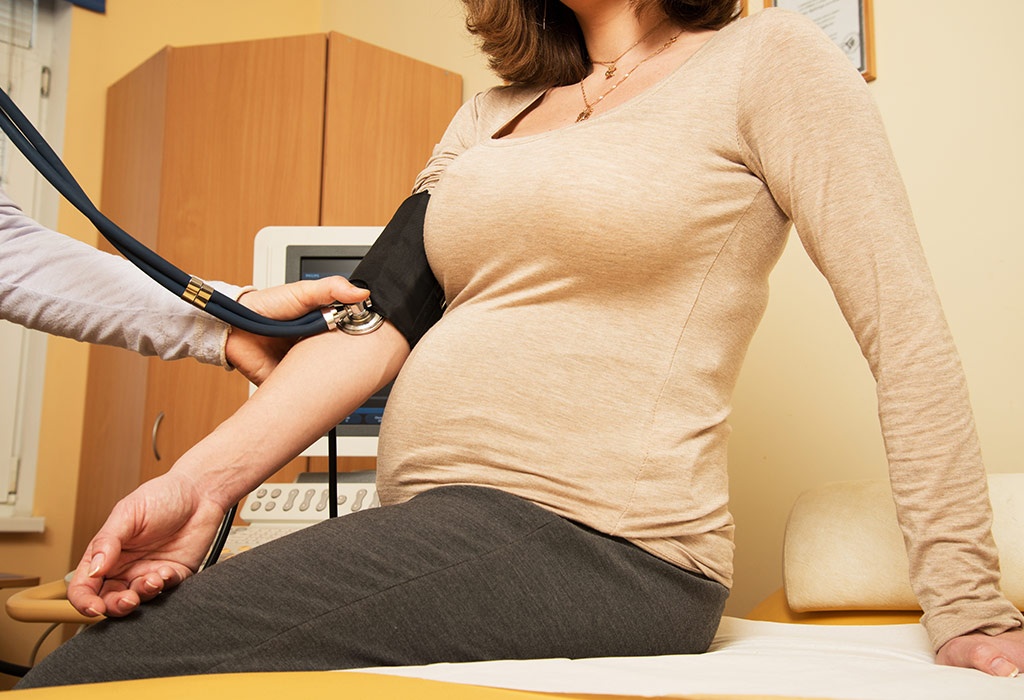
Pregnancy need not spell an end to your career. A woman can very well manage to work even during pregnancy, although she may be required to consider some things and accordingly make a few changes at her workplace. In this respect, her employer may also have to make certain alterations. But, as long as her doctor doesn’t advise her to stop working, there is no reason to give up working during pregnancy.
Read on to learn essential safety tips for working while pregnant, understand your workplace rights, and discover the signs that may indicate it’s time to stop working and focus on your well-being.
Is There a Reason That You Shouldn’t Work in Pregnancy?
Being pregnant may seem like a full-time job in itself. And, being pregnant at work may seem like a lot to manage. This is because, during pregnancy, a woman goes through a lot of hormonal and physical changes that may take a toll on her health and ability to work. Aches and pain, fatigue, mood swings or morning sickness are some of the things that a pregnant woman may have to deal with, on a daily basis, during her pregnancy. All this, coupled with the stress of work and tiring working hours, may increase her distress during pregnancy. Therefore, a pregnant woman may find it tough to handle both the job and taking care of her health at the same time. Travelling for work, posture, sitting or standing for long hours at work, the stress of deadlines and meetings may heighten her discomfort during pregnancy, leading to aches and health troubles.
It is not entirely inadvisable for a pregnant woman to continue working. It is advisable to take into consideration aspects like the nature of the job, the conditions at the workplace and whether the employers are willing to make allowances for you, before taking a decision. If you are experiencing a healthy, low-risk pregnancy, you may surely continue working. It is always sensible to consult your doctor and discuss the issue with him (1).
How to Stay Comfortable at Work?
Pregnancy presents its own share of difficulties. Pregnant women may keep in mind certain tips to manage and balance the pressures of work, along with their health needs.

1. Managing Fatigue
Combating fatigue may be your most significant challenge during pregnancy. This is because of the physical strain pregnancy can place on your body. You may tire easily or feel tired all the time. To enhance your energy, you may like to get up and move after regular intervals. A short walk during your break can refresh you. It is essential to pay attention to your diet. Include foods that are rich in protein and iron like poultry, green leafy vegetables, red meat, sea-food, iron-rich cereals and beans. Keeping yourself sufficiently hydrated by drinking lots of fluids may prove useful (2).
Also, always remember to take short breaks while working. Avoid working at a stretch and try to reduce your workload by hiring help or shopping online. Although the thought of exercising at the end of a long working day may seem exhausting, maintaining a workout routine may help increase your energy levels. If you are required to sit at work all day, going for a walk after work can be beneficial. You may also enrol yourself into a prenatal fitness class. Above all, you need to sleep for at least eight hours every night.
2. Managing Morning Sickness
Most pregnant women are troubled by morning sickness or may experience some kind of nausea or uneasiness throughout their pregnancy. To manage the illness, you can try and stay away from all your triggers that may intensify the feeling of nausea like the smell of certain foods. Frequent snacking may also aid in fighting nausea. Keeping crackers or biscuits handy at work can be a good idea. Drinking ginger tea or ginger ale may also help (3).
3. Managing Aches and Pains
During pregnancy, women may experience several aches and pains as the posture drastically changes, owing to the increasing weight one is carrying. It is best to avoid sitting or standing for long. Stretching the back occasionally through the day, taking short breaks to move around, may help in easing the tension in the muscles and promoting blood circulation. Sitting on an adjustable chair which provides decent support to the lower back can relieve backache (4).
A small cushion can also be placed at the back for additional support. While sitting at the desk, you may rest your feet on a footrest to avoid swelling at the ankles and fluid retention in legs. If you need to stand for a long time, alternately shifting weight on both the feet may help. You may like to wear comfortable footwear to work. If you need to turn, refrain from twisting at the waist. To lift things, try bending at the knees to avoid putting unnecessary pressure on the back.
4. Managing Mood Swings
Pregnant women are prone to frequent mood swings due to the hormonal changes that occur during pregnancy. Stress and fatigue at work can add to it or make it worse. Practising meditation and relaxation methods like conscious deep breathing and yoga may benefit. Getting massages, listening to music, taking naps, spending quality time with friends may also assist in brightening up the mood. Going on a walk with a good friend and talking out your frustrations and problems can also make you feel better (5).

When to Announce Pregnancy at the Office?
There is no specific time to announce your pregnancy at the office. But, it is sensible not to disclose your pregnancy until after the end of the first trimester. By this time, the chances of a miscarriage lower dramatically. You may make an announcement whenever you are comfortable with the idea of people at the workplace knowing about it. Though, be certain to inform your boss first. He will like to know it from you rather than the gossip mills directly. Fix an appointment with your employer to apprise him of your pregnancy and the due date. This may be necessary to plan your maternity leave and other details like taking off from work for your scheduled medical check-ups, ascertaining a safe working environment or comfortable working hours for you. You may also like to assure your boss of your continued commitment and efficiency. It is always wise to acquaint yourself with the firm’s maternity policy and terms of the contract. After informing your boss, you may then share the news with your colleagues. You may need to submit a written-notice, about ten weeks in advance, before proceeding on your maternity leave.
How to Remain Professional at Work?
Here are some guidelines to follow that may not only help you to remain efficient and professional at work but also help cope with the changes that pregnancy is bound to bring about.
- Prepare yourself for the inevitable changes that every stage of pregnancy is expected to bring about. As the pregnancy will progress, you may tire easily; the discomfort can increase. Try and accept these various changes and make suitable adjustments in your lifestyle and working schedule.
- Plan in advance if you are required to travel for work. You may need to reschedule your prenatal appointments. Ideally, you may like to schedule your trips during the second trimester because by then, the sickness and risks involving miscarriage will lower considerably. It is always advisable to consult your doctor in this respect.
- It is always reasonable to inform well in advance before taking time off from work. You may also like to find someone to fill in for you so that your work is not affected. You may refrain from setting up your prenatal appointments on weekdays, during office working hours. You may schedule them for weekends or during the lunch break or for evenings, after office hours.
- It is best to avoid voicing your frustrations or talking too much about your pregnancy discomfort at work. Stay focused on your work so that you are perceived as a sincere and dedicated worker by your boss and colleagues.
- You may like to keep your office attire comfortable yet smart. During the first trimester, you may continue to wear your usual work clothes, but you may require making certain changes in the second and third trimester because your size is likely to change during this time. You may also like to go in for comfortable footwear.
- It may be a good idea to manage the initial interest and excitement your pregnancy may generate in your colleagues. Deliberately, you may diplomatically steer the conversations back to work-related issues.
What Are Your Rights as a Pregnant Emplyoee?
Pregnancy should not jeopardise a person’s career, income, or workplace opportunities. While employment laws differ across countries, many jurisdictions provide important protections for pregnant employees to support their health, well-being, and financial security. Here are a few of the most important rights pregnant employees should know about.
1. Protection From Discrimination
One of the most fundamental rights of pregnant employees is protection from discrimination. Employers generally cannot make hiring, promotion, compensation, or termination decisions based on an employee’s pregnancy, childbirth, or related medical conditions. Pregnant workers should be evaluated based on their qualifications and job performance, not their pregnancy status.
2. Maternity Leave and Job Protection
Many countries require employers to provide maternity leave, whether paid, unpaid, or partially compensated. In many regions, employees have the right to take time off before and after childbirth while maintaining their employment status. Job protection laws often ensure that employees can return to the same or a comparable position after their leave ends.
3. Workplace Accommodations
Pregnancy can create temporary physical limitations that may require workplace adjustments. Depending on local laws, pregnant employees may be entitled to reasonable accommodations such as modified duties, additional rest breaks, flexible scheduling, seating arrangements, remote work options, or restrictions on heavy lifting.
4. Health and Safety Protections
Employers are generally responsible for providing a safe work environment. Pregnant employees may have the right to be protected from hazardous substances, excessive physical strain, unsafe working conditions, or tasks that could endanger their health or the health of their unborn child.
5. Medical Appointments and Prenatal Care
In many countries, pregnant employees are entitled to attend prenatal medical appointments without fear of retaliation. Some jurisdictions provide paid time off for these appointments, while others require employers to offer scheduling flexibility.
6. Breastfeeding and Nursing Rights
After childbirth, many workplace regulations provide protections for nursing parents. These may include break times for expressing milk and access to a private, appropriate space for breastfeeding or pumping.
Advantages of Working When Pregnant
There are several advantages of working during pregnancy. By continuing to work, you may benefit monetarily, which can be useful given the likely added expense of pregnancy. It can take your mind off the problems of pregnancy. You may also gain a great support system from your colleagues. If your pregnancy progresses normally and you can work through your pregnancy, you may avail your saved-up maternity leave after delivery. This may help you spend more time with your new-born before you re-join.

Disadvantages of Working When Pregnant
Working during pregnant may encompass some risks as well. The pressure of work may take a toll on your health. Stress and long working hours may add to your discomfort and aggravate the aches and pains. Most pregnant women like to enjoy the “nesting” stage, during which they ready themselves for the childbirth (6). Working women may not get sufficient time to relish it.
Taking Care While Working
There are several things a pregnant woman can undertake not only to make her working experience comfortable but also to care for her health.
- Take suitable steps to prevent aches and pains by making the workplace as comfortable as possible.
- Be open to the idea of accepting assistance and support from your colleagues and friends.
- Consider managing work stress by relaxation methods like deep breathing, yoga, meditation, listening to soothing music.
- Always go in for regular short breaks at work while pregnant. Sit comfortably, and every-now-and-then, get up to move around, take a small stroll or simply stand up and straighten your back.
- Incorporate healthy foods into your diet to boost your energy and fight fatigue. It is best to avoid excessive coffee or tea, spicy and fried foods. Frequent healthy snacking at work may prove useful to keep nausea at bay.
- Avoid wearing heels to work. It may be a good idea to opt for comfortable footwear instead. Flat shoes that can cushion and support the feet may be a better choice during pregnancy.
- Keep yourself adequately hydrated by drinking lots of water.
- Select comfortable office-wear that suits the workplace but also provides the much-needed ease.
- It can be tricky to manage travelling for work while pregnant. Always select the time and means of travel which best suits your pregnancy conditions.
What Should You Avoid Doing?
A pregnant woman can avoid doing certain things at work to safeguard her health and ensure her baby’s wellbeing (7):

- Refrain from lifting heavy objects or moving weighty furniture at work. Be very careful while climbing or going down the stairs or escalators.
- Avoid sitting or standing in a particular position for long. Keep changing positions and be mindful of your postures.
- Try and handle stress at work by organising your work and planning.
- Avoid drinking too much tea, coffee or aerated drinks.
- Withhold dressing in tight or ill-fitting clothes. Wear suitable office wear that is comfortable and accommodates your body changes.
- Keep away from late-night office parties or long working hours so that you may get adequate rest and sleep.
- You may tire easily when working during the third trimester. Take the day off from work, if you don’t feel up to it. Some days can be particularly rough. So, you may not like to push yourself beyond reasonable limits.
- Stay away from any possible health hazards at work like exposure to chemicals or harmful materials that can expose you and your baby to unnecessary risks.
When Should You Stop Working During Pregnancy?
There is no universal timeline for when a pregnant employee should stop working. Here are a few signs that it may be time to consider reducing your workload or stopping work during pregnancy.
- If your doctor advises you to stop working due to health concerns, it’s important to follow their guidance and discuss leave options with your employer.
- Conditions such as high blood pressure, preterm labour, severe morning sickness, or gestational diabetes may require additional rest and time away from work.
- Roles that involve heavy lifting, prolonged standing, exposure to hazardous substances, or strenuous physical activity may become unsafe during pregnancy.
- Increased exhaustion, back pain, swelling, or other pregnancy-related symptoms may make it difficult to perform daily job responsibilities effectively.
- Long commutes, irregular schedules, high-stress environments, or inadequate workplace accommodations can make continuing work more difficult as pregnancy progresses.
How You Should Ask for Pregnancy Accommodations
Requesting pregnancy accommodations can help you stay safe, comfortable, and productive at work throughout your pregnancy. Here are a few steps to help guide the process:
- Understand your workplace policies: Review your employee handbook, company policies, and any applicable laws regarding pregnancy accommodations and workplace rights.
- Identify your specific needs: Consider which adjustments would help you perform your job safely and effectively, such as additional breaks, modified duties, flexible hours, or remote work options.
- Talk to your healthcare provider: If necessary, obtain medical documentation that explains your limitations and supports your accommodation request.
- Be clear and specific in your request: Clearly outline the accommodations you need and whether they are temporary or expected to continue throughout your pregnancy.
- Be open to discussing alternatives: Your employer may suggest different accommodations that address your needs while meeting business requirements.
- Keep records of all communications: Save emails, forms, medical notes, and meeting summaries in case you need to reference them later.
FAQs
1. What precautions should I take while working during early pregnancy?
Stay hydrated, take regular breaks, maintain good posture, avoid heavy lifting, and listen to your body’s signals. If your job requires standing for long periods or involves physical labour, discuss possible accommodations with your employer.
2. What should I expect when working during the first, second and third trimester?
Each trimester brings unique physical and emotional changes that can affect your workday. The first trimester may involve nausea and fatigue, the second trimester often brings increased energy and comfort, while the third trimester can make prolonged standing, commuting, and physically demanding tasks more difficult.
3. Is it safe to travel for work while pregnant?
Many people can safely travel for work during pregnancy, especially in the early and middle stages. However, factors such as travel duration, destination, health conditions, and your healthcare provider’s recommendations should be considered before making travel plans.
The decision of working in pregnancy should be made by taking a holistic view of the whole situation. The importance of evaluating the risks and challenges of working while being pregnant cannot be stressed enough. It is essential to deliberate upon, the emotional and physical demands your job may have on you, during pregnancy. Though it is not entirely irrational to continue working when pregnant, proper care should be taken to safeguard your pregnancy and your health.
Also Read:
Fun Things to do during Pregnant
Activities to Avoid in Pregnancy
Household Work To Do & Avoid In Pregnancy
Working In Night Shifts During Pregnancy
Was This Article Helpful?
Parenting is a huge responsibility, for you as a caregiver, but also for us as a parenting content platform. We understand that and take our responsibility of creating credible content seriously. FirstCry Parenting articles are written and published only after extensive research using factually sound references to deliver quality content that is accurate, validated by experts, and completely reliable. To understand how we go about creating content that is credible, read our editorial policy here.
- Author
- Expert Reviewer