
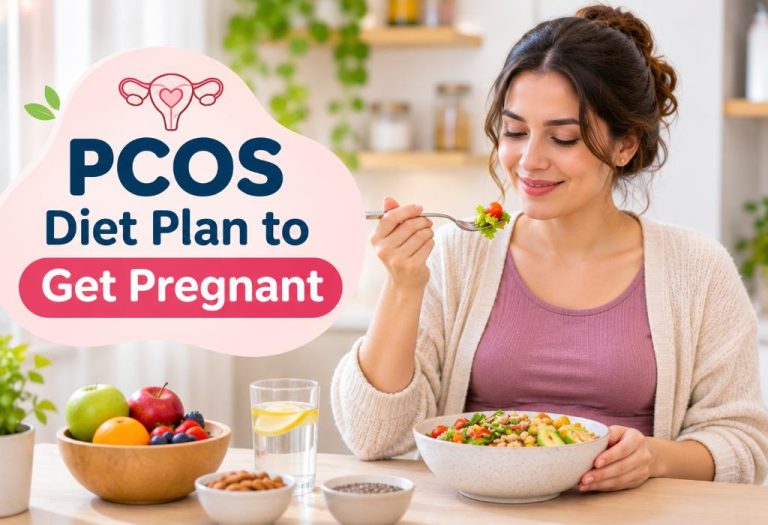
PCOS Diet Plan to Get Pregnant – Tips for Better Fertility





Medically Reviewed By
Anindita Bhattacharya
(Diabetologist/Nutritionist/Dietitian)

This content has been reviewed by a qualified expert and follows the FirstCry Parenting editorial policy to ensure accuracy and reliability.
Key Takeaways
- A PCOS-friendly diet rich in protein, fibre, healthy fats, and whole grains can support hormonal and metabolic health.
- Choose low-GI foods such as lentils, oats, vegetables, and whole grains to help manage blood sugar levels.
- Limit added sugars, refined carbohydrates, and highly processed foods.
- Combine healthy eating with regular exercise, adequate sleep, and stress management.
A PCOS diet plan to get pregnant focuses on eating nutrient-rich foods that support hormonal balance, improve insulin sensitivity, and promote healthy ovulation. These factors are important because PCOS can interfere with regular ovulation and make conception more challenging. According to the World Health Organization (WHO), PCOS affects an estimated 10-13% of women of reproductive age worldwide (1).
The good news is that making mindful food choices can support your reproductive health. Let’s look at a few good food for PCOS to get pregnant, those to limit, and simple dietary changes that can support your fertility journey.
How PCOS Diet Works?
PCOS can make it harder to get pregnant due to three main factors: chronic inflammation, poor insulin regulation, and high androgen levels. These issues are interconnected and can worsen each other (2). The most effective way to address these problems is through diet. Adjusting your eating habits can improve egg quality, support ovulation, and help your uterus better support implantation. By managing the hormone imbalances associated with PCOS through a proper diet, you increase your chances of a healthy pregnancy, reducing the risk of complications like gestational diabetes and preeclampsia and improving the likelihood of carrying your baby to full term.
Best PCOS Fertility Diet Tips to Help You Get Pregnant
Try to stick to the following diet plan to get pregnant with PCOS (3):
1. Prefer Eating Low Glycaemic Index Food
Food that contains high glycemic levels can spike your insulin levels. To avoid weight gain and other diseases like type-2 diabetes, it is important to eat food that has a low glycemic index. These are the good foods for PCOS to get pregnant, and the foods to avoid (4):
Foods to Avoid:
- White potatoes
- Rice
- Flour
- Doughnuts
- Watermelon
- Cornflakes
Foods to Eat:
- Soy milk
- Oatmeal
- Legumes
- Low-fat yoghurt
- Carrot juice
- Whole grain cereals
2. Avoid Starvation
Not eating food isn’t the solution to anything. One should eat regularly from time to time. However, avoid eating junk food or stale food. Eating healthy and fresh food ensures good health and wellness, which in turn boosts the process of losing excessive fat.
Healthy Foods to Eat:
- Lentils
- Fruits
- Green vegetables
3. Avoid Intake of Sugar
Whenever you consume sugar, you give way to increased blood sugar levels. Whether it’s chocolate, ice-cream, tea or cold drinks, you need to give up all of them. It is advisable to learn to relish the taste of food or drinks that have no added sugar to them (5).
Alternatives to Sugar:
- Stevia
- Honey
- Jaggery powder
4. Avoid Consuming Processed Food
If you want to get pregnant and keep PCOS in check, it is highly recommended to not eat processed food. These foods contain fats, hidden sugar, preservatives, and excessive sodium. Processed food, in turn, leads to inflammation. Instead, eat food that is freshly made and healthy.
5. Prefer Eating Anti-Inflammatory Foods
Insulin levels not only lead to weight gain and inflammation but also tiredness and weakness. Eating anti-inflammatory foods help reduce insulin levels (6).
Anti-Inflammatory Foods to Eat:
- Spinach
- Green tea
- Olives
- Beans and lentils
- Dark chocolate
- Coconut
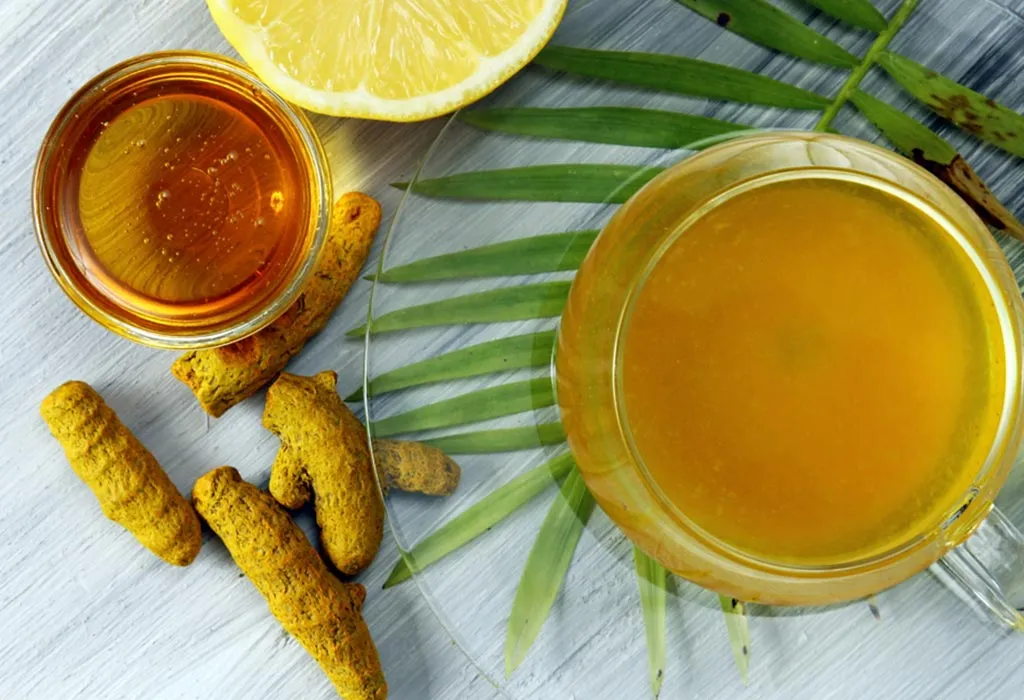
- Turmeric
- Cinnamon
- Extra virgin Olive Oil
6. Consume Less of Dairy Products
It may sound weird, but yes, dairy products are not recommended for women suffering from PCOS. This is because dairy products contain Insulin-Growth-Factor 1. Though this factor aids in the growth of foetus, it is not good for women with PCOS.
It is pretty clear that giving up dairy products isn’t entirely possible, but just remember to have them in limited quantities. Butter is one dairy product that you can have within controlled limits, as it contains the right balance of fats and vitamins.
Dairy Alternatives You Can Consume:
- Almond milk
- Oat milk
- Coconut milk
- Rice milk
7. Consult Your Doctors for the Right Prescription of Drugs
There are several medicinal drugs available in the market that, in turn, have proven to be beneficial for treating PCOS. However, remember not to consume any of these drugs without consulting your gynaecologist.
- Clomid: This is prescribed as a fertility medicine that helps in stimulating ovulation process. Clomid contains an active chemical called clomiphene that makes the brain think that the oestrogen levels have reduced. When this happens, the production and secretion of FSH or follicle-stimulating hormone automatically starts. Further, the production of FSH boosts ovarian activity (7).
Sample PCOS Diet Plan for Getting Pregnant
Here’s a sample diet chart for PCOS to get pregnant. This sample PCOS pregnant diet plan is designed to help manage PCOS symptoms while supporting your fertility journey (8).
| Meal Time | Food Options |
| Breakfast |
|
|
Mid-Morning Snack |
|
| Lunch |
|
| Afternoon Snack |
|
| Evening Snack |
|
| Dinner |
|
Other Tips That Will Help With Fertility and PCOS
Managing PCOS and boosting fertility involves more than just a balanced diet. Incorporating other lifestyle changes and habits can further improve your chances of conceiving. Here are some additional tips to help with fertility and PCOS (9):
- Maintain a healthy weight through regular exercise and a balanced diet.
- Engage in regular physical activity, such as brisk walking, swimming, or yoga, to improve insulin sensitivity and reduce stress.
- Avoid processed foods and sugar to help stabilise blood sugar levels and reduce inflammation.
- Get enough sleep each night, aiming for 7-9 hours, as sleep impacts hormone regulation.
- Manage stress through relaxation techniques like meditation, deep breathing exercises, or journaling.
- Stay hydrated by drinking plenty of water throughout the day to support overall health and hormone balance.
- Consider taking supplements like inositol, omega-3 fatty acids, and vitamin D, after consulting with your healthcare provider.
- Avoid smoking and limit alcohol intake, as these can negatively impact fertility and exacerbate PCOS symptoms.
- Track your menstrual cycle to better understand your ovulation patterns and identify your most fertile days.
FAQs
1. Can a PCOS diet help improve egg quality?
Yes, a well-balanced PCOS diet rich in antioxidants, healthy fats, and low glycemic index foods can improve egg quality. Nutrients like omega-3 fatty acids, folate, and vitamin D play a crucial role in supporting healthy egg development and enhancing fertility.
2. How long should I follow a PCOS diet before expecting results in fertility?
Results can vary, but it’s generally recommended to follow a PCOS diet consistently for at least 3 to 6 months before expecting noticeable improvements in fertility. This time allows your body to adjust to the dietary changes and for hormone levels to stabilise.
3. Can a PCOS diet reduce the risk of miscarriage?
A well-managed PCOS diet can help reduce the risk of miscarriage by stabilising blood sugar levels, reducing inflammation, and improving hormone balance. This creates a healthier environment for pregnancy and supports the development of the embryo.
4. What foods should I avoid with PCOS when trying to conceive?
Try to limit sugary drinks, packaged snacks, refined carbohydrates, processed foods, and foods high in added sugar. These foods can contribute to blood sugar fluctuations and may make insulin resistance harder to manage.
5. How long does it take for a PCOS diet to improve fertility?
There is no fixed timeline because results depend on individual hormonal, metabolic, and reproductive health. Some women may notice improvements in menstrual regularity over a few months, while others may need additional treatment. Consistency and appropriate medical support are important.
This is the recommended PCOS diet to get pregnant naturally. Try to follow these tips and consult your doctor for a proper plan for a diet to get pregnant with PCOS. Another recommendation is exercise. Do not forget to exercise daily, as this is the most effective solution for staying fit and, in turn, controlling PCOS.
References/Resources:
1. World Health Organization – Polycystic ovary syndrome
2. U.S. Food and Drug Administration – Polycystic Ovary Syndrome (PCOS)
3. Brown University Health – Eating Well for Polycystic Ovarian Syndrome (PCOS)
4. British Diabetic Association – Glycaemic index and diabetes
6. Harvard Health Publishing – Foods that fight inflammation
7. Cleveland Clinic – Clomiphene Tablets
8. VA Nutrition and Food Services – Nutrition for Polycystic Ovarian Syndrome (PCOS)
9. Office on Women’s Health – Polycystic ovary syndrome
Also Read:
Fertility Herbs to Get Pregnant
PCOS Treatment in Ayurveda
Yoga Poses for PCOS Treatment
Effective Tips for Getting Pregnant with PCOS
Was This Article Helpful?
Parenting is a huge responsibility, for you as a caregiver, but also for us as a parenting content platform. We understand that and take our responsibility of creating credible content seriously. FirstCry Parenting articles are written and published only after extensive research using factually sound references to deliver quality content that is accurate, validated by experts, and completely reliable. To understand how we go about creating content that is credible, read our editorial policy here.
- Author
- Expert Reviewer