
Pregnancy in Your 30s: Chances, Risks, and Tips
Your 30s can be a great time to grow your family with the right care, preparation, and doctor-recommended guidance.





Medically Reviewed By
Dr. Sabiha Anjum
(Gynecologist/Obstetrician)


This health content has been medically reviewed by qualified experts and follows the FirstCry Parenting editorial policy to ensure accuracy and reliability.
Is pregnancy in your 30s successful? Many women consider that 30s is the right time to get pregnant because they have settled in their career, have financial stability, and are wise enough to deal with the challenges of motherhood. And thanks to increased financial independence, job security, and late marriages, women are considering having children later rather than earlier nowadays. However, the chances of getting pregnant after turning 30 begin to reduce due to biological changes. If you have been thinking about delaying your pregnancy, you may want to consider the pros and cons, and only then make a decision. In this article, we have tried to address all the possible concerns you would have about getting pregnant in your 30s. Read on to know more.
Chances of Getting Pregnant at 30
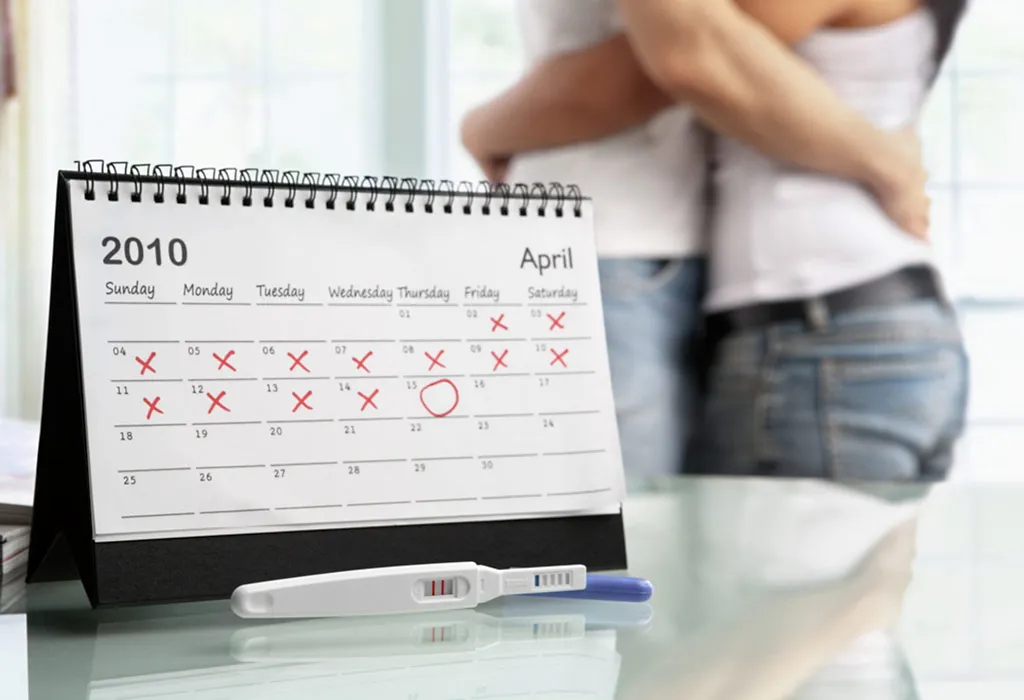
A woman’s chances of a successful pregnancy after the age of 30 (30-34) are as high as 86%. But on the downside, the risk of miscarriage also rises to 20%. In most cases, couples don’t need fertility treatment in their early 30s. But doctors suggest that a woman should still visit a gynaecologist for a check-up when planning for a baby.
If you plan to get pregnant in your late 30s, you should know that the chances of pregnancy during the late 30s (35-39) are considerably higher, but still lower than those in their early 30s. Research suggests that about 78% of women in the late 30s conceive, particularly if they are under 37. However, the risks of miscarriage, Down syndrome or abnormal pregnancy increase.
While most women trying for a baby have a 15-20% chance of conceiving in a month, some (around 30%) may take a year or more. A visit to a specialist is recommended if you have been trying for 6 months. In most cases, getting pregnant in your thirties may require In Vitro Fertilization (IVF).
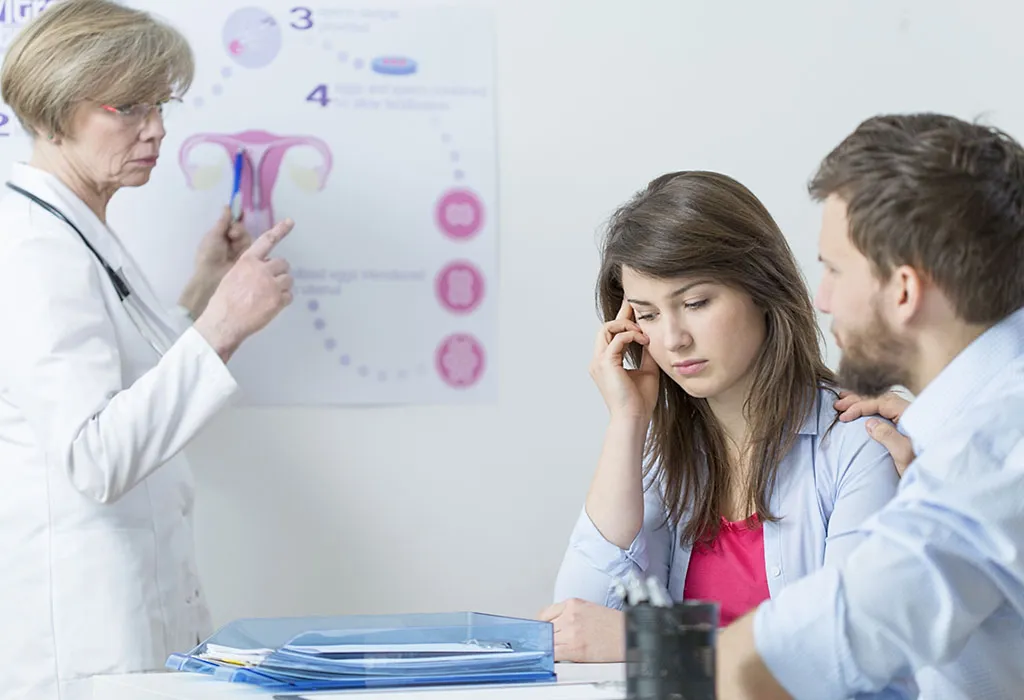
If you are not ready to get pregnant even in your late 30s, don’t worry. Thanks to medical advancements, you can freeze your eggs up until age 40 and have a good chance of pregnancy even in your mid-40s.
Pros and Cons of Conceiving in Your 30s
If you are considering putting off your decision to start a family, you may wonder ‘is it harder to get pregnant in your 30s’ here are some facts that may help you make an informed decision:
Pros
The pros of having a baby after age 30 include the following (3):
-
Financial Stability – This is perhaps the biggest reason why women choose to have children in their 30s. Most women are settled in their careers in 30s. In your 30s, you will be older, wiser, capable of saving money and making better financial decisions. Expensive baby items, diapers, nannies won’t make you break out in a sweat.
-
Relationship Stability – By the time you are in your 30s, chances are, you will be in a stable, healthy relationship. Most women prefer to wait for a couple of years after marriage to get to know their husbands and discover themselves. Just think how stressful the initial few years of marriage would be with its difficulties and adjustments and throw a baby in the mix! Too much to handle, right?
-
More Experienced – Just think back to what you were when you were 23. Barely more mature than a child! By the time you are in your 30s, you will have travelled, worked, lived and gained more experience. You will be wiser, calmer and can provide more support for your child.
-
Having a Support Group – If you have a baby at 25, chances are you will be the only mom among your friends, as most women wait to get pregnant until they turn 30 or something. You will find yourself running to your parents or to other much older women for advice. When you have a baby in your 30s, your support group will consist mostly of mothers of the same age and like-minded.
-
You’ll Look and Feel Younger – Most mothers admit that having children made them age faster. If you are having a baby at twenty-four, then by the time you are 30 years old, you will have a 6-year-old on your hands. Most of your friends will just start having babies, making them appear much younger.
-
Understanding Your Body – As you get older, the better you get at caring for your body and understanding what it needs. This will help you nourish your baby and stay healthy during pregnancy.
Cons
Although the pros might convince you to have a baby after age 30, there may be certain tough situations you will have to deal with. It is better to bear these in mind so that you are prepared for them and can manage them properly. Here are some common pregnancy complications after age 30 (1):
-
Take Longer to Conceive – After age 30, some women may find it difficult to conceive. It is mainly because ovulation becomes more erratic as the female body matures. The number of eggs goes down considerably, and the quality of eggs released also starts diminishing. All these factors result in infertility, which makes it harder to conceive in your thirties (2).
-
Lifestyle Diseases – As you grow older, many medical problems, such as thyroid, diabetes, obesity, and high blood pressure, start to creep in and affect you and your baby’s health. These conditions increase the risk of premature delivery.
-
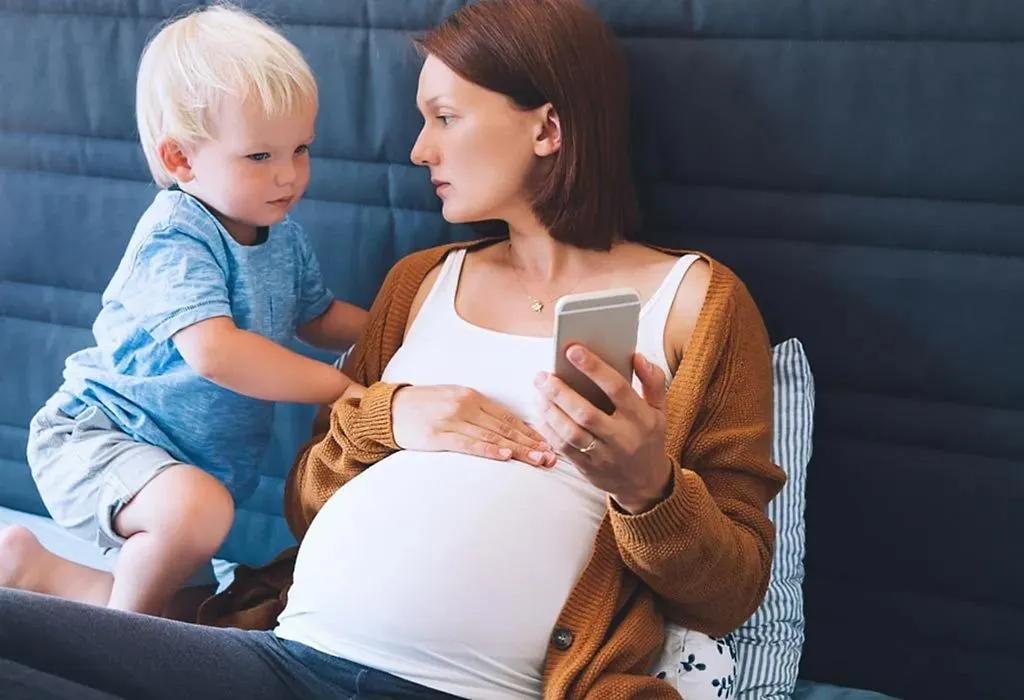
Develop Pregnancy Complications – You are at a higher risk of developing gestational diabetes or high blood pressure during pregnancy. You will need to follow a strict diet plan, exercise, and visit your gynaecologist.
-
Need for a C-section – Pregnancy complications in the 30s also include problems such as difficult labour and sustained labour pain because of the following issues:
- The cervix isn’t opening properly.
- The baby’s movements are not right.
- The contractions are not powerful enough to get the baby out.
-
Health of Your Baby – A pregnancy in the 30s puts the baby’s health at a greater risk. Babies born to older women often run the risk of acquiring genetic problems like Down syndrome or a spinal cord defect. Gynaecologists conduct prenatal tests like amniocentesis and regular ultrasounds to make sure that the baby is healthy.
-
Changes in Lifestyle – As you get older, taking care of your baby gets harder. You may also be used to a certain lifestyle, which may require changes. This gets tougher in pregnancy in the late 30s and more.
How to Boost Fertility in Your 30s
Want to know how to boost fertility in your 30s naturally? Below are a few tips on preparing for pregnancy in your 30s (4):
-
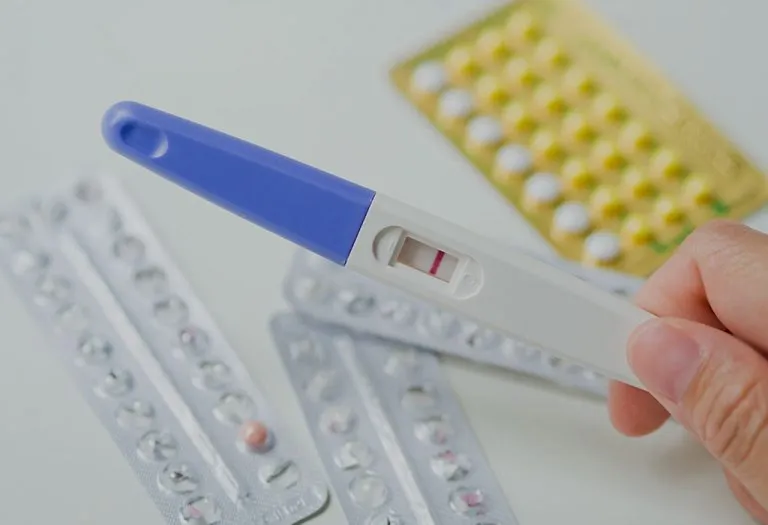
Go Off the Pill: This one is most obvious. If you have been on contraceptive pills, stop using them for a couple of months before you start trying to get pregnant.
-
Stop Smoking/ Drinking: Avoid smoking and drinking while trying to conceive. Ask your partner to cut down on smoking and drinking, as it can lower sperm count in men. Some lifestyle changes are required for a healthy pregnancy and for a healthy baby.
-
Exercise: Exercise is highly recommended for you if you are planning to get pregnant in your 30s. It will not only help you lose weight if you are on the heavier side, but it will also raise your fitness levels, making it easier for you to get pregnant. For beginners, we recommend yoga. Upon conceiving, you may enrol in exercise classes for pregnant women to make sure you are healthy enough to bear the child and lower any chances of pregnancy complications.
- Ensure Your Partner is Healthy Too: Male fertility matters just as much female fertility matters. Approx 30% infertility issues arise from male factor issues. Make sure your partner’s sperm health is good. Male partners should avoid wearing tight underwears, prolonged hot baths, and exposure to laptop heat near groin. Avoiding smoking and alcohol, regular exercising, stress management will improve sperm health.
-
Manage Your Stress: After a certain point in life, there is no running away from stress. If you are trying to get pregnant and are in your 30s, several factors might raise your stress levels and take a toll on your body. They might delay your pregnancy or develop pregnancy-related complications. It is, therefore, very important to manage physical and mental stress. You may seek help from your husband or family to take care of some of your tasks so that you can rest or exercise a little. Also, do not forget to meditate as it helps calm jittery nerves and make better decisions.
-
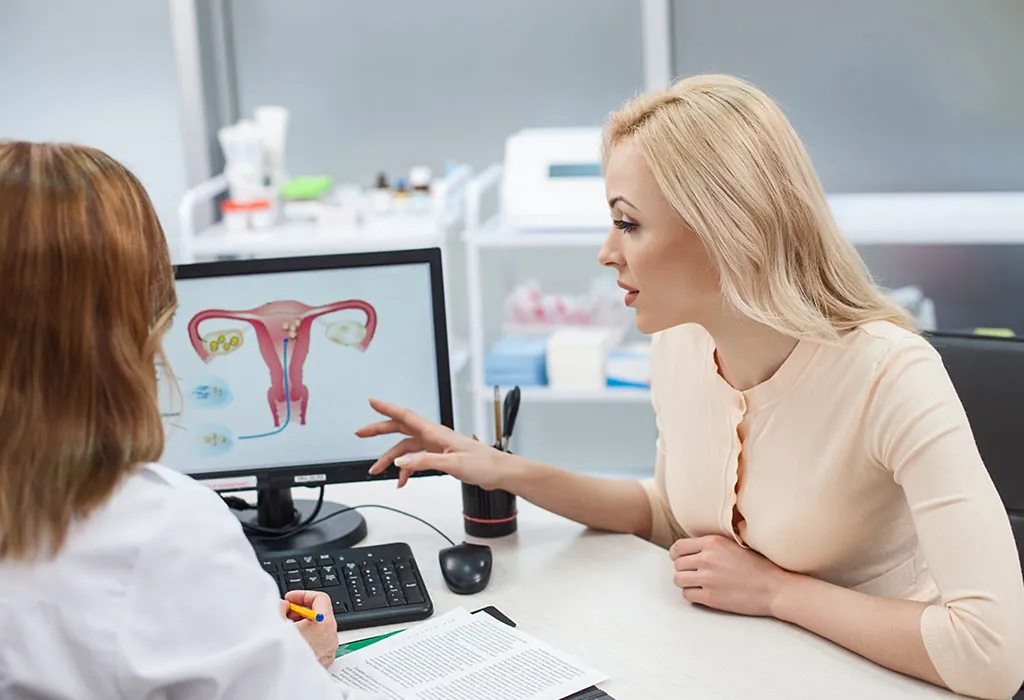
Visit Your Doctor: Many experts recommend visiting a gynaecologist before you start trying to get pregnant to rule out any chronic illness, like asthma or diabetes. After pregnancy, regular check-ups will help monitor your and your baby’s health, and address any medical problems immediately.
-
Be Careful About Medicines: If you take medicines for existing medical conditions, be sure to consult your doctor, as many medicines are not suitable for pregnant women. You may complete the dosage, or ask the doctor to prescribe alternative medicines that will not affect your pregnancy. Self-medication is also a big no-no.
-
Maintain a Healthy Diet: Don’t forget to eat healthy foods. Ensure your diet includes all the nutrients required by your body for a healthy pregnancy and childbirth. So, eat fresh fruits, vegetables, and drink lots of water.
- Maintain a Healthy Weight: Did you know that excess weight gain or being underweight interferes with ovulation and hormone balance (5)? Thus, a BMI between 18.5-24.9 is generally considered optimal for fertility, though individual variation exists.
- Improve Egg Quality: An anti-inflammatory diet is a great marker in improving egg quality. Since you can’t reverse ageing, you can for sure create an ideal place for the egg to fertilise. An anti-inflammatory diet consisting of whole grains, healthy fats (nuts, olive oil, fatty fish, avocados), lean proteins (fish, legumes, poultry), colourful vegetables and fruits, and limited red meat (once weekly or less).
- Start with the Right Micronutrients: Before you even conceive, supplementing your body with the right nutrients will ensure healthy egg development and prevent birth defects. Folic acid is one of the essential supplements that reduces miscarriage risk by up to 50% and supports healthy fetal development.
Essential supplements for women 30-35:
- Folic acid: 400-800 mcg daily (start 3 months before trying to conceive)
- Vitamin D: 1,000-2,000 IU daily (low levels linked to reduced fertility)
- Iron: 18 mg daily (supports oxygen transport to eggs)
- Calcium: 1,000 mg daily (works with vitamin D for hormone regulation)
Other Facts Related to Pregnancy in the 30s
Other than the factors mentioned above, here are some facts regarding getting pregnant in the 30s that you must know. These may or may not help you get pregnant after age 30, but it is always good to be informed.
1. Sexual Positions Don’t Affect Your Chances of Conception
It’s true! You may think that a certain sexual position may help you get pregnant faster, but that’s not true. No study can confirm that a particular position is better than the other in achieving pregnancy.

2. Men Play an Important Part Too
Pregnancy in your thirties doesn’t just revolve around female partners; male partners have a significant role, too. The age of the father also affects the time it takes to conceive. About 15% of men beyond 35 fail to impregnate their wives after a year of trying. But leading a healthy lifestyle can help a couple get pregnant faster.

3. Miscarriages Are More Common Than You Think
Around 30% of all pregnancies end in miscarriage. Unfortunately, due to the taboo associated with it, very few people talk about it openly.

When to See a Doctor?
If you are trying to get pregnant in your 30s, here are some instances in which you should consult a doctor:
- If you are under 35 and have been trying to conceive for more than a year.
- If you have any pre-existing conditions, such as endometriosis or PCOD.
- If you are over 35 and have been trying to conceive for more than 6 months.
- You have had difficulty conceiving or had miscarriages in the past.
FAQs
1. Is It Possible to Have a Normal Delivery in Your 30s?
Yes, it is indeed safely possible to have a normal delivery during your 30s if no risks have been determined by the doctor. Make sure you consult your doctor and ensure all your check-ups occur on time.
2. What Is the Safest Age to Get Pregnant?
The safest time to get pregnant is in your mid to late twenties and even early thirties if you are healthy. However, it also depends on any pre-existing conditions and lifestyle habits.
3. Is 35 too old to get pregnant?
No. Many women naturally conceive at 35 and above. However, if you have been trying for over a year, it is advised to consult a doctor.
4. What are the risks of getting pregnant in your 30s?
An increased risk of high blood pressure, gestational diabetes, preterm baby, low birth weight, miscarriage, stillbirth, multiple pregnancy, and preeclampsia is present.
Don’t fret if you are not ready to have a child in your 20s. Remember, medical science has advanced tremendously, and most women are giving birth to happy, healthy babies in their 30s and even mid-forties. If you take care of your health, eat right and exercise regularly, you can have a happy pregnancy and a healthy baby even in your 30s.
Also Read:
Getting Pregnant in Your 40’s
Getting Pregnant at 50’s
How to Get Pregnant Fast With Irregular Periods
Was This Article Helpful?
Parenting is a huge responsibility, for you as a caregiver, but also for us as a parenting content platform. We understand that and take our responsibility of creating credible content seriously. FirstCry Parenting articles are written and published only after extensive research using factually sound references to deliver quality content that is accurate, validated by experts, and completely reliable. To understand how we go about creating content that is credible, read our editorial policy here.
- Author
- Expert Reviewer


Related Articles
-

Expired Pregnancy Tests - Does It Work & It's Accuracy
-
How to Check Pregnancy at Home Naturally: 16 Homemade Pregnancy Tests
-
11 Unanticipated Reasons for Irregular Periods
-
Polycystic Ovarian Syndrome (PCOS) - An Overview
-
Conception After an Abortion - Is It Possible?
-
Yoga for PCOS - Benefits and Effective Poses