
Can Vitamin C Prevent Pregnancy? Know the Facts
Can Vitamin C prevent pregnancy? Know why it’s ineffective and which proven methods work better for contraception.




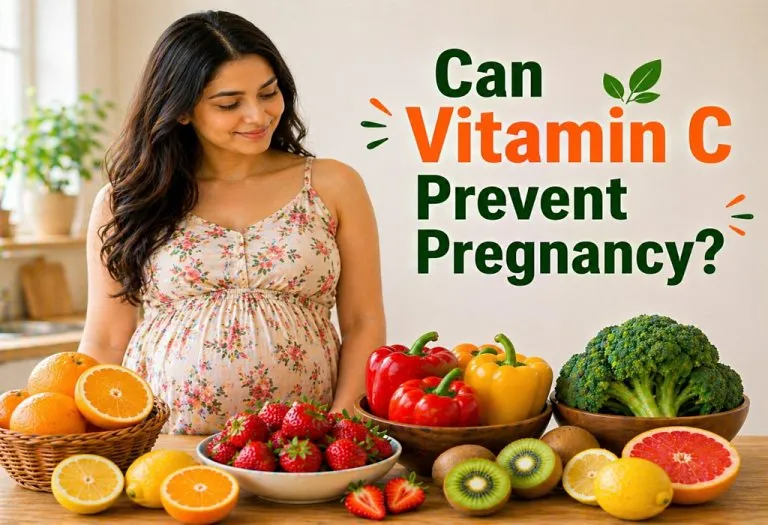
Image Credit: AI Generated Image
A married couple, who is not looking to start a family soon enough, is likely to look for options to prevent the chances of pregnancy. There are ample options available to a couple for birth control, ranging from barrier methods to IUDs. But if a couple doesn’t want to use the methods of contraception and is looking for natural ways, they may have come across the Vitamin C technique in order to prevent pregnancy. Vitamin C is known to act as a natural contraceptive, but does it really work, and is it a safe method of contraception? Can vitamin C prevent pregnancy? Let’s find out!
Does Vitamin C Help Prevent Pregnancy?
Vitamin C is believed to prevent pregnancy, but there’s no evidence to confirm this. Vitamin C contains ascorbic acid. Consuming it in more than the required amounts is believed to hamper progesterone levels, an essential hormone required to carry the pregnancy to term. This hampering leads to the uterus being unable to support conception – progesterone helps prepare the uterus for the implantation of the egg, and the lack of progesterone can prevent implantation and hence, conception (1).
However, there is no reliable scientific information to confirm that Vitamin C intake can prevent pregnancy or terminate the chances of pregnancy (2). Furthermore, too much Vitamin C consumption can cause diarrhoea and stomachache.
How Much Vitamin C Do You Need to Prevent Pregnancy?
The RDA (recommended daily allowance) of vitamin C for pregnant women aged 14 to 18 years is 80 mg per day, and 85 mg per day for pregnant women 19 years and above.
However, the upper consumption limit of vitamin C in pregnant women is 2000 mg per day (3). If taken above the limit of 2000 mg per day, it is believed that vitamin C can prevent pregnancy. However, it is important to note that there is no scientific evidence to confirm this claim, and that is why it is highly advised to consult the OB-GYN for preventing pregnancy.
Overdose of Vitamin C
Vitamin C is good for health and is often recommended to pregnant women (in limited doses) to support a healthy pregnancy. But what happens when it is consumed in high amounts? It may prevent pregnancy, but it should not be a couple’s go-to option, as there is no scientific study to back the claim that Vitamin C acts as a natural contraceptive. But can it lead to a miscarriage if consumed in excess? Read on to find out!
Can an Overdose of Vitamin C Cause a Miscarriage?
Pregnant women must be extremely careful with their vitamin C intake because a high dosage can lead to a hostile environment for the fertilised egg in the uterus. It may loosen the grip of the egg, and the egg may not be able to attach itself to the uterine lining, causing a miscarriage. The acidity present in vitamin C fiddles with estrogen levels in the body, which affects the sex hormones in the body. So the answer is yes, it can lead to a miscarriage. But there are other possible complications that may arise because of the consumption of excess Vitamin C for preventing pregnancy.
Potential Risks of Vitamin C for Preventing Pregnancy
Vitamin C can have other impacts on a woman’s body. For instance, if you take vitamin C, your menstrual cycle may arrive earlier than expected. The cycle in most women goes from 28 to 30 days. Increased amounts of vitamin C in your body can reduce the levels of progesterone and increase the levels of estrogen, causing the uterus to relax and begin menstruation. However, this effect is not scientifically proven or reliable, and vitamin C should not be used as a method to prevent pregnancy. It does not consistently prevent ovulation, fertilisation, or implantation. Relying on it instead of proven contraception methods can lead to unintended pregnancy.
Overconsumption of vitamin C greater than 3000 mg daily may have an adverse impact on the health of an individual, including diarrhoea, increased iron absorption, increased risk of kidney stones in people with existing kidney disease or a history of stones, increased levels of uric acid (a risk factor for gout), etc (4). Additional risks include stomach cramps, nausea, and gastrointestinal irritation with prolonged high intake. People with conditions like Hemochromatosis should be especially cautious, as vitamin C increases iron absorption to potentially harmful levels. Very high doses may also interfere with certain lab test results, such as blood glucose readings. The recommended daily intake for most adults is about 65–90 mg, with an upper safe limit of around 2000 mg per day.
How Is Vitamin C Used to Prevent Pregnancy?
Here are some of the most common ways in which Vitamin C is used to prevent pregnancy.
1. Vitamin C is present in lemons in high amounts. Including lemons in the diet in the form of juice or anything else is known to prevent pregnancy. However, consuming lemon juice in high amounts during pregnancy can lead to a miscarriage.
2. Vitamin C is also taken in the form of emergency contraceptive pills. Pills are also ingested to prevent conception. However, the pills taken should be pure Vitamin C pills and not with additives.
4. Eating fruits rich in Vitamin C, such as papaya, pineapple, sugarcane, and oranges, is another way to prevent unplanned pregnancy.
Other Options of Abortion or Preventing Pregnancy
Since the successful use of vitamin C to prevent pregnancy has no scientific evidence, there are other medical options you can choose to abort or prevent your pregnancy. This includes (5):
- Medical abortion
- Surgical abortion
Medical abortion includes the administration of abortion pills, taken in a specific order for them to be effective. Surgical abortion, on the other hand, involves the use of medical instruments to empty the uterus using different procedures, like the vacuum aspiration method and the dilation and evacuation method.
FAQs
1. Could vitamin C alter pregnancy test results or mask early pregnancy?
In unusually high doses, vitamin C may interfere with certain laboratory tests, including urine-based readings. However, it is not a dependable way to alter or hide pregnancy test results, and modern tests are generally designed to minimise such interference. If there’s uncertainty, a repeat test or blood test is recommended.
2. Can vitamin C, combined with other home remedies, improve its effectiveness in preventing pregnancy?
No, combining vitamin C with other home remedies (such as herbal mixtures or dietary changes) does not make it effective for preventing pregnancy. There is no scientific evidence supporting any combination of natural methods as a reliable contraceptive, and such practices may instead cause side effects or delay the use of proven methods.
For couples who are not looking to get pregnant or trying to terminate an unplanned or unwanted pregnancy, there are enough and more contraceptive options available to them. While the use of vitamin C to stop pregnancy is one of the natural ways to prevent and terminate a pregnancy, there are no studies to confirm this.
This was all about vitamin C and pregnancy prevention. In order to prevent pregnancy, there are safer medical options available that a couple can resort to. Vitamin C intake can lead to heartburn, bloating, cramping, diarrhoea, etc., so it should not be taken over the counter (OTC). Speak to your gynaecologist for alternative options and stay safe!
Disclaimer: The information given in this article is not intended or implied to be a substitute for professional medical advice, diagnosis, or treatment. There’s no study that proves that Vitamin C helps prevent pregnancy, so it is best avoided. We urge readers to seek the advice of a physician with regard to methods to prevent pregnancy.
Also Read:
How to Avoid Pregnancy: Methods & Home Remedies
How to Calculate Safe Period to Avoid Pregnancy
Can Antibiotics Stop You from Getting Pregnant?
Was This Article Helpful?
Parenting is a huge responsibility, for you as a caregiver, but also for us as a parenting content platform. We understand that and take our responsibility of creating credible content seriously. FirstCry Parenting articles are written and published only after extensive research using factually sound references to deliver quality content that is accurate, validated by experts, and completely reliable. To understand how we go about creating content that is credible, read our editorial policy here.
- Author


Related Articles
-

Pregnancy After a LEEP Procedure: Chances & Risks Involved
-
15+ Best Home Remedies to Help You Get Pregnant
-
Pregnancy in Your 30s: Chances, Risks, and Tips
-
Antenatal Classes: Preparing for Labour, Birth & Early Parenthood
-
Mini Pill (Progestin Only Pills or Progesterone Only Pill)
-
10 Reasons for Irregular and Delayed Periods After Marriage