
Pregnancy After Vasectomy – Possibility and Options
Can pregnancy happen after a vasectomy? Know the rare reasons, success rates, and the factors that may increase the chances.





Medically Reviewed By
Dr. Rima Sonpal
(Gynecologist/Obstetrician)


This content has been reviewed by a qualified expert and follows the FirstCry Parenting editorial policy to ensure accuracy and reliability.
A vasectomy is one of the most effective ways to prevent pregnancy; it is basically a permanent birth control solution for men. It is reported that after the male partner has a vasectomy, a couple has a less than 1% chance of getting pregnant, but are there any loopholes at all through which the couple can conceive a child? Like any other contraceptive, no birth control method, including vasectomy. So, is there any chance of getting pregnant after a vasectomy? Let’s find out everything about vasectomy, its effect on pregnancy, the efficacy of the test, and whether vasectomy is reversible.
What Is a Vasectomy?
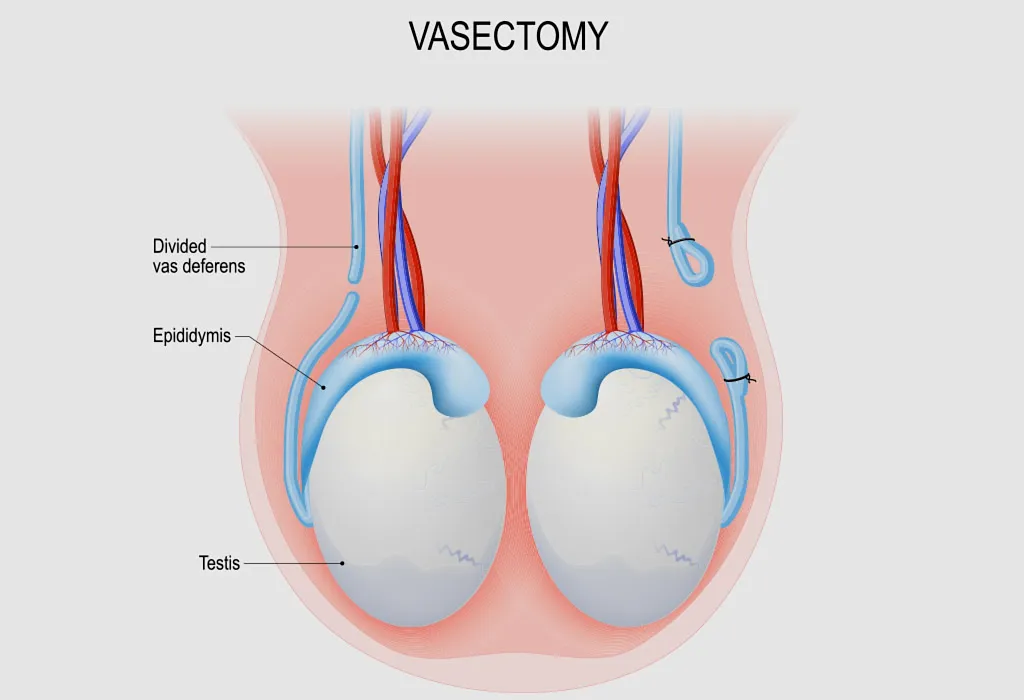
A vasectomy is a surgical intervention that involves tying off the reproductive tubes of a man. In other words, the vas deferens are tied off and severed, thus hampering the sperm from reaching the egg. This is not a temporary form of birth control but a permanent one (1).
The recovery period in the case of a vasectomy is quite short – most men can resume routine activities in just 2 or 3 days, and physical activity in 3 to 7 days (2).
Can you Get Pregnant After a Vasectomy?
Yes, pregnancy after vasectomy is possible but uncommon. A vasectomy is highly effective, though failures can happen if sperm remain in semen after surgery or if the tubes reconnect naturally over time. Semen analysis after the procedure helps confirm success (3).
Chances of Getting Pregnant After Vasectomy
As discussed above, a vasectomy is a permanent method of birth control and is considered to be one of the best ways to avoid an unwanted pregnancy. However, just as all other birth control methods do not have a 100 per cent success rate, having a vasectomy doesn’t guarantee that a couple cannot become pregnant (4). This means there may be a chance of pregnancy after vasectomy even if the husband has undergone a vasectomy. Here’s the good news, though – the chances of getting pregnant after a vasectomy are extremely low. It is observed that in the first year after surgery, the chances of pregnancy may be 1 in 1000, and this may increase from 2 to 10 in the next five years after the surgery.
How Can a Couple Get Pregnant After a Partner Has Had a Vasectomy?
How to get pregnant after vasectomy? Well, there are no surefire ways to make a man or a woman sterile; it is possible that a woman may get pregnant after her partner has had a vasectomy. Here are a few ways this can happen.
1. Having sexual intercourse before the man’s sperm count is confirmed to be zero
Even if a man has had a vasectomy, the sperm may still be present in the semen for up to 2 to 3 months. If a couple has unprotected sex during this time, they may face the possibility of becoming pregnant. Therefore, in the case where pregnancy needs to be avoided, the doctor may recommend that the man undergo sperm analysis to confirm the sperm count is zero before he can have unprotected sex with his partner.
2. Vasectomy reversal
If a couple wishes to conceive after the male partner has had a vasectomy, he can go for reversal surgery. The surgical procedure is performed under anaesthesia, and the vas deferens is reconnected. The vasectomy reversal surgery may bring back the sperm into the semen (5).
3. Recanalisation (natural reversal)
Sometimes, natural reversal or recanalisation may occur when the sperm are able to escape from the microscopic channels that may be present at the cut end of the vas deferens. These channels may form due to some medical complications, such as sperm granuloma and other such conditions. Usually, the doctor will be able to establish this problem while doing the post-semen analysis after the vasectomy, and it may only be present in less than one per cent of cases. However, in rare cases, which are 1 in 4000, late recanalisation may occur too.
4. Surgical errors
Sometimes, a vasectomy may fail due to surgical errors. In case there is a surgical error, it may increase the couple’s odds of pregnancy after the male partner has had a vasectomy. While this is a very rare phenomenon and may seldom happen, it is also a reason to go for a post-semen analysis to establish the success of the vasectomy. Therefore, it is very important that the surgery is done by an expert in the field.
Is a Vasectomy Reversible?
Vasectomy reversal reconnects sperm pathways and may restore fertility in selected cases.
- Vasovasostomy : This procedure reconnects the cut ends of the vas deferens to allow sperm flow again.
- Vasoepididymostomy : This surgery connects the vas deferens directly to the epididymis when blockage prevents normal sperm flow.
FAQs
1. Can pregnancy happen after a vasectomy?
Although rare, pregnancy can happen after a vasectomy if the tubes reconnect naturally or the procedure fails. The risk is very low after confirmation testing.
2. How soon after a vasectomy is pregnancy still possible?
Pregnancy can still happen until semen testing confirms there are no sperm present. Doctors usually recommend backup contraception for several weeks after the procedure.
3. Can a vasectomy be reversed successfully?
Yes, vasectomy reversal is possible through microsurgery. Pregnancy success rates depend on age, fertility health, and how long ago the vasectomy was performed.
4. How long does it take to get pregnant after vasectomy reversal?
Some couples conceive within months, while others may take a year or longer, depending on sperm quality and reproductive health.
A vasectomy is one of the most preferred forms of birth control, and it also has a very high success rate. However, as discussed above, no form of birth control is a hundred per cent safe. Therefore, in case you want to know more about your options on birth control, you should get in touch with your doctor. Also, if you and your partner wish to have a baby after the vasectomy surgery, it may be possible too. You should get in touch with your doctor and find out about the various ways to increase your chances of getting pregnant after a vasectomy.
Also Read:
Pregnant after Stillbirth
Pregnancy after C-section
Pregnancy after Miscarriage
Stopping Birth Control & its Effects on Conceiving
Was This Article Helpful?
- Author
- Expert Reviewer