
Screening and Diagnostic Test During Pregnancy – A Complete Guide




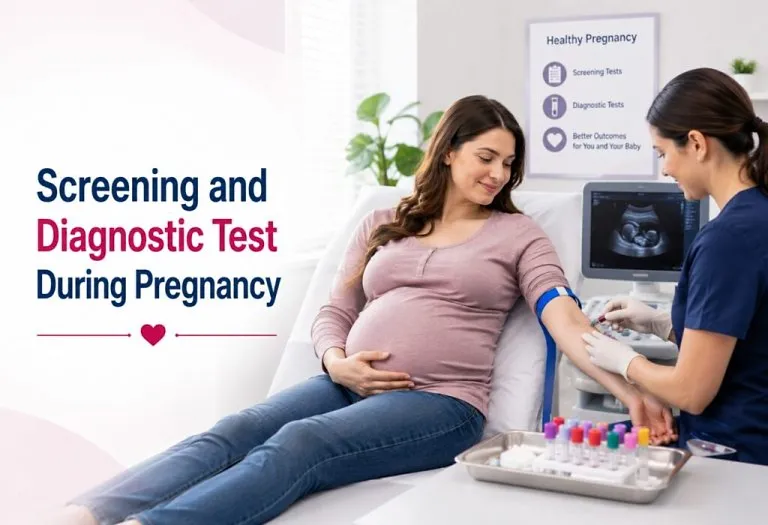
Prenatal screening tests help assess whether a baby may have certain genetic conditions or birth defects, while diagnostic tests can determine whether a specific condition is actually present. The World Health Organization (WHO) recommends eight antenatal care contacts during pregnancy to screen for potential complications and support timely care (1). Depending on your stage of pregnancy and individual risk factors, your doctor may suggest blood tests, ultrasound scans, or a non invasive prenatal screening test. It’s important to remember that a screening result indicates risk, it does not confirm a diagnosis.
In this article, we’ll explain the major pregnancy screening tests, diagnostic procedures, when they are performed, what they can detect, and how to understand the results.
What Is Prenatal Screening?
Prenatal screening refers to tests performed during pregnancy to assess the likelihood that a baby may have certain genetic conditions, chromosomal abnormalities, or other developmental concerns. These tests do not confirm a diagnosis; instead, they indicate whether a pregnancy has a higher or lower chance of a particular condition (2).
Depending on the stage of pregnancy, prenatal screening tests may include blood tests, ultrasound examinations, or a non invasive prenatal screening test (NIPT) that analyses fetal DNA fragments found in the mother’s blood. If a screening result suggests an increased risk, your doctor may recommend a diagnostic test for a clearer answer.
Types of Prenatal Screening Test
Prenatal screening tests vary depending on the stage of pregnancy and the health needs of the mother and baby. The main types include blood tests, ultrasound-based screening, and cell-free DNA testing, each providing different information about the baby’s development and potential health conditions (3).
1. First-Trimester Screening
First-trimester screening is usually performed between 11 and 13 weeks of pregnancy and combines a blood test with an ultrasound measurement called nuchal translucency (NT). It helps estimate the baby’s chance of having chromosomal conditions such as Down syndrome (trisomy 21) and Edwards syndrome (trisomy 18) (4).
2. Second-Trimester Screening
Second-trimester screening may include maternal blood tests, such as the quadruple marker test, typically performed around 15-20 weeks of pregnancy. It assesses the likelihood of certain chromosomal conditions and neural tube defects and may help determine whether additional testing is needed (5).
3. Non-Invasive Prenatal Screening (NIPS/NIPT)
A non invasive prenatal screening test uses a blood sample from the mother to analyse cell-free fetal DNA. It is primarily used to screen for common chromosomal conditions, including trisomy 21, 18, and 13, and can generally be performed from around 10 weeks of pregnancy (6).
Who Should Do Prenatal Screening?
Prenatal screening is generally offered to all pregnant women, regardless of age or whether they have a known risk factor. Screening may be especially important for women who (2):
- Are pregnant and want to assess the baby’s risk of certain chromosomal or genetic conditions.
- Have a family history of genetic disorders or birth defects.
- Have previously had a pregnancy or baby affected by a chromosomal or genetic condition.
- Have received an abnormal result from an earlier prenatal screening test or ultrasound.
Why Is Prenatal Screening for Birth Defects Done?
Prenatal screening is done to check if the foetus is at risk of developing some genetic abnormality. These tests are non-invasive and do not take much time in getting done. The diagnostic tests, on the other hand, carry some risks and are invasive which make screening the first route for investigation. If the results are positive, then the diagnostic test can be considered which can confirm the birth defect (7).
Prenatal Screening Tests
The screening tests must take place during the first and second semester.
In First Trimester
The test during the first trimester can be done between the ninth and thirteenth week. Some of the tests include:
1. Blood Test
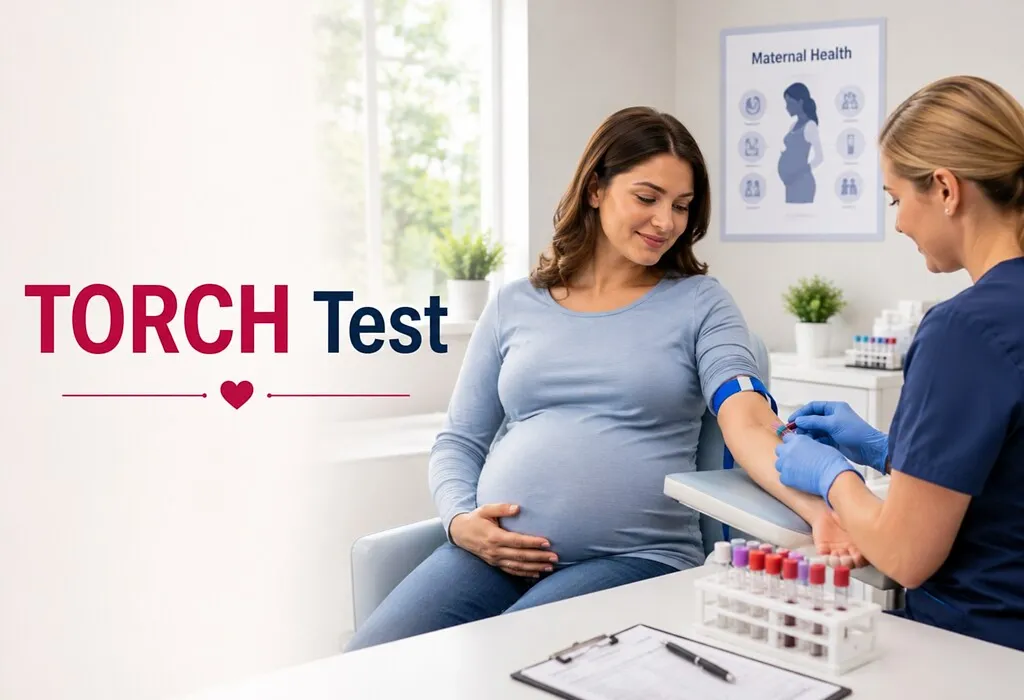
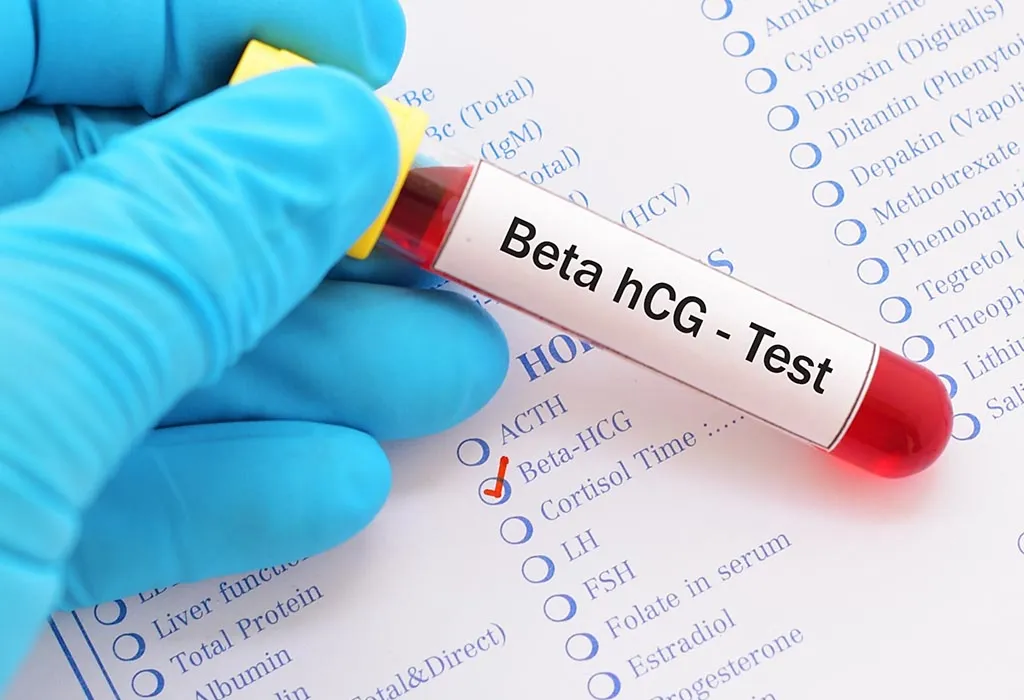
You will need to undergo a simple blood test that will analyse components in your blood such as free B-HCG and PAPP-A (plasma Protein A). These are both biochemical markers that help screen out a foetus that is at risk of Down syndrome, Patau syndrome and Edward Syndrome.

2. Nuchal Transparency
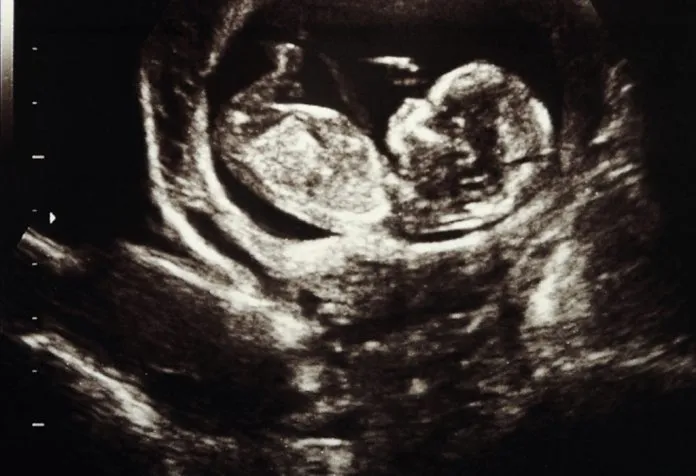
In this test, an ultrasound is used to observe the collection of fluid at the back of the neck of the foetus. An increased thickness means that the foetus is at risk of trisomy 21 and other genetic abnormalities. Studies have shown that this method of screening has an eighty per cent detection rate with a five per cent chance of a false positive. This increases to ninety per cent if the above-mentioned blood test is carried out as well (4).
The above-mentioned tests are not only useful in the detection of genetic abnormalities but foreseeing other pregnancy-related complications as well. For example, low PAAP-A in the mother is associated with pre-eclampsia, infant death and intrauterine growth restrictions.
In Second Trimester
A combination of tests are taken during the second trimester and is collectively known as the Quad marker test. It measures the levels of four biomarkers that help reveal the risk of the foetus for having chromosomal abnormalities. The test during the second trimester can be done between 14th and 18th week. However, an extension up to the 22nd week is also acceptable.
1. Alpha-Fetoprotein
This analyses the presence of plasma protein that is produced in the liver of the foetus known as alpha-fetoprotein (AFP). Women with high levels of the protein have babies that have an increased chance of neural defects like spina bifida and anencephaly. Those with low levels of AFP, on the other hand, have a higher risk of carrying babies with Down syndrome. However, this test should be carried out with other tests and independently may not paint an accurate picture (8).
2. Human Chorionic Gonadotropin
This is produced in the placenta. Those who have elevated levels of the same are likely to have a baby with Down syndrome.
3. Estriol
This is the type of oestrogen that is produced by both, the foetus as well as the placenta. Abnormal levels of the same found in the test can mean that the foetus has an increased risk of having Down syndrome, Edward syndrome or some other genetic abnormality (9).
4. Inhibin-A
This is a hormone that is found in the placenta. Studies have shown that the detection rate of Down syndrome and other chromosomal abnormalities have improved dramatically by measuring this hormone. You can also opt to take the first and second-trimester tests together which is known as the integrated screening test.
Prenatal Diagnostic Tests
Diagnosing birth defects is done through a process of elimination. Though the screening process is over, there is always the chance of a false positive. In addition, the diagnostic tests are generally invasive and also be risky in certain cases. This is why diagnostic tests are only done if the screening tests indicate a moderate to high risk.
In First Trimester
How early can birth defects be detected? That is a good question. The below test is conducted between the 10th and 13th week of pregnancy and is the earliest time where you can detect a birth defect with certainty.
1. Chorionic Villus Sampling
For this test, a sample of the Chorionic Villus is taken which can be found in the placenta. They are projections in the placenta and are unique as they contain similar genes to that of the foetus. It is used to detect chromosomal abnormalities like Down syndrome or even cystic fibrosis. It, however, cannot help in detecting neural tube defects. Some of the risks that are accentuated because of this diagnostic test include miscarriage, infection or defects in the toes and fingers of the baby. This test is accurate but sometimes shows a false-positive. In addition, the results are sometimes unclear, and amniocentesis is needed for further clarification. The results time is variable and can take a few days or even a couple of weeks (10).
In Second Trimester
While chorionic villus sampling maybe one way to go about it, it cannot detect all birth defects. In addition, if your uterus is tilted backwards and the placenta is also located at the back of the uterus, a Chorionic test is discouraged. Finally, if your screening has returned positive after 13 weeks, you can try the below tests. While Amniocentesis is done during the 15th and 18th week, the ultrasound can be done between the 18th and 20th week.
1. Amniocentesis
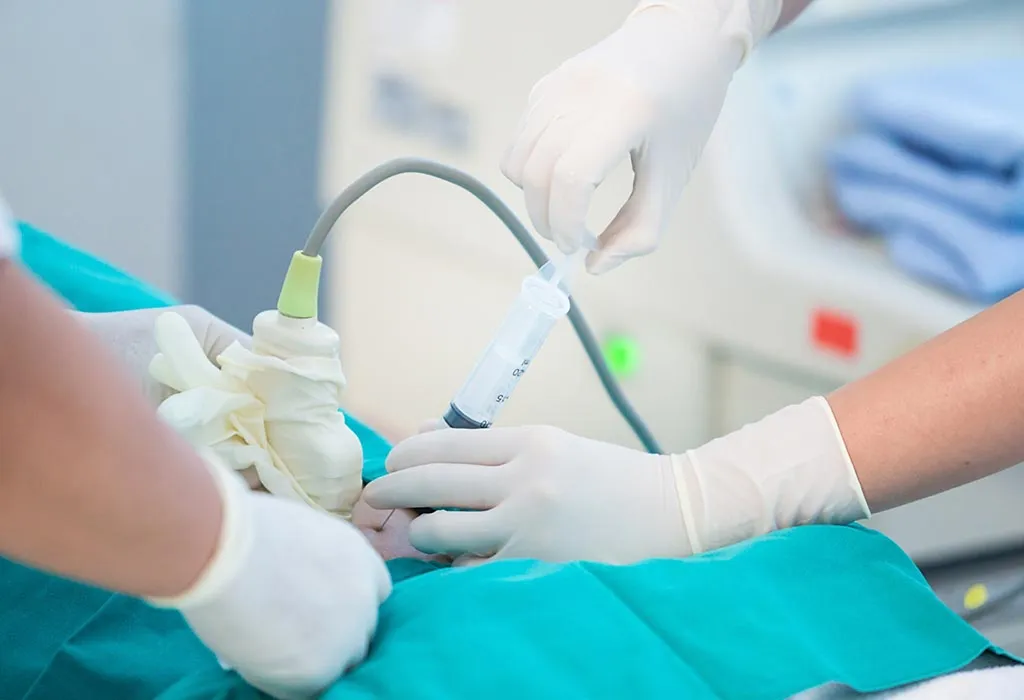
The amniotic fluid contains a substance called alpha-fetoprotein or AFP. A needle is introduced into the uterus via the abdomen. Now, less than thirty millilitres of amniotic fluid which surrounds the foetus is removed and analysed. This test is useful in detecting Down syndrome, Muscular dystrophy, spina bifida and sickle cell disease. It has an accuracy rate of 99.4 per cent, and there is a risk of 1 out of 200 women having a miscarriage after the test. You will receive the results within three weeks (11).
2. Level 2 Ultrasound
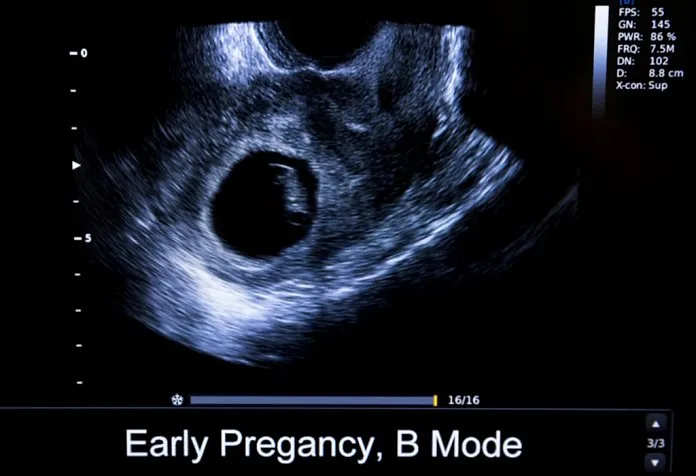
This form of ultrasound is similar to a regular ultrasound, but the results are more targeted. The focus will be on specific areas such as the brain, heart and other organs. This is used to detect Down syndrome and is non-invasive unlike Amniocentesis and Chorionic Villus Sampling. The results will be received once the ultrasound is completed.
Amniocentesis and Chorionic villus sampling are both invasive, and you are not allowed to perform any strenuous exercise after the test, at least for a few days.
Risks of Screening Test
Most prenatal screening tests are considered very low risk, as many involve only a blood sample from the mother or an ultrasound examination and do not directly affect the baby (7).
However, it is important to distinguish screening from diagnostic testing. If a screening result indicates a higher chance of a condition, your doctor may recommend diagnostic procedures such as amniocentesis or chorionic villus sampling (CVS). These procedures are invasive and can carry risks, including infection, bleeding, and miscarriage (10). Discuss the benefits and potential risks of any recommended test with your doctor so you can make an informed decision.
Does Prenatal Screening Tests Give You Accurate Answer?
Prenatal screening tests cannot give a definite diagnosis; they estimate how likely the baby is to have a particular genetic or chromosomal condition. The accuracy varies depending on the type of test and the condition being screened for (3).
FAQs
1. Are prenatal screening tests necessary for every pregnancy?
Prenatal screening is generally offered to all pregnant women, regardless of age or risk factors. Your doctor can help you decide which tests are appropriate based on your pregnancy, medical history, and preferences.
2. Can prenatal screening detect all birth defects?
No. Prenatal screening cannot identify every genetic condition, chromosomal abnormality, or birth defect. Different tests look for different conditions, and some abnormalities may only be identified through ultrasound or diagnostic testing.
3. What does a high-risk prenatal screening result mean?
A high-risk result means the screening has found a greater-than-expected chance of a particular condition. It does not confirm that the baby has the condition. Further evaluation or diagnostic testing may be recommended.
It is your choice to take any of the tests. However, most obstetricians say that it is better to take the genetic screening test in pregnancy so that the fear and anxiety about birth defects is out of your mind.
Also Read:
Non-Stress Test while Pregnant
Non-Invasive Prenatal Testing
Contraction Stress Test in Pregnancy
Was This Article Helpful?
Parenting is a huge responsibility, for you as a caregiver, but also for us as a parenting content platform. We understand that and take our responsibility of creating credible content seriously. FirstCry Parenting articles are written and published only after extensive research using factually sound references to deliver quality content that is accurate, validated by experts, and completely reliable. To understand how we go about creating content that is credible, read our editorial policy here.
1. World Health Organization – Promoting healthy pregnancy
2. National Library of Medicine – APPENDIX HPRENATAL SCREENING AND TESTING
3. Mayo Clinic – Prenatal testing: Is it right for me?
4. Cleveland Clinic – Nuchal Translucency
5. Cleveland Clinic – Quad Screen
6. Cleveland Clinic – Noninvasive Prenatal Testing
7. Cleveland Clinic – Prenatal Genetic Testing
8. PubMed Central – Alpha-fetoprotein: Past, present, and future
10. Cleveland Clinic – Chorionic Villus Sampling for Prenatal Diagnosis
- Author