
TORCH Test – Purpose, Preparation, and Results




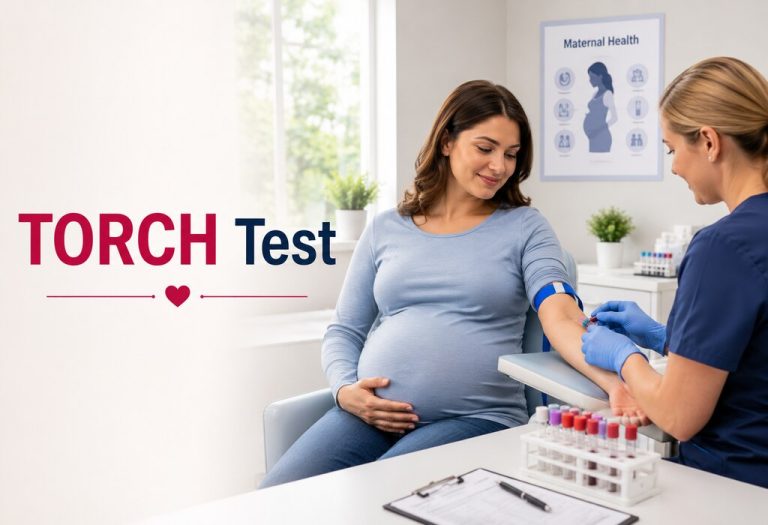
The pregnancy TORCH test is a group of blood tests used to check for certain infections that can pass from a pregnant woman to her baby and potentially cause complications. TORCH commonly refers to toxoplasmosis, other infections, rubella, cytomegalovirus (CMV), and herpes simplex virus (HSV). Your doctor may recommend this testing based on your symptoms, medical history, pregnancy stage, or concerns about possible infection. Knowing what the test involves can help you feel more prepared and less anxious about the results. In this article, we’ll explain why the TORCH screen in pregnancy is done, how to prepare, what different results may mean, and what steps may follow if an infection is suspected.
What Is TORCH Test?
The TORCH blood test is a method employed to detect any congenital infections that may be present in the mother. These infections could be passed on to the foetus either during pregnancy or childbirth and can cause developmental issues such as epilepsy.TORCH infections are an umbrella term for various infections that can be passed from mother to child either during pregnancy or childbirth. The term TORCH is an acronym for infections which include (1):
- T- Toxoplasmosis
- O- Other diseases such as Epstein-bar virus, hepatitis, human parvovirus, mumps etc
- R- Rubella
- C- Cytomegalovirus
- H- Herpes Simplex
Benefits of TORCH Test
The TORCH test can help detect infections that may pose risks during pregnancy and provide valuable information for appropriate medical care. Key benefits of the test include (2):
- Early Infection Detection: Helps identify infections at an early stage, even when symptoms are not noticeable.
- Multiple Infections in One Test: Screens for several infections that may affect the mother or developing baby.
- Enables Timely Care: Helps doctors take appropriate steps to manage potential risks during pregnancy.
- Better Pregnancy Monitoring: Provides useful insights for closer monitoring of maternal and fetal health.
- Supports Informed Decisions: Helps healthcare providers plan further testing, treatment, or follow-up based on the results.
When Does it Conducted in Pregnancy?
The TORCH test is not routinely required at a fixed stage of every pregnancy; your doctor may recommend it when there is a specific concern about an infection. The timing can depend on your symptoms, medical history, pregnancy stage, or findings during prenatal check-ups.
- During Early Pregnancy: Testing may be advised if there is a concern about a recent infection.
- After Possible Exposure: It may be recommended following exposure to an infection that could affect pregnancy.
- When Symptoms Appear: Unusual symptoms suggesting an infection may prompt testing.
- After Abnormal Ultrasound Findings: Certain fetal findings may lead your doctor to investigate possible infections.
- With Previous Pregnancy Complications: Testing may be considered when there is a relevant history of pregnancy or fetal complications.
Diseases Detected by a TORCH Screen Test
Here’s a closer look at the main diseases and infections that a TORCH examination may help detect.
1. Toxoplasmosis
Sometimes, a parasite called ‘Toxoplasma gondii’, which is present cat faecal matter and undercooked meat makes its way to the digestive tract. While a person infected with it may display no symptoms, it can cause miscarriage or brain impairment of the foetus (3).
2. Other Diseases
The other diseases include HIV, measles, chickenpox, syphilis and other contagious diseases that could be passed on from mother to child.
3. Rubella
Rubella is a viral infection that can cause rashes, fever or swollen lymph nodes in an individual. Women who carry the virus can transfer it to the foetus through their bloodstream. Some of the ways it can affect the foetus include delayed growth and heart defects (4).
4. Cytomegalovirus
A part of the herpes branch, this virus barely disturbs adults who may not even know that they have it. However, the virus can attack the developing foetus leading to brain impairment and epilepsy (5).
5. Herpes Simplex
This type of virus causes visible sores in the mouth and genital areas and can be some inconvenience for adults. However, infants who are exposed to this virus can have significant damage done to their respiratory and nervous systems (6).

Risks Associated With TORCH Test During Pregnancy
One big drawback of the test is that it may take a few weeks for the antibodies to develop in the body making early detection difficult. This means that valuable time is lost during which time the foetus could be exposed to the infection. Apart from that, the test itself may cause some bruising in the area where the skin is penetrated. There is also a mild chance of infection at the puncture site.
Preparing for a TORCH Test Panel When Pregnant
Before going for the test, keep your doctor informed about any medication that you may be taking. Other than that, no specialised preparation is required for the test.
How Is a TORCH Screening in Pregnancy Performed?
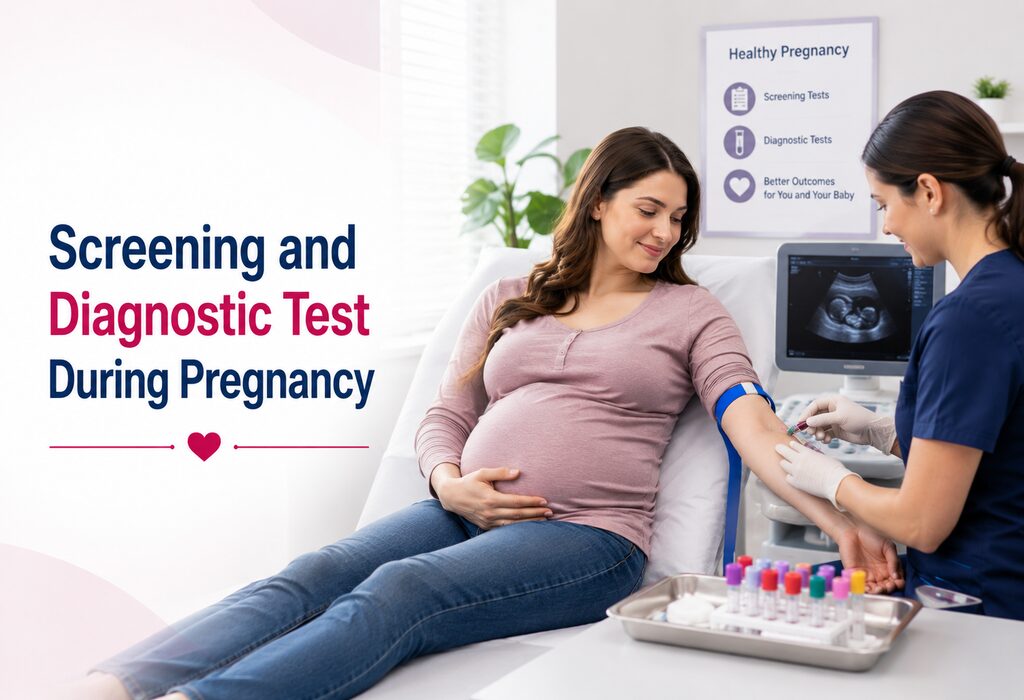
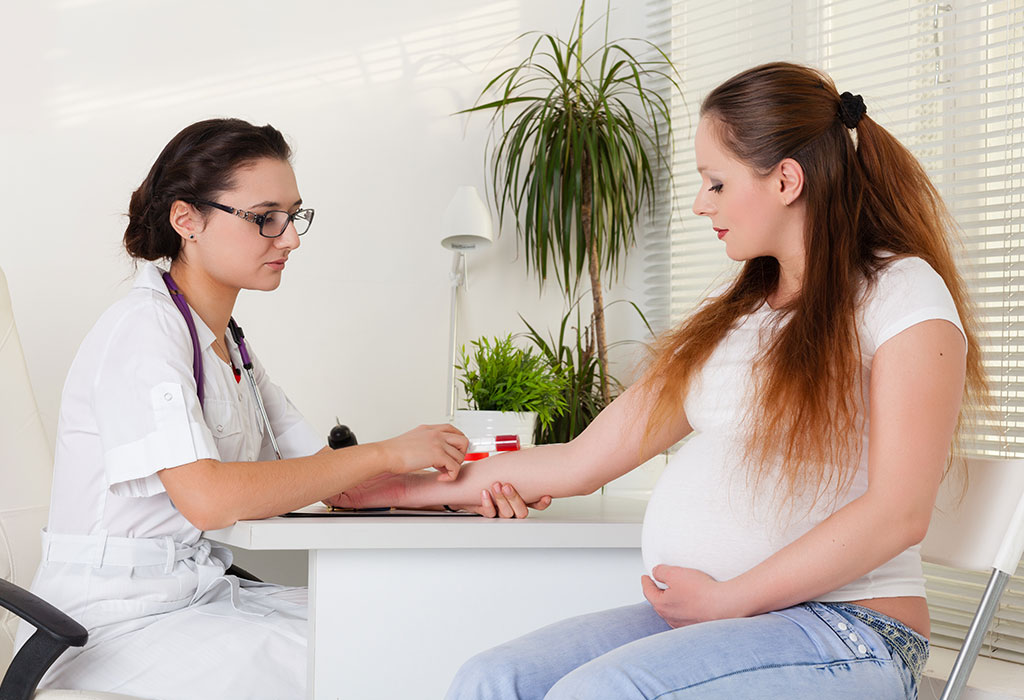
A few millilitres of blood is taken from your body for testing. This blood is taken from the finger or any other part of the body. A sterilised needle or cutting instrument (lancet) is used to puncture the skin to collect the blood. Once this is done, a treated bandage will be immediately applied to prevent any bleeding or infection (7).

Factors That Can Affect the Accuracy of TORCH Results
Several factors can influence how accurately the results reflect an infection, so a positive or negative finding should always be understood in the right context. Here are some common factors that can affect TORCH panel test results (7):
- Timing of the Test: Testing too soon after exposure may not detect an infection because antibodies may not have developed yet.
- Previous Infections: An earlier infection can leave antibodies in the body, which may affect how some results are interpreted.
- Recent Vaccination: Certain vaccines, such as the rubella vaccine, can influence antibody results.
- Laboratory Methods: Differences in testing methods, equipment, and laboratory procedures can sometimes lead to variations in results.
What Do the Test Results Mean?
For a TORCH test in pregnancy, symptoms such as pain during urination, rashes and fever are present for the person being tested. Mostly women from high-risk category groups are screened for this test.
The test is done by looking at a strip which can come back positive or negative. A negative reading means that there are no antibodies detected. This is good news and means that there is no infection. The TORCH test positive in pregnancy, on the other hand, is a little tricky as it must deal with two antibodies, namely IgM and IgG.
1. IgG
This antibody is the indication that an infection had taken place sometime in the past. To be on the safe side, a follow-up test will be conducted to see if the infection was recent. Avoid doctors that want to start a treatment plan for a positive IgG for toxoplasmosis as the body already contains the antibodies for a repeat infection. IgG is an indication of a past infection and no longer exists in the body (8).
2. IgM
This antibody indicates that the infection is either ongoing or was recent. However, it is not a sure shot assessment and further testing will be needed to verify the results (9).
3. IgM and IgG
This is a rare instance where the mother tests positive for both antibodies and can indicate that the mother has faced this infection sometime in the past.
A treatment plan will be initiated if there is an infection.
FAQs
1. How long does a TORCH test take?
The blood collection itself generally takes only a few minutes. The time needed to receive results can vary depending on the laboratory and the specific tests included.
2. Can a TORCH test detect an infection in the baby?
The TORCH test primarily checks the mother’s blood for evidence of infection or exposure. If there is concern about infection in the baby, the doctor may recommend additional tests or fetal monitoring.
The TORCH Screen test looks for antibodies developed by the body in response to the infection. These help in minimising any damage to the foetus. As newer tests which are more specific and sensitive are being developed, the TORCH test is becoming less popular.
Also Read:
Nonstress Test in Pregnancy
Pap Smear Test while Pregnant
Chorionic Villus Sampling (CVS) Test During Pregnancy
Was This Article Helpful?
Parenting is a huge responsibility, for you as a caregiver, but also for us as a parenting content platform. We understand that and take our responsibility of creating credible content seriously. FirstCry Parenting articles are written and published only after extensive research using factually sound references to deliver quality content that is accurate, validated by experts, and completely reliable. To understand how we go about creating content that is credible, read our editorial policy here.
1. Cleveland Clinic – TORCH Infections
2. American Journal of Obstetrics and Gynecology – TORCH tests and what they mean
3. Cleveland Clinic – Toxoplasmosis
4. Cleveland Clinic – Rubella (German Measles)
5. Cleveland Clinic – Cytomegalovirus (CMV)
6. Cleveland Clinic – Herpes Simplex Virus (HSV)
7. Lupin Diagnostics Limited – TORCH 10 Profile Test: Booking, Price, and Results
- Author


Related Articles
-

Eclipse and Pregnancy - Myths, Facts, and Precautions
-

Oily Skin During Pregnancy - Causes and Ways to Deal With It
-

What Allergy Medications Are Safe for Pregnancy?
-
Chorionic Villus Sampling (CVS): Test, Procedure, Risks & Results
-

Travelling During Pregnancy - Safety Tips & When to Avoid
-

Watching Horror Movies During Pregnancy - Safe or Not?