
How to Increase Haemoglobin (HB) during Pregnancy?




Key Takeaways
- Low haemoglobin levels during pregnancy increase the risk of preterm birth, low birth weight, and other complications.
- Maintaining good haemoglobin levels during pregnancy is essential for providing the fetus’s health and development.
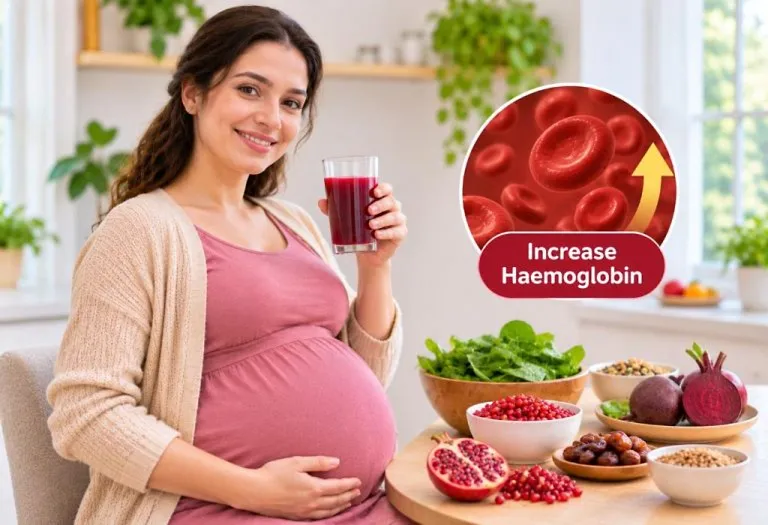
- Iron-rich dried fruits such as dates and prunes and vitamin C-rich fruits such as oranges, strawberries and kiwi help boost haemoglobin levels.
- Avoid drinking excessive tea, coffee, soft drinks, beer, or wine, as they hinder iron absorption.
Hemoglobin is a protein found in red blood cells, which carry oxygen to the rest of the body. During pregnancy, your body needs more haemoglobin to support the increased blood supply and meet your growing baby’s oxygen requirements. However, increased blood volume and higher iron demand can lower haemoglobin levels, increasing the risk of anaemia. Low haemoglobin during pregnancy may lead to fatigue, weakness, dizziness, and other complications if left untreated. Read on to discover how to increase haemoglobin during pregnancy through dietary changes and appropriate medical care.
What Should Be the Normal Range of Hemoglobin During Pregnancy?
Here’s a quick table to understand the haemoglobin normal range in pregnancy, measured in grams per decilitre (g/dl) (13) (14):
| Trimester | Haemoglobin Level Considered Normal | Haemoglobin Level Considered Low | Haemoglobin Level Considered High |
| First Trimester | 11 g/dL or higher | Below 11 g/dL (3) | Above 13 g/dL |
| Second Trimester | 10.5 g/dL or higher | Below 10.5 g/dL | Above 13 g/dL |
| Third Trimester | 11 g/dL or higher | Below 11 g/dL | Above 13 g/dL |
How to Increase Hemoglobin Level in Pregnancy?
Increasing hemoglobin levels during pregnancy is essential for ensuring optimal oxygen supply to the mother and the developing fetus. Here’s what you can do to improve your hemoglobin levels during pregnancy.
Eat Healthy Foods
If your hemoglobin is not too low, you can boost it by making a few dietary changes and exercising daily. For those wondering what to eat to increase hemoglobin during pregnancy, the answer lies in a diet rich in Vitamin B, Vitamin C, iron, and folic acid. Here are some specific foods to include in your diet:
1. Leafy Vegetables
Green vegetables, especially leafy greens rich in iron content, are a guaranteed way of increasing Hb in pregnancy. You can benefit from eating iron-rich foods if your hemoglobin levels are low. Iron helps produce hemoglobin, which helps form red blood cells. Some iron-rich foods and herbs you can eat while pregnant include spinach, kale, broccoli, coriander, mint and fenugreek (1). Green leafy vegetables are also rich in vitamins and nutrients essential for pregnancy. So make them a part of your daily diet.
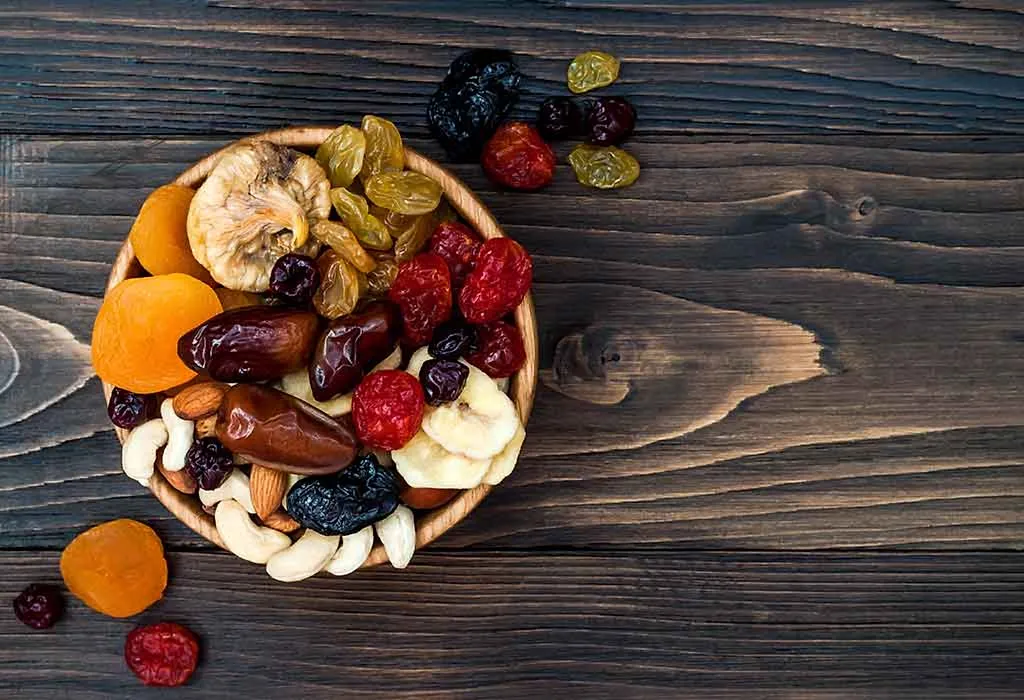
2. Dry Fruits and Nuts
Dates and figs are high in iron and can help increase hemoglobin levels. Other dry fruits and nuts you can eat daily include walnuts, raisins, and almonds, which can also help during pregnancy.
3. Pulses
Pulses are packed with iron and protein. You can eat pulses by adding them to salad or soups. You can even add them to bread for better results. Peas, lentils, and beans are rich in vitamins, minerals, fibre, iron, and protein. Hence, they should make a balanced diet for pregnant women.
4. Asparagus
Asparagus is rich in iron (11). If you want something light and easy to digest, you can have a hot cup of asparagus soup. You can also add sesame seeds to the soup for more iron.
5. Fresh Fruits
Eating fresh fruits like pomegranates and oranges can also increase hemoglobin levels during pregnancy. Pomegranates are very rich in iron, and oranges are rich in Vitamin C, which helps boost the body’s immune system and, in turn, hemoglobin levels. Other fruits like kiwis, peaches, grapefruit, and guavas are also excellent sources of iron and can increase hemoglobin levels in pregnancy. But it would help if you spoke to your nutritionist or doctor before eating these fruits during pregnancy.
6. Vegetables Rich in Folic Acid
Folate, or folic acid, is a type of Vitamin B and a water-soluble vitamin that helps prevent neural tube defects during pregnancy. This vitamin plays an essential part in the production of hemoglobin. You can eat corn, bananas, turnips, sprouts, avocado, lettuce, okra, etc., as they are rich in folic acid to meet your folic acid requirements.
7. Smoothie
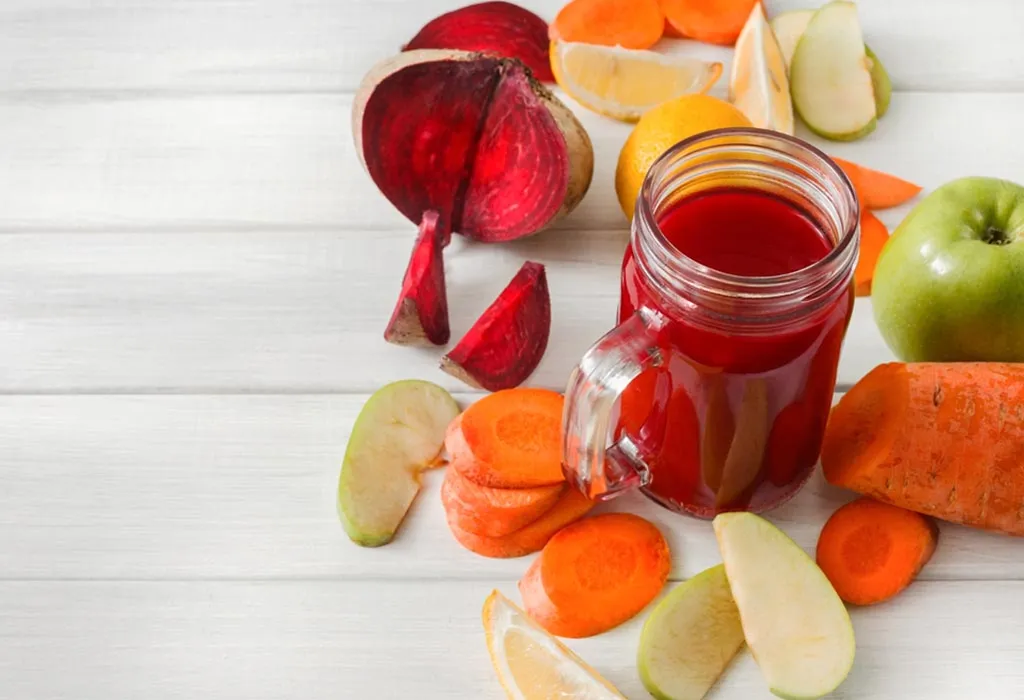
You can drink a smoothie made of apples, beetroot, and carrots (4). Drinking this smoothie can increase your hemoglobin levels during pregnancy.
8. Seeds
You can also eat some seeds rich in iron, like pumpkin seeds, almond seeds, and sunflower seeds. Eating these can help improve your hemoglobin levels during pregnancy.
Take Dietary Supplements
If your hemoglobin levels are low during pregnancy, your doctor may prescribe certain medicines and injections to increase them. Taking dietary supplements can also help improve hemoglobin levels during pregnancy.
- Folic acid and Vitamin B12 deficiency might result in low hemoglobin levels (8). If you have a folic acid or Vitamin B12 deficiency, you can take supplements after consulting your doctor.
- If your body lacks iron, you should take iron supplements (7).
- Consuming foods rich in iron is important, but you should also consume foods that help absorb iron. If you don’t eat foods rich in Vitamin C that help absorb iron, you must take Vitamin C supplements. Vitamin C supplements can improve your body’s capacity to absorb iron. Consult your doctor if you need Vitamin C supplements.
Stimulate the Red Blood Cells
There are other different ways as well about how to increase hemoglobin in pregnancy for maternal and fetal well-being. Here’s what your doctor might suggest for stimulating red blood cells.
- If you have chronic diseases, it might result in low hemoglobin levels. It might be suggested that iron pills and vitamins increase your hemoglobin levels.
- When nothing works, your doctor may give you haemoglobin injections during pregnancy. Synthetic erythropoietin injection can help in the production of red blood cells (6).
Exercise
One of the simplest ways to increase your hemoglobin levels naturally during pregnancy is to exercise. When you exercise, your body produces more hemoglobin to meet the increasing demand for oxygen. After consulting with your doctor, you can start with moderate-intensity workouts. Avoid high-intensity workouts during pregnancy, as these can be injurious. You can also try pranayama like shitali pranayama, nadi shodhan pranayama, or kapal bhati to improve your hemoglobin count (5).
Consider Steroid Treatments
Steroid treatment should be your last resort. Steroid treatment is prescribed to a woman when her immune system forces her to have a low level of hemoglobin. In this case, healthy RBCs are destroyed by the immunity cells. To combat this, a woman will be prescribed an immune system suppressant. This medical condition is known as hemolytic anaemia (12). However, steroid treatments are considered in sporadic cases, such as the case of a compromised immune system and under a doctor’s supervision. You must check with your doctor before opting for this treatment.
These are some ways to improve hemoglobin levels during pregnancy. However, there is one thing that you should avoid to prevent your hemoglobin levels from dropping.
Avoid Iron Blockers
If your hemoglobin count is low, avoid foods and beverages blocking your body’s ability to absorb iron to improve Hb levels during pregnancy. For example, stop drinking tea, coffee, soft drinks, beer, and wine (10).
When to Contact a Doctor?
While experiencing fluctuations in hemoglobin levels is common during pregnancy, certain signs and symptoms may warrant medical attention to ensure maternal and fetal well-being. Here are some indicators to keep in mind:
- Persistent fatigue or weakness
- Shortness of breath, especially at rest
- Dizziness or lightheadedness
- Rapid or irregular heartbeat
- Pale skin or nail beds (9)
- Frequent headaches or difficulty concentrating (2)
FAQs
1. What causes fluctuations in hemoglobin levels during pregnancy?
Hormonal changes and increased blood volume are common causes of hemoglobin fluctuations during pregnancy.
2. Is it normal to experience fatigue during pregnancy due to hemoglobin changes?
Fatigue is a common symptom of fluctuating hemoglobin levels during pregnancy as the body adapts to increased demands.
3. Can diet alone help maintain adequate hemoglobin levels during pregnancy?
While a balanced diet rich in iron and other nutrients are essential, some women may require supplements to maintain optimal hemoglobin levels during pregnancy.
4. Should I be concerned if my hemoglobin levels drop significantly during pregnancy?
Significant drops in hemoglobin levels may indicate anaemia, which can adversely affect maternal and fetal health. If you notice a significant decrease, consult a doctor.
5. What are the symptoms of low hemoglobin during pregnancy?
The common signs of low levels of haemoglobin in pregnancy include cold hands and feet, shortness of breath, fealing weak or dizzy, persistent tiredness, feeling mentally exhausted, and frequent headaches.
6. What happens if my hemoglobin levels are high in pregnancy?
High hemoglobin levels in pregnancy could be a reason for preterm birth, gestational diabetes, and low birth weight. Your doctor will suggest appropriate treatment to deal with elevated hemoglobin levels in pregnancy.
Low hemoglobin levels can cause weakness and anaemia. Hence, increasing hemoglobin for pregnant ladies is essential for the health of the mother and the baby. Boosting hemoglobin during pregnancy requires careful attention to dietary choices and supplements. After consulting with your doctor, try these ways to improve your hemoglobin levels.
References/Resources:
1. UCSF Health – Anemia and Pregnancy
2. American Society of Hematology – Anemia and Pregnancy
6. National Library of Medicine – Erythropoietin Stimulating Agents
8. American Society of Hematology – How I treat anemia in pregnancy: iron, cobalamin, and folate
9. Cedars Sinai – Anemia in Pregnancy
10. World Health Organization – Anaemia
11. The University of New Mexico – Avoid Anemia: Tips to Get More Iron in Pregnancy
12. National Heart, Lung, and Blood Institute – Hemolytic Anemia
Also Read:
Sickle Cell and Pregnancy
Thalasemmia during Pregnancy
How to Naturally Increase Progesterone to Get Pregnant
Human Chorionic Gonadotropin (HCG) Levels in Pregnancy
Was This Article Helpful?
Parenting is a huge responsibility, for you as a caregiver, but also for us as a parenting content platform. We understand that and take our responsibility of creating credible content seriously. FirstCry Parenting articles are written and published only after extensive research using factually sound references to deliver quality content that is accurate, validated by experts, and completely reliable. To understand how we go about creating content that is credible, read our editorial policy here.
- Author


Related Articles
-

9 Essentials to Make Those Nine Months of Pregnancy Easier
-

Pelvic Rest during Pregnancy: What It Means & Benefits
-

30 Best Sibling Pregnancy Announcement Ideas
-

Belly Dancing in Pregnancy – Safety, Benefits, and Precautions
-
Dehydration During Pregnancy: Signs, Risks & Treatment
-

Cycling in Pregnancy – Safety, Benefits, and Risks