
Rhinitis in Pregnancy: Causes, Symptoms, and Home Remedies





Key Takeaways
- Pregnancy rhinitis can make breathing difficult due to swelling inside the nasal passages.
- It commonly develops during the second or third trimester and usually resolves within two weeks after delivery.
- Saline irrigation, nasal strips, steam from a warm shower, and proper hydration may help relieve symptoms.
- Avoid smoke, dust, and other nasal irritants that can worsen congestion.
Pregnancy rhinitis is a condition in which hormonal changes during pregnancy cause nasal swelling, congestion, and persistent stuffiness, making it difficult to breathe comfortably. A study published in the International Forum of Allergy & Rhinology reported that rhinitis in pregnancy affects approximately 22% of pregnant women (1).
If you’re experiencing a stuffy nose during pregnancy without having a cold or allergies, pregnancy rhinitis could be the reason. Understanding its causes, common symptoms, and safe home remedies can help you manage stuffy nose and pregnancy-related discomfort. Let’s look at what brings it on and how you can find relief.
What Is Pregnancy Rhinitis?
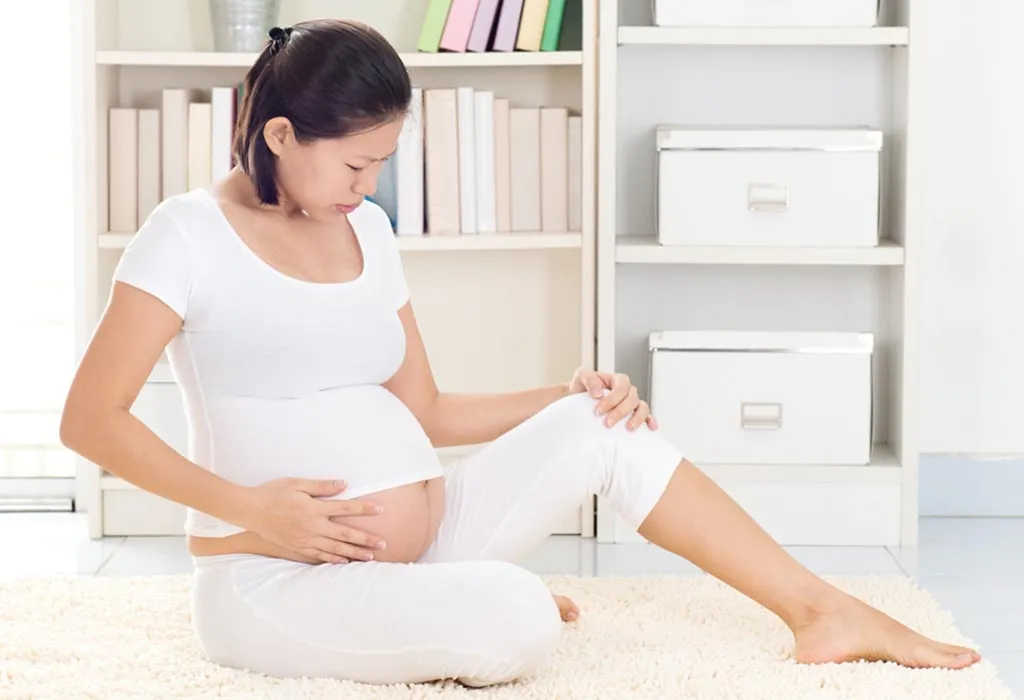
Pregnancy rhinitis is nasal congestion or a stuffy nose that develops during pregnancy, usually without an underlying cold, flu, or allergy. It happens when hormonal changes, particularly increased estrogen levels, cause the blood vessels and tissues inside the nose to swell, leading to a blocked or runny nose, sneezing, and difficulty breathing comfortably (2).
When Does Pregnancy Rhinitis Usually Begin?
Pregnancy rhinitis can begin at different stages of pregnancy, but it typically develops during the second or third trimester. Symptoms may continue until delivery and usually disappear within two weeks after childbirth (3).
Causes of Rhinitis in Pregnancy
Pregnancy Rhinitis is believed to be primarily caused due to changes in the hormones of an expecting mother. However, there may be other factors that may contribute to its occurrence. Here are some of the believed causes for pregnancy rhinitis (4):
1. Allergies
Allergic reactions tend to have the same symptoms as rhinitis during pregnancy. For pregnant women, their rhinitis may be triggered for similar reasons, such as seasonal allergies or allergies to something in particular.
2. Blood Volume
Along with a change in hormones, the volume of blood in pregnant women may increase. These changes in the body during pregnancy may trigger a bout of pregnancy rhinitis.
3. Smoking
Smoking is another potential cause for triggering pregnancy rhinitis. This is not only possible if a pregnant woman smokes, but being exposed to secondhand smoke or coming into regular contact with someone who smokes may also be contributing factors.
Symptoms of Pregnancy Rhinitis
Our bodies work in unique ways. Not every woman will experience pregnancy rhinitis the same way, nor will everyone suffer from the same symptoms. One early sign of pregnancy rhinitis is a “stuffy” feeling that could start congestion. Despite this, there are some symptoms that most women with pregnancy rhinitis experience. They are as follows (2):
- Stuffy or congested nose
- Runny or itchy nose
- Sneezing and coughing
- Post-nasal drip, where excess amounts of mucus drip down the back of the throat
- An increased feeling of pressure in the ears and may sometimes cause ear infections
- Disturbed sleep
- A compromised sense of smell
- Worsening of the symptoms of asthma
- Triggered sinusitis and headaches
- Eyes that are swollen, watery or itchy
How to Diagnose Rhinitis When Pregnant?
Before your doctor can inform you on whether or not you are suffering from pregnancy rhinitis, you will need to be checked for other potential causes of the symptoms. Only once every other possible cause is ruled out may your doctor be able to diagnose you with pregnancy rhinitis safely. Your doctor will have a few questions and consent to have a few tests run, required to rule out anything like a viral or bacterial infection, sinusitis, and even allergies.
If you have never been tested for allergies before, your doctor may refer you to someone specialising in allergies. This will ensure a proper result and aid in ruling out, or identifying, allergies as the cause of your symptoms. Once your doctor can diagnose your condition, you will move forward to safe ways of getting treatment.
Treatment for Pregnancy Rhinitis
Pregnancy Rhinitis generally goes away on its own after running its course. However, if the symptoms are proving to be too difficult to manage, here are some of the pregnancy rhinitis treatment that may be used after consulting with your doctor (5):
1. Nasal Strips
Some nasal strips work very well in keeping the nasal passage open, making breathing a bit easier. This proves especially helpful if breathing is difficult at night, preventing you from getting a good night’s sleep.
2. Saline Irrigation
Using saline irrigation does not have any known side effects and can clean out the nasal passage. Just put the solution into one nostril, and it will drain out the other one.
3. Medical Treatment
The doctor may prescribe certain types of medication based on the severity of your condition. One of the safe options that doctors may prescribe is the use of antihistamines. This may help in drying up the mucus in the nasal passageways.
Home Remedies for Rhinitis While Pregnant

Some safe ways will help you find more comfort, and these can be done right at home. Consult the doctor about any home remedy that you are not sure of. Some pregnancy rhinitis remedies that will help treat some of the symptoms include:
1. Ginger Tea
Have a cup of hot ginger tea to help fight the symptoms of pregnancy rhinitis. Ginger is good for bringing relief as it contains anti-inflammatory properties. A cup made with fresh ginger and honey first thing in the morning can work wonders (6).
2. Consume More Vitamins
Consuming vitamin C will help with lessening nose bleeds (7).
3. Steam Inhalation
Steam inhalation is well known for being able to help relieve congestion in the nasal passage. Just remember to cover your head with a towel to allow the steam to travel to you and prevent it from spreading out across the room. This will help to improve the effectiveness of the treatment.
4. Blow Your Nose
Place a finger on one of your and hold it closed. Then, blow gently out of the other one. This will help clear the nostril passages one at a time by forcing all the air out only through one side. Do the same for the other nostril.
5. Exercise
Making it a habit to do a few light exercises every day can help clear out the passages. Cardiovascular exercises are great if you want to improve the flow of air and get better sleep. Exercising outside may cause more irritation if the air is not clean or allergic to something like pollen (8).
6. Elevate Your Head
Instead of sleeping flat, raise your pillows to raise the upper torso and head halfway to a seated position. This will help you to breathe better and help you to get better sleep (8).
7. DIY Nasal Lavage
You can safely make your nasal lavage at home. All you need is a tablespoon each of baking soda and salt, as well as one pint of sterile water. Once you have mixed everything well together, you need to pour a little onto the palm of your hand and then sniff it into each of your nostrils in turn. Do this until you feel a sense of relief. You can repeat this three times a day, but make sure that you make a fresh batch each time you do it. Throw out any remaining product after each use.
8. Keep Hydrated
Keep yourself hydrated well, either by drinking water or by consuming enough citric juice per day. This also means giving up caffeine as it can dehydrate the body. By keeping yourself well hydrated, you will help your body reduce any congestion you may have.
9. Use a Humidifier
Humidifiers and vaporizers may help increase the moisture level in your room. Just use them at night while sleeping, and you may find yourself sleeping better. Just make sure to keep your humidifier clean and change the water every day. This helps to prevent unwanted bacterial growth that could worsen your problems (8).
10. Acupressure
By applying the right amount of pressure at certain points, you may be able to reduce congestion and mucus. Gently press the bridge of your nose and around your eye sockets for about five minutes. It is best to use your thumbs for this.
11. Consume Horseradish Concoction
You can make your concoction using the healing horseradish. Horseradish is believed to be able to improve your immunity and help to fight against bacteria. Finely chop some apples and horseradish, and then mix the two with a bit of sugar. Two tablespoons a day of this will be able to provide relief from congested or stuffed noses (9).
12. Avoid Irritants
Things such as strong-smelling agents, paints, alcohol, and smoke can irritate the respiratory system, causing your condition to worsen. Avoid them, and the healing process will be improved.
How Long Does Pregnancy Rhinitis Last?
Pregnancy rhinitis does not have a fixed time limit. Everyone experiences it differently, and while some may experience it throughout pregnancy, others may find that it comes and goes throughout. Generally, it is said to last for about six weeks or more (3).
When it comes to the condition, pregnancy rhinitis third trimester may be the most uncomfortable time as some expecting mothers may experience a worsening of their condition as their pregnancy progresses. Pregnancy rhinitis will always clear up around two weeks after you have given birth.
When to Contact a Doctor and What to Expect?
Although pregnancy rhinitis is usually harmless, persistent or worsening symptoms should not be ignored. Consult your doctor if you experience (2):
- Severe or worsening nasal congestion.
- Symptoms persisting beyond two weeks after delivery.
- Difficulty sleeping, persistent snoring, or breathing discomfort.
- Fever, facial pain, severe headache, or thick nasal discharge.
- Before taking any medication or using nasal sprays during pregnancy.
Your doctor may recommend the following to understand the cause of your symptoms:
- Medical history: Your doctor will ask about your symptoms, how long you have experienced them, existing allergies, and any medications you are taking.
- Physical examination: Your nose, throat, ears, and airways may be examined to check for swelling, inflammation, or signs of infection.
- Allergy testing: Skin or blood tests may be recommended if your doctor suspects allergic rhinitis.
- Additional investigations: Throat or nasal swabs may be suggested if an infection is suspected. Imaging tests are generally considered only when necessary and with appropriate pregnancy-related precautions.
- Treatment recommendations: Depending on the findings, your doctor will suggest pregnancy-safe treatment options to help manage congestion and other symptoms.
FAQs
1. Can rhinitis during pregnancy affect my baby?
Rhinitis during pregnancy typically does not harm the baby. However, if stuffy nose in pregnancy leads to reduced oxygen intake or affects sleep quality, it is essential to consult a healthcare provider for appropriate management.
2. Can hormonal changes from rhinitis during pregnancy trigger nosebleeds?
Yes, hormonal changes causing increased blood flow to the nasal passages can sometimes make the blood vessels more fragile, leading to occasional nosebleeds in individuals with pregnancy rhinitis.
3. Is pregnancy rhinitis linked to an increased risk of snoring or sleep apnea?
Yes, pregnancy rhinitis can lead to nasal obstruction, which may contribute to snoring or mild sleep apnea, especially in the later stages of pregnancy. This can impact sleep quality and should be monitored closely.
4. Is pregnancy rhinitis the same as allergic rhinitis?
No, pregnancy rhinitis is mainly associated with hormonal and physiological changes during pregnancy, whereas allergic rhinitis occurs when your immune system reacts to allergens such as dust, pollen, or pet dander. Both conditions can cause sneezing, a runny nose, and nasal congestion.
5. What can I do to relieve a blocked nose at night during pregnancy?
If you’re pregnant with blocked nose at night, try using a saline nasal spray, taking a warm shower before bed, and sleeping with your head slightly elevated. Keeping your bedroom air comfortably humid and staying hydrated may also help ease nasal congestion and improve sleep.
This was all about pregnancy and rhinitis. A good way to avoid triggering pregnancy rhinitis and help heal faster is to make sure to eat well, stay hydrated, and set aside some time every day to do a little exercise. If you have never exercised before or are not sure what you can do while pregnant, you can always ask your doctor to help you come up with an exercise routine or find an expert to help.
References/Resources:
1. PubMed Central – Rhinitis and pregnancy: literature review
2. Cleveland Clinic – Pregnancy Rhinitis
3. PubMed Central – International Consensus Statement on Allergy and Rhinology: Allergic Rhinitis
5. PubMed – Medical management of rhinitis in pregnancy
6. Cleveland Clinic – Why Ginger Offers Health Benefits
7. Apollo Specialty Hospitals – Top 10 Home Remedies for Nose Bleeding
9. Cleveland Clinic – 4 Health Benefits of Horseradish
Also Read:
Lupus in Pregnancy
Sepsis While Pregnant
Jaundice in Pregnancy
Pregnancy Nose Swelling
Was This Article Helpful?
Parenting is a huge responsibility, for you as a caregiver, but also for us as a parenting content platform. We understand that and take our responsibility of creating credible content seriously. FirstCry Parenting articles are written and published only after extensive research using factually sound references to deliver quality content that is accurate, validated by experts, and completely reliable. To understand how we go about creating content that is credible, read our editorial policy here.
- Author

Related Articles
-

Travelling During Pregnancy - Safety Tips & When to Avoid
-
Normal, Low and High Cholesterol Levels During Pregnancy
-

Sleeping Positions for Third Trimester Pregnancy
-
Spider Veins during Pregnancy - Causes, Remedies & Prevention
-

Upper Back Pain During Pregnancy - Causes & How to Relieve It
-

Calorie Intake During Pregnancy: Nutrition Needs & How Much to Eat