
Prenatal Yoga (Yoga During Pregnancy) – Poses, Benefits, and Tips




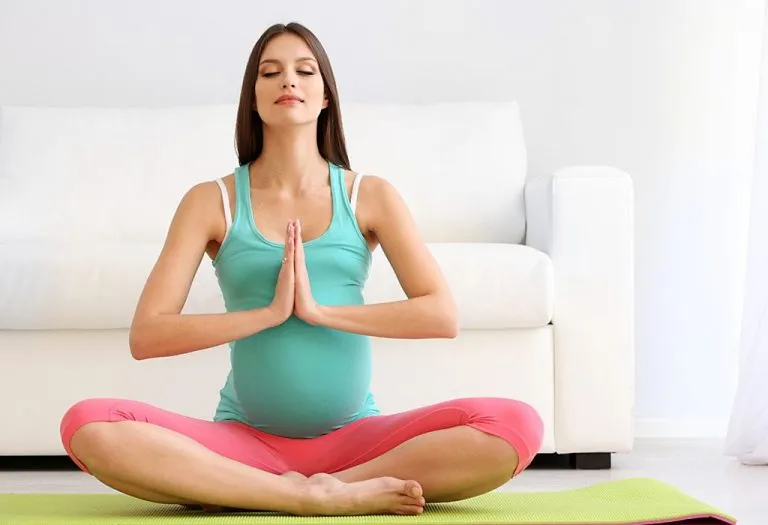
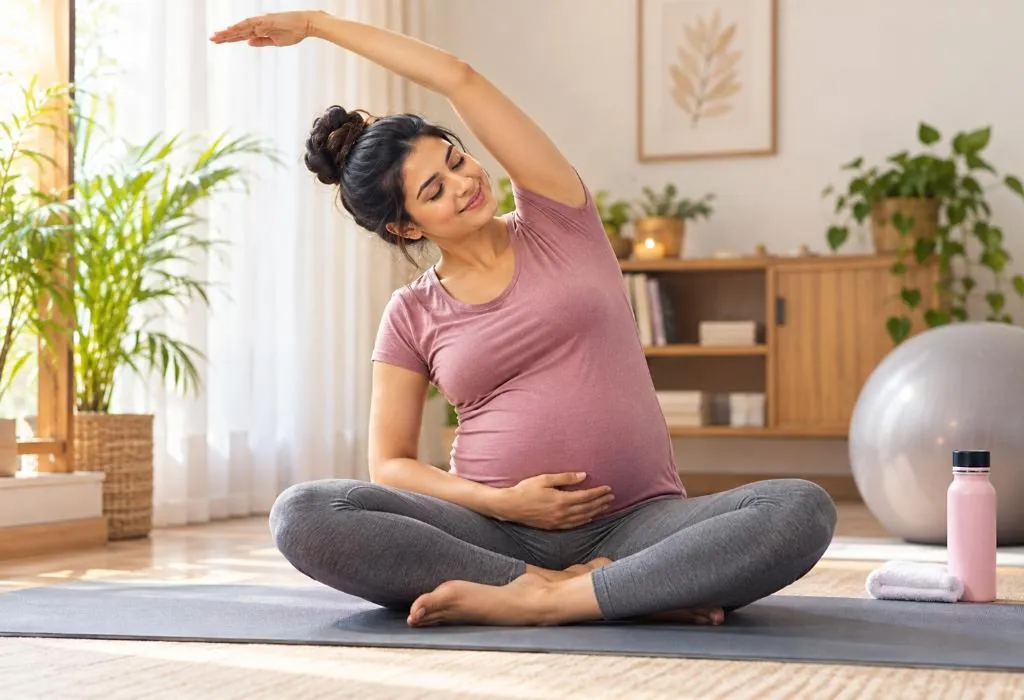
Pregnancy brings several physical and emotional changes, making it important to find ways to stay active while taking care of your body and growing baby. Maternity yoga is a gentle form of exercise that can help expectant mothers maintain flexibility, improve strength, manage stress, and prepare their bodies for childbirth. However, not every yoga pose is suitable during pregnancy, so it is important to make a few adjustments as your body changes. If you are exploring yoga and pregnancy, consider joining a prenatal yoga class led by a qualified instructor. These classes include modified poses, breathing techniques, and relaxation exercises designed to meet the needs of pregnant women.
Is It Safe to Practise Yoga While Pregnant?
Yes, you can safely practise yoga during pregnancy. In fact, Harvard Health Publishing and Tommy’s say that prenatal yoga is typically a gentle form of exercise and it is an easy way to keep active during pregnancy (1) (2).
It is one of the best benefits of yoga during pregnancy to help you relax and adjust to the physical demands of pregnancy, labour, birth, and motherhood (3). Yoga calms the mind and body, providing the physical and emotional stress relief which your body needs throughout pregnancy. A lot of women also practice prenatal yoga for normal delivery in pregnancy.
Benefits of Yoga for Pregnant Women
Prenatal yoga is good for the mother and the baby as it involves a multidimensional approach to exercise which includes stretching, focusing on the breathing and calming the mind. Here is a list of benefits that prenatal yoga provides.
- Reduces physical and emotional stress (4)
- Improves sleep
- Reduces headaches
- Decreases lower back pain and sciatic pain (5)
- Decreases nausea
- Reduces risk of preterm labour
- Reduces the risk of intrauterine growth restriction, which is a condition that slows the baby’s growth
- Reduces the chances of carpal tunnel syndrome or pain in the hand and fingers caused by nerve compression
- Breathing exercises help prepare you for labour
- Boosts the strength, endurance and flexibility of the mother
Safe Yoga Poses for Pregnant Women
Here is a list of poses which are considered safe for pregnant women. Please see the section on effective yoga poses during pregnancy for an in-depth understanding of safe yoga asanas for each trimester.
- Butterfly stretch
- Cat-Cow
- Cobra (in the first trimester only if comfortable)
- Seated forward bend (with modifications)
- Side-angle pose
- Standing forward bend (with chair for modification)
- Triangle pose (with chair for modification)
What Is the Best Time to Begin Yoga in Pregnancy?
The best time to begin yoga during your pregnancy is in your second trimester, which begins after 15 weeks of pregnancy.
Your prior health history before beginning with the exercises is important. Those new to yoga and trying it out for the first time during their pregnancy must get it approved by the doctor. This is because the first three months of pregnancy are the most crucial, as the chances of a miscarriage are high. This is the reason why utmost caution is important, especially during the first trimester. It might not seem so since the bump isn’t very visible, but yoga for early pregnancy and pre-pregnancy yoga also require a lot of care and guidance.
In the case of an IVF pregnancy, some yoga teachers recommend waiting till about 20 weeks before starting the classes, but the relaxation and light breathing exercises can be practiced at any time.
How to Practise Yoga During Pregnancy?
During pregnancy, a qualified yoga instructor can guide you much better than any DVD or Youtube video can. Here are some guidelines to keep in mind when considering and practising yoga during pregnancy:
- Prenatal yoga classes are preferable. If you prefer to continue with your regular yoga classes, make sure to tell your yoga instructor that you are pregnant and make them aware of which trimester you are in.
- The body’s centre of gravity shifts after the second trimester, so make sure to use some form of support for exercises that involve balancing on your heels or toes.
- When you bend forward, hinge from the hips, leading with the breastbone and extending the spine from the crown of the head to the tailbone. This will make breathing easier for you as it gives the ribs more space to move.
- Make sure to keep the pelvis in a neutral position during the postures by engaging the abdominal muscles and slightly tucking the tailbone down. This can help in preventing sciatic pain which a lot of women suffer from during pregnancy.
- When you have to perform postures that involve twirling, make sure to twist more from the shoulders and the back rather than the waist, which will avoid any unnecessary pressure on your bump. Do not make any sudden or deep twists.
- When practising yoga during pregnancy, listen to your body, and stop immediately if you experience any discomfort. The postures should also be adjusted as per your changing mood and size of the bump.
- Avoid any asana that requires upside-down or inverted postures, like headstands, handstands or shoulder stands.
First Trimester Yoga Asanas
The first trimester of pregnancy is when the developing foetus needs the most protection. Here are a few asanas you can safely do during this period:
1. Tadasana or the Mountain pose
This is a known prenatal yoga for back pain and strengthening of the spine.
How to Perform
- Stand with your feet spread out. Match the position of the feet to the width of your hips
- Make sure to keep your spine erect. Rest your hands on the side of the body and ensure the palms face the thighs
- Stretch your hands and make a Namaskar Mudra
- Straighten your spine while taking a deep breath. Lift your hands above your head at the same time as you inhale
- Stretch your spine as much as possible. But make sure there is no pressure on your back
- The next step is to tilt your head backward and keep your eyes on the fingertips
- Hold the pose and slowly count to 10. Don’t forget to deeply breathe in and out as you do so
- Exhale deeply, relax your body and bring your feet back to the floor
- Rest your hands with palms on the side of the thighs
2. Marjariasana or Cat Pose
This pose is advisable only in the first trimester of the pregnancy, and should be avoided after 26 weeks. It helps improves blood circulation, and also strengthens the shoulders and the wrists.
How to Perform
- Bend down on the floor, and go on all fours like a cat
- Make sure to keep your head straight
- Inhale deeply and lift your chin. Simultaneously, push back your head a bit
- Keep your buttocks firm till you feel a tingling sensation
- Hold the pose for about 30 to 90 seconds while breathing deeply
- Breathe out and bring your chin as close as you can to your chest
- Relax the muscles of the buttocks and arch the back as much as comfortably possible
- Hold this pose as you count to 10. Return to the first position
3. Uttanasana or Standing Forward Bend
Forward bends are not usually advocated during pregnancy, but this one is an exception and is good for the legs and the back.
How to Perform
- Stand straight with your feet 3 inch apart from each other
- Rest your hands on the side of the body with your palms facing the thighs
- Inhale deeply and bring your hands above your head with your palms spread out
- Exhale and bend forward as you breathe out
- Simultaneously, also fold your hands in the Namaskar mudra
- Hold the pose and count till 10 or 15. Continue breathing normally and do not hold your breath
- Now take a deep breath, relax and come back to the first position
4. Shavasana or Corpse Pose

This is the cooling off pose which is perfect to calm down and relax the body after the physical activity. After the first trimester, it is advisable to lie on your side while doing Shavasana.
How to Perform
- Lie down with your back on the floor
- Close your eyes
- Relax your body and mind. Take your time to think happy thoughts and let go of negativity. Take your time while you do this. Breathe normally and do not hold your breath
- After a while, stand up straight
- This asana marks the end of a yoga workout and works well to cool off the body
Second Trimester Yoga Asanas
As your belly pops and weight increases, you movements may be limited, and you need to practice asanas which do not put any strain on your belly. Here are a few asanas you may safely perform in the second trimester.
1. Virbhadrasana or Warrior Pose

This pose benefits the whole body and is good for strengthening it.
How to Perform
- Stand erect with your feet together
- Place your hands on either side with palms facing your body
- Spread your feet and match it to the width of your hips
- With your left foot on the ground and turn your torso to the right
- Bend your right knee forward
- Take a slow, deep breath and slowly lift your hands above your head. The palms should be joined together over your head in the Namaskar mudra
- Stretch backwards, but make sure to do so without exerting your back. Look up and fix your gaze on your fingers
- Now hold the pose for a count of 10 while breathing normally. Do not hold your breath
- Now exhale slowly while bringing your hands down
- Straighten your knee
- Slowly join your feet back together
- Repeat the same steps on the other side
2. Meru Aksharshanasan
This asana helps in relaxing your abdominal muscles, inner thigh, and hamstring muscles. It also stretches the muscles on the side of the body. As your baby grows and takes up more space, this asana helps your body accommodate easily.
How to Perform
- Lie on the right with the left leg on the right leg
- With your elbow on the floor, support your head on the right palm
- Place your left arm on your left thigh
- Raise your left leg as high as possible and grasp the big toe with the left hand
- Repeat on the other side
3. Utthanasan

This asana strengthens the muscles which are going to be strained as your weight increases, and also prepares you for delivery. The middle back, thighs and ankles and uterus are exercised here
How to Perform
- Stand with feet about one metre apart and toes facing outward
- Lace fingers of both hands together and let your arm hang loosely in front of you
- Squat slowly and return to standing position
4. Vajrasan

This asana relieves a common complaint during pregnancy- digestive problems. It also increases blood supply to the pelvic area and strengthens pelvic muscles, thus helping in labour
- Kneel on the floor with your big toes together and heels apart
- Lower your buttocks to the floor with the heels touching the sides of the hips
- Keeping your back and head straight, place your hands on your knees with palms facing down
Third Trimester Yoga Asanas
1. Pranayam

An important part of third trimester practice, Pranayam helps relax and concentrate while focusing on rhythmic breathing
How to Perform
- Sit comfortably, preferably in a cross-legged pose
- Inhale deeply through your left nostril as you close your right nostril with your right thumb
- Use the ring finger on your right hand to close the left nostril as you release the right nostril and exhale
- Reverse
- Repeat cycle 10 times
2. Utkatasana
A combination of stretching and breathing, this asana prepares you for contractions by helping you focus on your breathing.
How to Perform
- Stand straight and inhale as you raise your arms until they are perpendicular to the floor
- With your back against a wall, exhale and bend your knees until torso is perpendicular to the tops of the thighs.
- Hold for 60 seconds, inhale and return to standing position
3. Trikonasana or Triangle Pose

This is a great asana to ease digestive troubles related to pregnancy and also improves the flexibility of the hips.
How to Perform
- Stand erect and keep your feet joined together
- Rest your hands on either side of the body. Make sure your palms are facing your thighs
- Slowly spread your legs. Make sure the toes of both your legs are parallel to each other
- Lift your hands, while the palms facing the floor. Your hands should be aligned with your shoulders
- Take a deep breath and bend towards your left. At the same time, lift your right hand up
- Tilt your head to the left and fix your gaze on the right hand fingertips
- Hold the position and count to 10 or 20. Continue breathing normally as you do so. Do not hold your breath
- Exhale slowly and lift your body up to come back to the first pose
- Repeat the same steps on the other side
4. Upavistha Konasana

This asana helps relieve lower back pain and creates space around the pelvis, thus preparing the body for delivery by opening the hip joints and releasing the lumbar spine
How to Perform
- Sit with your back straight and lean back slightly on your hands
- Open your legs to a 90-degree angle
- Press your hands firmly on the floor and slide your buttock forward, opening legs a little more
- Use a folded blanket if you are uncomfortable on the floor
10 Yoga Exercises to Avoid during Pregnancy
Here are the yoga postures that should be avoided by pregnant women, regardless of the trimester. They can have adverse side effects for the mother and the baby.
- Bow pose
- Cobra pose
- Shoulder stand or head stand
- Locust pose
- Seated forward bend
- Dancer pose
- Warrior pose
- Plow pose
- Corpse pose
- Camel pose
Safety Tips to Pursue Yoga for Pregnant Women
It has been established that yoga is safe for pregnant women; in fact, it is beneficial for the mother and child. But here are some safety tips that need to be kept in mind while practising prenatal yoga.
- Get a medical opinion before starting prenatal yoga. Consult your doctor who is handling your pregnancy.
- Be gentle. Exercise in moderation and never push yourself.
- Make sure to stay hydrated and practice in a well-ventilated room.
- Know which postures to avoid and bend, twist and turn with utmost care.
FAQs
1. Is prenatal yoga safe during all three trimesters of pregnancy?
Prenatal yoga for pregnancy is generally safe throughout pregnancy for women with uncomplicated pregnancies, given the poses are modified according to each trimester. However, consult your obstetrician before starting, especially if you have pregnancy-related complications or medical concerns. Avoid hot yoga, strenuous poses, and positions that cause discomfort.
2. When should I consult a doctor?
Whether it is yoga or any other pregnancy-safe exercise, stop it straight away and consult a doctor if you feel breathlessness, dizziness, chest pain, painful tightenings in the tummy, vaginal bleeding, faintness, muscle weakness, heart beating very fast, pain or swelling in the lower part of your leg, or leaking of water from vagina (6).
3. Which yoga should be avoided during pregnancy?
Pregnant women should avoid deep twists, intense backbends, poses that put pressure on the abdomen, and movements that increase the risk of falling. Prolonged lying on the back should also be avoided, particularly later in pregnancy. Hot yoga is not recommended because it can cause overheating (7).
Regular exercise during pregnancy not only makes sure you stay fit and helps ease labour but also aids recovery after delivery. What’s more, exercising during pregnancy is believed to be beneficial for the baby’s health too! So sign up for a pre-natal yoga class and enjoy the many benefits it has to offer.
References/Resources:
1. Harvard Health Publishing – Yoga in pregnancy: Many poses are safer than once thought
2. Tommy’s – Yoga in pregnancy
5. UT Southwestern Medical Center – Yoga and pregnancy: A safe, effective fitness option for moms-to-be
6. Tommy’s – When to stop exercising in pregnancy
7. American College of Obstetricians & Gynecologists – Exercise During Pregnancy
Also Read:
Exercises in Pregnancy
Yoga Poses for Vaginal Delivery
Butterfly Exercise during Pregnancy
Was This Article Helpful?
Parenting is a huge responsibility, for you as a caregiver, but also for us as a parenting content platform. We understand that and take our responsibility of creating credible content seriously. FirstCry Parenting articles are written and published only after extensive research using factually sound references to deliver quality content that is accurate, validated by experts, and completely reliable. To understand how we go about creating content that is credible, read our editorial policy here.
- Author


Related Articles
-

Motion Sickness During Pregnancy: Causes, Symptoms & Treatment
-
Back Pain During Pregnancy – Types, Reasons & Remedies
-

Second Trimester Exercises - What to Do and What to Avoid
-

Cute Baby Shower Cake Sayings and Wordings
-

Low Blood Pressure When Pregnant - Causes, Symptoms, & Treatment
-

Reading Stories to a Baby in the Womb - Reasons & Benefits