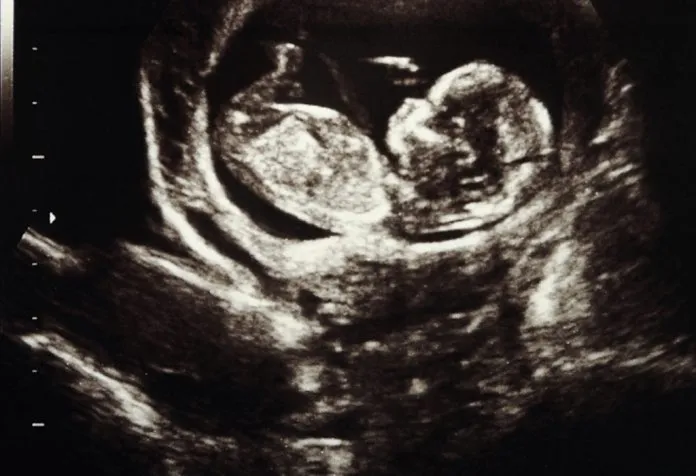

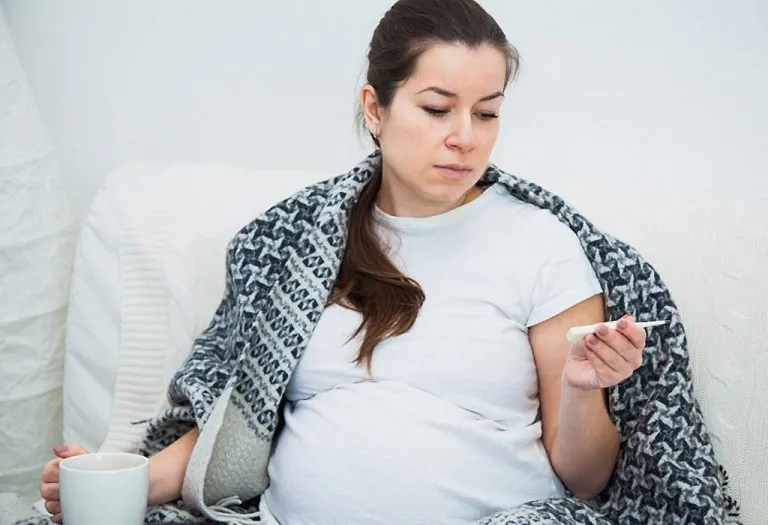
Fever During Pregnancy – Signs, Risks, & Treatment





Medically Reviewed By
Dr. Rima Sonpal
(Gynecologist/Obstetrician)

This health content has been medically reviewed by qualified experts and follows the FirstCry Parenting editorial policy to ensure accuracy and reliability.
Key Takeaways
- A temperature of 100.4°F (38°C) or higher during pregnancy requires prompt medical advice.
- Fever may result from infections such as UTIs, flu, and food poisoning.
- High or prolonged fever may increase the risk of pregnancy complications, particularly during early pregnancy.
- Paracetamol is generally the preferred fever-reducing medication during pregnancy, with medical guidance.
- Stay hydrated, get adequate rest, and seek medical attention rather than relying solely on home remedies.
Fever during pregnancy can be a sign of an underlying infection and should never be ignored, as a high or persistent temperature may pose risks to both the mother and developing baby. According to the CDC, pregnant women are three times more likely to be hospitalised with influenza than non-pregnant women of reproductive age (1).
But does every fever pose a risk during pregnancy? Not necessarily. Knowing what temperature is considered concerning, which symptoms need attention, and what treatments are safe can help you make informed decisions. Let’s look at the signs, risks, and ways to manage fever and pregnancy safely.
Can Fever Be an Early Sign of Pregnancy?
There’s a common saying that fever is a sign of early pregnancy. Is it? On a happier account, a fever could be a sign of pregnancy! However, fever alone isn’t a sign of pregnancy. In case there are other symptoms accompanying the fever, the hike in temperature is most likely a sign of it. Some of the other symptoms include (2):
- Morning sickness
- A rapid change in appetite
- Extreme mood swings
- Fatigue
- Headaches or migraines
- Constipation
- Diarrhoea
- Cramping
What Temperature Is Considered a Fever?
When the body temperature is compromised and is too high, it can be indicative of a fever. An average adult has a body temperature between 95 and 97 degrees Fahrenheit or between 38 and 38.5 degrees Celsius (3). The fever temperature for pregnancy is any temperature spike that exceeds this range.
What Causes Fever During Pregnancy?
During pregnancy, a number of other conditions could cause a fever. Some of these are (4):
- Urinary tract infections (UTIs)
- Gastrointestinal viruses (Stomach flu)
- Influenza, also known as the flu
- Upper respiratory infections, more commonly known as a cold
- Food poisoning
These conditions are common and can usually be treated by medication and rest. There are a few more serious conditions that a fever could indicate which are less common but could potentially be dangerous, and some of them are:
1. Septic Abortion
Septic abortion is a condition where the uterus becomes completely infected due to an abortion or medical and surgically treated miscarriages. Other potential signs of septic abortions include low blood pressure, difficulty breathing, difficulty excreting any stool or urine, low or high body temperature (5).
2. Listeria
This is a condition that is commonly caused due to the consumption of contaminated or expired foods. Women who are pregnant have weakened immune systems caused by extreme hormonal imbalances, which increase the risk of them getting affected by this condition. If left untreated, this condition could potentially lead to miscarriages, infections to the foetus or newborn, stillbirth, and premature delivery. A fever accompanied by nausea, diarrhoea, confusion, headaches, loss of balance, a stiff neck, and convulsions are signs of listeria (6).
3. Chorioamnionitis
Chorion and amnion are membranes that surround the uterus – these, along with the amniotic fluid are important to ensure the health and survival of the foetus, Chorioamnionitis is a type of bacterial infection that affects these regions. If left untreated, this condition could cause major complications to the mother, such as pelvic infections, abdominal infections, blood clots, and endometritis. Furthermore, the baby could also face complications like respiratory infections, meningitis, and sepsis. A major concern for mothers who are afflicted by this infection is a condition called amniocentesis. If the fever is accompanied by other relevant symptoms like unusual amounts of sweat, a rapid heartbeat, abnormal discharge from the vagina, and a tender uterus, it could be a sign of chorioamnionitis (7).
What Are the Symptoms of Fever in Pregnancy?
The signs of fever in pregnancy may vary depending on its underlying cause, but here are the common signs to watch out for (8):
- Fatigue
- Nausea
- Headaches
- Pain in the joints
- Blurry vision
- Breathlessness
- A bitter taste in the tongue
- Sweating
- Chills

It is recommended that you get a complete diagnosis and keep in touch with your OB/GYN when you have a fever during pregnancy.
What Are the Complications of Fever During Pregnancy?
Fever during pregnancy is not always harmful, but a high or prolonged fever can sometimes lead to complications affecting both the mother and the developing baby. The potential risks may vary depending on the severity of the fever, its duration, and the stage of pregnancy (9).
- Neural Tube Defects: A high fever in pregnancy, particularly during the first trimester, may increase the risk of neural tube defects, which affect the baby’s brain and spinal cord development.
- Impaired Fetal Development: Prolonged or high maternal fever, especially in early pregnancy, may interfere with normal fetal development.
- Increased Risk of Miscarriage: Some studies suggest that high fever and the infections causing it may be associated with an increased risk of pregnancy loss.
- Preterm Labour: Fever caused by certain infections may trigger uterine contractions and increase the risk of premature labour.
- Low Birth Weight: Certain maternal infections associated with fever may affect fetal growth and increase the likelihood of a low-birth-weight baby.
- Dehydration: High fever, sweating, vomiting, or diarrhoea can cause excessive fluid loss, leading to dehydration and weakness in the mother.
- Maternal Infections and Complications: If the underlying infection is left untreated, it may worsen and lead to complications such as kidney infections or, in severe cases, sepsis.
- Increased Heart Rate: High fever can raise the mother’s heart rate and, depending on the underlying condition, may also affect the baby’s heart rate.
- Breathing Difficulties: Severe infections accompanying fever may cause respiratory complications, making it difficult for the mother to breathe comfortably.
How Is Fever Treated During Pregnancy?
Most of the common treatments for fever can be treated with rest. However, if there is an infection, doctors may prescribe a course of antibiotics. Most of the conditions mentioned above can be treated with a combination of medication and rest. Here are a few ways the doctors may treat the more serious causes of fever during pregnancy:
1. Treatment of Fever in Case of Septic Abortion
Your doctor will treat this condition by flushing the contents out of the uterus. This is because the infection could linger if left alone. This with a combination of medication and rest is recommended.
2. Treatment of Fever in Case of Listeria
Doctors recommend rest and antibiotics to treat this condition. They will also ask you to avoid certain foods like luncheon meat unless reheated or cooked at a required temperature, raw seafood like sushi, uncooked or half-cooked or smoked seafood, soft cheeses, etc.
3. Treatment of Fever in Case of Chorioamnionitis
If a mother is suspected of having this condition, doctors will prescribe strong medication for both mother and baby and may go ahead with the early delivery of the baby. Both mother and baby will be kept under observation for a period of time, and once discharged, doctors will recommend rest for a week or two.
Medications
Under most conditions, doctors may recommend treating your fever with over-the-counter medication with low doses. Paracetamol tablets are the most common form of medication prescribed for fevers and can be bought at nearly any pharmacy (10). Fever medicine in pregnancy can lead to side-effects for both you and your baby. It is always best to consult your doctor before taking any form of medication.
Home Remedies for Fever in Pregnant Woman
Here are some natural remedies to help alleviate your fever (11):
1. Keep Yourself Hydrated
This is one of the most underrated home remedies for fever during pregnancy. Drink plenty of fluids. Non-carbonated and electrolyte-infused drinks are the best. They not only keep you hydrated but also bring your temperature down and provide strength.
2. Herbal Tea
Different teas can help boost immunity. Also, drinking a cup of warm tea can help soothe the throat and chest, which subsequently helps ease congestion if you have any.
3. Rest It Out
Plenty of rest will make all the difference. Give your body the time to recoup and function. The inactivity will help to gain strength and prevent any further aggravation.
4. Salt Water Gargle
When your fever is an addition to flu symptoms, this remedy can be beneficial. Salt is an extremely potent anti-inflammatory ingredient that also has numerous properties that combat fevers and bacterial or viral infections. Using warm water with a teaspoon of salt mixed in it to gargle can soothe the throat as well as help decrease the congestion and mucus in the region.
5. Steam
One of the most effective ways to ease a fever is by boiling water and adding some menthol salve in it, covering your head with a towel and allowing the treated steam to make its way into your nasal cavity and pores. This opens your pores, helping sweat out the fever. This also eases respiratory congestion and throat congestion.

Tips to Deal With Pregnancy Fever
If you are pregnant with high fever, here are a few helpful tips to manage your symptoms and support a safe recovery:
- Stay in an open and cool area
- Get adequate rest
- Stay indoors
- Wear loose and comfortable clothing
- Sit under a ceiling fan
- Avoid the AC
- If you have the chills, use a blanket
How Can You Prevent Fever During Pregnancy?
Prevention is the best cure! Sometimes, you can’t prevent a fever when you’re pregnant due to extreme hormonal imbalance and weak immunity, but here are a few tips to help decrease the chances of you getting one (12):
- Consume the required amount of vitamin C
- Wash your hands regularly with soap
- Ensure you get your shots; vaccines help avoid flu-like H1N1
- Avoid unpasteurised milk
- Avoid foods that can aggravate or cause allergies

FAQs
1. How can I treat hay fever during pregnancy?
It is recommended that you consult a physician about treating hay fever during pregnancy. They will most likely prescribe antihistamines and paracetamol tablets to help treat the condition. It is also recommended that you avoid products and foods you may be allergic to.
2. Is scarlet fever harmful during pregnancy?
It is a myth that scarlet fever will harm your baby during pregnancy. If you have scarlet fever during the delivery of your child, there are chances the baby may have it as well. There is no documented evidence that points to your child being harmed by scarlet fever otherwise (13).
3. What are the risk factors of dengue fever in pregnancy?
There can be numerous risks of dengue fever in pregnant women. This is because dengue fever affects your platelet count. It is recommended that you consult your doctor to understand the complete risk factors of dengue during pregnancy.
4. Is glandular fever harmful?
Glandular fever is a flu more commonly known as kissing flu. This type of flu, under normal circumstances, is not going to put your baby at risk. The condition itself can be treated through medication and rest. Consult your doctor for more information.
5. Can I get a fever in the first trimester?
Yes, feeling feverish while pregnant is quite common, including during the first trimester, as your body undergoes several hormonal and physical changes to support your baby’s development. This could also be due to a weakening immune system. Consult your doctor to better understand the safety parameters of fever during this time, and do not ignore the symptoms.
6. How long does a fever usually last while pregnant?
The duration of a fever during pregnancy can vary depending on its cause. Most fevers caused by minor viral infections, such as the common cold, last between 2 to 3 days with appropriate care and rest. However, if the fever is due to a bacterial infection or another underlying condition, it may persist longer and require medical treatment.
7. Can pregnancy fever affect your baby?
In most cases, a fever with no other signs or symptoms is harmless to your baby. This, however, could change if the fever is extremely high. A high fever could lead to potential growth or developmental defects, miscarriages, a potential weakened immune system for the child, brain damage, and susceptibility to infections.
8. What to take for a fever while pregnant?
Paracetamol (acetaminophen) is generally considered the preferred medication for reducing fever during pregnancy when taken at the recommended dose and for the shortest necessary duration (10). However, consult your doctor before taking any medication. Avoid medicines such as ibuprofen unless specifically prescribed by your healthcare provider, and seek medical advice if your temperature reaches 100.4°F (38°C) or higher.
A study conducted on animal embryos in 2017 showed that fever during early pregnancy could have an adverse impact on the developing foetus. Scientists discovered that the fever itself (and not the cause of fever) has the ability to interfere with the jaw and heart between weeks 3 and 8 of the pregnancy. The scientists also said that the risk of congenital birth defects can be prevented by taking the fever seriously as soon as the mother suspects it and takes medication for the same, prescribed by the doctor (14). However, it is important to note that such studies are still nascent, and several other studies are required to strengthen these findings.
If you’re worried about a fever in second trimester pregnancy and a high fever during pregnancy third trimester, share the symptoms and concerns you may have with your doctor so they can help you diagnose the problems and treat them. In most cases, fevers will come and go without causing any harm to your pregnancy.
References/Resources:
2. Cleveland Clinic – Am I Pregnant?
4. Apollo Cradle – Fever in Pregnancy: Symptoms, Risks, and Safe Remedies
6. Mayo Clinic – Listeria infection: Symptoms and causes
7. Cleveland Clinic – Chorioamnionitis
8. Mayo Clinic – Fever: Symptoms and causes
10. NHS – Medicines in pregnancy
11. UPMC HealthBeat – Fever During Pregnancy: What’s Normal, What’s Not, and How to Stay Safe
12. Unittas Hospital – Fever During Pregnancy: Safe Ways to Manage Symptoms
14. UC Berkeley News – Fever in early pregnancy linked to birth defects, animal study shows
Also Read:
Flu when Pregnant
Bronchitis in Pregnancy
Typhoid during Pregnancy
Hay Fever while Pregnant
Was This Article Helpful?
Parenting is a huge responsibility, for you as a caregiver, but also for us as a parenting content platform. We understand that and take our responsibility of creating credible content seriously. FirstCry Parenting articles are written and published only after extensive research using factually sound references to deliver quality content that is accurate, validated by experts, and completely reliable. To understand how we go about creating content that is credible, read our editorial policy here.
- Author
- Expert Reviewer


Related Articles
-

Hair Loss During Pregnancy - Causes & Prevention
-
Spider Veins during Pregnancy - Causes, Remedies & Prevention
-
Lupus in Pregnancy: Symptoms, Risks, and Treatment
-

Vaginal Infections in Pregnancy: Symptoms, Treatment & FAQs
-

Can Sex Cause Miscarriage in Early Pregnancy?
-

Essential Oils and Pregnancy – Safety, Uses, Risks & Benefits