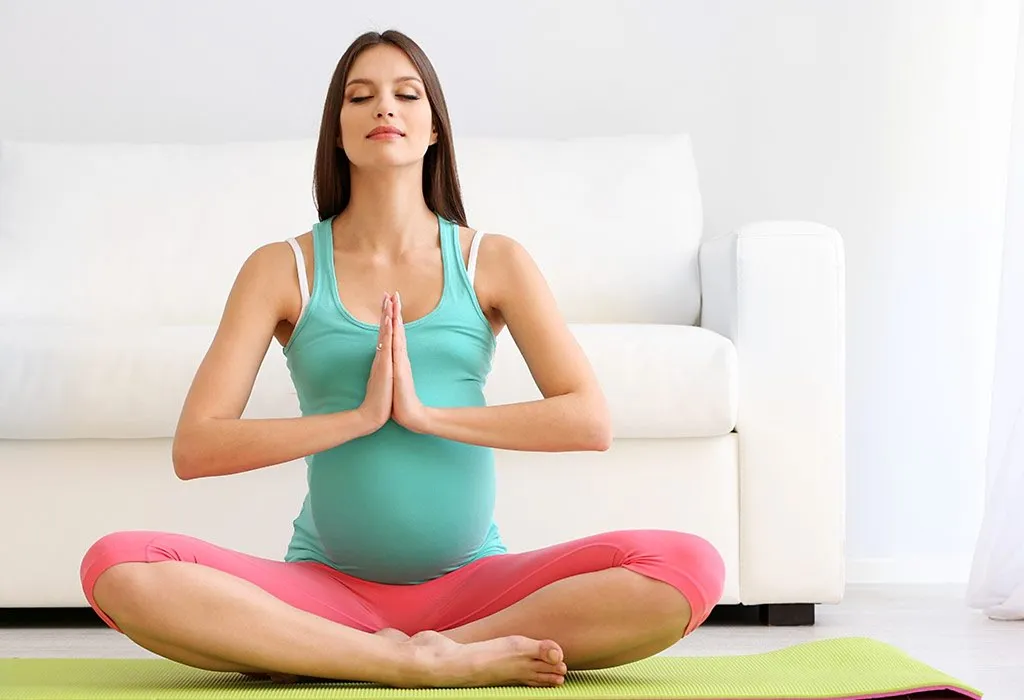

10 Breathing Exercises for Pregnant Women – Benefits and How to Do





Medically Reviewed By
Dr. Sabiha Anjum
(Gynecologist/Obstetrician)

This health content has been medically reviewed by qualified experts and follows the FirstCry Parenting editorial policy to ensure accuracy and reliability.
Key Takeaways
- Breathing exercises during pregnancy can encourage relaxation, ease stress, and help you prepare for labour.
- Deep belly breathing, pursed-lip breathing, and visualisation breathing are simple techniques to practise at home.
- You can start gentle breathing exercises during pregnancy after consulting your healthcare provider.
- Avoid forceful breathing and prolonged breath-holding, and stop if you feel dizzy or uncomfortable.
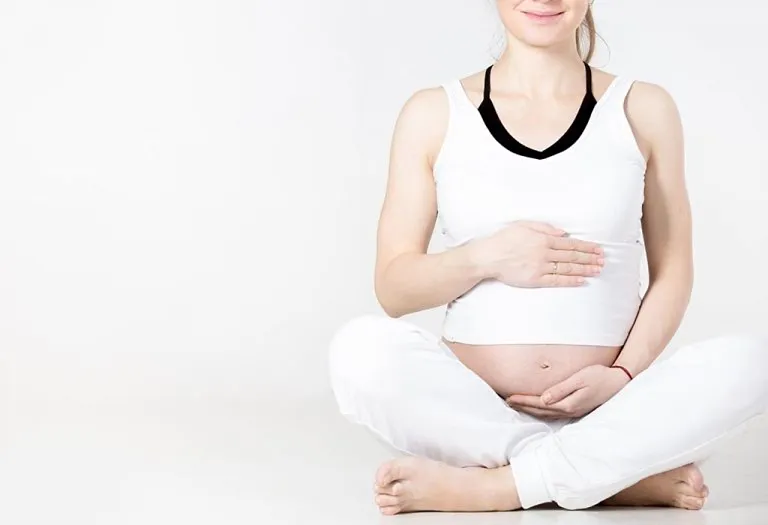
Breathing exercises for pregnant women can help promote relaxation, ease stress, and improve breathing control in preparation for labour. As your body goes through physical and emotional changes during pregnancy, taking a few moments to focus on your breathing can make a positive difference. These simple exercises can help you feel calmer, manage everyday discomfort, and develop techniques that may come in handy during childbirth.
Wondering where to start? Here are 10 effective breathing exercises for pregnancy, along with their benefits and easy step-by-step instructions to help you practise them safely.
When to Start Breathing Exercises in Pregnancy?
Breathing exercises can be beneficial throughout pregnancy, but starting in the second trimester is ideal. By then, you can practise them regularly to manage stress and physical discomfort. Breathing exercises during pregnancy third trimester are vital especially in preparation for labour, relaxation and efficient breathing during contraction. Make sure you talk to your doctor before starting any exercise especially if you have health complications.
Benefits of Breathing Exercises for Pregnant Women
Most situations in pregnancy are helped largely by breathing practices. Some of the main benefits of prenatal breathing exercises are:
1. Helps Deal With Morning Sickness
Staying curled up in bed, unable to keep anything down, can be a miserable experience. Try calm, deep breathing. It will help you deal with nausea.
2. Breathing to Fall Into a Deep and Rejuvenating Sleep
Deep breathing with active visualisation of your muscle groups can put your body in a state of relaxation. After this, one can imagine the healthy growth of the mother and the child to help you fall into a happy sleep (1).
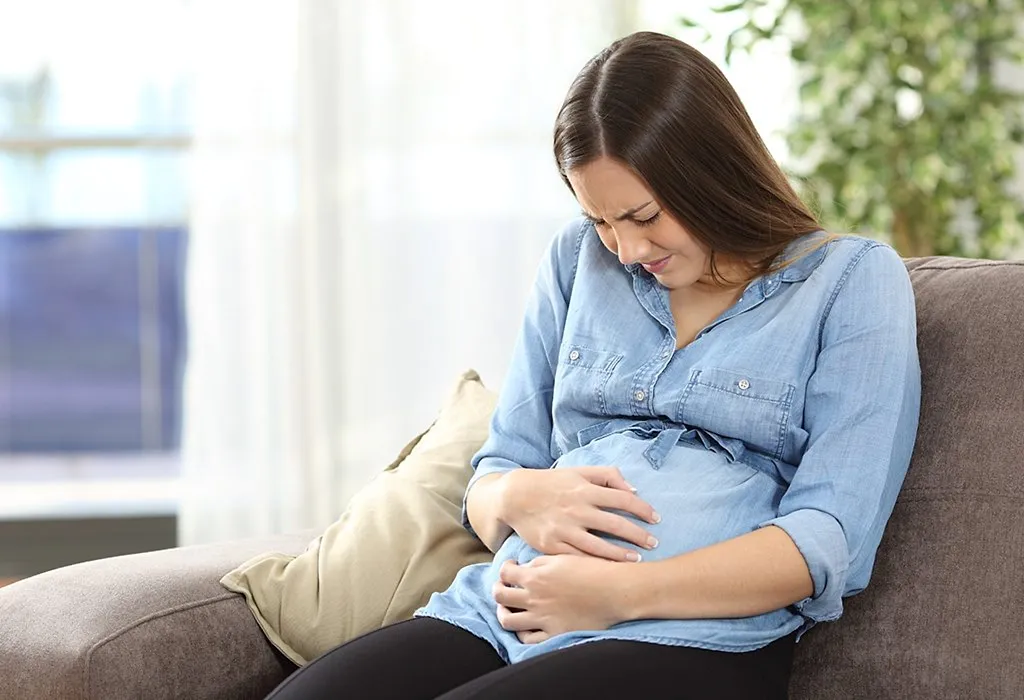
3. Breathing Through Pain and Discomfort
Breathing exercises help women stay calm and focused during labour. These exercises make it easier to manage pain and contractions, leading to a more controlled labour experience (2).
4. Breathing Through Times When You Think Your Pregnancy Is in Trouble
Take 5 deep, slow breaths while you think of 5 symptoms that tell you there is a reason for panic. If there is nothing – good, crisis is averted. If there is something – breathing helps you rationalise the problem so that you can inform your doctor calmly and coherently.
5. Breathing When People Are Giving You Advice
You may be troubled by unwanted advice during pregnancy. Breathing exercises can help you deal with this. This needs to be done with a smile as you grit your teeth and think to yourself, “I’m pregnant, not uneducated, or stupid, or ……” Whatever the reason, breathing helps.
Best Breathing Exercises When Pregnant
Deep breathing exercises in pregnancy can be highly beneficial for you and your baby. Before beginning any exercise, make sure you have a yoga mat or a folded blanket to sit on. Here are a few best breathing exercises for pregnancy:
1. Deep Belly Breathing
It is one of the most effective exercises to practice throughout pregnancy. It helps calm the mind and promotes better oxygen flow to both the mother and the baby (3).
How to Do It
- Sit in a comfortable position.
- Place one hand on your chest and the other on your belly.
- Inhale deeply through your nose; the hand on your belly should rise.
- Exhale slowly through your mouth.
- Repeat for 5–10 minutes.
2. Ujjayi Breathing
Also known as victorious breath, Ujjayi breathing calms the nervous system and helps you focus during stressful moments, especially useful during labour (4).
How to Do It
- Sit in a relaxed position, keeping your spine straight.
- Close your mouth and breathe deeply through your nose.
- Slightly constrict your throat, creating a soft hissing sound as you exhale through your nose.
- Focus on making your inhales and exhales equal in length.
- Continue for 5–10 minutes.
3. Counting Breaths
Counting breaths is a simple technique that helps slow your heart rate and reduce anxiety by bringing awareness to your breath.
How to Do It
- Sit or lie down comfortably.
- Inhale deeply while counting to five.
- Hold your breath for a count of eight.
- Exhale slowly for a count of nine.
- Rest for four counts before taking the next breath.
- Continue for 5–10 minutes.
4. Shallow Chest Breathing
This exercise is beneficial during the later stages of pregnancy when the growing belly puts pressure on the diaphragm, making deep breaths more difficult.
How to Do It
- Sit with your back straight or lie down in a semi-reclined position.
- Place your both hands on your chest.
- Take shallow, quick breaths through your nose.
- Exhale quickly through your nose.
- Continue for 1–2 minutes, then return to normal breathing.
5. Pursed-Lip Breathing
Pursed-lip breathing helps slow your breathing rate and improve oxygenation. It is especially useful during labour to manage pain and contractions (5).
How to Do It:
- Inhale through your nose, keeping your mouth closed.
- Purse your lips as though you’re going to whistle.
- Exhale gently and slowly through your pursed lips for four counts.
- Repeat for 5–10 minutes or during contractions.
6. Visualisation Breathing
This breathing exercise combines mental imagery with deep breathing to reduce stress and promote relaxation (6).
How to Do It:
- Lie down in a relaxed position.
- Close your eyes and breathe deeply through your nose.
- As you inhale, visualise a peaceful, calming place or scene.
- As you exhale, release any tension or anxiety.
- Repeat for 5–10 minutes, focusing on your visualisations.
7. Square Breathing
Square breathing, or box breathing, helps control your breath and calm the nervous system. It’s an excellent technique for managing stress and anxiety during pregnancy.
How to Do It:
- Sit or lie down in a comfortable position.
- Inhale deeply through your nose for four seconds.
- Hold your breath for four seconds.
- Exhale slowly through your mouth for four seconds.
- Hold your breath again for a count of four.
- Repeat the cycle for 5–10 minutes, maintaining a steady and even rhythm.
8. Roll Breathing
Roll breathing helps you become more aware of your breathing patterns by combining chest and belly breathing in a wave-like motion. This exercise improves lung capacity and relaxation.
How to Do It
- Lie on your back with your knees bent and place one hand on your chest and the other on your belly.
- Inhale deeply through your nose, so your belly rises, followed by your chest.
- Exhale slowly through your mouth, allowing your chest to fall first, followed by your belly.
- Focus on the rolling motion of the breath moving from your belly to your chest.
- Repeat for 5–10 minutes.
9. Sheetali Pranayama
Sheetali Pranayama is a cooling breathing technique that helps calm the mind and body. It is great for moments of stress or if you’re feeling overheated.
How to Do It
- Sit in a comfortable position with your spine straight.
- Roll your tongue to form a tube and stick it out slightly between your lips.
- Inhale deeply through the tube-like tongue, drawing in cool air.
- Close your mouth and exhale slowly through your nose.
- Continue for 5–10 rounds, focusing on the cooling sensation.
10. Sheetkari Pranayama
Sheetkari is similar to Sheetali Pranayama and also has cooling and calming effects. It is beneficial for cooling down both physically and mentally.
How to Do It
- Sit comfortably with your back straight.
- Place the tip of your tongue against the roof of your mouth, close your teeth together, and slightly part your lips.
- Inhale deeply through your teeth, creating a hissing sound.
- Close your mouth and exhale slowly through your nose.
- Continue for 5-10 rounds, focusing on the calming effect of the breath.
Safety Tips for Breathing Exercise When Pregnant
Breathing exercises are generally gentle, but it’s important to practise them correctly to avoid discomfort and ensure your well-being. Keep these safety tips in mind before adding them to your pregnancy routine (7):
- Choose a comfortable position: Sit in a supportive chair or lie on your side with pillows to avoid putting pressure on your belly.
- Avoid holding your breath: Breathe naturally and gently without forcing or holding your breath for long periods.
- Don’t overdo it: Start with 5-10 minutes and gradually increase the duration as you become comfortable.
- Practise in a well-ventilated space: Choose a quiet, airy environment where you can breathe comfortably.
- Stop if you feel uncomfortable: If you experience dizziness, breathlessness, chest pain, or discomfort, stop immediately and consult your healthcare provider.
- Seek medical guidance: Speak to your doctor before starting new breathing techniques, especially if you have a high-risk pregnancy or an existing health condition.
Breathing Techniques for Labour
Using breathing exercises during labour can help you manage the pain by helping you work through it. First, find a pattern that works for you, then practice breathing (8).
1. Slow Breathing
Slow breathing is the art of breathing through contractions when labour begins. The contractions can be intense, so it would be difficult to talk during this time. Practise slow breaths, counting to a number comfortable for you, and exhaling while relaxed. Make your muscles limp when you exhale to help you relax.
2. Shallow, Faster Breaths
At the active phase of labour, you can shift to light breathing. You can do this between contractions with faster, shallower breaths at around one breath per second. The inhalation should be quiet, with an audible exhalation. Practise by visualising a panting dog. Doing this for small intervals between episodes of pain can help manage pain.
3. Expulsion Breathing
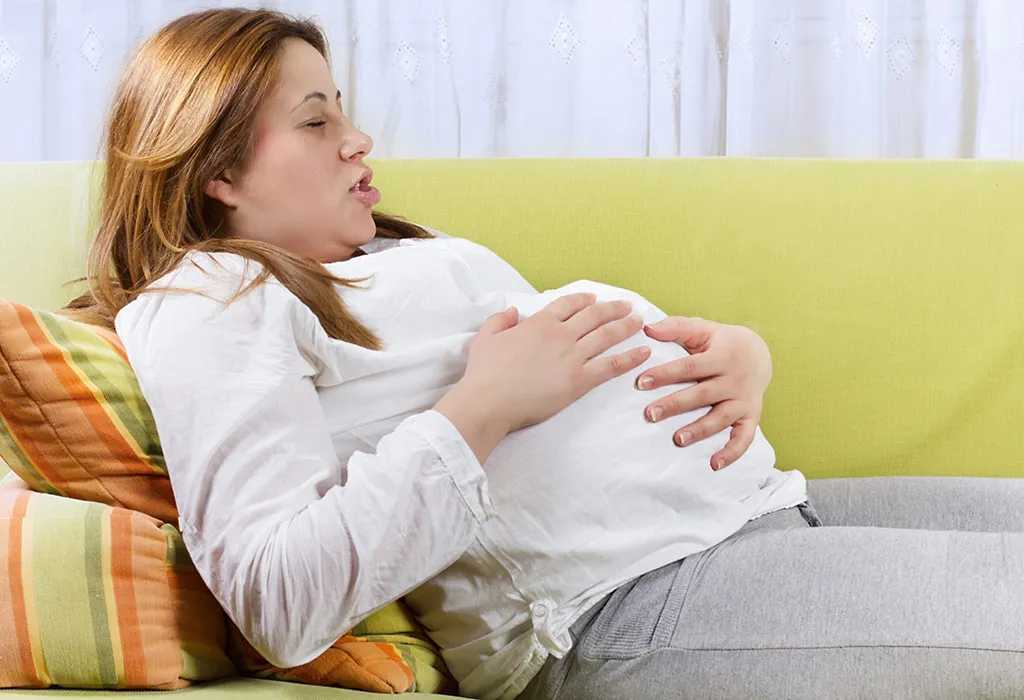
This is a practice where slow breathing is interspersed with an exhalation, a sigh, and a blow. It is to be done when your cervix is dilated. Many inhalations – up to 5-6 shallow breaths – should be followed by one long sighing exhalation. Take a big breath, curl your body forward, and bear down while holding your breath. Try to relax the pelvic floor while simultaneously bearing down.
FAQs
1. Are there any risks associated with breathing exercises during pregnancy first, second and third trimester?
Breathing exercises are generally safe for most pregnant women when done correctly. However, overdoing or performing certain breathing techniques incorrectly could cause dizziness or lightheadedness. Always practice in a comfortable, relaxed position, and stop if you feel any discomfort.
2. How often should I practice breathing exercises during pregnancy?
It’s recommended to practice breathing exercises daily, or at least several times a week, for about 5–10 minutes per session. Regular practice helps establish a breathing routine that can be easily applied during labour.
3. Can I practise breathing exercises while lying down?
Yes, you can practise gentle breathing exercises while lying on your side with proper pillow support. Avoid lying flat on your back for extended periods, particularly during the later stages of pregnancy.
4. Is deep breathing helpful during the third trimester?
Yes, gentle deep breathing for pregnancy can help you relax and become more aware of your breathing as your body prepares for childbirth. Choose a comfortable position and avoid forcing deep or prolonged breaths.
Breathing is the essence of life, yet we do it without being aware of it. Many forms of exercise, such as yoga and karate, understand the importance of breathing. It helps calm the mind and can even make excessive pain tolerable. You can employ some of the listed breathing techniques for pregnant women to help with any pregnancy-related pain.
References/Resources
1. Duke Health and Well-Being – The Power of Breath: The Surprising Benefits of Conscious Breathing
3. Harvard Health Publishing – Learning diaphragmatic breathing
4. Art of Living – Ujjayi Breathing for Yoga, Meditation and, Better Sleep
5. American Lung Association – Breathing Exercises
6. NHS inform – Breathing and relaxation exercises
7. Apollo Pharmacy – The Role of Pranayama in a Healthy Pregnancy
8. PubMed Central – Breathing Techniques During Labor: A Multinational Narrative Review of Efficacy
Also Read:
Sleep Problems during Pregnancy
Shortness of Breath in Pregnancy
Benefits of Pranayama while Pregnant
Was This Article Helpful?
Parenting is a huge responsibility, for you as a caregiver, but also for us as a parenting content platform. We understand that and take our responsibility of creating credible content seriously. FirstCry Parenting articles are written and published only after extensive research using factually sound references to deliver quality content that is accurate, validated by experts, and completely reliable. To understand how we go about creating content that is credible, read our editorial policy here.
- Author
- Expert Reviewer