
Only Child Syndrome: Characteristics and Parenting Tips
Understand the traits, challenges, and parenting tips to help an only child grow confident, social, and emotionally strong.





Have you ever heard people say that only children are spoiled, stubborn, or too dependent on their parents? These are some of the common ideas related to what many call “only child syndrome.” But how much of it is actually true? The truth is that growing up without siblings can influence a child’s personality, behaviour, and emotional development in different ways. Some only children may become highly independent and mature, while others may find it harder to share attention or handle pressure.
As parents, it is natural to wonder how being an only child may affect your little one and what you can do to support their emotional growth. In this article, we will talk about the common traits linked to only child syndrome and share simple parenting tips that can help your child grow into a happy and well-rounded individual. Read on to learn more.
What Is Only Child Syndrome?

“Only child syndrome” is a term used to describe certain personality traits or behaviours that people often associate with children who grow up without siblings. These traits may include being overly dependent on parents, wanting constant attention, struggling to share, or finding it hard to handle criticism (1).
The idea originated in the late 1800s, after American psychologist G. Stanley Hall famously described being an only child as “a disease in itself”. At that time, larger families were more common, and social beliefs strongly favoured having siblings as important for learning cooperation and social behaviour. Over the years, these opinions spread through popular culture and parenting advice, creating the label “only child syndrome.”
Is Only Child Syndrome a Real Thing?
While many people believe in the idea of the only child syndrome, experts say there is very little evidence to support it as a real psychological condition. Not every only child behaves the same way, and many grow up to be social, confident, independent, and emotionally healthy (2).
In most cases, a child’s personality is shaped more by parenting, environment, friendships, and life experiences than simply by growing up without siblings. So, rather than being a proven syndrome, it is often considered a common stereotype about only children.
Characteristics of Only Child Syndrome
Now that you know what only child syndrome is, let’s look at some of the positive and negative only child characteristics.
Positive Characteristics
Being an only child does not always have negative effects. Here are some positive traits commonly seen in only children (3):
- Independent: Only children often learn how to entertain themselves and handle situations on their own from an early age.
- Mature for Their Age: Since they spend a lot of time around adults, they may develop mature thinking and communication skills earlier than other children.
- Confident: Getting constant support and encouragement from parents can help build strong self-confidence.
- Responsible: Many only children become responsible and organised because they are used to managing things independently.
- Good Academic Focus: With fewer distractions at home, only children may find it easier to focus on studies and personal goals.
- Creative: Spending time alone can encourage imagination, creativity, and problem-solving skills.
Negative Characteristics
While there are many positive sides to being an only child, some children may also develop certain behaviours that can become challenging over time. Here are some of the discussed negative characteristics (3):
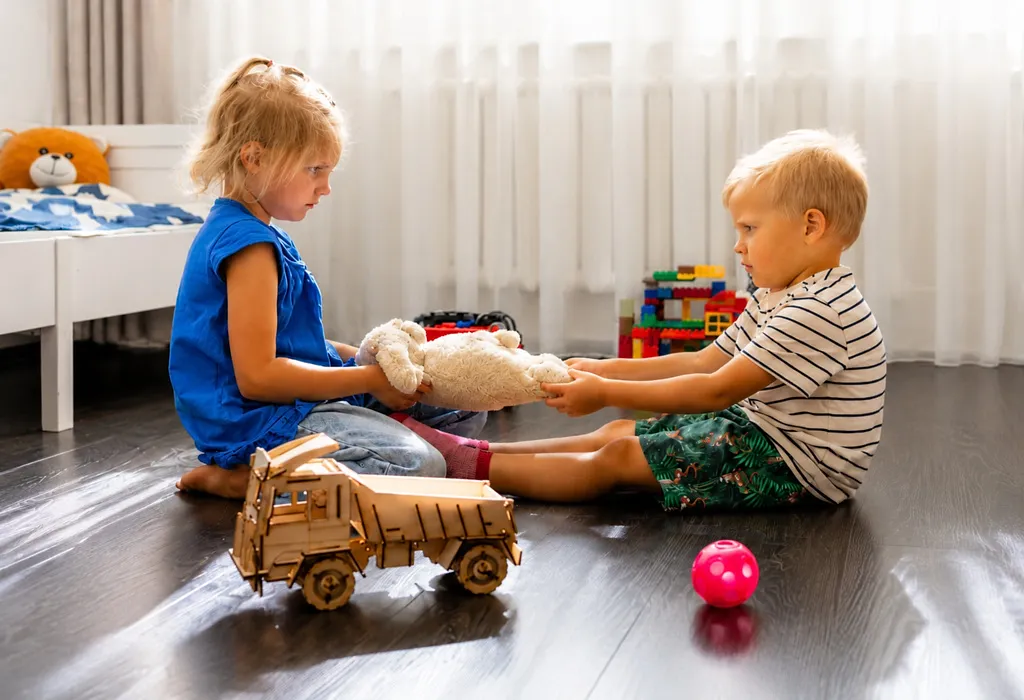
- Difficulty Sharing: Since they do not grow up sharing toys, space, or attention with siblings, some only children may struggle with sharing.
- Attention-Seeking Behaviour: Being the centre of attention at home can sometimes make a child expect the same attention everywhere else (4).
- Sensitive to Criticism: Some only children may take criticism personally and find it difficult to accept mistakes or feedback.
- Perfectionist Tendencies: High expectations from parents can sometimes make only children put too much pressure on themselves (2).
- Loneliness: Without siblings at home, some children may feel lonely or wish they had someone their age to spend time with regularly.
- Difficulty Handling Conflict: Since they may not experience regular sibling arguments, some only children can struggle with disagreements or teamwork (5).
- Overdependence on Parents: In some cases, only children may become too emotionally dependent on their parents for comfort, support, or decision-making.
How to Raise an Only Child the Right Way?
Raising an only child can feel like a big responsibility, especially when you want them to grow up confident, independent, and well-adjusted. Here are a few tips to help you out.
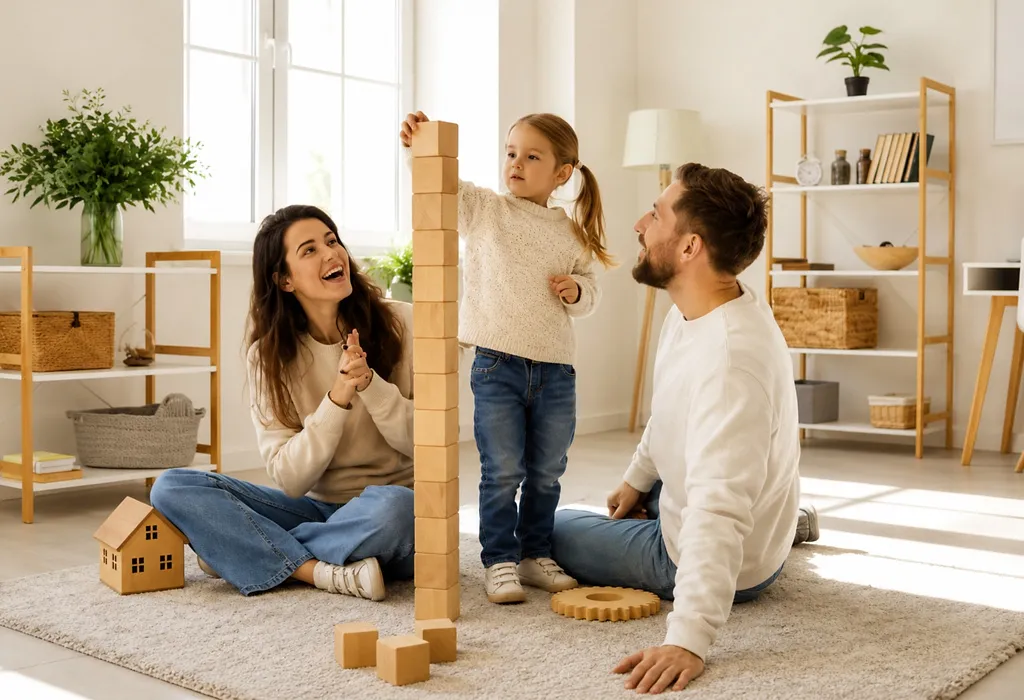
- Give your child plenty of chances to spend time with friends, cousins, or other children through playdates, group activities, or sports.
- It is natural to be extra careful with an only child, but giving them some independence helps build confidence and decision-making skills.
- Encourage activities where your child learns to share, cooperate, and work with others.
- Avoid expecting your child to be perfect in studies, behaviour, or achievements. Let them grow at their own pace.
- Teach your child that making mistakes is normal and that feedback can help them learn and improve.
- Instead of solving every problem for them, allow your child to think through situations and find solutions on their own.
- Give your child emotional support and attention, but also maintain healthy boundaries so they do not become overly dependent.
- Encourage your child to explore activities they enjoy, whether it is sports, art, music, reading, or creative hobbies.
FAQs
1. How does parenting affect only child personality?
Parenting plays a major role in shaping behaviour. Balanced attention, discipline, and social exposure matter far more than whether a child has siblings.
2. How are firstborns and only children similar or different?
Firstborns and only children can be similar in some ways, like being responsible, mature, and comfortable around adults because they get more attention when they are young. But only children grow up without siblings, so they usually learn to be more independent, while firstborns often learn to take care of younger brothers or sisters. Firstborns may also become more protective or leadership-focused, while only children may be more used to doing things on their own.
Being an only child is not a problem that needs to be ‘fixed.’ If you are raising an only child, there is no need to worry because of common myths or stereotypes. Every child has their own personality, habits, and way of seeing the world, and only children are no different.
Also Read:
Middle Child Syndrome
How to Deal With a Spoiled Child
Tips for Parents to Handle Naughty Kids
Effective Tips to Deal With a Defiant Child
Was This Article Helpful?
Parenting is a huge responsibility, for you as a caregiver, but also for us as a parenting content platform. We understand that and take our responsibility of creating credible content seriously. FirstCry Parenting articles are written and published only after extensive research using factually sound references to deliver quality content that is accurate, validated by experts, and completely reliable. To understand how we go about creating content that is credible, read our editorial policy here.
- Author







.svg)