

When Can Baby Face Forward in a Carrier – Age and Safety Tips
Know when it's safe for your baby to face forward in a carrier and what to keep in mind.




In this Article
- What Age Can Baby Face Forward in Carrier?
- How Long Can a Baby Stay Forward Facing in a Carrier?
- How to Check If Your Baby Enjoys the Forward-Facing Position?
- Forward-Facing Carry Methods by Carrier Type
- Benefits of Forward Facing Baby Carrier
- Disadvantages of Forward-Facing Babies in Carriers
- Safety Tips for Forward-Facing Baby in a Carrier
- FAQs
View More
This health content has been medically reviewed by qualified experts and follows the FirstCry Parenting editorial policy to ensure accuracy and reliability.
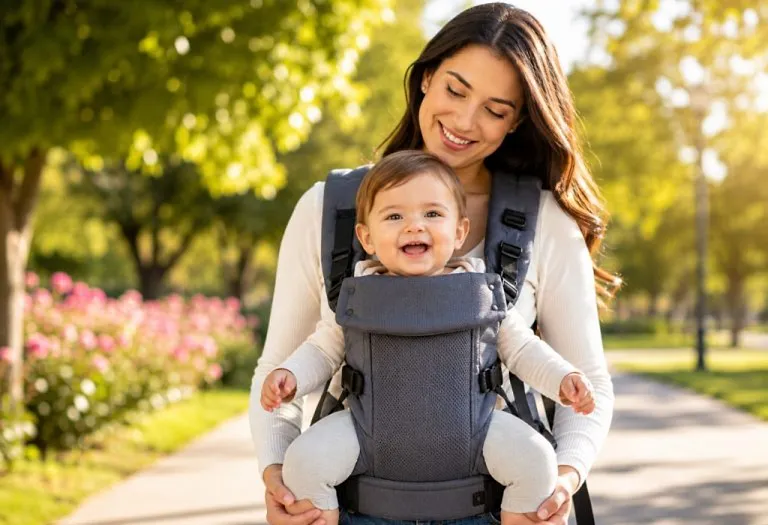
Most babies reach a stage where they no longer want to stay tucked against your chest the whole time. They want to look around, watch people, and feel part of everything happening around them. That is usually when parents start thinking about turning the baby carrier forward-facing. But along with the excitement comes an important question: when can baby face forward in carrier? Before you make the switch, there are a few important things every parent should know. Read on to learn the right age, important safety tips, and signs your baby may be ready.
What Age Can Baby Face Forward in Carrier?
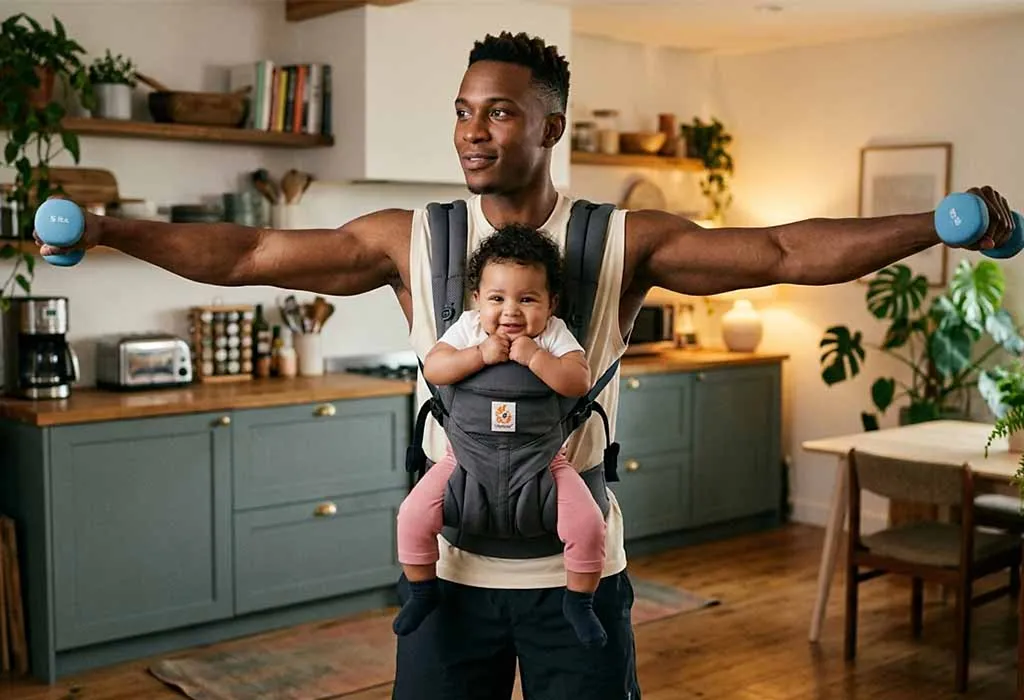
The ideal forward facing baby carrier age is usually when a baby has developed strong neck and head control and can comfortably support themselves in an upright position (1). Most babies can safely use a forward-facing carrier around 5 to 6 months of age. However, every baby develops differently, so some may be ready a little earlier while others may need more time.
How Long Can a Baby Stay Forward Facing in a Carrier?
In general, babies should only stay forward-facing in a carrier for about 15 to 20 minutes at a time (1). While many babies enjoy looking around, facing outward can become overstimulating and tiring, especially for younger infants. It can also place extra pressure on a baby’s hips and spine if they stay in that position for too long.
How to Check If Your Baby Enjoys the Forward-Facing Position?
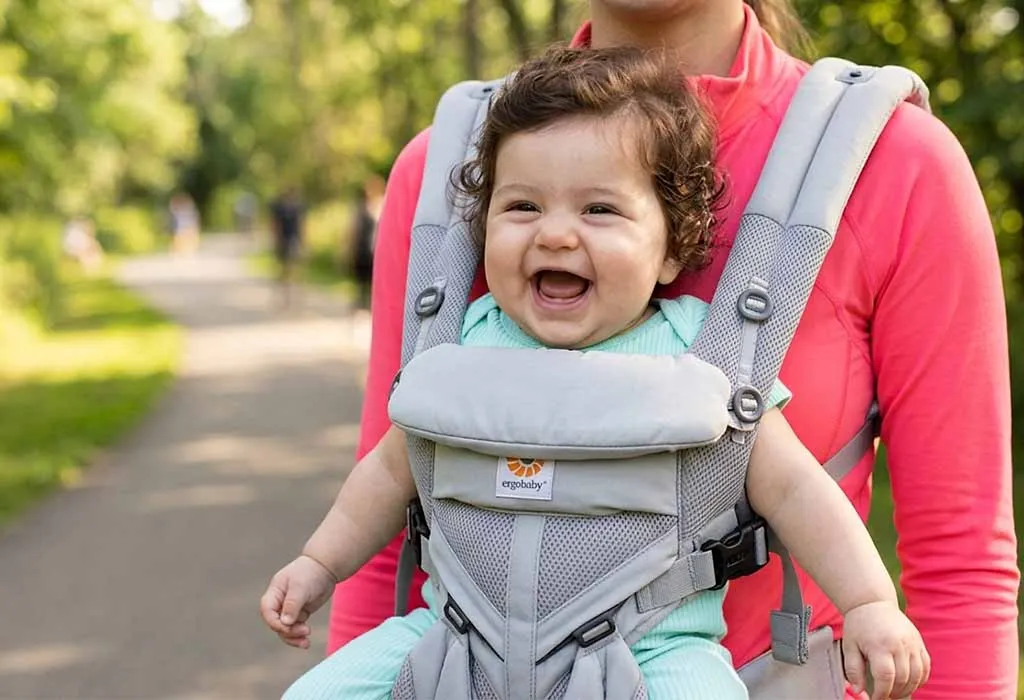
The best way to tell if your baby enjoys forward-facing is by paying attention to their mood and body language during and after using the carrier.
A baby who is comfortable in a forward-facing position will usually seem calm, curious, and relaxed. They may look around happily, interact with their surroundings, and stay content during the outing. On the other hand, signs like fussiness, slouching, rubbing their eyes, turning their face away, or becoming unusually quiet can mean your baby is tired or no longer comfortable (2).
Forward-Facing Carry Methods by Carrier Type
Before you forward face a baby in a carrier, make sure they have developed strong head and neck control and meet the carrier manufacturer’s age and weight recommendations. Once your baby is ready, the right carrying method will depend on the type of baby carrier you’re using, as each has its own setup and support features. Below are the most common forward-facing carry methods based on different carrier types.
1. Soft-Structured Carrier (SSC)
Soft-structured carriers are among the easiest options for babies to face forward in a carrier because they feature adjustable buckles, padded shoulder straps, and ergonomic seat settings.
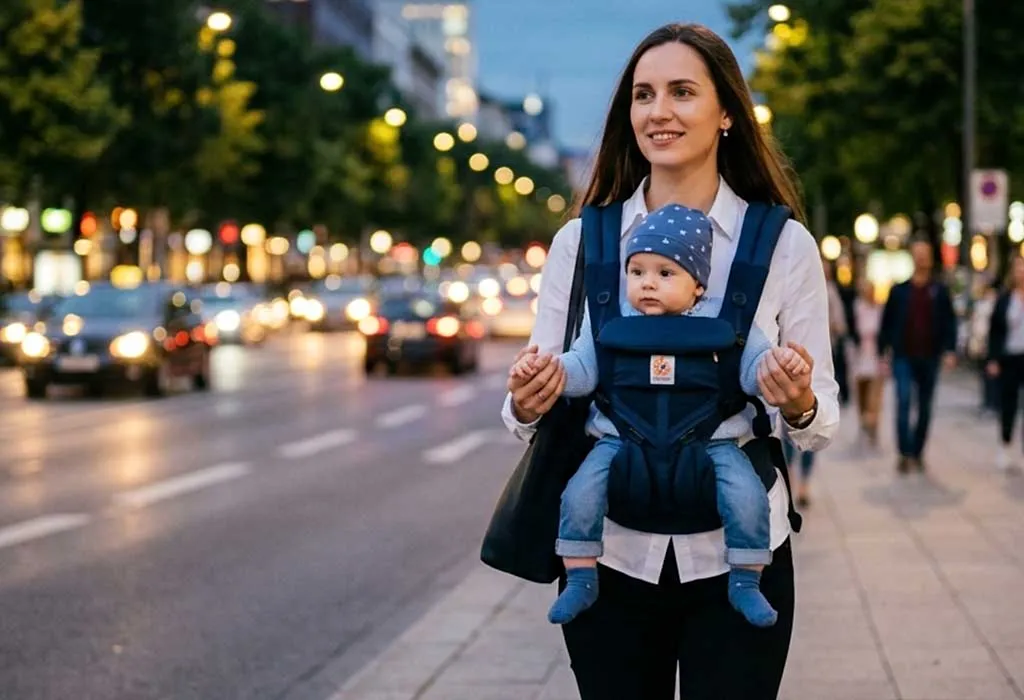
How to use:
- Fasten the waist belt securely around your hips.
- Adjust the seat width to the forward-facing setting if your carrier offers one.
- Place your baby facing outward with both legs through the leg openings.
- Secure the shoulder straps and chest buckle.
- Tighten the straps until your baby sits high against your body with their bottom fully supported.
2. Woven Wrap
A woven wrap offers a customisable fit and strong support, making it more suitable for forward-facing carries than stretchy wraps. It’s a reliable option for parents who prefer their baby face out in a carrier, as it provides a secure and supportive fit (3).
How to use:
- Find the centre of the wrap and position it across your stomach.
- Cross the fabric behind your back and bring the ends over your shoulders.
- Create a secure pouch for your baby.
- Seat your baby facing outward while ensuring their thighs are well supported.
- Tighten the wrap evenly and tie a secure double knot behind your back.
3. Mei Tai (Meh Dai)
A Mei Tai combines the flexibility of a wrap with the structure of a panel carrier, allowing for a comfortable forward-facing carry when adjusted correctly (4).
How to use:
- Tie the waist straps securely around your waist.
- Position your baby facing outward against your chest.
- Pull the body panel up behind your baby’s torso.
- Bring the shoulder straps over your shoulders and tighten them evenly.
- Cross the straps beneath your baby’s legs before tying them securely behind your back.
4. Ring Sling (Kangaroo Carry)
A ring sling can be used for a forward-facing kangaroo-style carry, although it is generally best suited for shorter carrying sessions (5).
How to use:
- Thread the sling through the rings and position it over one shoulder.
- Create a wide fabric pouch.
- Place your baby facing outward with their back against your chest.
- Fold their legs into a comfortable, supported position.
- Tighten the sling gradually until your baby sits snugly and securely.
Benefits of Forward Facing Baby Carrier
When used at the right age and for short periods, forward facing in baby carrier can offer several benefits for both babies and parents. Below are some of the biggest advantages of this carrying position.
1. Keeps Babies More Engaged During Outings
One of the biggest benefits of a forward-facing carrier is that babies get a better view of their surroundings. Instead of only facing inward, they can watch people, lights, movement, and everyday activities around them, which can make walks and outings more enjoyable (6).
2. Supports Visual Development
A forward-facing carrier gives babies a wider view of the world around them. Seeing different colours, shapes, people, and environments helps strengthen visual tracking skills and encourages healthy visual development (7). For curious babies, every outing becomes an opportunity to observe and learn something new.
3. Encourages Social Development
When babies face outward, they can watch facial expressions, gestures, and interactions happening around them. This increased exposure to people and social situations can help support early social development and make babies more aware of the world beyond their primary caregivers.
4. Helps Strengthen Neck and Core Muscles
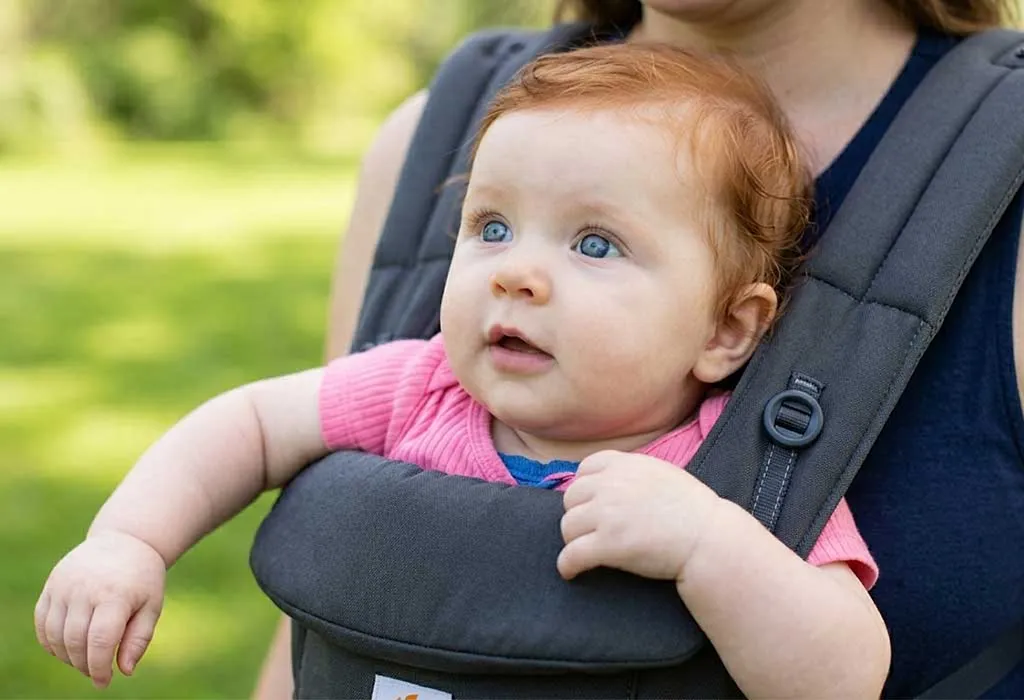
Once babies have developed the necessary head and neck control, spending short periods in a forward-facing carrier can encourage them to engage their neck and core muscles to maintain an upright position. While it should not replace tummy time or other developmental activities, it can provide an additional opportunity for babies to build strength and stability as they grow (6).
Disadvantages of Forward-Facing Babies in Carriers
A forward-facing carrier can seem like the perfect solution for a curious baby who wants to see everything around them. However, what many parents do not realise is that this position is not always as comfortable or beneficial as it appears. Let’s take a closer look at the disadvantages of forward-facing babies in carriers (6).
1. Can Lead to Overstimulation
When babies face outward, they are exposed to constant sights, sounds, and movement. While this can be exciting at first, it can quickly become overwhelming, especially for younger babies who cannot easily turn away when they need a break.
2. Makes It Harder to Read Your Baby’s Cues
When your baby faces away from you, it can be more difficult to notice early signs of tiredness, discomfort, hunger, or overstimulation. An inward-facing position allows for better interaction and makes it easier to respond to your baby’s needs.
3. May Put Extra Strain on the Hips and Spine
If a baby is not positioned correctly or remains forward-facing for too long, the position can place additional pressure on their hips, spine, and lower back. This is one reason why experts recommend limiting forward-facing time and ensuring proper carrier support (8).
4. Provides Less Head and Neck Support
Unlike inward-facing positions, forward-facing carriers offer less natural support for a baby’s head and neck. If a baby becomes tired or falls asleep, maintaining proper head alignment can be more difficult.
Safety Tips for Forward-Facing Baby in a Carrier
Once your baby is ready for the outward facing baby position, you will want to make sure they are not only comfortable but also properly supported. Here are some important safety tips to keep in mind:
- Check that all straps and openings are adjusted properly so your baby stays snug and supported. A secure fit helps prevent unnecessary shifting while you are walking or moving around.
- A carrier should feel comfortable for both you and your baby. If you notice shoulder, neck, or back discomfort, adjust the straps and waistband until the weight is distributed more evenly.
- Before each use, take a quick look at the buckles, straps, seams, and fabric. Any signs of wear or damage should be addressed immediately to ensure your baby’s safety.
- Every carrier has specific weight and age limits. Always follow the manufacturer’s guidelines to make sure your baby is using the carrier safely and receiving the proper support for their stage of development.
FAQs
1. Can babies sleep in a forward-facing carrier position?
It is generally not recommended. If your baby falls asleep while facing outward, it is best to switch them to an inward-facing position that provides better head, neck, and spinal support (6).
2. Does forward-facing affect a baby’s hip development?
Forward-facing itself is not harmful when used correctly and for short periods. However, it is important to choose a carrier that properly supports your baby’s hips and legs in an ergonomic position.
3. Can all baby carriers be used for forward-facing carrying?
No. Not every carrier is designed for forward-facing use. Always check the manufacturer’s instructions to confirm whether your carrier supports a forward-facing position and what age and weight requirements apply (1).
If there is one thing parenthood teaches us, it is that babies tend to follow their own timeline. Some will love facing outward the moment they are ready, while others will prefer the comfort of snuggling against your chest for much longer. Either way, those carrier walks, errands, and everyday moments often become some of the memories you will look back on the most.
Also Read:
When To Forward Face Car Seat
Babywearing – Benefits, Types & Safety Tips
Which Type of Carrier is Perfect for Your Baby and You
Was This Article Helpful?
Parenting is a huge responsibility, for you as a caregiver, but also for us as a parenting content platform. We understand that and take our responsibility of creating credible content seriously. FirstCry Parenting articles are written and published only after extensive research using factually sound references to deliver quality content that is accurate, validated by experts, and completely reliable. To understand how we go about creating content that is credible, read our editorial policy here.
1. Australian Babywearing Association – Forward-facing your baby safely- everything you need to know
2. Cleveland Clinic – 15 Signs That Your Baby Is Tired
3. Carrying Matters – Woven Wraps
5. Carrying Matters – Ring Slings
6. Carrying Matters – Is the fuss about facing out in slings justified or not?
7. American Optometric Association – Ways to Help Infant Vision Development
- Author


Related Articles
-

9 Everyday Things Causing Infections in Babies & How to Prevent This
-

High Chair Vs Booster Seat: Which Is Right for Your Child?
-

7 Things to Consider When Picking a Diaper for Your Baby
-

Diaper Rash Troubling Your Little One? Here's What You Can Do!
-

Ear Infection in Kids
-

Everything You Need to Know About the Pneumococcal Vaccine


.svg)