
Leaking Breasts During Pregnancy – Is It Normal?




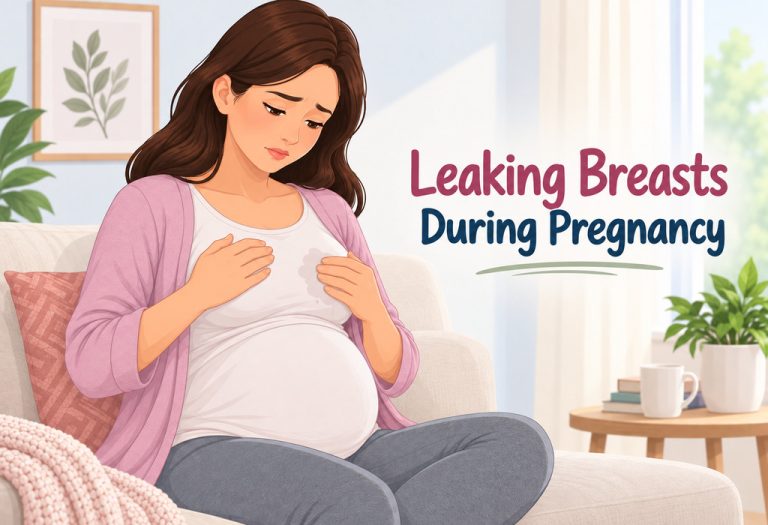
Your body undergoes so many changes as it prepares for the birth of your baby, and breasts leaking during pregnancy can be one of them. Breasts usually leak when they are full of milk, and they tend to overflow. As pregnancy hormones prepare the breasts for breastfeeding, some women may notice a few drops of yellowish, white, or clear fluid from the nipples. This is colostrum, your baby’s first nourishment even before milk. It may be equally surprising to know that your breasts have been producing this ‘baby-food’ right from the 14th week of pregnancy. Leaking does not mean that your breasts are producing mature milk or that you will have an oversupply after birth. A bloody or unusual nipple discharge, on the other hand, is concerning and should be discussed with your doctor.
Is Breast Leakage Common During Pregnancy?
Yes, leaking breasts can be perfectly normal, and sometimes, quite embarrassing when in public. In case of breast leakage during pregnancy, a clear fluid called colostrum may ooze out, and it is a healthy sign that your body is preparing your baby’s food. As per the American Academy of Pediatrics, colostrum is particularly nutritious for your baby and helps in early digestion. It contains high amounts of protein and is low in fats and sugar. It is also loaded with antibodies that protect your baby from falling sick (1).
What Is Colostrum?
Colostrum is the nutrient- and antibody-rich first milk that the breasts begin producing during pregnancy. As per the Cleveland Clinic, colostrum is high in protein, vitamins, immunoglobulins (antibodies), and minerals that help build a newborn baby’s immune system. It is low in fat and sugar. The high amount of white blood cells present in the colostrum helps produce antibodies.
This nutrient-dense milk is golden in colour, because of which it is often called “liquid gold.” (2)
When Do Your Breasts Usually Start Leaking in Pregnancy?
Because there is no thumb rule in pregnancy, every expecting mother will have a different experience. Breasts start producing colostrum somewhere between 12 and 14 weeks of pregnancy. Thus, some women may notice breast leaking during the 2nd trimester, around 26 –30 weeks of pregnancy or in the third trimester. This is quite common among pregnant women. As per a 2021 study, individuals may have colostrum production started in their mid-pregnancy (3).
As the due date approaches, this leaking may also increase in some women. There may also be cases where there is no leaking until after delivery. Whatever the case may be, you needn’t fret over it. This is no indication of whether or not you can breastfeed your little one. Some women may not experience leaking even right after delivery. If it still worries you, feel free to discuss this with your doctor.
Why Do Breasts Leak During Pregnancy?
Your body starts gearing up for feeding long before your due date arrives. Breast tissue begins producing colostrum (thick, antibody-rich first milk) as early as the second trimester, sometimes even earlier, so that everything is prepared well in case your baby comes ahead of schedule (in case of premature delivery).
The main driver behind this is hormonal. Prolactin, the hormone responsible for milk production, climbs steadily as pregnancy progresses. Under normal circumstances, progesterone keeps milk production in check until birth. But if prolactin edges ahead of estrogen and progesterone even slightly, a little colostrum can escape (4).
This early milk doesn’t always stay put. Some pregnant women notice a bit of colostrum on their bra or clothing, or dried, crusty patches on the nipple, well before delivery (5). Others never see a drop until after birth. Both experiences are considered normal.
Researchers don’t have a clear answer for why some people leak more than others. The La Leche League International states that leaking early doesn’t guarantee how much milk you’ll eventually make (6). Most women who never leak during pregnancy go on to breastfeed with no supply issues, and vice versa. Milk production varies widely from person to person, both before and after birth.
A few other things that can trigger leaking include:
- Nipple stimulation during sex
- Friction from bras or tight clothing
- Warm showers, which relax the ducts and let milk flow more easily
- Certain medications, including some antidepressants or antipsychotics (7)
Breast Leaking in the Second Trimester of Pregnancy
Breast leaking during the 2nd trimester is common as estrogen levels rise during this period. Your breasts will feel bulky as the milk ducts develop. Your breasts will soon begin to produce colostrum (the first breast milk formation stage), resulting in leaking breast milk at this time. But you must inform your healthcare provider about it.
Are Leaky Breasts During Third Trimester of Pregnancy Normal?
Yes, during the 8th month of pregnancy or breast leaking during pregnancy third trimester is normal. It may differ from woman to woman. Do not panic if you spray some milk while showering or when you are changing your clothes. During the third trimester, your body has high levels of the hormone called prolactin. This hormone helps in producing milk in the breasts and is responsible for prepping the food for your baby. The breasts generally spurt some milk when they are stimulated. So you may end up oozing even when having sex during the third trimester.
Is It a Sign of Labour?
Wondering whether does leaking colostrum means labour is close? Leaking breasts are commonly mistaken for signs of oncoming labour, as they usually occur during the last trimester of pregnancy. Sometimes, breast leakage is also accompanied by uterine contractions when having sex. This definitely does not mean preterm labour, as breasts play no part in indicating symptoms of preterm labour.
Is It Okay If My Breasts Don’t Leak?
Yes, it is perfectly normal if you don’t leak any colostrum. Your baby can get colostrum when he or she breastfeeds.
Is It Possible to Stop Pregnancy Breast Leaking?
Yes, you may stop pregnancy breast leaking to some extent. The following tips can be helpful:
- Do not stimulate your nipples in any form.
- Do not wear rough or tight clothing that can rub against and irritate your nipples.
- Apply a warm compress over the breast area.
How to Deal With Breast Leaking While Pregnant?
- Stop worrying. Leaking breasts can be a pain, but don’t let them be one. Brush it off with some good-natured humour and add it to your kitty of funny pregnancy anecdotes.
- Feed your baby regularly. Breast leaking generally comes down if you frequently breastfeed your baby. But if you are still producing a lot of milk, then the best thing would be to express it out. Otherwise, it may lead to clogging.
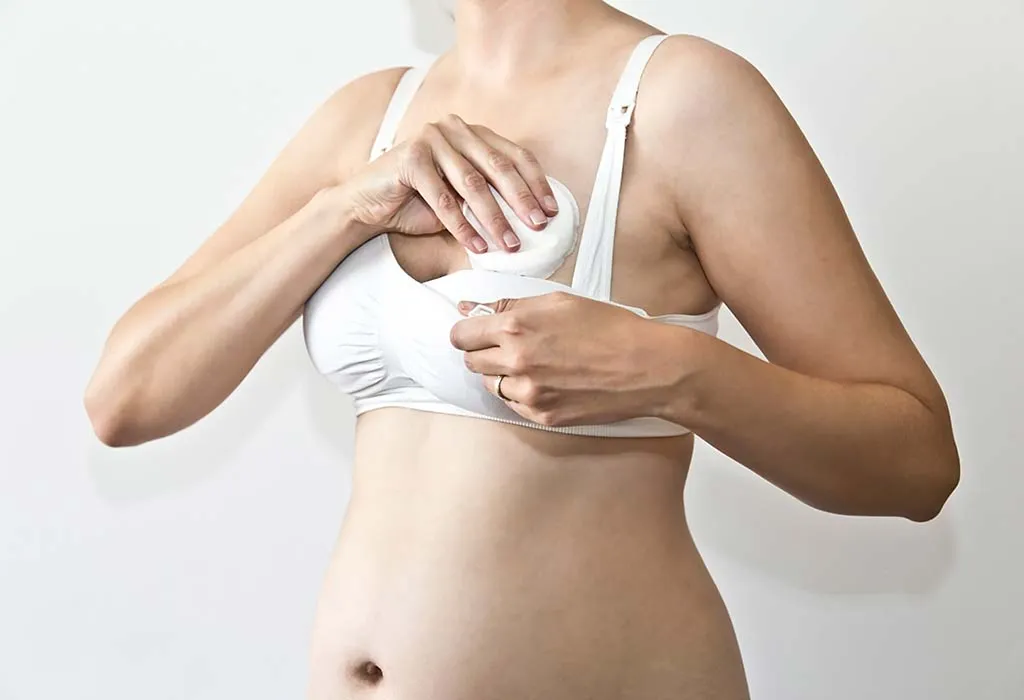
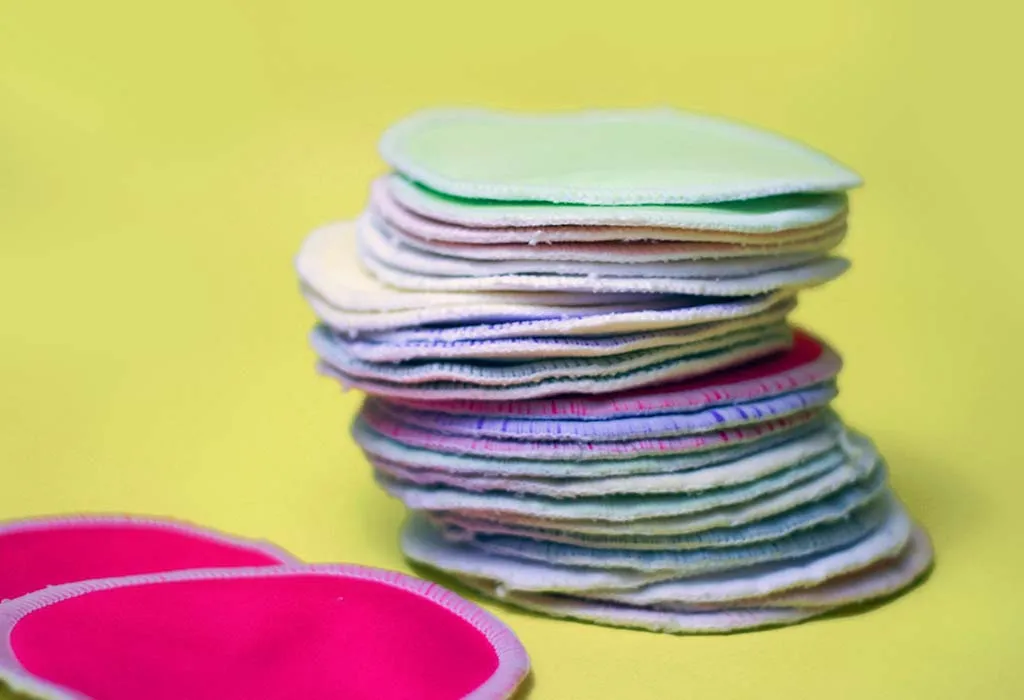
- Use breast pads. Breast leaking becomes a nuisance, especially when you have to step out of the house. The market is flooded with a range of reusable or disposable breast pads. Take your pick. Also, change them frequently during the course of the day to maintain hygiene.
- Maternity bras to the rescue. Cotton maternity bras are more comfortable than regular ones and may be just the thing for you. They are particularly helpful during the night.
- Keep spares handy. Always carry an extra bra and t-shirt or dress in your bag and spare yourself the embarrassment.
- Patterns trending. Camouflage those leakage stains with patterned tees. Make a style statement while you are at it.
When to Worry?
As you can see, breast milk leaking during pregnancy is a normal phenomenon. However, if the oozing milk is not a thick, creamy liquid, then there is cause for worry. You must rush to your doctor if the milk is either bloody or may be foul-smelling. You might want to rule out the chances of intraductal papilloma or bacterial infection. In very rare cases, this may also be the first sign of breast cancer. Therefore, it becomes imperative to consult your doctor.
Sometimes, in the last trimester, it may be detected that the baby’s growth may not be adequate or may be born with Down’s syndrome or with a cleft palate, etc. In such cases, your doctor may advise you to express the early colostrum during pregnancy. Follow your doctor’s directions for expressing and storing the colostrum.
FAQ
1. Is it Ok to squeeze your breast when pregnant?
You can touch and handle your breasts safely during pregnancy, but avoid excessive squeezing or stimulating the nipples, as it may cause contractions.
1. Is breast leaking during pregnancy normal?
Yes. Small amounts of nipple discharge can occur during pregnancy as the breasts prepare for breastfeeding. If the leakage is persistent and seems to increase with the days during pregnancy, consult a doctor.
3. Does leaking colostrum mean I will have plenty of breast milk after birth?
No. Breast leaking milk during pregnancy does not predict how much mature breast milk you will produce after your baby is born. If you express breast milk too much during pregnancy, you might experience letdown in your breastfeeding stage.
4. Is it normal if my breasts are not leaking during pregnancy?
Yes. Some women notice colostrum leaking during pregnancy, while others do not. Not having leaky boobs while pregnant does not mean your breasts are not preparing for breastfeeding.
5. When should I worry about nipple discharge during pregnancy?
If the breast secretion during pregnancy involves bloody or clear liquid or occurs with a new lump, you should consult your doctor or bring this issue to your next prenatal appointment.
As irritating as it can be, don’t let breast leaking ruin your pregnancy experience. And do not compare with others. Some women may leak a lot while others may not. Women who have been pregnant before may begin leaking earlier and in much greater quantities. It may be quite different for you if you are a first-time mother. What you must remember is that leaking does not affect your health or that of your baby. Trust nature to take care of you and your baby.
Also Read:
Tips to Deal with Leaky Breasts
How Breast Changes during Pregnancy
Tips for Proper Breast Care during Pregnancy
Was This Article Helpful?
Parenting is a huge responsibility, for you as a caregiver, but also for us as a parenting content platform. We understand that and take our responsibility of creating credible content seriously. FirstCry Parenting articles are written and published only after extensive research using factually sound references to deliver quality content that is accurate, validated by experts, and completely reliable. To understand how we go about creating content that is credible, read our editorial policy here.
1. American Academy of Pediatrics – Colostrum: Your Baby’s First Meal
2. Cleveland Clinic – Colostrum
3. National Library of Medicine – Anatomy, Colostrum
4. La Leche League GB – How Milk Production Works
5. La Leche League International – Colostrum: Prenatal / Antenatal Expression
- Author


Related Articles
-

Best Twinkle Twinkle Little Star Baby Shower Ideas
-
23 Foods to Avoid During Pregnancy
-
Vaginal Pain during Pregnancy: Types, Causes and Treatments
-
Betnesol Injection in Pregnancy: Uses & Side Effects
-

10 Breathing Exercises for Pregnant Women - Benefits and How to Do
-
6 Effective Ways to Prevent Gestational Diabetes