
Hair Care During Pregnancy – 10 Effective Tips





Key Takeaways
- Changes in the hormones during pregnancy can cause hair to get thicker and shine more than usual.
- Using hair dye is safe during pregnancy.
- You can safely use hair removal products and treatments, such as hair removal creams, sprays, waxing, and laser hair removal during pregnancy.
- Post childbirth, you may experience unexpected hair loss, but this is temporary and get back to normal within the next 12 months.
- Eating a balanced diet rich in protein, healthy fats, vitamins, and minerals will ensure good hair growth.
Pregnancy brings hormonal changes that can affect your hair’s growth, texture, thickness, and overall appearance. Some women notice fuller, thicker hair, while others experience changes in their scalp condition or hair texture. These differences are usually because of changing hormone levels and the natural hair growth cycle (1). By incorporating a suitable hair care in pregnancy routine can help keep your hair clean, manageable, and healthy as your body changes. Simple habits, like using a gentle shampoo, conditioning regularly, and avoiding excessive heat styling, can make a difference. This article shares practical tips for hair care during pregnancy to maintain shiny, strong, and healthy locks.
How Will Pregnancy Affect Your Hair?
Pregnancy can change your hair’s thickness, texture, growth, and overall appearance because of hormonal fluctuations. Many women notice thicker, fuller hair as rising hormone levels keep more hair follicles in the growing phase for longer. Some may also experience changes in hair texture, scalp oiliness, or unwanted hair growth on the face and other parts of the body, abdomen, lower back and thighs (2).
However, not everyone experiences the same changes. Your hair may become drier, oilier, or more difficult to manage than usual. These changes are generally temporary and may settle after childbirth.
Why Do You See Changes in Hair During Pregnancy?
There are a multitude of causes behind changes in hair during pregnancy:
- A surge of pregnancy hormones is the primary cause of changes in the hair quality of moms-to-be.
- During pregnancy, some women may have thicker, shinier hair, while others may experience hair fall and hair thinning.
- During pregnancy, there is a rise in the levels of the oestrogen hormone, too, which stimulates hair growth and keeps the hair in the growing phase. As a result, most women feel like they have thicker, more lustrous hair.
- After delivery, however, the oestrogen levels drop, and the hair that was in the growing phase moves into the resting phase, causing it to shed. Hence, most women experience increased hair fall post-delivery.
- Although the hair growth and texture seem healthy during the pregnancy, it is after childbirth that the hair loss and damage will be apparent. Therefore, it is important to care for your tresses during pregnancy. Read on to learn about pregnancy-safe hair care.
Best Hair Care Tips While Pregnant
There are several things that you can do to ensure your hair remains healthy and lustrous during and immediately after pregnancy. You can also minimise hair fall post-delivery using some of these hair care tips during pregnancy.
1. Oil Massage
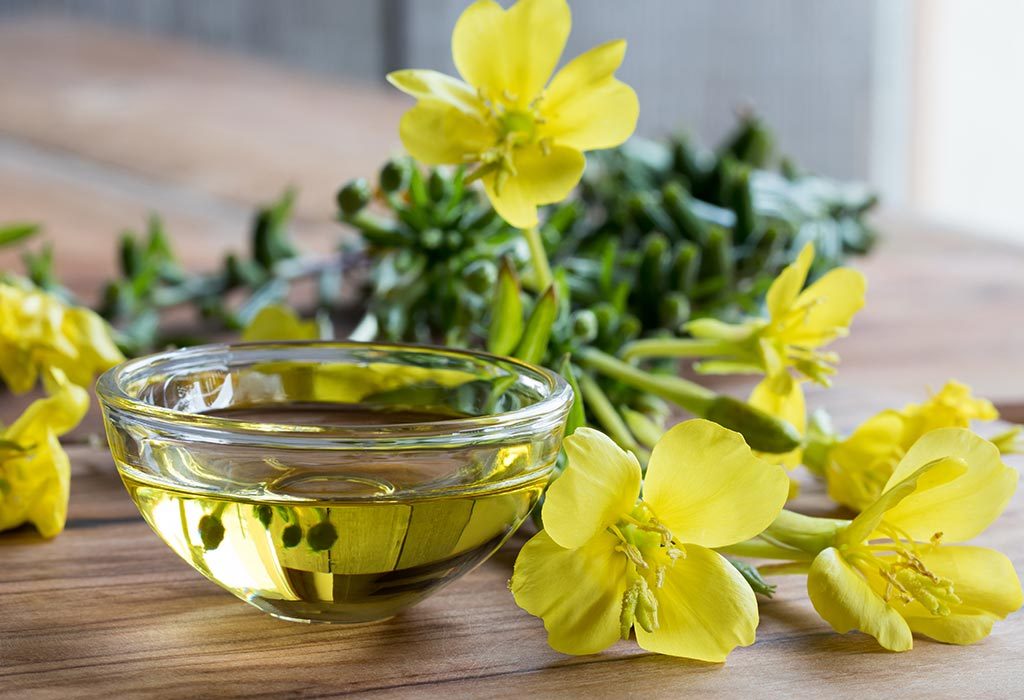
Gentle head massages with some warm oil two to three times a week are highly recommended for pregnant women. It not only boosts hair growth but also calms the scalp and helps them sleep better. You can use coconut, sesame, almond or olive oil directly to massage your scalp with your fingertips. Mixing these oils either with each other or with essential oils like lavender, rosemary, chamomile, cedarwood, and lemongrass, is also a good idea to make the most of the head massages. When using essential oils, always use a carrier oil (coconut oil, almond oil, sesame or olive oil) and mix only 1 to 2 drops of essential oil in about 2 tbsp of carrier oil. Lavender oil has hair-growth stimulating properties, while rosemary oil helps in increasing the thickness of hair. Chamomile oil makes your hair soft and shiny, while cedarwood oil slows down hair fall.

2. Choose a Good Shampoo and Conditioner
A good starting point in hair care for pregnant women is to pick a good shampoo and conditioner. Shampoos keep hair clean and smelling fresh. A good shampoo with the right ingredients can also improve hair growth and control conditions such as dandruff that cause hair fall. Pick a shampoo depending on your hair type and with natural ingredients such as argan oil, aloe vera, avocado oil or jojoba that can boost hair growth and add lustre. Conditioners moisturise and detangle your hair. A good conditioner also contains nutrients that soften and nourish the hair. It helps regulate the pH value of hair and smooths the hair cuticle, which is an outer protective layer covering each individual hair (3).
3. Consult Your Doctor Before Chemical Treatments and Colouring
During pregnancy, it is safer to avoid chemical treatments and high-chemical colouring. The chemicals could be absorbed by your scalp and passed on to the developing baby. They could also cause allergic reactions. So, before getting treatments like hair straightening, bleaching, perming, or colouring, consult your doctor.
4. Trim the Ends Regularly
Trimming the ends of your hair regularly will help prevent split ends and rough edges. Getting a new hairstyle will also make you feel good about yourself.
5. Do Not Comb When Wet
Hair is weakest when it is wet. If you comb wet hair, you risk breaking off the strands of hair when they get caught in the comb.
6. Know Your Hair and Scalp Type
Before deciding on which shampoo, conditioner or massage oil to use, it is important to figure out what your hair type and scalp type is. You have to understand whether your hair is thick or thin, straight or curly, dull or shiny. You also need to figure out if your scalp is dry, oily, or normal. In case you have any problems like dandruff, brittle hair or thinning and limp hair, you need to pick a shampoo and conditioner suitable for that specific condition.
7. Avoid Hairstyles That Are Too Tight
It is one of the most underrated pregnancy hair care tips. Tight hairstyles that pull and stress your hair can aggravate hair fall. Avoid tight braids, cornrows, ponytails, or tight buns (4).

8. Eat Healthily
The key to having voluminous, lustrous hair is a balanced diet. Include fresh fruits and vegetables along with seeds, nuts, and foods rich in protein in your diet. Also, drink enough water and stay hydrated throughout the day.
9. De-Stress
Stress is a major cause of hair loss during pregnancy and after delivery. Stress triggers hair fall and also causes the body’s white blood cells to attack its own hair follicles, in a condition called ‘alopecia areata’. Go for a walk in a garden or try breathing exercises and yoga to de-stress and relax.
10. Fenugreek Seeds
Fenugreek is excellent for hair growth, and is one of the best-recommended home remedies for hair care during pregnancy. Soak a tablespoon of fenugreek seeds overnight in a cup of water. The next morning, grind this into a smooth paste and apply it to your hair. Leave for an hour and then wash it off.
Are There Any Products You Should Avoid While Pregnant?
The following are the products or treatments you should refrain from using during pregnancy:
- If you are taking any prescribed medication for treating hair loss, it should be avoided.
- Many hair straightening treatments contain a known carcinogen called formaldehyde. It should be avoided.
- Avoid harsh chemicals like bleach, keratin, or relaxers during pregnancy
- Any over-the-counter medicine for any ailment without consulting your doctor.
FAQs
1. Is it normal to experience new hair growth in unusual places during pregnancy?
Yes, it’s common for some women to notice hair growth in unexpected areas, such as the face, abdomen, or back, during pregnancy. This is due to increased levels of androgens (male hormones) in the body. These changes are usually temporary and tend to resolve after childbirth.
2. Are there any specific hair treatments I should avoid during pregnancy?
While many hair treatments are considered safe, it’s advisable to avoid chemical treatments such as keratin straightening, Brazilian blowouts, and certain perm solutions, as they may contain formaldehyde or other harsh chemicals that could be harmful during pregnancy (5).
3. Is it safe to dye my hair during pregnancy?
As per the American College of Obstetricians & Gynecologists, colouring your hair during pregnancy does not harm the fetus because only small amounts of hair dye chemicals are absorbed through a healthy scalp (6). A recent review suggests that personal use of hair products by pregnant women 3 to 4 times throughout pregnancy is fine (7). Consider waiting until after the first 12 weeks or after your first trimester and follow precautions such as wearing gloves and using hair dye in a well-ventilated area (8).
4. Can pregnancy cause changes in the scalp’s pH balance?
Yes, hormonal changes during pregnancy can alter the scalp’s pH balance, leading to conditions such as increased oiliness, dryness, or even sensitivity. These changes might cause your usual hair care products to work differently, so you may need to adjust your routine to maintain scalp health.
5. Can I oil my hair during pregnancy?
Yes, it is absolutely safe to use hair oil during pregnancy. Make sure to use organic and chemical- and mineral-free oil. Sweet almond oil, jojoba oil, coconut oil, and argan oil are some great options for hair care.
6. Can I use hair removal products during pregnancy?
Healthdirect Australia confirms that you can use hair removal creams, roll-ons, lotions, sprays, and wax during pregnancy. Laser hair removal treatments are also safe during pregnancy. There is no known risk to the fetus. The side effects could be developing an allergy or intolerance as your skin becomes more sensitive compared to your pre-pregnancy state. It is wise to test the product on a small patch of your skin before using it fully (2).
This was all about hair care in pregnancy. The increased postpartum hair fall can be alarming for most women. However, the increased hair loss is only because all the hair that was in the growing phase during pregnancy moves into the resting phase and tends to shed. Once the hormone levels are back to normal in the body, the hair growth and fall cycle will also return to normal. This could take several months to a year. During this time, it is important for women to maintain a balanced diet and stay hydrated to have healthy hair. Try the tips suggested in this article during pregnancy and after delivery for voluminous, shiny, and healthy hair.
References/Resources:
2. Pregnancy Birth and Baby – Hair care during pregnancy
3. American Academy of Dermatology Association – Tips For Healthy Hair
4. American Academy of Dermatology Association – 10 Hair Care Habits That Can Damage Your Hair
5. Cleveland Clinic – Is It Safe To Dye Your Hair While You’re Pregnant?
6. American College of Obstetricians & Gynecologists – Is it safe to dye my hair during pregnancy?
7. National Library of Medicine – Safety of hair products during pregnancy
8. American Pregnancy Association – Hair Treatment During Pregnancy
Also Read:
Hair Growth during Pregnancy
Pubic Hair Removal in Pregnancy
Greasy (Oily) Hair while Pregnant
Hair Growth on Stomach when Pregnant
Getting a Haircut During Pregnancy – Is it Safe?
Was This Article Helpful?
Parenting is a huge responsibility, for you as a caregiver, but also for us as a parenting content platform. We understand that and take our responsibility of creating credible content seriously. FirstCry Parenting articles are written and published only after extensive research using factually sound references to deliver quality content that is accurate, validated by experts, and completely reliable. To understand how we go about creating content that is credible, read our editorial policy here.
- Author


Related Articles
-

Flaunting your Pregnant Belly at Work
-

Maternal Fetal Medicine Specialists (Perinatologist) - What Are They & When to See One?
-

Airport Scanners When Pregnant: Are They Safe for You & Your Baby?
-
9 Ways to Avoid Stress During Pregnancy
-

Stunning Co-Ed Baby Shower Ideas
-

Heightened Sense of Smell During Pregnancy - Causes and Tips to Cope With It