
First Month Pregnancy Diet – Foods to Eat & Avoid
Learn what to eat during the first month of pregnancy with a balanced diet plan, essential nutrients, and healthy food choices.





Medically Reviewed By
Megha Mukhija
(Paediatric Nutritionist)

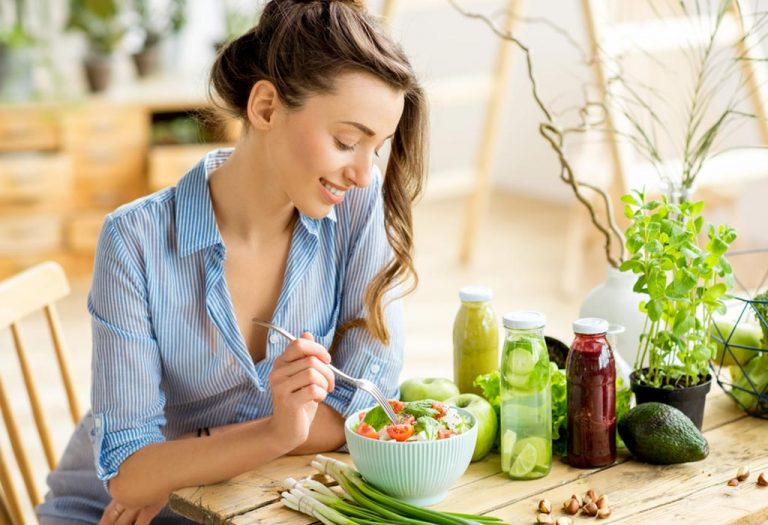
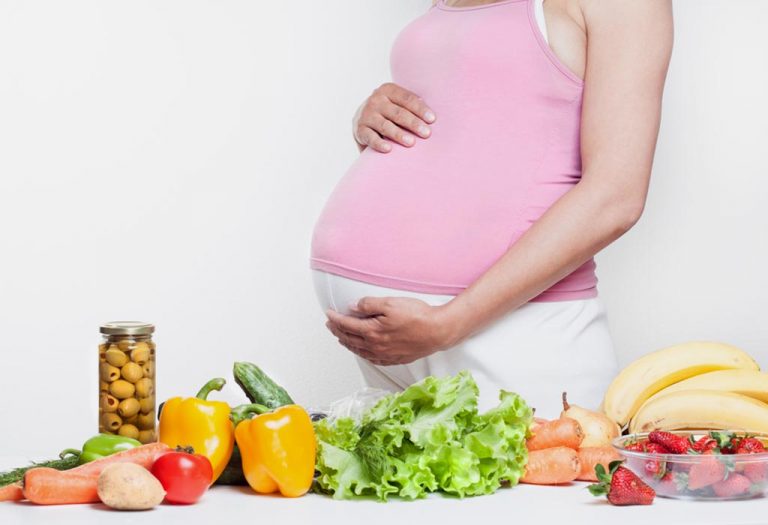
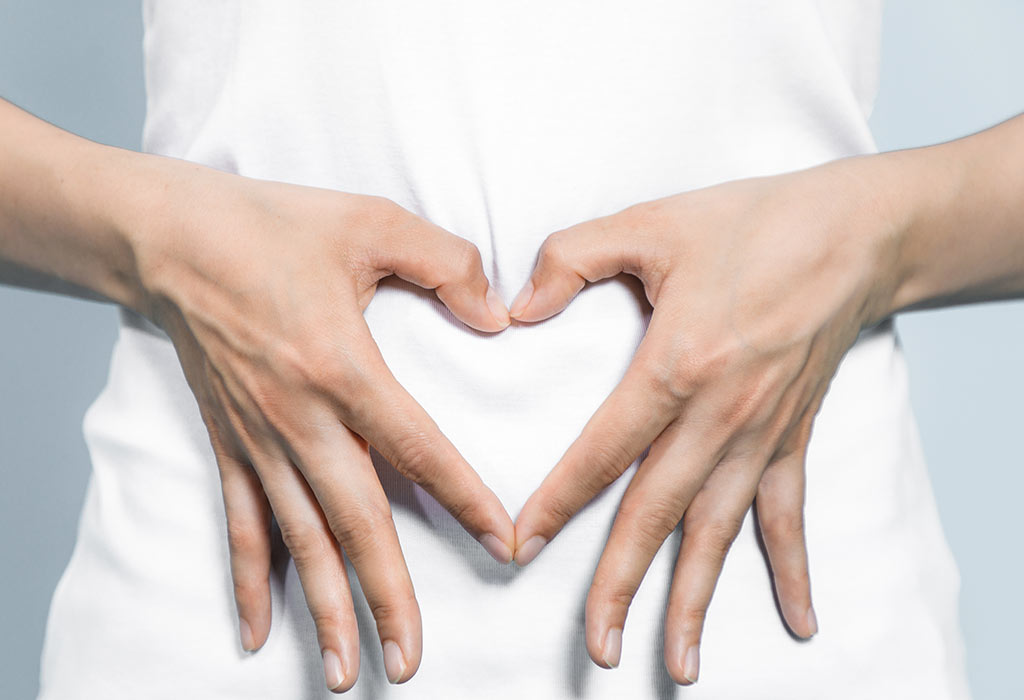
Congratulations on the exciting news of your pregnancy! As you embark on this incredible journey, your body will undergo many changes, including cravings and aversions to certain foods. During the first month of pregnancy, it’s essential to maintain a healthy and balanced first month pregnancy diet to support the growth and development of your baby. While there are some foods to avoid in first month of pregnancy, there are also plenty of delicious and nutritious options you can enjoy. In this article, we’ll explore the best choices for what to eat in first month of pregnancy, helping you make informed decisions for both you and your little one.
Foods You Should Eat During the First Month of Pregnancy
If you are in the 1st month of pregnancy and wondering what to eat, we’re here to help. Here are some of the best foods you should include in your diet during this early stage.
1. Dairy Products
Dairy products, especially the fortified ones are a great source of calcium, vitamin D, protein, healthy fats, and folic acid. Add yoghurt, and milk to your diet to gain the benefits of these nutrients (1).
2. Folate-Rich Foods
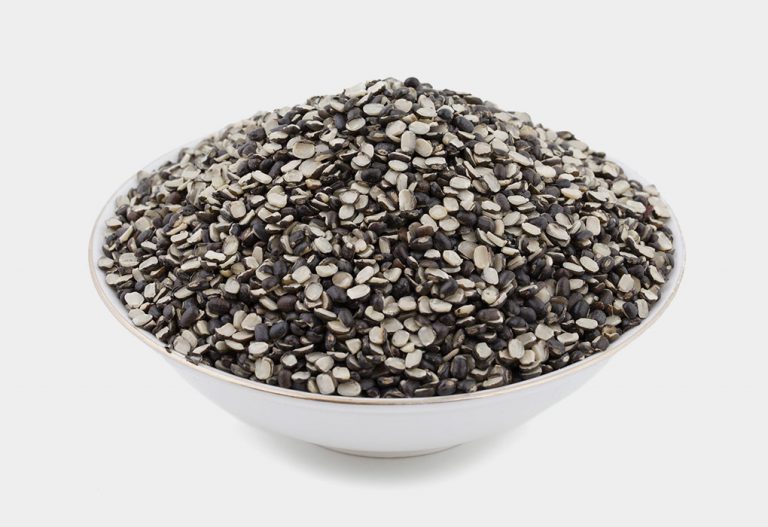
During the early development of the foetus, folic acid helps form the neural tube. Folic acid is very important because it can help prevent some major birth defects of the baby’s brain (anencephaly) and spine (spina bifida). It’s important to add folate-rich foods to your diet even if you are taking folic acid supplements. Examples of such foods are citrus fruits, beans, peas, lentils, rice, and fortified cereal (2).
3. Whole Grains
Whole grains are a healthy source of carbohydrates, dietary fibre, vitamin B-complex, and minerals like iron, magnesium and selenium. These are essential for your baby’s growth and development. Examples of whole grains include barley, brown rice, buckwheat, bulgur wheat, millets, and oatmeal (3).
4. Eggs and Poultry
Eggs are a good source of proteins, vitamins A, B2, B5, B6, B12, D, E, and K, and minerals like phosphorus, selenium, calcium and zinc. Poultry is also an excellent source of proteins (4).
5. Fruits
Fruits such as musk melon, avocado, pomegranate, banana, guava, oranges, sweet lime, strawberries, and apples contain several vitamins and antioxidants necessary for the growth of the baby in the womb (5).
6. Vegetables
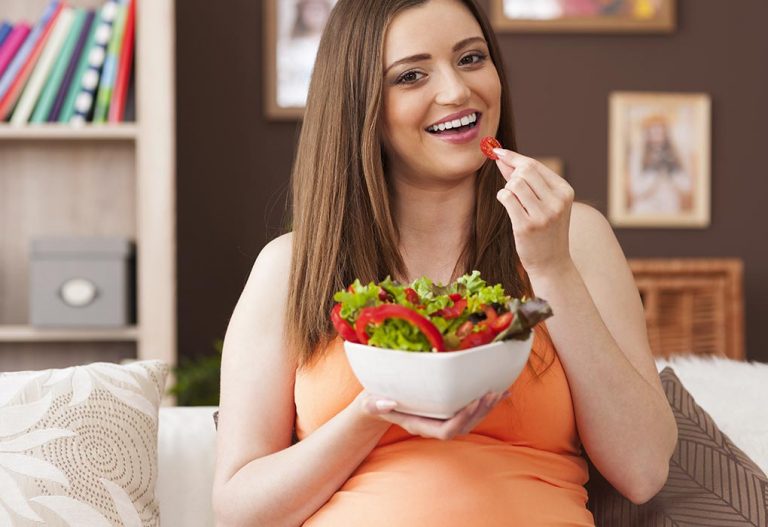
Plenty of vegetables on your plate will ensure your baby gets all the nutrients. Some vegetables you should include are broccoli, kale, spinach, carrots, pumpkin, sweet potatoes, tomatoes, bellpeppers, corn, drumstick, eggplant, cabbage, etc.
7. Seeds and Nuts
Seeds and nuts are excellent healthy fats, vitamins, proteins, minerals, flavonoids, and dietary fibre sources. Ensure you eat these regularly in the first month and throughout your pregnancy (6).
8. Fish
Fish has low-fat and high-quality protein. It’s also a good source of Omega-3 fatty acids, Vitamins B2, D, and E, and essential minerals like potassium, calcium, zinc, iodine, magnesium, and phosphorous (5). However, raw fish or shellfish should be avoided.
9. Meats
Meat contains vitamin B, proteins, zinc, and iron which are good for you and the baby. Include lean meats in your diet in the first month of pregnancy.
10. Cod Liver Oil
Cod liver oil is rich in Omega-3 fatty acids essential for fetal brain and eye development. Vitamin D can prevent preeclampsia – all the more reason to have it!
11. Dried Fruits
One serving of dried fruits provides pregnant women with vitamins, minerals, iron, potassium and folate. Prunes and dates are good choices. However, these are also rich in natural sugars, so avoid taking more than one helping at a time.
12. Iodised Salt
Only use iodised table salt during pregnancy. Salt infused with iodine can help the baby’s nervous system and brain develop properly.
13. Legumes
Legumes such as beans, chickpeas, lentils, and peas are excellent sources of plant-based protein, fibre, iron, folate, and calcium. These nutrients are especially important during early pregnancy as they support the baby’s growth and help prevent iron deficiency in the mother.
Foods to Avoid in the First Month of Pregnancy
Knowing what foods to avoid in first month of pregnancy is just as important as knowing what to eat. Here are some foods you should avoid during this early stage of pregnancy.
1. Soft Cheese
Soft cheese is made from unpasteurised milk and contains bacteria that can cause food poisoning. Hence, it’s best to avoid soft cheese during early pregnancy (7).
2. Packaged and Processed Foods
Packaged and processed foods such as juices, microwave-ready meals, cakes, biscuits, condensed milk, etc. contain preservatives and empty calories. Some packaged foods may also contain bacteria that can cause food poisoning. Eat fresh, home-cooked meals made with natural or organic produce instead.
3. Seafood
Seafood contains high levels of mercury, that can lead to foetal brain damage and a delay in developmental milestones. Avoid swordfish, and raw shellfish, and limit the consumption of tuna, salmon, mackerel, sardines, trout and herring (8).
4. Papayas
Unripe and semi-ripe papayas contain latex, which triggers uterine contractions and causes preterm labour or even miscarriage. Avoid these during pregnancy. Ripe papayas contain several nutrients and can be consumed in moderation if your doctor gives you the go-ahead (9).
5. Pineapples
Pineapples contain bromelain that can soften the cervix and lead to miscarriages or preterm labour. So, it’s better to avoid pineapples during early pregnancy.
6. Raw/Undercooked Eggs and Meats
Raw or undercooked meats may be contaminated by bacteria, salmonella, listeria, etc., that can affect the unborn child’s development. Even slightly undercooked pork contains roundworm cysts that can cause severe damage to the baby’s health (8).
7. Caffeine
Caffeine should be limited in early pregnancy as excess causes sleeplessness, irritability and nervousness. It also increases the risk of miscarriage.
8. Alcoholic Beverages
Alcohol is bad for the developing foetus as it can cause severe birth defects (10).
9. Sugary Foods
Pregnant women need an extra 300 calories daily to support the baby’s growth. However, consuming too many sweets leads to weight gain and gestational diabetes.
10. Unpasteurised Milk
Unpasteurised or raw milk may contain harmful bacteria such as Listeria, Salmonella, and E. coli, which can cause serious infections during pregnancy (3). These infections may affect both the mother and the developing baby. To stay safe, always choose pasteurised milk and dairy products during pregnancy.
Folate-Rich Food Menu for a Day in Your First Trimester
The following sample 1st month of pregnancy diet includes a variety of folate-rich foods such as avocado, spinach, sweet potato, and quinoa. It also includes lean proteins like chicken and salmon, essential for foetal development. Additionally, the snacks provide a healthy dose of fibre and vitamins. Remember to speak to your healthcare provider before making any major dietary changes during pregnancy. You can follow this chart or a similar one to curate in your 1st month pregnancy diet.
1. Breakfast
- 2 slices of whole wheat toast with 1/2 avocado spread and 1 poached egg on top
- 1 cup of sliced strawberries
- 1 cup of orange juice
2. Lunch
- Grilled chicken breast salad with spinach, cherry tomatoes, 1/2 cup of sliced cucumbers, and 1/2 cup of sliced red peppers
- 1 small baked sweet potato
- 1 medium-sized apple
3. Snack
- 1/2 cup of edamame
- 1 medium-sized banana
4. Dinner
- 4 oz of grilled salmon with a side of steamed broccoli and 1/2 cup of cooked quinoa
- 1 small baked sweet potato
- 1 small green salad with mixed greens and sliced cucumbers, topped with a vinaigrette dressing
Tips
Here are some things you should keep in mind:
- Take prenatal vitamins, including folic acid.
- Consume a calcium-rich diet during pregnancy
- Talk to your doctor before embarking on a strict diet regime.
- Moderation is key – even healthy foods should be consumed in moderation. Excess of anything is bad.
- Include fruits and vegetables on your plate and cut down on junk food.
- Drink water.
FAQs
1. Which dry fruits are best in pregnancy?
Dry fruits are an excellent source of essential nutrients during pregnancy. The best dry fruits to include in your diet during pregnancy are almonds, walnuts, cashews, dates, and figs. These dry fruits are rich in iron, calcium, magnesium, and fibre, which are essential for the baby’s development.
2. Is rice good during pregnancy?
Yes, rice is an excellent carbohydrate source, a crucial nutrient during pregnancy. It provides the necessary energy for the mother and the baby. Brown rice is an even better option as it is rich in fibre and nutrients, such as vitamin B, zinc, and iron.
3. Is it safe to eat noodles during pregnancy?
Noodles are not harmful during pregnancy if consumed in moderation. However, it is essential to choose noodles made from whole grains and avoid those that contain artificial flavourings, preservatives, and MSG. Instant noodles, in particular, should be consumed in moderation as they are high in sodium and unhealthy additives.
4. Which vegetables should I avoid in pregnancy?
While vegetables are generally healthy during pregnancy, there are a few that you should avoid or limit. These include raw or undercooked sprouts, such as alfalfa, clover, and radish, as they can carry bacteria that cause foodborne illnesses. You should also limit your intake of cruciferous vegetables, such as broccoli and cauliflower, as they can cause bloating and gas. Additionally, some women may need to avoid nightshade vegetables, such as tomatoes and eggplants, if they experience heartburn or acid reflux. Consult with your healthcare provider for specific dietary recommendations as they can make a personalised food diet for you based on your pregnancy progress.
Several changes occur in your body in the first month of pregnancy. Hormonal changes can cause mood swings, fatigue and morning sickness. Eat healthy food, have small meals at regular intervals, keep yourself hydrated, do light exercises, and be stress-free to minimise these symptoms and keep your baby healthy and happy.
Also Read:
Pregnancy Diet for 3rd Month
2nd Month Pregnancy Diet – What to Eat and Avoid?
4th Month Pregnancy Diet – Foods to Eat and Avoid
Was This Article Helpful?
Parenting is a huge responsibility, for you as a caregiver, but also for us as a parenting content platform. We understand that and take our responsibility of creating credible content seriously. FirstCry Parenting articles are written and published only after extensive research using factually sound references to deliver quality content that is accurate, validated by experts, and completely reliable. To understand how we go about creating content that is credible, read our editorial policy here.
1. NHS – Have a healthy diet in pregnancy
2. National Institutes of Health – Folate
3. Johns Hopkins Medicine – Nutrition During Pregnancy
4. PubMed Central – The potential of a simple egg to improve maternal and child nutrition
5. The Women’s – Food & nutrition in pregnancy
6. Johns Hopkins Medicine – 5 Snack Foods to Eat While Pregnant
7. NHS – Foods to avoid in pregnancy
- Author
- Expert Reviewer
 About the Author