
Epithelial Cells in Urine In Pregnancy – Causes and Normal Range
Gynecologist-reviewed guide to epithelial cells in urine during pregnancy, covering causes, normal range and when to worry.





Medically Reviewed By
Dr. Sabiha Anjum
(Gynecologist/Obstetrician)


This health content has been medically reviewed by qualified experts and follows the FirstCry Parenting editorial policy to ensure accuracy and reliability.
While pregnant, you must take certain tests to ensure that your baby is developing just fine and that you are healthy, too. One of the tests that your doctor might suggest is a urine test; a urine test during pregnancy is done to check for epithelial cells in the urine. These cells are found on the skin, vessels, urinary tract, and organs. While it is expected to have a few epithelial cells in the urine, a large number can indicate several problems and can be a cause of concern. Many cells can be a sign of urinary tract infection, yeast infection, kidney disease, liver disease and certain types of cancer. If you are pregnant, read about epithelial cells in urine during pregnancy, their standard range, and more.
What Are Epithelial Cells?
Epithelial cells line the surfaces of our body, such as the skin, inside of the throat, intestines, all the organs and blood vessels. They are tightly packed and function as a barrier between the inside and outside of the body, protecting it from microbes (1). However, sometimes viruses can find places to get through the epithelial cells to further invade the body and cause disease. Since epithelial cells make up the first layer of tissue on the organs, they are present in different forms and sizes to perform different functions wherever they are present. Epithelial cells even line the inside of your food pipe and intestine, where they help in the digestion and absorption of food that you eat. In other areas, they secrete enzymes, hormones and mucus in the body (2).
Per MedlinePlus, it is normal to find a small amount of epithelial cells from the bladder and external urethra in the urine. But a higher number of epithelial cells in the urine may signal a urinary tract infection, kidney disease, or a medical condition (3).
Types of Epithelial Cells in Urine
Epithelial cells vary in their shape, size and appearance. There are three types that can be found in the urine sample.
1. Transitional
These cells originate from the tissues that lie anywhere between the urethra and renal pelvis. They are able to stretch readily to accommodate changes in the volume of liquids in an organ.
2. Squamous
These are large epithelial cells and originate from the female vagina and urethra. Squamous epithelial cells are the most commonly seen cells in urine during pregnancy.
3. Renal Tubular
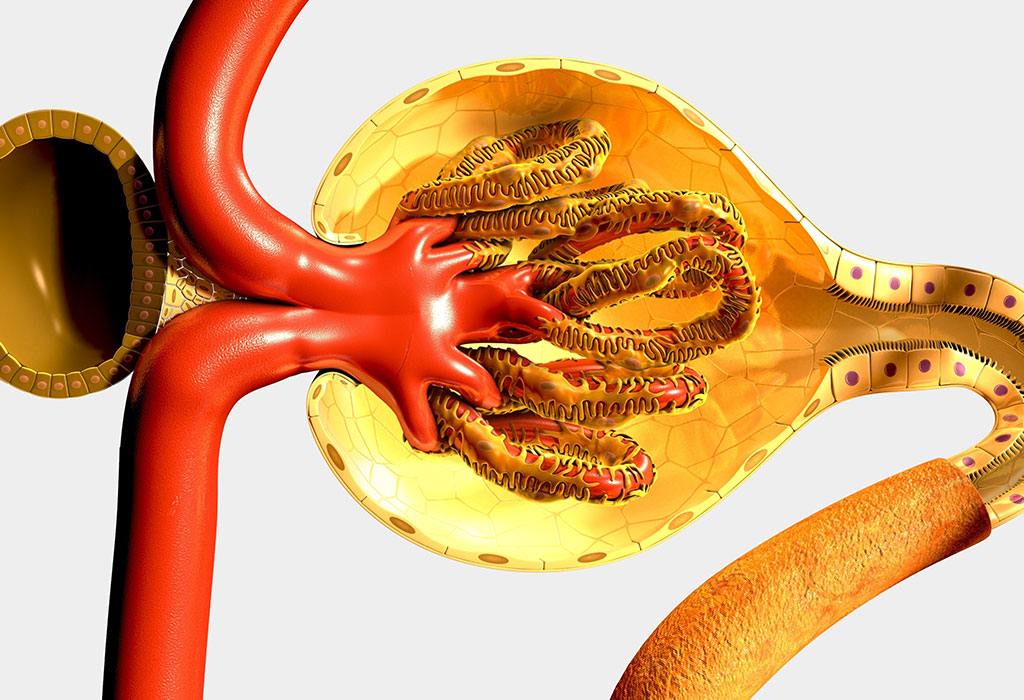
The renal tubular epithelial cells are from the kidneys, and an increased number of these cells can be a sign of a kidney disorder (4).
What Causes Epithelial Cells in Urine When Pregnant?
The presence of epithelial cells in urine during pregnancy may result from various factors, including hormonal changes, increased urinary tract sensitivity, or a mild infection. Pregnant individuals with such findings should consult a healthcare professional for further evaluation and guidance.
1. Tissue Sloughing
It is completely normal to lose some epithelial cells on a regular basis. All the organs in your excretory system have epithelial cells, and they are shed now and then as part of the body’s ongoing repair and maintenance. If you drink less fluids before a test and the urine is concentrated, it is possible to get a sample with high epithelial cells in urine in pregnancy.
2. Contamination
It is easy to contaminate the sample collection cup if you do not follow the proper procedure to collect urine. If your genitals are not clean prior to the test, it could contaminate the sample, as there would be an accumulation of epithelial cells which would pass into the sample container. The same could happen if you fail to properly use the cleaning wipes provided to clean your genitals. Sometimes the cup can get contaminated when you touch its interior, or it may have contaminants from the start; these could also throw off the readings. If you have suspicions of any of these, ask for another cup for a fresh sample to clear all doubts.
3. Urinary Tract Infections (UTIs)
Urinary tract infections generally begin at the urethra, from where the bacteria proliferate upward into the urinary system, such as the bladder and finally the kidneys. When the bladder lining is irritated or inflamed, it causes sloughing of the epithelial cells in the bladder, which can be found in the urine sample. In a severe UTI case which has made its way to the kidneys, it is possible to find renal epithelial cells in the urine samples, and the doctor would treat the infection accordingly. It is important to note, however, that there could be other serious causes which can lead to similar test results as a UTI and as such, your doctor would look into it carefully. When random urine samples come back with high epithelial cells, UTIs must be ruled out first before proceeding further (5).

4. Kidney Disease
Pathologists also look for a particular type of cells coming from the kidneys. Finding epithelial cells during pregnancy from the renal tubes could indicate a severe infection in the kidneys or other kidney issues. The renal tubes function to filter out blood and produce urine. Finding a large number of these cells in a urine sample could be an indication of nephrotic syndrome. This condition is always caused by damage to the kidneys.
Treatment that follows the test depends on the cause of the abnormal numbers of epithelial cells and their types. Most UTIs are caused by bacteria and hence treated with antibiotics. Viral UTIs are treated with antivirals. Kidney disease is treated by managing the underlying causes, such as high blood pressure, high cholesterol, and high blood sugar levels. Your doctor may also advise you the following:
- Making Healthy dietary changes
- Cutting back on high-salt and high-cholesterol foods
- Blood pressure medication to manage the progression of the disease and preserve kidney function
- Drinking plenty of water to stay well-hydrated
- Drinking cranberry juice to ward off UTIs
5. Hormonal Changes
Hormonal changes are a primary factor behind the presence of epithelial cells in the urine of pregnant women. Pregnancy triggers substantial fluctuations in hormone levels, particularly elevated estrogen and progesterone, which can affect the renal system, urinary tract, and vaginal mucosa. There is a shift in urine composition and muscle function, often resulting in the shedding of epithelial cells into the urine. While this phenomenon is typically considered normal during pregnancy, it underscores the importance of hormonal influence on urinary parameters and the need for regular prenatal monitoring to ensure maternal and fetal well-being.
Ranges of Epithelial Cells in Urine During Pregnancy
In order to understand the number of epithelial cells, you will need to undergo a urine evaluation test. The technician will look for the number of visible cells in a High Power Field (HPF) under a microscope. Based on how many they see, the test report will indicate a few, moderate or large number of epithelial cells. Since these cells are shed from the body due to the ongoing build and repair process, the normal range of epithelial cells in urine during pregnancy or prior to it can range from 1 to 5 flat cells under a high power field.
Pregnant women generally have a slightly higher count of epithelial cells in the urine as their bodies are going through a lot of changes. Hence, 8-10 epithelial cells in urine should not be alarming during pregnancy. However, further tests to look for urinary tract infection, yeast infection or inflammation caused by another condition should be carried out. Higher ranges of epithelial cells than these are a cause of concern. For example, more than 15 renal tubular epithelial cells under a high power field indicates a problem in the kidneys.
What If You Have High Epithelial Cells in Urine During Pregnancy?
If it is found that you have 15-20 epithelial cells in your urine during pregnancy or more, you need to worry. Technicians have to first rule out the possibility of the presence of large amounts of sediment in the first urine sample that may be concentrated. It means you will have to drink more water and go for another urine test after some time.
How to Maintain Urinary Health During Pregnancy?
Trust us; it is not that difficult to maintain your urinary health. Here are some simple and practical tips from the Cleveland Clinic that you can do use in daily life and maintain urinary health during pregnancy (6):
- Stay hydrated by drinking clean drinking water throughout the day.
- Invest in good, breathable cotton underwear that prevents moisture and bacteria buildup.
- Practice good hygiene by wiping from front to back after using the bathroom. This helps avoid bacterial contamination and a host of infections.
- Don’t avoid urinating for a longer period. Pee when your bladder is full and empty the bladder by slightly leaning forward while peeing.
- Urinate in clean bathrooms only when out. Keep a sanitising kit with you.
- Don’t miss out on your prenatal checkups.
- Include cranberries or cranberry juice in your diet to keep your urinary health optimal.
When to Consult a Doctor?
While some amount of epithelial cells is normal during pregnancy, their higher presence accompanied by certain symptoms warrants a consult with a doctor. If you experience any of the following symptoms, consult a doctor:
- Burning sensation during urination
- Fever or chills
- Frequent urination with small amounts
- Cloudy or foul-smelling urine
- Pelvic pain or pressure
FAQs
1. Is having bacteria in urine during pregnancy normal?
It’s not uncommon to find bacteria in urine during pregnancy, but it’s typically not considered normal. A healthcare professional should evaluate Bacteriuria (the presence of bacteria in the urine) to prevent potential urinary tract infections.
2. Is it normal to have epithelial cells in the urine during pregnancy?
Yes, a small count of epithelial cells present in the urine when you are pregnant is normal and not a concern. However, a large amount is always alarming.
3. Can dehydration affect epithelial cells in the urine?
Yes, there could be an increase in the number of epithelial cells due to dehydration, as it concentrates the urine. Thus, it is important to stay hydrated.
4. What are the possible causes of high epithelial cells in urine during pregnancy?
Urinary tract infections, dehydration, vaginal infections, or sample contamination could be the reasons behind the high epithelial cells in urine during pregnancy.
5. How to treat urine infection during pregnancy?
Treating a urinary tract infection during pregnancy usually involves a course of antibiotics prescribed by a healthcare provider. It’s important to seek medical advice promptly, as untreated infections can lead to more serious complications.
Finding epithelial cells in urinalysis is generally not a cause for alarm. Further testing and confirmation can rule out other variables and establish a cause. If you have a large number of epithelial cells in your urine, consult your doctor – she will guide you best. Take precautionary measures and have a healthy pregnancy!
Also Read:
Frequent Urination in Pregnancy
Change in Urine Color during Pregnancy
Reasons of Smelly Urine while Pregnant
Was This Article Helpful?
Parenting is a huge responsibility, for you as a caregiver, but also for us as a parenting content platform. We understand that and take our responsibility of creating credible content seriously. FirstCry Parenting articles are written and published only after extensive research using factually sound references to deliver quality content that is accurate, validated by experts, and completely reliable. To understand how we go about creating content that is credible, read our editorial policy here.
- Author
- Expert Reviewer