Most women experience zero complications during pregnancy, and they go on to deliver and raise healthy babies. But for some women, things don’t go as expected, and they may have to end their pregnancies. It can be heartbreaking for a couple to make the difficult decision of ending their pregnancy, or it may result in a miscarriage. If a woman’s pregnancy needs to be terminated within the first thirteen weeks, a procedure called Dilation and Curettage is performed. However, if the pregnancy is further along, then Dilation and Evacuation (D&E) will be performed. In this article, we will explore everything about the D and E procedure, including how long it takes to complete, risks, complications, and more.
Play The Quiz And Win Exciting Prizes
ADVERTISEMENT
Play The Quiz And Win Exciting Prizes
ADVERTISEMENT
Play The Quiz And Win Exciting Prizes
ADVERTISEMENT
Play The Quiz And Win Exciting Prizes
ADVERTISEMENT
What Is Dilation and Evacuation?
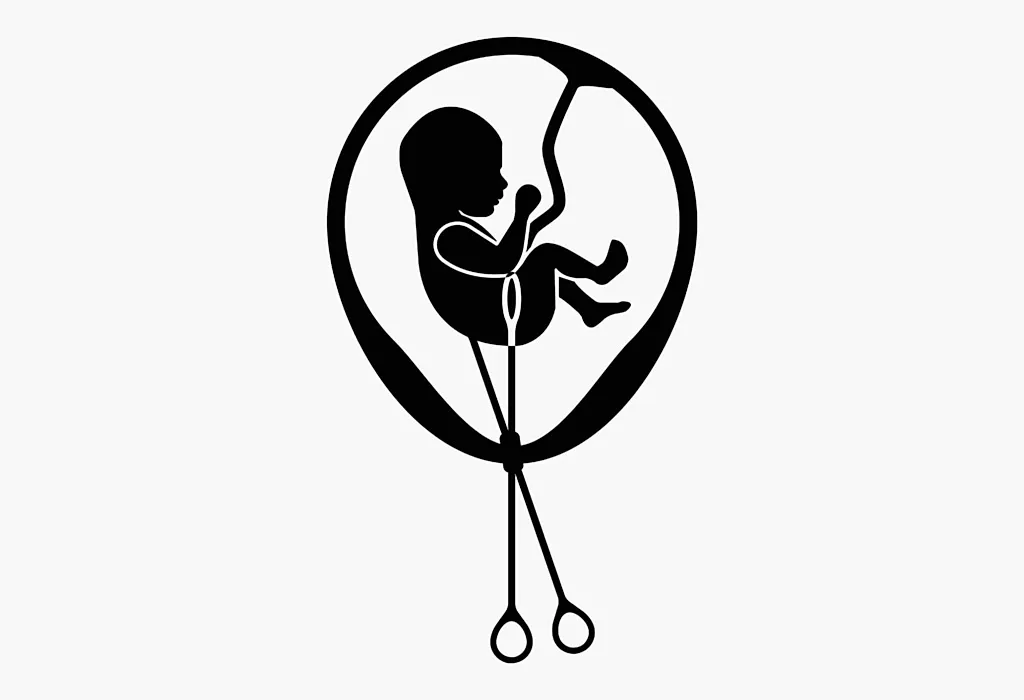
Dilation and evacuation is a medical procedure that is performed in the second trimester of pregnancy to remove the remains of a fetus from the uterus. It combines dilation, vacuum aspiration and curettage. During D&E, suction and uterine forceps are used to aid in removing the remains of the foetus (1). While a D&E is usually done before the 15th week of pregnancy, women can also have a D&E at 20 weeks(2).
When Is D&E Abortion Done?
Women who need to end their pregnancies from the 13th week onwards can undergo the D&E procedure of abortion (3).
Play The Quiz And Win Exciting Prizes
ADVERTISEMENT
Play The Quiz And Win Exciting Prizes
ADVERTISEMENT
Play The Quiz And Win Exciting Prizes
ADVERTISEMENT
Play The Quiz And Win Exciting Prizes
ADVERTISEMENT
To Whom Is D&E Recommended?
There are various reasons why a woman may need to undergo a D&E procedure. A woman may be recommended D & E in the following cases:
When the baby dies in the womb. The baby will be stillborn, and the woman will be advised to have its remains removed, as it can sometimes lead to an infection.
If the baby is detected with extremely serious abnormalities, an abortion will be suggested.
In some cases, the woman’s health may be seriously compromised if she continues with the pregnancy. In such cases, she may be advised to terminate the pregnancy.
How Long Does It Take for the D & E Procedure?
The actual D&E (Dilation and Evacuation) procedure usually takes around 10 to 30 minutes, depending on the stage of pregnancy and the patient’s condition. However, the complete process may take longer because cervical preparation is often done several hours or even a day before the procedure (4).
Play The Quiz And Win Exciting Prizes
ADVERTISEMENT
Play The Quiz And Win Exciting Prizes
ADVERTISEMENT
Play The Quiz And Win Exciting Prizes
ADVERTISEMENT
Play The Quiz And Win Exciting Prizes
ADVERTISEMENT
After the procedure, the patient is typically monitored for a few hours before being discharged. Most women return home on the same day (5).
Tests Before The D&E Procedure
Before performing a D&E procedure, doctors may recommend several tests to ensure safety and reduce complications. These commonly include:
ADVERTISEMENT
ADVERTISEMENT
ADVERTISEMENT
ADVERTISEMENT
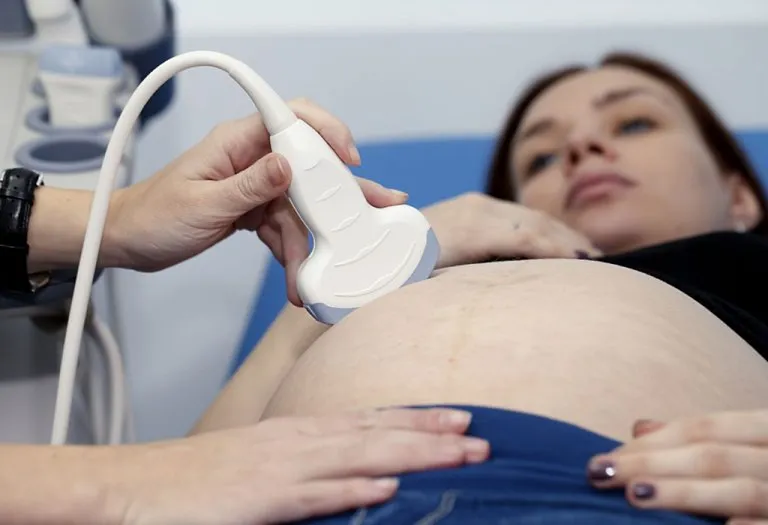
Ultrasound scan to confirm gestational age
Blood tests to check blood group and haemoglobin levels
Blood pressure and general health evaluation
Screening for infections if required
Review of medical history and current medications
These tests help the healthcare provider plan the safest treatment approach for the patient.
What Happens Before D&E?
Your doctor may write you an ultrasound to confirm the gestational age. Before the procedure, the cervix needs to be gently widened or softened to make the process safer. Doctors may use medications or special dilatants for cervical preparation.
ADVERTISEMENT
ADVERTISEMENT
ADVERTISEMENT
ADVERTISEMENT
The patient may also receive:
Medicine to soften and widen the cervix (given the night before the procedure)
Sedation or anaesthesia so that the patient doesn’t feel pain
Instructions about eating or drinking before the procedure
Antibiotics to lower infection risk
Counselling about recovery and aftercare
Healthcare providers usually explain the risks, possible side effects, and warning signs to watch for after the procedure. Emotional support and follow-up care are also important parts of the process.
ADVERTISEMENT
ADVERTISEMENT
ADVERTISEMENT
ADVERTISEMENT
Dilation and Evacuation Procedure Steps
Having to make the decision to terminate a pregnancy is very difficult for expectant couples. It can be very frightening for a woman to undergo such an experience, and not knowing what to expect can be helpful. Here is what to expect from D&E procedures (6):
Step 1: During the Surgery
Dilatants for abortion at this stage are necessary. The cervix is prepared around one or two days before the actual procedure is to be performed. This often requires the use of either seaweed or hydrogel rods. These absorb the moisture from the cervix and then expand it.
Another method that can be used to expand the cervix is through medication, but this is not preferred unless it is earlier in the 13th week.
Antibiotics are administered to prevent infection. General anaesthesia is administered before anything is done.
Once the anaesthesia has set in, the foetus and the placenta are removed from the uterus through the use of suctioning, curettage and forceps.
Step 2: After the Surgery
You will need to rest to allow your body to heal properly.
You will be put on antibiotics and other medications that help with shrinking the uterus.
Spotting or bleeding for two weeks after the procedure is normal. Use pads for this and avoid anything that needs to be inserted into the vagina. This is all to prevent abstaining from sex at this time.
Cramping is to be expected. The uterus will shrink back to its original size. This cramping may last for a few days, or it could be only for several hours. It depends on the individual.
Risks and Complications
While most procedures go off without a hitch, there are some occasions when you might face a few complications that will require serious medical attention.
ADVERTISEMENT
ADVERTISEMENT
ADVERTISEMENT
ADVERTISEMENT
Risks Associated With D&E Surgery
Here are some of the risks that are associated with the D&E procedure (7):
Injury can be caused in the lining of the uterus or the cervix.
Although rare, a hole can form in the lining of the uterus. This is called a uterine perforation. It usually forms during the dilation stage.
The uterus may not contract back into its non-pregnant size
Tissue can sometimes remain in the uterus.
Complications That Can Occur Later
Sometimes complications associated with the D&E procedure can arise at a later date. These complications include:
ADVERTISEMENT
ADVERTISEMENT
ADVERTISEMENT
ADVERTISEMENT
If you have developed a body infection as a result, you may experience muscle aches, headaches and dizziness. You could also go through a general feeling of unease or illness. Not all infections result in a fever as a symptom.
Severe bleeding, different from your regular menstrual bleeding, can occur. This bleeding can be excessive, and you may have to go through at least two large pads in an hour or less.
Fever or hot flashes that last for over four hours.
Swelling of the abdomen.
Vomiting that continues for over four hours.
Increased heart rate.
Swelling, pain or redness occurring in or around the genitals.
Increased vaginal discharge or discharge with a bad odour.
D&E Abortion – Cost
Dilation and evacuation abortion is an expensive procedure and can cost from around $500 to $3000 or sometimes, much more.
ADVERTISEMENT
ADVERTISEMENT
ADVERTISEMENT
ADVERTISEMENT
Taking Care After Undergoing a D&E Procedure
Having an abortion so late in the pregnancy can be very difficult for a woman. But if it is inevitable, you will have to go through it. There are a few things you should keep in mind to take care of yourself after undergoing a D&E procedure for your speedy recovery:
Remember that, as you have just gone through a very difficult procedure related to your reproduction, you will need to abstain from having sexual intercourse until your doctor says it is all right. Even when you get a go-ahead from your doctor, it is advisable that you ask your spouse to use a condom to lower the chances of infections. Birth control is another thing you will need to consider. Getting pregnant again so soon will not allow your body to heal as well as it should after going through something so traumatic.
For those who have had to undergo a D&E procedure, it is best that they visit a counsellor if they are unable to recover emotionally. You can even visit your therapist if you already have one. It is very important to speak to a professional, as there could be many factors that can lead to depression. Depression can also be a result of the changes in pregnancy hormones. Some of the most notable symptoms of depression are a change in your appetite or sleep, fatigue, constant sorrow, anxiety, emptiness and irritability. If these persist for more than two weeks, you should definitely seek counselling.
After the procedure, you will be kept under observation for about an hour or so. Once the observation period is over, your nurse will give you all the instructions you need to follow to recover physically.
Whether you undergo a D&E procedure due to a complication or a miscarriage, it can take a toll on your health. Your physical and mental health will suffer, but it is important that you speak to your doctor and open up to your loved ones to heal completely.
ADVERTISEMENT
ADVERTISEMENT
ADVERTISEMENT
ADVERTISEMENT
When to Consult a Doctor?
If you experience any of the following symptoms, it is advised to consult a doctor immediately:
Stomach pain that only gets worse
Swelling of your belly
Fluid from the vagina that increases or smells bad
Fast heart rate
Vomiting
Fever of 100.4°F (38°C) or higher
Feeling achy or unwell
New weird symptoms that get worse
Signs of depression that last for 2 weeks or more
FAQs
1. Is the D&E procedure painful?
The procedure is usually done under sedation or anaesthesia, so most women feel little to no pain during it. Mild cramping and bleeding afterwards are common.
ADVERTISEMENT
ADVERTISEMENT
ADVERTISEMENT
ADVERTISEMENT
2. How safe is a D&E abortion in the second trimester?
D&E is considered one of the safest and most commonly used methods for second-trimester abortion when performed by an experienced healthcare provider.
3. Will a D&E procedure affect future fertility?
In most cases, a properly performed D&E does not affect future fertility or the ability to get pregnant again.
ADVERTISEMENT
ADVERTISEMENT
ADVERTISEMENT
ADVERTISEMENT
4. How long does recovery take after a D&E procedure?
Many women recover physically within a few days, though light bleeding and cramps may continue for one to two weeks.
5. Is hospital admission required for a D&E procedure?
Most D&E procedures are done as outpatient procedures, meaning the patient can usually go home the same day unless complications arise.
ADVERTISEMENT
ADVERTISEMENT
ADVERTISEMENT
Don’t keep your feelings bottled up. Speak to your gynaecologist about what you can do for a speedy recovery. Remember, undergoing a D&E procedure does not mean that you won’t be able to have a baby again. The D&E procedure does not affect a woman’s fertility. So give yourself enough time to heal; once you’re ready to have a baby, you can always try for another child if there are no health risks!
Parenting is a huge responsibility, for you as a caregiver, but also for us as a parenting content platform. We understand that and take our responsibility of creating credible content seriously. FirstCry Parenting articles are written and published only after extensive research using factually sound references to deliver quality content that is accurate, validated by experts, and completely reliable. To understand how we go about creating content that is credible, read our editorial policy here.
From working in sales to creating social media campaign plans for clients, Ruchelle finally found her calling in content writing. She specialises in website and social media content, online reputation management and client servicing and has helped numerous B2C companies with their content needs.
Ruchelle has a vast experience working with clients in hospitality, health and wellness, entertainment, real estate, and retail. She aims to utilise her learnings to deliver quality content which will in turn help drive sales and customer engagement.
She is also a huge foodie. When she isn’t writing, you can find her catching up with old friends over lunch or dinner, or sampling the menu of the newest restaurant in town. She also loves experimenting with Continental dishes in the kitchen, and can’t imagine life without her two dogs.
Education & Specialization: Master of Management Studies (Marketing) Years of Experience: 6