
Abdominal Pregnancy – Symptoms, Risks, and Treatment
Abdominal pregnancy is a rare, life-threatening condition that needs early diagnosis and timely treatment to protect mother and baby.





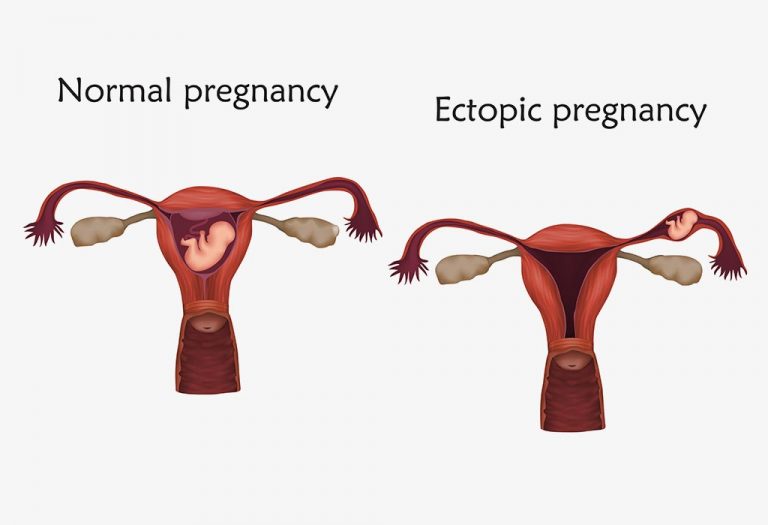
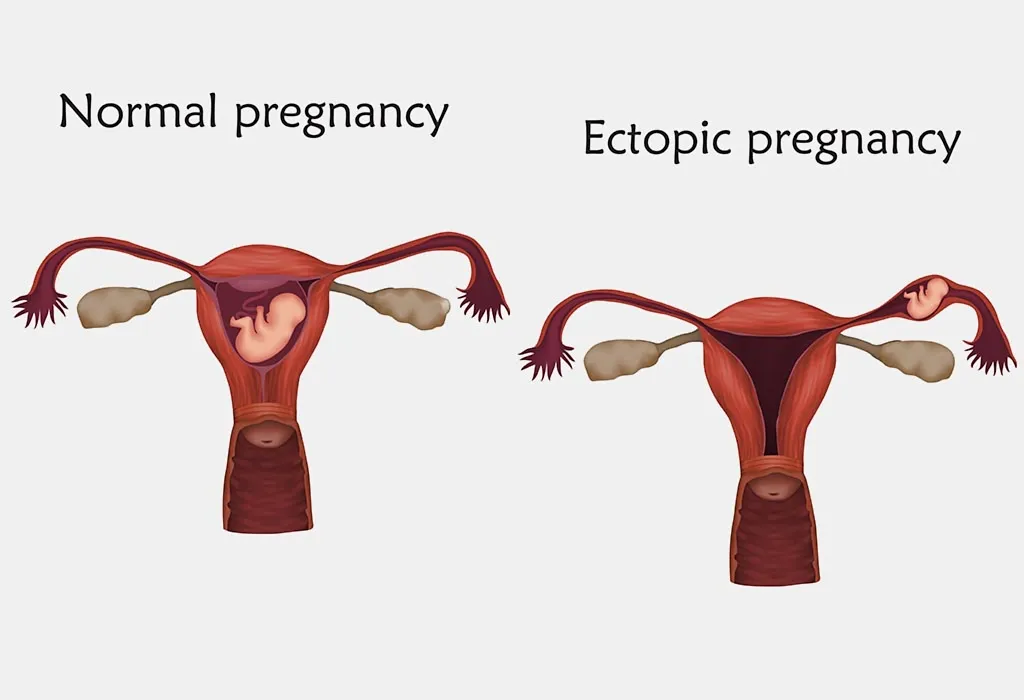
Abdominal pregnancy is a rare type of ectopic pregnancy in which the fertilised egg implants and develops inside the abdominal cavity instead of developing inside the uterus. Because the growing pregnancy attaches to organs or tissues that cannot safely support it, an abdominal pregnancy can lead to severe complications if not diagnosed early. The symptoms of an abdominal pregnancy and a normal uterine pregnancy do not vary a lot, but it is essential to identify the details so that this rare condition can be diagnosed. So, what happens to the abdomen during pregnancy? Well, it undergoes severe changes and brings stress to the organ. Prompt medical evaluation and treatment are necessary for protecting maternal health.
What Is an Abdominal Pregnancy?
An abdominal pregnancy occurs when a fertilised egg implants itself in the tissues or an organ in the abdomen of the woman. This condition is extremely rare but can possess many health risks if it occurs.
Primary Abdominal Pregnancy
Primary attachment of the embryo is when the embryo attaches and is implanted directly in the abdomen. The chance of this happening is extremely rare.
Secondary Abdominal Pregnancy
Secondary abdominal pregnancy is when the foetus starts to grow in the ovaries or the fallopian tube, but because of a small rupture, the embryo gets implanted in the abdominal cavity. In abdominal cavity pregnancy, the pain that is experienced by the woman is similar to the pain experienced during a tubal pregnancy. If the foetus continues to grow, abdominal pains start after 26–28 weeks of pregnancy.
The fallopian tube may rupture in the first trimester of the pregnancy. The skin becomes pale because of the resultant bleeding that is accumulated in the abdominal cavity.
How Common It Is?
Abdominal pregnancy accounts for one of the rarest of pregnancies. The chances of abdominal pregnancy account for just about 1 to 1.4% of all ectopic pregnancies, which means an estimated incidence of 1 in 10,000 live births (1). Although uncommon, it carries a significantly higher risk of serious complications compared with other ectopic pregnancy types.
What Causes Abdominal Pregnancy?
There are several factors at play that could contribute to abdominal pregnancy, but there’s no exact cause of this type of ectopic pregnancy. The potential risks leading to abdominal pregnancy include (2):
- A previous ectopic pregnancy
- Endometriosis (3)
- Scarring or damage to the fallopian tubes (4)
- Pelvic inflammatory disease (PID)
- Assisted reproductive techniques in some cases
What Are the Symptoms of Abdominal Pregnancy?
A woman who has an abdominal pregnancy will have similar signs and symptoms that pregnant women experience in general ectopic pregnancies.
- Breast tenderness
- Nausea and vomiting (occasionally)
- Fatigue
- Abdominal pain and vaginal bleeding
- Pain in the abdomen and shoulder
- Discomfort when peeing or pooping
Vaginal bleeding and abdominal pain should be checked out by a doctor, as this is not normal.
A heavy abdomen in early pregnancy is a typical sign of pregnancy growth, but if it is accompanied by severe pain in the abdomen, it could indicate an abdominal pregnancy. In such cases, immediate medical assistance is required.
Another important thing to note here is that symptoms of ectopic pregnancy tend to appear between the 4th and 12th week of pregnancy, but symptoms of abdominal pregnancy are likely to appear much later than general ectopic pregnancies that develop in the uterine tubes, as there is much more space for growth.
How Is Abdominal Pregnancy Different From Ectopic Pregnancy?
An abdominal pregnancy is a type of ectopic pregnancy, but not all ectopic pregnancies are abdominal pregnancies. That is the primary difference between the two. An ectopic pregnancy refers to any pregnancy implanted outside the uterus, whereas an abdominal pregnancy specifically develops within the abdominal cavity.
Let’s understand this with a quick table:
| Abdominal Pregnancy | Ectopic Pregnancy |
|
Abdominal pregnancy is a rare subtype of ectopic pregnancy. |
Ectopic pregnancy is an umbrella term for pregnancies developing outside the uterus. |
|
Implantation happens within the abdominal cavity. |
This type of pregnancy happens only in the fallopian tube. |
|
There is a high risk of organ involvement and severe bleeding. |
The risk may vary depending on the implantation site. |
|
Abdominal pregnancies are difficult to diagnose. |
The umbrella ectopic pregnancy is usually identified through ultrasound and hCG monitoring. |
|
Represents a small percentage of ectopic pregnancies |
Ectopic pregnancy accounts for about 1 to 2% of all pregnancies. |
When and How Is an Abdominal Pregnancy Detected?
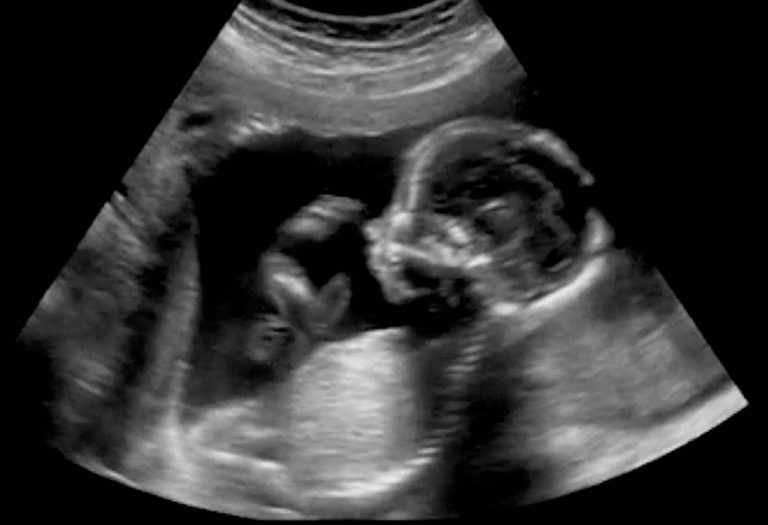
Until the late stage, many abdominal pregnancies are left undiagnosed. A doctor might suspect it to be an abdominal pregnancy when the woman reports pain when the foetus moves, or if the growing foetus is not in the right place in a woman’s body. In fact, the first abdominal ultrasound in pregnancy can detect an abdominal ectopic pregnancy, but diagnosing it early is very challenging. In some cases, doctors may prefer a transvaginal ultrasound for higher resolution.
This condition can also be indicated by the blood tests that measure human chorionic gonadotropin (hCG) levels, if the levels of the hormone are not rising normally, as they should when the pregnancy progresses.
Usually, an abdominal pregnancy is diagnosed through an ultrasound, and the level of beta hCG is checked in the body. To create images of the internal structures, ultrasound uses sound waves. The location of the gestational sac is confirmed using ultrasound. Some cases also include the use of laparoscopy to confirm the diagnosis, which is the insertion of a very tiny instrument into the abdomen.
If an ultrasound or other test results are unclear, doctors may consider further blood tests and scans to confirm the diagnosis.
What Are the Risks of Abdominal Pregnancy?
An ectopic pregnancy can be dangerous for the mother and the child. The following things may happen in case of an abdominal pregnancy:
1. Heavy Internal Bleeding
If the placenta detaches from the tissue or abdominal organ to which it was attached to, then the pregnant woman may experience heavy internal bleeding. This could lead to serious outcomes, even maternal morbidity or fistula formation, if the mother does not receive timely diagnosis and treatment (5).
2. Inadequate Supply of Nutrients
In the case of abdominal pregnancy, the foetus may not receive enough nutrients and blood for its proper growth. The foetus may also not be protected by the amniotic sac and fluid, which it usually is when growing in the uterus.
3. Increased Foetal Movement
In the case of abdominal pregnancy, the foetal movements are likely to be more than normal and also very painful. Moreover, in the normal areas of the body, the foetal movements would not be felt. The reason for this is the foetus lying sideways across the abdomen. It might also be in the oblique position in the abdomen.
4. Depression
If there is a pregnancy loss, the woman might end up grieving over the loss of the fetus and might start worrying about future pregnancies.
Treatment for Abdominal Pregnancy
There are some rare cases where abdominal pregnancy has resulted in live births. However, most abdominal pregnancies are terminated surgically or medically. If the doctor figures out a case of abdominal pregnancy early, a dose of methotrexate will be given to end the abdominal pregnancy. This drug stops cells from dividing and is toxic to the placenta. When the abdominal pregnancy is ended through surgery, the surgeon will have to take certain steps to prevent heavy bleeding at the site of implantation. In many cases, the placenta is left in the mother’s body, and it is treated with methotrexate, as it prevents heavy bleeding and may allow the body to reabsorb the placenta.
Prevention of Abdominal Pregnancy
Although abdominal pregnancy cannot always be prevented, certain measures may reduce the risk:
- Seek early treatment for sexually transmitted infections. STIs are a contributor to a number of diseases.
- Manage pelvic inflammatory disease promptly.
- Avoid smoking and alcohol consumption.
- Attend your early prenatal appointments as early detection is easier in taking many more preventive steps than diagnosing things later on.
- Discuss fertility treatments and previous ectopic pregnancies with your healthcare provider.
- Get evaluated promptly if you experience unusual pain or bleeding during early pregnancy.
FAQs
1. Can abdominal pregnancy happen again?
The risk of recurrence of abdominal pregnancy is rare (6).
2. Is an abdominal pregnancy life-threatening?
Yes. Severe internal bleeding and organ damage can occur if the condition is not diagnosed and treated promptly.
3. Can an abdominal pregnancy survive until birth?
In most cases, abdominal pregnancies do not reach full term as the fertilised egg dies a natural death in the early stage of its development (7). In very rare cases, abdominal pregnancies have progressed further into pregnancy, but they carry significant risks and require specialised medical care and a C-section. Survival of the fetus in abdominal pregnancy is very rare (8).
4. Can I get pregnant again after an abdominal pregnancy?
Many women can have future pregnancies after treatment, but follow-up care and early monitoring are important.
5. What are the first signs of abdominal pregnancy?
Abdominal pain, vaginal bleeding, dizziness, and unusual discomfort during early pregnancy are common warning signs.
6. Can an ultrasound detect an abdominal pregnancy?
Yes, an ultrasound can detect an abdominal pregnancy. In fact, it is one of the primary tools used to identify ectopic and abdominal pregnancies.
7. Will I require surgery if I have an abdominal pregnancy?
Most abdominal pregnancies require surgical management due to the risk of serious complications. But it would be best to consult with your doctor for more personalised guidance.
The causes of abdominal pregnancy cannot be prevented. Other serious complications might also occur because of abdominal pregnancy, like intestinal obstruction symptoms, which might also cause a high fever. It is important that this form of pregnancy is detected as soon as possible. Make sure to complete all your doctor appointments without any delay to avoid any chance of detecting any complications.
Also Read:
Overdue Pregnancy
Heterotopic Pregnancy
What is a Chemical Pregnancy
Was This Article Helpful?
Parenting is a huge responsibility, for you as a caregiver, but also for us as a parenting content platform. We understand that and take our responsibility of creating credible content seriously. FirstCry Parenting articles are written and published only after extensive research using factually sound references to deliver quality content that is accurate, validated by experts, and completely reliable. To understand how we go about creating content that is credible, read our editorial policy here.
1. National Library of Medicine – Ectopic Pregnancy, Ultrasound
2. National Library of Medicine – Abdominal ectopic pregnancy
3. Radiopaedia – Abdominal ectopic pregnancy
4. Johns Hopkins Medicine – Ectopic Pregnancy
5. UpToDate – Abdominal pregnancy
6. International Society of Ultrasound in Obstetrics and Gynecology (ISUOG) – Abdominal pregnancy
7. Hirslanden – Abdominal pregnancy
8. National Library of Medicine – Surviving Fetus from a Full Term Abdominal Pregnancy
- Author