
Placental Abruption – Causes, Signs, and Treatment





Medically Reviewed By
Dr. Sabiha Anjum
(Gynaecologist)


This health content has been medically reviewed by qualified experts and follows the FirstCry Parenting editorial policy to ensure accuracy and reliability.
Commonly known as placental abruption, abruptio placentae is a serious complication of pregnancy. Though it is a rare occurrence, this condition can cause bleeding and also lead to disruption in the supply of oxygen and nutrients to the baby. Placental abruption usually happens in late pregnancy or during active labour and can lead to premature birth, low birth weight of the baby, or fetal demise. (1) (6) About 1% of all pregnancies experience placental abruption. Although the number is quite low, the severity and trouble of this condition could be surmountable. Thus, it is essential to be aware of the condition, complications, and risks involved, and how to prevent it.
What Is Placental Abruption?
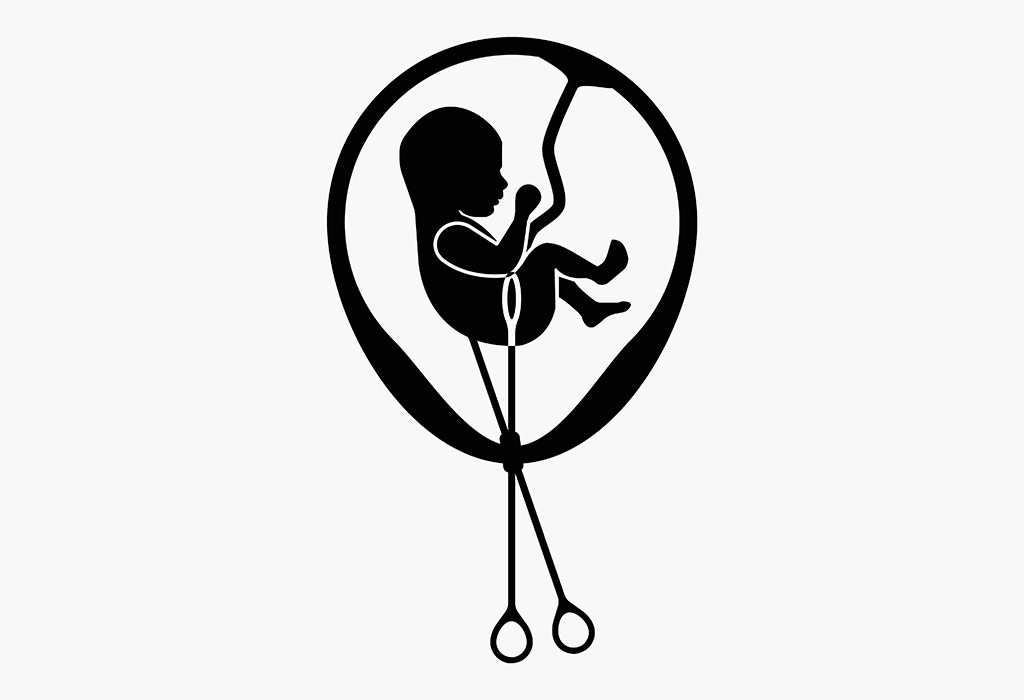
Abruptio placentae or placental abruption can happen unexpectedly during pregnancy. The placenta – a round, flat organ which carries nutrients and oxygen from you to your baby – is attached to the wall of your uterus. The baby is connected to the placenta by the umbilical cord. After the baby is born, the placenta normally detaches from the uterine wall and is expelled naturally. In placental abruption, the placenta separates from the uterus before the birth of the baby. This kind of placental separation can happen anytime after the 20th week of pregnancy and, in some cases, can prove fatal. (2) (1)
Types of Placental Abruption
Here are the two different types of placental abruption (11).
1. Partial Placental Abruption
When it’s a partial abruption, only a part of the placenta separates, and some of it still stays attached to the uterine wall.
2. Complete Placental Abruption
In a complete abruption, the placenta fully detaches from the uterus, which is usually more serious and often leads to heavier bleeding.
Doctors also classify placental abruption by the type of bleeding.
1. Revealed Placental Abruptions
In a revealed abruption, the bleeding is visible and can range from moderate to heavy.
2. Concealed Abruption
A concealed abruption doesn’t show obvious bleeding because the blood gets trapped between the placenta and the uterine wall.
How Common Is Placental Abruption?
Placental abruption is pretty rare, with the incidence of occurrence being around 1 in 100 pregnancies. (3) This means that only around 1% of pregnant women will face this complication. However, if you have had placental abruption in a previous pregnancy, the chances increase to 10% in the next pregnancy and 20% in a third pregnancy. Most cases of placental abruption can be treated successfully though the rate of success depends on the kind of separation that occurs.
Whom Can It Affect the Most?
There are certain cases where a woman may be predisposed to suffering from placental abruption. While no clear link has been established between the following factors and placental abruption, it has been observed that the following factors are most commonly found in such mothers (4).
- Maternal age – Being 35 or older increases the chances of you experiencing placental abruption.
- Multiple pregnancies – When you are carrying more than one baby, the birth of the first child can sometimes lead to changes in the uterus, which in turn can cause placental abruption before the next baby or babies are delivered.
- Previous instances of placental abruption – If you have had placental abruption in a previous pregnancy, the chances of it happening again are higher.
- Being a smoker or user of illicit drugs – Instances of placental abruption are more in women who smoke or use drugs during pregnancy (5).
- High blood pressure – It could be that you have a history of high blood pressure, or the pregnancy may have brought it on. Either way, it ups the chances of placental abruption (5).
What Are the Causes and Complications of Placental Abruption?
While no specific reasons for placental abruption have been identified as yet, the following complications increase a woman’s chances of suffering from placental abruption and have been regarded as reasons for placental abruption (6).
- Abdominal trauma – Experiencing a traumatic injury during pregnancy, such as a vehicle accident or a fall, can increase the chances of placental abruption.
- Pregnancy complications – Uterine infections, increased levels of amniotic fluid and problems with the umbilical cord are just some of the issues that can trigger placental abruption.
- Blood clotting problems – If you have any problem that impacts your blood’s ability to clot, it can lead to placental abruption.
- Early rupture of membranes – If the amniotic sac leaks or breaks before labour commences, there is a possibility of placental abruption happening.
- Abnormal position of the baby – If your baby is lying sideways or in a breech position, there is the risk of placental abruption occurring.
These are some possible placental abruption causes. But having one or more of these complications does not always mean that you will experience abruptio placentae.
Common Signs and Symptoms of Placental Abruption
Vaginal bleeding is the chief symptom of placental abruption and can appear at any time after about 20 weeks of gestation. It is usually a sudden occurrence, and the amount of blood can range from very little to a lot. However, a low amount of blood does not mean that the abruption is not severe; blood can get trapped inside the uterus. Other placental abruption symptoms to be aware of include: (7)
- Pain in your stomach or your back.
- Quick and repetitive uterine contractions.
- Tenderness in the uterus.
- A decrease in your baby’s movements.
- Your water breaks, and the fluid has blood in it.
- Abnormal variations in foetal heart rate.
The symptoms of placental abruption tend to worsen over time. Any vaginal bleeding in the third trimester is especially worrisome, and you must contact your doctor immediately if that happens.
What Actually Happens If You Have Placental Abruption?
Vaginal bleeding is the primary symptom, and it might be accompanied by back pain or discomfort. At times, the pain will be severe, associated with or without bleeding, but reduced fetal movements will be there. So, there may be no bleeding and only discomfort or tenderness or vice versa.
However, back pain and discomfort are common during pregnancy. Many women experience spotting during pregnancy (especially in the first trimester). Sexual intercourse during pregnancy can also cause spotting. So these symptoms (back pain or discomfort and occasional spotting) alone cannot be regarded as ‘signs of placental abruption’ and do not answer the question ‘What does placental abruption feel like?‘. The best option is to consult your healthcare provider when you have concerns.
How to Diagnose Placental Abruption?
A physical examination, blood tests and foetal monitoring are some of the methods used by doctors to arrive at a diagnosis of placental abruption. Your doctor is likely to ask you to get an ultrasound for placental abruption (8). An abruptio placenta ultrasound is recommended as it can detect a majority of abruptions even if there is no bleeding.

Treatment for Placental Abruption
The severity of the abruption will determine the kind of treatment you need. Mild, moderate and severe are the categories that placental abruptions fall into. Mild is when there has been blood loss, but it has subsided, and you, as well as the baby, are stable. Since it is not possible to reattach the placenta, the abruptio placenta management
will depend on how advanced your pregnancy is (9).
- Mild placental abruption (24 to 34 weeks) – Your progress will be monitored continuously if the baby’s heart rate is normal. The doctor might prescribe you some medications to speed up the baby’s lung development. Otherwise, you may have to be hospitalised and monitored closely.
- Mild placental abruption (after 34 weeks) – Your doctor might decide to induce labour or suggest a C-section to reduce further risk of complications, especially if the baby has developed sufficiently.
- Moderate to severe abruption – When there is significant blood loss, and you or your baby are experiencing difficulty, emergency delivery remains the only option. The doctor will most likely have to perform a C-section immediately.

In rare cases where the bleeding cannot be stemmed, the only placental abruption treatment option left may be a hysterectomy. Here, the uterus will be removed through surgery.
Can Placental Abruption Be Prevented?
There is no particular answer on how to prevent placental abruption. But you can take some steps to mitigate your risk of placental abruption to some extent (10).
- Be diligent about keeping your doctor’s appointments. This will help monitor your blood pressure.

- Keep your belly safe by wearing a seatbelt when in a car or while driving.

- Do not smoke or use drugs during your pregnancy.

- Take care when walking on undulated terrain or climbing steps and the like to safeguard your belly from any injury caused by a fall.

When to Call Healthcare Provider?
If you experience any kind of vaginal bleeding in your third trimester, you must call your doctor immediately. Abdominal pain, severe back pain and rapid uterine contractions all warrant getting in touch with your physician on an emergency basis.
FAQs
1. When is placental abruption most likely to happen?
Placental abruption is most commonly seen in the later part of pregnancy, especially during the third trimester. This stage begins around 28 weeks and continues until delivery, which is usually around 40 weeks. That said, it can still happen anytime after 20 weeks of pregnancy.
2. What does placental abruption feel like?
Many women describe it as a sudden, intense pain in the lower abdomen, pelvis, or even the back. It may feel like sharp cramps or constant tenderness. Some also notice that their baby isn’t moving as much as usual. If you experience any of these signs, it’s important to reach out to your doctor right away.
3. Does placental abruption always cause bleeding?
In most cases, there is some visible bleeding. However, that’s not always true. In a concealed abruption, the blood stays trapped inside, so you may not notice any bleeding at all. Sometimes, the condition develops gradually, leading to light or occasional spotting instead of heavy bleeding.
Timely diagnosis and appropriate treatment can help improve the outcome of a placental abruption greatly. Remember that your physician is the only person who can make an accurate diagnosis and help you out in such instances.
Disclaimer: This information is not intended as a substitute for medical advice from a qualified professional.
Also Read:
Placenta Previa
Retained Placenta
Placenta in Pregnancy
Placenta Positions while Pregnant
Calcification of Placenta during Pregnancy
Was This Article Helpful?
Parenting is a huge responsibility, for you as a caregiver, but also for us as a parenting content platform. We understand that and take our responsibility of creating credible content seriously. FirstCry Parenting articles are written and published only after extensive research using factually sound references to deliver quality content that is accurate, validated by experts, and completely reliable. To understand how we go about creating content that is credible, read our editorial policy here.
1. National Library of Medicine – Placental Abruption
4. National Library of Medicine – Placental abruption
7. National Library of Medicine – Risk factors of placental abruption
8. The Children’s Hospital of Philadelphia – Bleeding in Pregnancy/Placenta Previa/Placental Abruption
9. Better Health Channel – Placental abruption
- Author
- Expert Reviewer