Can I Eat Ice Cream When Pregnant? – Safety and Myths
Can pregnant women eat ice cream? Learn the safety, benefits, and precautions before you indulge in your cravings.





Pregnancy is a time when women tend to have unusual food cravings. Since you are pregnant, you must be eating everything nutritious there is on this planet. But there will be times when you might crave certain foods that may satiate your taste buds but may not really be nutritious! Craving ice cream in pregnancy is most common (1). But can you eat ice cream in pregnancy? Is it really safe? You’d think that, perhaps, a scoop of your favourite ice cream won’t harm your baby, but are you sure about that? While eating a cup of ice cream isn’t that harmful, cravings can make you indulge in more than one cup. So, let’s put an end to the popular dilemma – ice cream for pregnant women.
Can Pregnant Women Eat Ice Cream?
Ice cream is a sweetened frozen dessert usually made of dairy products with fruits or flavours added to it. We all love to eat ice cream every now and then. But when a woman is pregnant and has a craving for ice cream, she might think twice before digging into the bucket full of ice cream and for a good reason. So, can pregnant women eat ice cream? What’s the equation between ice cream and pregnancy?
According to the American Pregnancy Association, a woman can eat ice cream while she is pregnant as long as she eats it in moderate amounts. Yes, ice cream is good for pregnancy. You can enjoy your favourite flavour of ice cream as long as you make sure that it is made in hygienic conditions (2). You can safely give in to these cravings once in a while. However, if you are allergic to a certain flavour or have medical issues like diabetes, obesity or even a cold, for that matter, consult your doctor before you dig in. Better yet, avoid it if you are pregnant.
Nutritional Value of Ice Cream
Although ice cream is not super-healthy and nutritious, it can provide you with supplies of essential nutrients like calcium, vitamins, and minerals. In general, ice cream has saturated and unsaturated fats. carbohydrates and proteins. You can also buy low-fat, sugar-free, and yoghurt-based ‘light ice cream’. Ice cream can also provide you with vitamins like Vitamin A and Vitamin B12 in moderate amounts. However, the presence and amounts of nutrients in each ice cream vary depending on the type, flavour, and manufacturer.
Generally, 100 gm of chocolate ice cream contains:
| Nutrition | Amount |
| Water | 55.7 g |
| Energy | 216 kcal |
| Carbohydrates | 28.2 g |
| Sugar | 25.4 g |
| Calcium | 109 mg |
| Sodium | 76 mg |
| Vitamin A | 118 µg |
Source: USDA (3)
Reasons for Craving Ice Cream During Pregnancy
Craving some ice cream, but don’t know why? Here are some reasons why you might be craving ice cream while pregnant.
Fluctuating Hormones: Hormonal changes might generate these cravings and make you pine for ice cream so intensely that you won’t be able to rest without satisfying that craving.
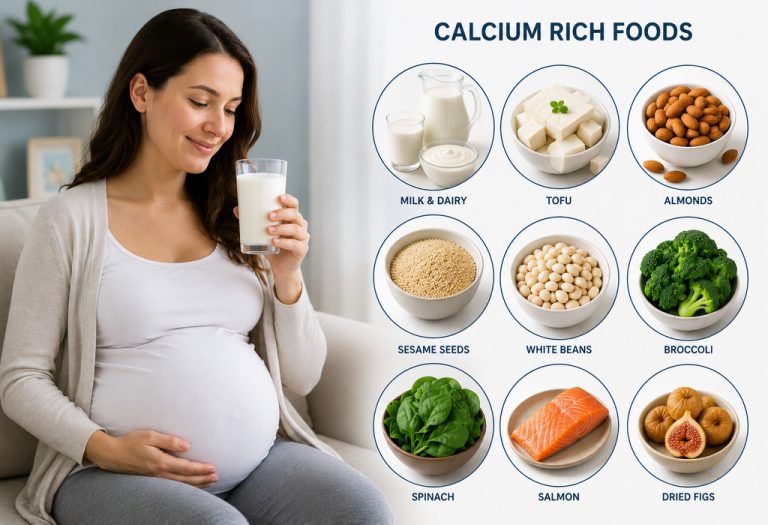
Nutritional Deficiency: Many times, craving dairy items like creamy ice cream could be because of calcium deficiency in the body, which is why your body craves it often during pregnancy to support the nutrition of the growing baby (4).
Types of Ice Cream for Pregnant Women
There are different types of ice cream available for pregnant women, such as:
1. Store-bought Ice Cream
Store-bought ice creams available at grocery shops and supermarkets are perfectly safe to eat.
However, caution is needed when soft-serve is available at local restaurants, as long as the ice cream is produced using pasteurised milk and the soft-serve is produced in a hygienically maintained, clean machine. Unmaintained soft-serve machines harbour harmful bacteria such as Listeria monocytogenes, which is particularly dangerous for pregnant women.
2. Homemade Ice Cream
Homemade ice cream is fine as long as it is made without raw eggs. Recipes that include raw eggs should be avoided during pregnancy, as raw eggs harbour Salmonella bacteria and can cause Salmonella food poisoning.
3. Flavoured Ice Cream
Flavoured ice creams, such as mint chocolate chip, butterscotch, and strawberry, are fine to enjoy during pregnancy. However, those containing high caffeine should be steered clear of. Experts suggest staying under the cap of caffeine consumption of caffeine during pregnancy, which is no more than 200 milligrams (5).
How Much Ice Cream Should Pregnant Women Eat in a Day?
Ice cream is high in fats and can lower your body temperature. If you eat too much of it, it could affect your body’s metabolism and disturb the digestive system. You can enjoy it once in a while.
Nowadays, ice creams are available in flavours that no one would have ever thought of, perhaps a decade ago. However, some flavours like coffee and green tea have caffeine in them. Although the amount of caffeine present in them is almost negligible, you should refrain from eating too much if you opt for one of these flavours.
Potential Side Effects of Eating Ice Cream While Pregnant
Too much of anything is bad, you know that. So the same goes for ice cream. Eating too much ice cream while pregnant can lead to the following complications.
1. Infections
You may contract certain infections from ice cream, such as Listeria, since this bacterium is viable at extremely low temperatures. You may also contract infections, such as Salmonella, if the milk used to make ice cream is unpasteurised or contains raw eggs (6). These infections contracted during pregnancy may affect placental growth, amniotic fluid, and cause birth-time congenital infections in the baby. These may also be responsible for premature delivery, stillbirth, and miscarriage.
2. Weight Gain
As ice cream is high in calories and fats, if you eat it too much or daily, chances are it might lead to unwanted or excess weight gain, which may lead to complications in delivery.
3. Risk of Gestational Diabetes
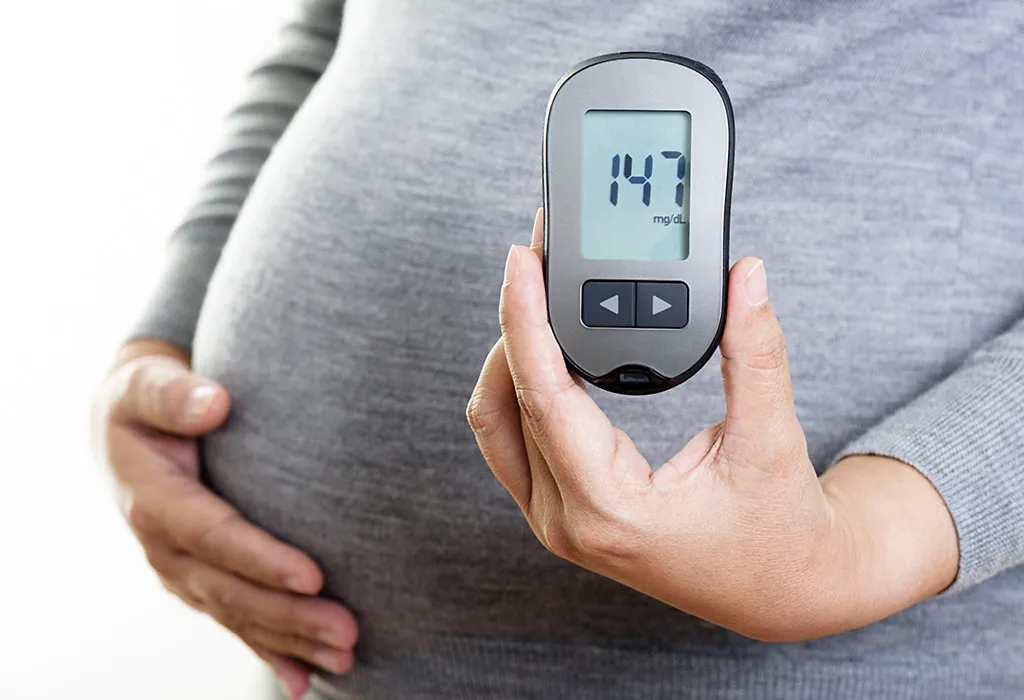
Ice cream is high in sugar, which may increase your chances of having impaired glucose tolerance. Consuming excess ice cream could increase the risk of gestational diabetes along with other pregnancy complications, such as excessive gestational weight gain (GWG), preterm birth, and preeclampsia (7). So it’s not a great option for those who have had a history of PCOS, Pre Diabetes or a family history of Diabetes.
4. Sinusitis and Respiratory Infections
During pregnancy, the immune system of the pregnant woman is suppressed. Consuming too much ice cream can increase the risk of sinus-related allergic and respiratory problems.
Difference Between Frozen Desserts and Ice Cream
The first question you should ask yourself before buying ice cream is ‘Is it really ice cream?’ Ice creams are mainly made from dairy and milk, which is actually good for you in limited quantities. However, many products that are branded as ‘ice creams’ are actually frozen desserts, as they use vegetable oils or hydrogenated fats, which should be avoided in our diet, as they raise cholesterol levels. Companies selling frozen desserts are required to label the same on their packaging, so the next time you pick up an ice cream, look for a label that says ‘frozen dessert.’
Myths Related to Eating Ice Cream During Pregnancy
Besides the benefits and risks of eating ice cream in pregnancy, there are certain misconceptions related to it as well. Let’s read about them:
1. Eating Ice Cream Can Affect the Baby’s Brain
It is believed that eating ice cream, which is cold or chilled, can affect the baby’s brain. No scientific data or studies are available to establish this myth. Cold cannot affect the foetus unless your diet and lifestyle are dominated by detrimental cold weather and foods.
2. Ice Cream Is Unhealthy
Ice Cream offers various nutritional values that people are unaware of. According to people, eating ice cream is quite unhealthy. But ice cream is actually a great source of calcium and vitamin A.
3. Ice Cream Affects Fetus Development
It is believed that ice cream brings down your body’s temperature and affects the baby’s growth. But there is no specific scientific evidence to support this statement.
4. Craving for Ice Cream Indicates You Are Having a Girl
This is not true. Craving for ice cream only speaks of what your body needs and not the gender of the unborn baby.
Things to Keep in Mind While Eating Ice Cream During Pregnancy
By now, you absolutely know that ice cream is not a safe choice during pregnancy, as it can lead to potential risks; however, you can still eat it once in a while, as long as you make sure it is made following the standard hygiene practices. Tick these points while choosing an ice cream, and enjoy!
- Check if the ice cream you want to eat is made from pasteurised milk. If yes, then enjoy without worrying.
- Buy ice cream from a well-known brand and from a reputable shop that follows standard hygiene practices.
- Avoid eating ice cream sold by street vendors and at fairs, as the hygiene and sanitation at such places may be questionable. Remember that bacteria can grow even in ice cream kept in the freezer.
- If you want to make healthier choices, we suggest that you go for ‘low-fat’ or ‘light’ ice cream, which is available in abundance nowadays. You can buy frozen yoghurt ice cream, for example.
- Go for homemade ice cream.
- Do check the list of ingredients and see if it contains any allergens.
- Do not overeat, as over-consumption of ice cream can lead to a cold and cough.
- If you experience any discomfort after eating ice cream, consult your doctor.
Healthy Alternatives to Ice Cream in Pregnancy
If you want to bless yourself with frozen treats during your pregnancy, why not try safer and healthier alternatives! Below are some safer alternatives that you can enjoy with a peace of mind:
- Gelato: Pasteurised and factory-sealed gelato is a yummy option in place of normal ice cream.
- Frozen Greek Yoghurt: You can have frozen Greek yoghurt plain or add some honey and fruits to make it tastier.
- Frozen Banana: Frozen banana is a healthy option that goes well with pregnancy cravings. You can either have it in cubes or blend them from a creamy treat. Add nuts toppings and treat yourself!
- Frozen Fruit Bars: These frozen treats are healthier and a refreshing option compared to sodas and coffee.
FAQs
1. Can eating ice cream cause high blood pressure in pregnancy?
Yes, when overconsumed, ice cream can cause high blood pressure because it contains sodium, which raises it.
2. Does eating too much ice cream lead to preterm labour?
No, it’s just a myth. Eating ice cream does not lead to preterm labour, but it should be consumed in doctor-recommended amounts.
3. Is it safe to eat ice cream as last night snack while pregnant?
Yes, it is perfectly safe to eat ice cream as a light snack at night when pregnant. But make sure it’s made using pasteurised milk.
4. Does ice cream help with heartburn in pregnancy?
Eating ice cream during heartburn cools down the digestive system and helps with the discomfort caused by it, making it a very safe option to use when pregnant.
5. Is gelato safer than ice cream?
Gelato could be safer compared to ice cream if made with pasteurised ingredients.
While pregnant, try to eat as much healthy food as you can. However, a healthy diet that comprises of nutritious foods does not mean you can’t give in to your cravings and enjoy a scoop of ice cream once in a while. Adhere to precautions such as hygiene, quantity consumed, and early recognition of any problems with timely medical consultation. Eating ice cream can take you away from the stress of pregnancy. Enjoy it, but just keep an eye on the amount you are having.
Also Read:
Iced Tea in Pregnancy
Craving Ice while Pregnant
Ice Apple during Pregnancy
Soft Drinks for Pregnant Women
Was This Article Helpful?
Parenting is a huge responsibility, for you as a caregiver, but also for us as a parenting content platform. We understand that and take our responsibility of creating credible content seriously. FirstCry Parenting articles are written and published only after extensive research using factually sound references to deliver quality content that is accurate, validated by experts, and completely reliable. To understand how we go about creating content that is credible, read our editorial policy here.
2. American Pregnancy Association – Pregnancy and Ice Cream
3. USDA – Ice creams, chocolate
4. The Mother Baby Center – Six popular types of food on pregnancy cravings lists
6. National Library of Medicine – Food-borne illnesses during pregnancy
7. National Library of Medicine – Impact of Sugary Food Consumption on Pregnancy: A Review
- Author


Related Articles
-

Sugarcane Juice in Pregnancy: Benefits, Risks, & Safety
-
How to Increase Fetal Weight During Pregnancy?
-
Cheese During Pregnancy - What's Safe and What's Not
-
Fruits to Avoid During Pregnancy - Full List and Reasons
-
Taking Folic Acid Before Pregnancy: Dosage & Sources
-
Calcium Supplements in Pregnancy: Benefits & FAQs