Can You Eat Brie Cheese When Pregnant?
Learn whether Brie cheese is safe during pregnancy, including risks, benefits, and safer alternatives.




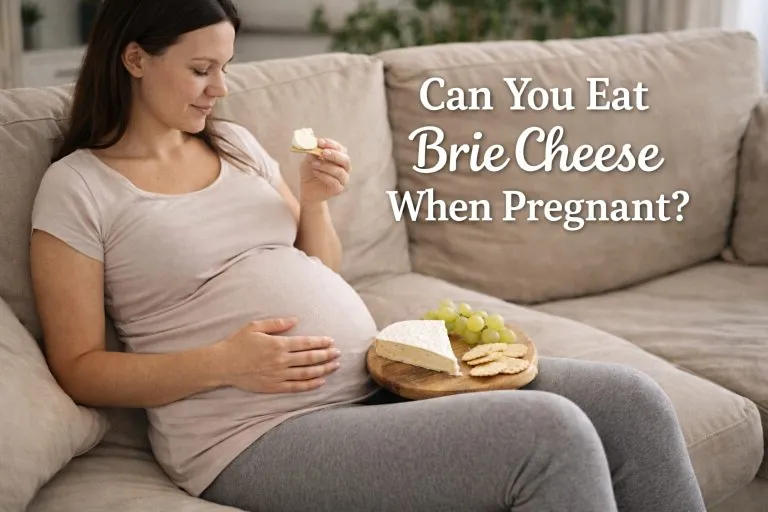
Image Credit : AI Generated Image
Are you a cheese lover? If yes, then this article is for you. Pregnant women often worry, “Is Brie safe during pregnancy?” as this cheese is not just deliciously soft, but many of its varieties are made worldwide. So, analysing what is best for pregnant ladies to relish the delicious Brie cheese dishes, weighing their pros and cons, is best. But why is there a concern for Brie during pregnancy? Since there is a high risk of bacterial infection during pregnancy, doctors advise taking precautions with food habits, especially when it comes to dairy products, like soft cheeses. The aim is to prevent infections at this delicate stage that could harm the pregnancy.
What Is Brie Cheese?
Brie is a soft cheese prepared from cow’s milk to produce pasta. Originally named after the Brie region of France, it has a pale colour with a slightly greyish tinge at times. Brie contains a minimal amount of lactose, a natural milk sugar. It has a white mould crust, and the rind can be consumed. Its flavour largely depends upon the ingredients used and its manufacturing environment (1).
Brie may be produced from whole or semi-skimmed milk. The enzyme Rennet is added to raw milk, salt, and bacteria known as cheese cultures. The curd is then heated to a maximum temperature of 37 °C. Next, the cheese is cast into moulds, sometimes with a traditional perforated ladle called a Pelle à brie. During the ripening process, white mould forms the rind of the cheese. Unlike other moulds growing on food, this is not spoiled and is perfectly safe to eat.
Among the different varieties of Brie, made with whole or partly skimmed milk, ripened for varying durations, and flavoured with herbs and spices, its exact flavour, taste, and texture depend on the ingredients used for that specific type as well as the environment in which it has been ripened or manufactured.
Is It Safe to Eat Brie Cheese During Pregnancy?
Brie cheese is classified as a soft cheese, which naturally carries a higher moisture content. This environment can allow bacteria like Listeria monocytogenes to grow, posing a risk during pregnancy. There is a possibility of Listeriosis getting into the cheese through unpasteurised milk or unsanitary packaging. Listeriosis can cause flu-like symptoms in healthy people, such as vomiting or fever (2).
Among the foodborne illnesses in the United States, Listeria is one of the primary causes of death for the general population. It isn’t like other bacteria that get killed by refrigeration or freezing. Moreover, pregnant women are ten times more vulnerable to Listeria infection than others (3). Listeriosis can lead to serious complications, such as miscarriage, preterm birth, or severe illness in newborns (4).
As the immune system is mostly suppressed during pregnancy, pregnant women are more likely to get Listeriosis after eating unpasteurised dairy products containing Listeria. Thus, consuming unpasteurised Brie when pregnant may result in miscarriage or even stillbirth (5).
Health authorities such as the Centers for Disease Control and Prevention (CDC) and the U.S. Food and Drug Administration (FDA) advise pregnant women to avoid soft cheeses unless they are made with pasteurised milk and cooked until steaming hot (6)(7). Even pasteurised soft cheeses may occasionally become contaminated after processing, which is why heat treatment is strongly recommended. The CDC suggests cooking soft cheeses until they are bubbling hot so that the risk of listeriosis is significantly reduced.
Brie cheese is not considered safe in its raw or chilled form during pregnancy, but pasteurised Brie that is thoroughly cooked and served hot can be safely consumed in moderation.
Benefits of Having Pasteurised Brie Cheese During Pregnancy
Cheese is a healthy, balanced diet, considering its health benefits. Here are some reasons why eating Brie Cheese during pregnancy is not bad.
1. Vitamins
Brie cheese contains vitamins like vitamin B12, riboflavin, folate, and niacin that are good for your overall health. Vitamin A found in Brie can keep the immune system healthy and works well for maintaining shiny hair and glowing skin, and vitamin D boosts bone health. Vitamins also help break down the various carbohydrates, fats, and proteins in the body that can be used as energy for different activities.
2. Proteins and Fats
Brie is a rich source of proteins and fat, including saturated fat. Full-fat dairy is associated with healthier body weight and minimises your risk of cardiac illnesses. The protein in Brie contains amino acids that take care of your overall health. In contrast, the unsaturated fatty acids found in Brie contain trans-palmitoleic acid, which helps reduce the risk of type 2 diabetes.
3. Minerals
Brie contains several essential minerals, such as calcium, phosphorus, and manganese, that can help in bone tissue formation. The zinc in Brie helps support the functioning of enzymes in the cells, while its selenium content is a good antioxidant.
4. Carbohydrates and Calories
The calorie and carb content in Brie cheese provides a healthy energy source to your body. However, one ounce of Brie cheese offers about 0.13 grams of carbohydrates in the form of sugar (8).
5. Low in Lactose
As Brie cheese is low in lactose, it will not cause any side effects or health risks to those suffering from lactose intolerance.
6. Linoleic Acid
Brie’s ripening process results in the formation of conjugated linoleic acid (CLA), a highly anti-inflammatory compound that may exert anticancer effects on consumers (9).
How Much Brie Can I Eat When Pregnant?
Even though eating pasteurised Brie during pregnancy is mostly considered safe, it is important not to overeat it. If eaten in moderation, Brie can promote fullness and help control one’s appetite, aiding in weight loss.
Risks of Eating Brie During Pregnancy
Soft cheeses like Brie can carry risks during pregnancy, primarily because of Listeria, which is a foodborne bacterium that can cause listeriosis (10):
- Listeria Risk: Soft, moist cheeses such as Brie are more likely to harbour Listeria monocytogenes, which can cause serious infections. Pregnant women are 10 times more likely to get listeriosis than others, and this infection can lead to miscarriage, stillbirth, or severe newborn illness.
- Unpasteurised Milk: Brie made from unpasteurised milk has a higher chance of containing harmful bacteria and should be avoided.
- Cold or Room-Temperature Serving: Even pasteurised Brie served cold can support bacterial growth if improperly stored or handled.
- Cross-Contamination: Soft cheese on deli boards or buffets may also carry bacteria from other foods, raising the risk further.
Safe Ways to Enjoy Brie During Pregnancy
Brie can be enjoyed safely if certain precautions are taken (10):
- Choose Pasteurised Brie Cheese Only: Always check the label and pick Brie made from pasteurised milk.
- Cook Until Steaming Hot: Bake, grill, or heat the Brie cheese until it’s piping hot throughout to kill any harmful bacteria (11).
- Strictly Skip Cold Platters: Avoid cold Brie on cheese boards or sandwiches; heat it instead.
- Pair Brie Cheese with Safe Ingredients: Add brie to fully cooked dishes like baked pasta or warm tarts to integrate it safely into meals. The NHS states that research supports cooking soft cheese to reduce the risk of Listeria (11).
Delicious Recipes With Brie Cheese for Pregnant Ladies
In case you’re a lover of Brie Cheese, and your doctor has given you a green signal for satiating your appetite, here are some of the most delicious recipes to try Brie cheese in pregnancy:
1. Brie-Stuffed Mushrooms
Brie-stuffed mushrooms are tasty little gems for any occasion that even non-mushroom lovers cannot resist. They’re easy to make, and you can assemble this snack ahead of time!
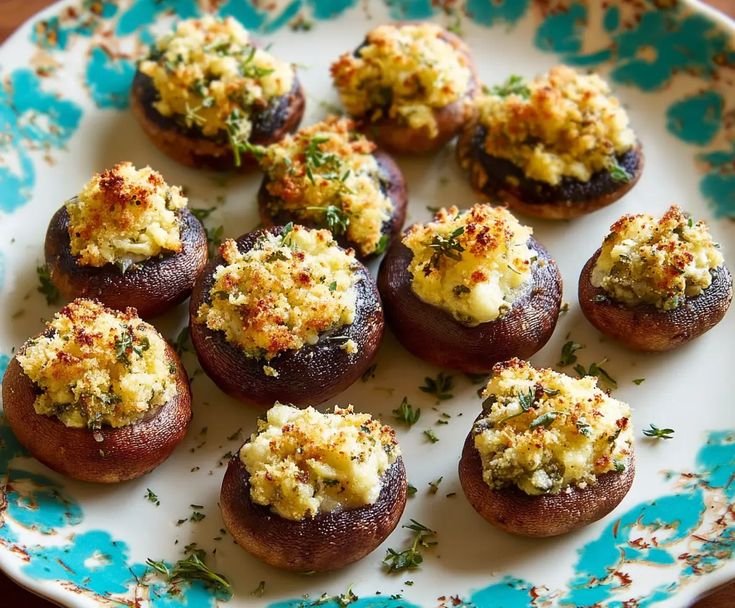
Image Credit: Pinterest
Ingredients
- Baby Bella mushrooms- 12
- A small wedge of Brie cheese- 1
- Panko bread crumbs- 1/3 cup
- Pecorino cheese- 1/4 cup
- Parmesan cheese- 1/4 cup
- Fresh thyme chopped- 1 tsp
- Kosher salt and freshly cracked black pepper
- Olive oil- 4 tbsp
How to Prepare
- Preheat oven to 350°F.
- After cleaning the mushrooms well, remove the stems. Place the mushrooms bottom side up on a baking dish and drizzle them with 2 tablespoons of olive oil. Add 1 tablespoon of Brie cheese to each of the mushroom cavities.
- Combine the remaining ingredients with 2 tablespoons of olive oil and season the mixture with salt and pepper. Fill a small scoop of the breadcrumb mixture into the mushroom cavity.
- Transfer the baking dish to the oven and bake for 20-25 minutes until the mushrooms are tender and the cheese is melted.
- Take the baking sheet out of the oven and serve immediately.
2. Glazed Brie Cheese With Sugar and Nuts
When the glazed nuts with brown sugar perfectly coat the skin of the cheese, this delectable recipe is sure to win over the most Brie-shy guest.
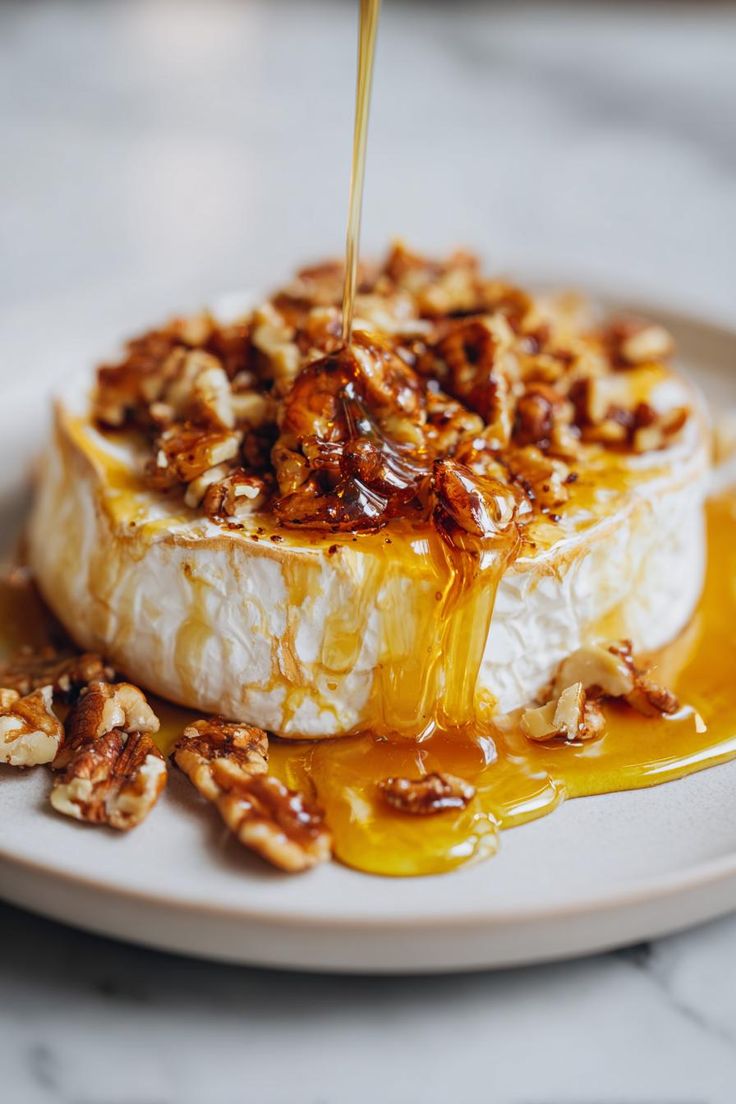
Image Credit: Pinterest
Ingredients
- Brown Sugar- 2 tbsp
- Coarsely chopped almonds- 2 tbsp
- Brandy- 1 and 1/2 tsp
- Firm ripe whole Brie cheese- 1
- Crackers
- Golden apple slices
How to Prepare
- Mix the brown sugar, brandy, and chopped almonds.
- Place the Brie cheese in a slightly larger baking dish and bake in a preheated oven at 425°F until the centre softens, about 6 minutes.
- Sprinkle the sugar mixture evenly over the cheese. Bake for 3 to 5 minutes longer, until the sugar melts and the cheese melts in the centre.
- Before serving, scoop the warm cheese with a spoon and spread it on the crackers and apple slices.
3. Blooming Brie Bread
Inspired by the blooming onion, this bread, dipped in the melty cheese, makes the perfect appetiser to dig into with your friends and family together.
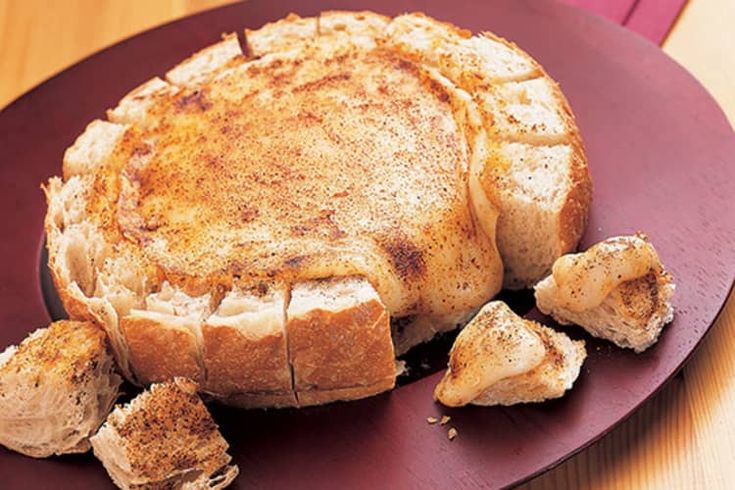
Image Credit: Pinterest
Ingredients
- Olive oil- 2 tbsp
- Garlic powder- 1/2 tsp
- Italian seasoning- 1/2 tsp
- Wheel Brie, top rind removed- 12 Oz
- Shredded Mozzarella- 3/4 cup
How to Prepare
- Preheat oven to 350°F. Whisk together oil, garlic powder, and Italian seasoning in a small bowl.
- Slice off the top quarter of the bread, place the wheel of Brie over it, and trace around it using a tearing knife.
- Scoop out the inner circle of the bread and brush it with the oil mixture on the inside of the bread.
- Cut down around the bread’s edges to create slices you can tear off after baking.
- Sprinkle about 1/2 cup of mozzarella, place the Brie on top, followed by the remaining mozzarella, and place the bread on top of the cheese.
- Bake for about 20 minutes until the cheese melts and the bread becomes toasty. Serve warm.
4. Brie and Pear Grilled Cheese Sandwich
A delicious twist on the classic grilled cheese, this sandwich pairs the creaminess of Brie with the sweetness of pears for a comforting and satisfying meal.
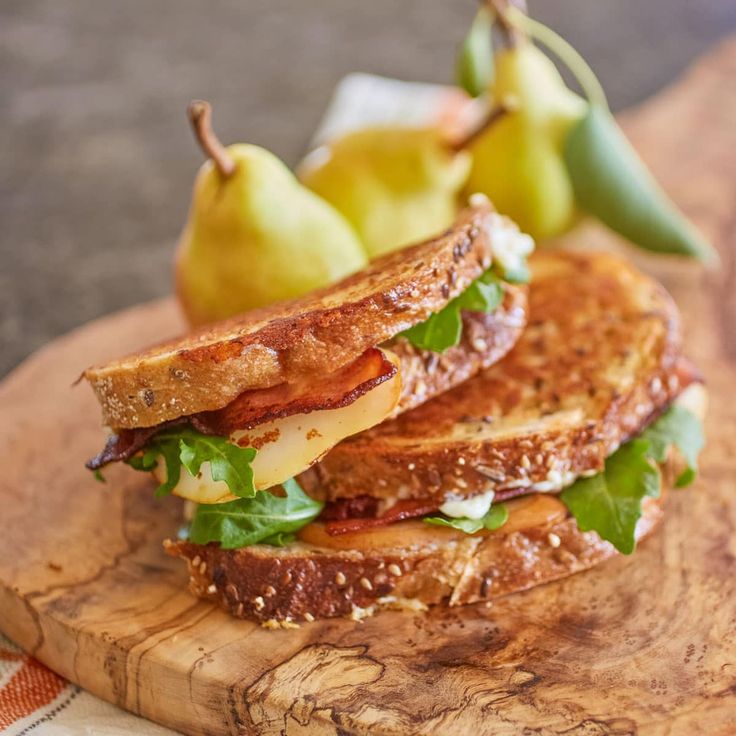
Image Credit: Pinterest
Ingredients
- Whole-grain bread- 4
- Brie cheese (made from pasteurised milk), sliced- 100 g
- Ripe pear, thinly sliced- 1
- Butter- 2 tsp
How to Prepare
- Heat a skillet over medium heat.
- Butter one side of each slice of bread.
- Layer Brie and pear slices on the unbuttered side of two bread slices, then top with the remaining slices, buttered side out.
- Grill the sandwiches in the skillet until the bread is golden and the Brie is melted, about 3-4 minutes per side.
- Serve warm.
5. Oven-Baked Brie with Garlic and Herbs
This pregnancy-safe baked Brie recipe is comforting, flavourful, and suitable when prepared correctly. Baking ensures the cheese reaches a high temperature, reducing the risk of harmful bacteria.
Ingredients
- 1 small wheel of pasteurised Brie cheese
- 1 teaspoon olive oil
- 1 finely chopped garlic clove
- Fresh rosemary or thyme
- Whole wheat crackers or toasted bread slices
Method
- Preheat the oven to 190°C (375°F).
- Place the brie in an oven-safe dish, drizzle with olive oil, and sprinkle garlic and herbs on top.
- Bake for 12–15 minutes until the cheese is visibly bubbling and steaming hot throughout.
- Serve immediately with crackers or toast.
FAQs
1. Can I eat unpasteurised Brie when pregnant?
Unpasteurised soft cheeses may sometimes contain dangerous bacteria, including those that can cause fatal tuberculosis or Listeria. This bacterium has a chance of crossing over into the placenta, leading to food poisoning. While vomiting, diarrhoea, and fever are common effects of listeriosis infection, other flu-like symptoms, such as muscle aches and fatigue, are also common among women. In the worst cases, it can even lead to blood poisoning in the baby, stillbirth, premature birth, or even miscarriage (12).
2. Is pasteurised Brie safe during pregnancy?
Pasteurisation is the process of heat-treating milk to destroy potentially harmful pathogens, such as Salmonella, present in the milk. When Brie is cooked or heated to around 160 degrees Fahrenheit (71 degrees C), any dangerous bacteria in the food are killed, and the cheese can be considered safe to eat (13).
3. Is organic Brie safer during pregnancy?
Organic Brie cheese is not necessarily safe unless it is also pasteurised. The term “organic” refers to how the milk was produced, but does not guarantee that the cheese is free from harmful bacteria. Always check that the Brie is pasteurised, whether organic or not. Brie cheese for pregnancy can be a safe and delicious option, as long as it is made from pasteurised milk and consumed in moderation (14).
4. Is baked brie cheese safe to eat when pregnant?
Yes. When Brie cheese made from pasteurised milk is cooked thoroughly, the heat eliminates harmful bacteria. As long as the cheese is piping hot before consumption, baked Brie can be considered safe for pregnant women.
5. What to do if unpasteurised cheese is eaten accidentally during pregnancy?
Unpasteurised cheese can carry bacteria, such as Listeria or E. coli, which may cause harmful complications when pregnant. In pregnancy, this can increase the risk of complications like miscarriage or preterm labour. If you accidentally consume any unpasteurised cheese, consulting a doctor as early as possible is suggested.
4. Is grilled Brie safe to eat during pregnancy?
Yes. Brie cheese that is grilled or heated until it is steaming hot throughout is considered safe, as high temperatures help destroy harmful microorganisms.
5. What types of cheese should I avoid during pregnancy?
Pregnant women must avoid uncooked soft and semi-soft cheeses such as Brie, Camembert, feta, blue-veined cheeses, and Mexican-style soft cheeses like queso fresco or queso blanco unless they are pasteurised and cooked thoroughly.
On average, 1,600 Listeriosis cases occur annually in the United States. With only about 200 cases of pregnant women contracting Listeriosis among around 4 million cases of pregnancies per year, the odds of you contracting Listeria are rather slim. However, it’s worth considering that pregnant women don’t get unwell after contracting Listeriosis. Store your Brie in airtight packaging or plastic wrap in the refrigerator, as it’s particularly prone to spoilage or bacterial contamination if left outside the fridge. It’s best to consult your health professional and enjoy the Brie cheese delicacies you crave during the memorable pregnancy and motherhood journey.
Also Read:
Eating Ricotta Cheese in Pregnancy
Consuming Goat Cheese when Pregnant
Can You Eat Blue Cheese while Pregnant?
Is it Safe to Eat Feta Cheese during Pregnancy?
Was This Article Helpful?
Parenting is a huge responsibility, for you as a caregiver, but also for us as a parenting content platform. We understand that and take our responsibility of creating credible content seriously. FirstCry Parenting articles are written and published only after extensive research using factually sound references to deliver quality content that is accurate, validated by experts, and completely reliable. To understand how we go about creating content that is credible, read our editorial policy here.
1. Encyclopedia Britannica – Brie
3. US FDA – Listeria (Food Safety for Moms-to-Be)
4. US FDA – Food Safety Booklet for Pregnant Women, Their Unborn Babies, and Children Under Five
5. NHS Wales – Pregnancy Guide
6. CDC – Preventing Listeria Infection
7. US FDA – Food Safety for Moms-to-Be At-a-Glance
10. CDC – Safer Food Choices for Pregnant Women
11. NHS – Foods to avoid in pregnancy
12. Nemours KidsHealth – Listeria Infections
- Author
 About the Author