
Sea Bass During Pregnancy: Is It Safe to Eat?
Sea bass during pregnancy comes with mercury considerations by variety, weekly limits, and cooking safety. Explore the full guide here.




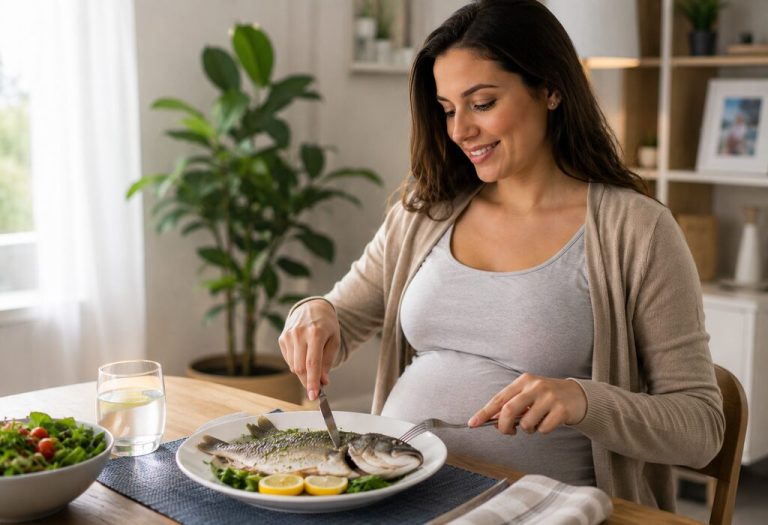
Sea bass and pregnancy can go together safely, provided you choose low-mercury varieties, eat it in moderation, and ensure it’s thoroughly cooked. According to the U.S. Food and Drug Administration (FDA) and Environmental Protection Agency (EPA), pregnant women should eat 8-12 ounces (2-3 servings) of low-mercury seafood each week to get essential nutrients like omega-3 fatty acids, protein, iodine, and vitamin D that support a baby’s brain and eye development (1). While sea bass can be a nutritious choice during pregnancy, its safety depends on the species and how it’s prepared. This article explains the benefits of eating sea bass during pregnancy, potential risks, safe serving recommendations, and tips for enjoying it safely.
What Is Sea Bass?
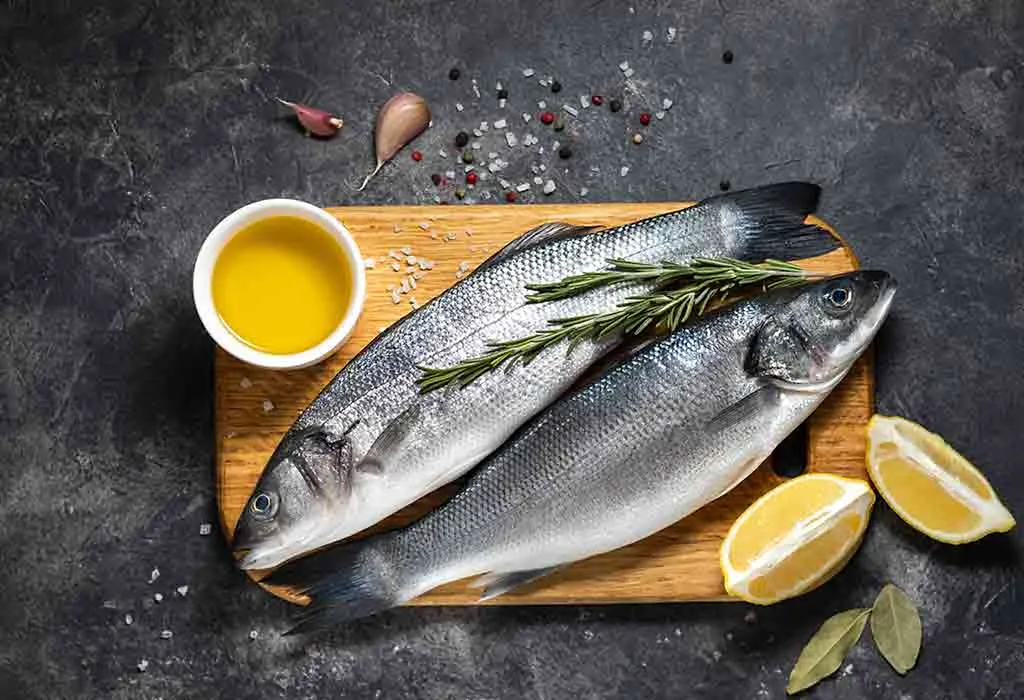
Sea bass is a common name used for several species of marine fish found in coastal waters around the world. Depending on the species, sea bass can live in shallow or deeper waters in temperate and tropical regions. Many species have spiny dorsal fins and sharp gill covers, while their tails may be rounded or slightly forked (2). Sea bass is prised for its firm, creamy-white flesh and mild, buttery flavour with a subtle sweetness. Because it has a delicate taste and is less “fishy” than many other seafood varieties, it is a popular choice for people who prefer mild-flavoured fish.
Safe Types of Sea Bass Fish to Eat During Pregnancy
Varied species of sea bass include striped sea bass, black seabass, Chilean sea bass, and European sea bass (3). The Chilean species is a type of cod with the highest mercury content out of all the sea bass fish for pregnant women. Thus, Chilean sea bass should only be taken once a week during pregnancy.
While farmed fish contains a lower mercury level, it’s not entirely free from it. The fish sold and consumed as sea bass in Ireland and the United Kingdom is the European Bass, a member of the Moronidae family. Known as Mediterranean sea bass, loup de Mer, or branzino, the European sea bass is also found around Europe and North Africa. Black sea bass is considered safe for consumption at least two to three times a week during pregnancy as it contains lower mercury than the Chilean sea bass.
Mostly found on the east coast of the US in lakes and rivers, a large portion of striped sea bass is raised in fish farms. Pregnant women can consume it up to three times a week because it has a lower mercury level than black and European sea bass.
Can Pregnant Women Eat Sea Bass?
The question, “Is sea bass safe for pregnancy?” is one many expectant mothers ask. The answer is yes, as long as you choose low-mercury varieties, eat it in moderation, and ensure it is fully cooked. Sea bass is a good source of high-quality protein, selenium, and omega-3 fatty acids (including DHA), which support your baby’s growth and brain development (4). However, mercury levels vary by species. Chilean sea bass is high in mercury and should be avoided during pregnancy, while lower-mercury varieties can be included as part of the recommended seafood intake.
What Is the Mercury Level of Sea Bass?
The mean mercury level in saltwater sea bass, black sea bass, striped sea bass, and rockfish is 0.167 ppm, which is relatively low. Chilean sea bass has a mean PPM of 0.354 (5). Due to its moderate mercury level, it’s best to eat Chilean sea bass only once weekly.
Is It Safe to Eat Raw Sea Bass While Pregnant?
No, it is not safe to eat raw or undercooked sea bass during pregnancy. Raw fish may contain harmful bacteria and parasites that can cause foodborne illnesses, increasing the risk of complications for both you and your baby. To stay safe, always eat fully cooked sea bass with an internal temperature of 145°F (63°C) (6). Even if the fish has been previously frozen, freezing does not eliminate all food safety risks, so raw sea bass should still be avoided during pregnancy.
How Much Sea Bass Is Safe to Consume When Pregnant?
Sea bass may contain a similar level of pollution as oily fish. According to the 2015-2020 Dietary Guidelines for Americans, pregnant women or nursing moms can consume between 8 and 12 ounces of a variety of seafood per week from varieties with lower mercury content (1). Thus, the FDA recommends that cooked sea bass be eaten up to two to three times a week during pregnancy to get the benefits of fish without the harmful effects of mercury.
Risks of Eating Sea Bass Fish During Pregnancy
While sea bass is nutritious, certain risks should be considered during pregnancy.
- Mercury exposure: Some varieties, especially Chilean sea bass, contain high levels of mercury, which can affect your baby’s developing brain and nervous system if consumed frequently.
- Foodborne infections: Eating raw or undercooked sea bass may expose you to harmful bacteria or parasites, increasing the risk of foodborne illnesses during pregnancy.
- Environmental contaminants: Sea bass may contain pollutants such as PCBs and dioxins, which can accumulate in the body over time with excessive consumption.
- Allergic reactions: If you have a fish allergy, eating sea bass can trigger symptoms ranging from mild skin reactions to severe allergic responses.
- Overconsumption: Eating sea bass too often, especially higher-mercury species, may increase mercury exposure and reduce dietary variety, making moderation important during pregnancy.
The Safest Ways of Consuming Sea Bass When Pregnant
All fish should be cooked to 145°F (63°C) before consumption during pregnancy (6). Most species of sea bass (except for Chilean sea bass) contain low levels of mercury, making it an excellent choice of fish when pregnant. Grilled sea bass that has been appropriately cooked is relatively safe during pregnancy. Any bass is generally seasoned with lemon and herbs and cooked on a well-oiled grill until the skin turns opaque and flakey. Sea bass can be pan-fried and served alongside vegetables or fresh salad. Sea bass can be baked in an oven for 25 minutes and served with peppers, pinenuts, and olives to avoid cooking with oil, which can add extra fat and calories to your diet. Overall, sea bass is a nutritious fish choice if you verify the species and ensure it’s thoroughly cooked.
Healthy Alternatives to Sea Bass While Pregnant
Several low-mercury fish provide similar nutrients and are safe during pregnancy. Here are some healthy alternatives you can include in your pregnancy diet (1):
- Salmon: Rich in omega-3 fatty acids (DHA and EPA), protein, and vitamin D, salmon supports your baby’s brain and eye development.
- Sardines: Low in mercury and packed with calcium, omega-3s, vitamin D, and protein, sardines are a highly nutritious choice.
- Trout: A low-mercury fish that provides high-quality protein, omega-3 fatty acids, selenium, and B vitamins.
- Atlantic Mackerel: Unlike king mackerel, Atlantic mackerel is low in mercury and is an excellent source of healthy fats, protein, and vitamin B12.
- Tilapia: A mild-flavoured, low-mercury fish that offers lean protein, selenium, and other essential nutrients when fully cooked.
FAQs
1. Is it safe to eat black Sea Bass during pregnancy?
Eating sea bass during pregnancy is safe, but consumption should be in moderation. As their mercury levels can harm the fetus, pregnant women should limit the amount of serving (1).
2. Is consuming Sea Bass while breastfeeding safe?
Sea bass is a good source of protein that can give you energy. It is a good source of fatty acids like docosahexaenoic acid (DHA), which helps promote the baby’s brain development. Vitamin A, B, B6, and minerals like potassium, iron, and zinc in Sea Bass also benefit the nursing mothers and the growing fetus. Thus, it is safe to eat sea bass while breastfeeding, but the amount of consumption should be limited (7).
3. Can babies eat Sea Bass?
It is better to avoid feeding sea bass to small babies due to the mercury found in it. One-year-old babies and above can safely eat sea bass, but consumption should be limited. Furthermore, parents should monitor the reaction to eating sea bass as some children may be allergic to fish or seafood. Limit consumption so your children can be protected from the mercury found in sea bass and other seafood.
4. Can eating Sea Bass help with common pregnancy symptoms?
Yes, sea bass is a rich source of nutrients, including omega-3 fatty acids, which can help alleviate common pregnancy symptoms. But what sets it apart is its high protein content. This protein can be a boon during pregnancy, helping to maintain energy levels and supporting overall maternal health.
Fish recommendations have also changed constantly over the years, leaving pregnant women out of the loop on the latest guidelines. Moreover, savvy eaters should look for clean, sustainably caught or farmed seafood. Sea bass for pregnancy can be a nutritious choice, offering essential omega-3 fatty acids, high-quality protein, and vital vitamins and minerals that support fetal development and maternal health. If you are still facing health issues, consult your doctor and follow the dietary suggestions immediately.
Also Read:
Eating Shrimp while Pregnant
Consuming Crab during Pregnancy
Can You Eat Sardines when Pregnant
Is It Safe to Eat Salmon in Pregnancy
Was This Article Helpful?
Parenting is a huge responsibility, for you as a caregiver, but also for us as a parenting content platform. We understand that and take our responsibility of creating credible content seriously. FirstCry Parenting articles are written and published only after extensive research using factually sound references to deliver quality content that is accurate, validated by experts, and completely reliable. To understand how we go about creating content that is credible, read our editorial policy here.
1. U.S. Food and Drug Administration – Advice about Eating Fish
2. Encyclopedia Britannica – sea bass
3. Food and Agriculture Organization of the United Nations – Seabass
5. U.S. Food and Drug Administration – Mercury Levels in Commercial Fish and Shellfish (1990-2012)
6. FoodSafety.gov – Safe Selection and Handling of Fish and Shellfish
- Author


Related Articles
-

8 Super Foods Pregnant Women Should Eat for Baby's Strong & Healthy Heart
-
Why Should You Avoid Eating Liquorice Root During Pregnancy?
-
20 Best Foods for Pregnancy: A Guide to Eating Healthy for You and Your Baby
-
Eating Parsley While Pregnant – Is It Harmful?
-
Elderberry in Pregnancy - Is It Safe?
-
Important Diet Tips for Pregnant Women to Follow in Rainy Season