
Cauliflower During Pregnancy – Safety, Benefits, and Side Effects
Learn if cauliflower during pregnancy is good for you, its benefits, side-effects and precautions to follow before eating it.





Cauliflower in pregnancy can be a flavourful and nutritious choice, offering many benefits for you and your growing baby. But does the relationship of cauliflower and pregnancy through consumption outweigh the risks during pregnancy? The humble cauliflower is low in calories and rich in vitamin C, folate, vitamin K, and choline, all of which contribute to immune function, healthy cell growth, and fetal brain development. But like other high-fibre vegetables, cauliflower may cause bloating or gas in some pregnant women, particularly when eaten in large amounts. Thus, it is essential to establish the recommended intake of gobi in pregnancy, potential side effects, and safe ways to prepare it so you can enjoy its benefits without any discomfort during pregnancy.
Is It Safe to Eat Cauliflower During Pregnancy?
Yes, cauliflower is good for pregnancy. The consumption of cauliflower during pregnancy first, second, and third trimesters is safe. That said, the decision of whether or not to eat a certain food must be made considering its nutritional value, cost, availability, and the risks of its consumption (1).
Being a cruciferous vegetable (belonging to the cabbage family) and high in sulphur compounds, cauliflower can cause gas development in many people. Many pregnant women are prone to digestive ailments during pregnancy. Some of them are also prone to mistaking gas cramps or colic pains for signs of problems in the pregnancy. This is one of the reasons that cauliflower is on some people’s list of ‘those that should not be eaten’ in excess while pregnant (2). Even women with thyroid issues should be careful about eating cauliflower while pregnant. Otherwise, cauliflower for pregnancy is perfectly safe.
Nutritional Value of Cauliflower
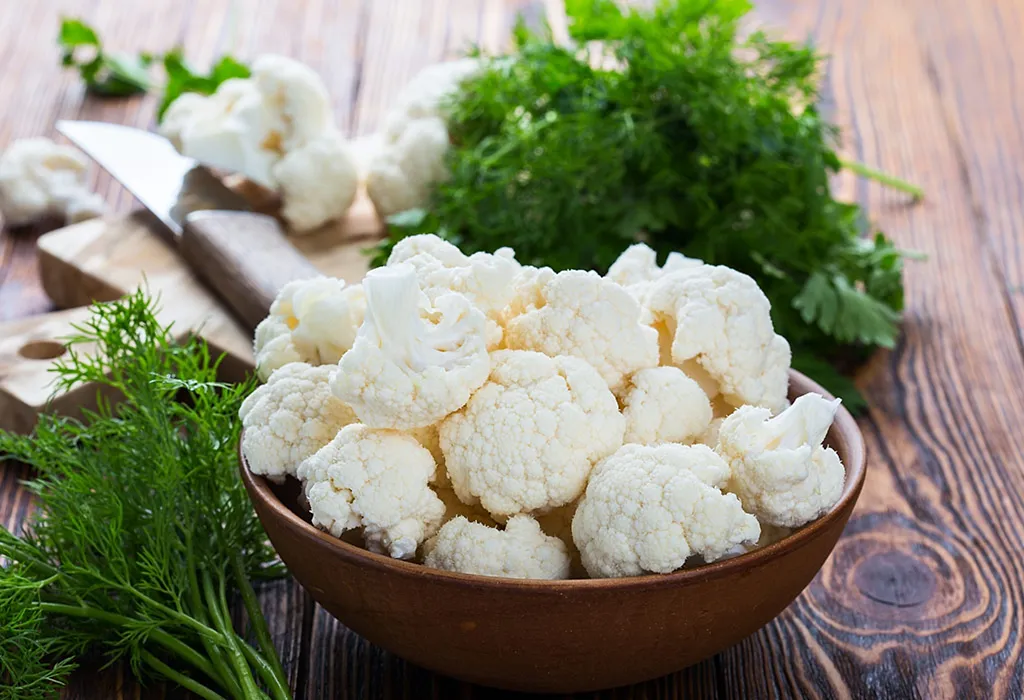
What are the nutrients in cauliflower? Cauliflower is a low-calorie vegetable with around 25 calories for every 100 gm. It has high amounts of Vitamin C, B-6, K and plenty of easily available iron, calcium, phosphorus, magnesium, zinc, manganese and selenium.
Here is the nutritional value of 100 g of cauliflower (3).
| Nutrients | Amount |
| Energy | 25 kcal |
| Calcium, Ca | 22 mg |
| Magnesium, Mg | 15 mg |
| Phosphorus, P | 44 mg |
| Potassium, K | 299 mg |
| Sodium, Na | 30 mg |
| Zinc, Zn | 0.27 mg |
| Vitamin C | 48.2 mg |
| Vitamin B3, Niacin | 0.507 mg |
| Vitamin B6 | 0.2 mg |
| Vitamin B9, Folate | 57 µg |
| Vitamin K | 15.5 µg |
What Are the Benefits of Cauliflower in Pregnancy?
Since cauliflower is rich in many crucial nutrients, consuming it during pregnancy has many benefits. Here are some cauliflower nutrition facts:
- Cauliflower is rich in folate, a vitamin essential for cell growth and replication, integral to the baby’s development in the womb (10).
- Cauliflower is a rich source of folates and Vitamin C, which together are potent antioxidants that scavenge free radicals in the bloodstream.
- Cauliflower helps combat tiredness and body pain by helping with the expulsion of antioxidants and free radicals.
- It is an excellent source of pantothenic acid, which is central to the metabolism of carbohydrates, fats, and proteins.
- Cauliflower also has a large amount of easily available iron to help avoid preterm labour and low birth weight in your baby.
- Cauliflower also helps women with anaemia because of its easily absorbable iron.
- Cauliflower is good for pregnancy as it is a low-calorie vegetable which can be eaten even when the mother-to-be has to be careful about weight gain during pregnancy.
- Cauliflower helps reduce blood pressure, which might elevate in pregnant women during the last trimester (5).
- It also helps keep cholesterol at healthy levels (6).
- Cauliflower has niacin, which helps avoid congenital disabilities of the central nervous system in the fetus (4).
- It has abundant Vitamin K, which helps prevent a rare disorder called ‘Vitamin K deficiency bleeding’.
- It is rich in phosphorus, which helps build strong bones in you and your developing baby.
- It is rich in magnesium to help prevent the uterus from contracting prematurely.
- It contains zinc that helps support your immune system and heals wounds.
- It has abundant manganese that helps form bone and cartilage.
- Cauliflower is also rich in selenium, which helps regulate immune and thyroid function.
Risks of Eating Cauliflower When Pregnant
Despite its versatility and nutritional value, a few risks are associated with pregnant women consuming cauliflowers. These include:
- Women prone to gout, kidney stones, and uric acid build-up should avoid cauliflower during their pregnancy since it is high in a naturally occurring substance called purine. An excess of purines can trigger a gout attack and may lead to the formation of kidney stones in sensitive individuals (13). Pregnant women already have a lot of load on their kidneys from the baby.
- In many countries, cauliflowers are grown using pesticides containing neurotoxins and can pass through the placenta, causing genetic alteration. If your source of cauliflower is loaded with a high pesticide residue, you should source it from a reliable organic supplier. This will help you get all the benefits of cauliflower without the risks.
- Eating unwashed and uncooked cauliflower poses the risk of stomach irritation and food-borne diseases such as toxoplasmosis and listeriosis (12).
- Cauliflowers harbour many insects and insect residue, which can be ingested by mistake if prepared without cleaning and washing.
- Women near the end of their gestation can mistake gas cramps for signs of labour. Women with a nervous disposition and tendency to gas run the risk of running to the hospital for what they think is labour but could be gas.
How to Include Cauliflower in Your Pregnancy Diet?
This tasty vegetable is versatile and can be added to various soups, purees, and dishes to add taste, nutrition, and flavour. Refrain from overcooking cauliflower, as too much cooking destroys the nutritional benefits you want.
- Lightly steamed crunchy cauliflower florets, tossed with salad dressing, are an ideal supplement to toasted bread with garlic butter for lunchtime.
- Florets rolled in a thin batter and baked in an oven with a hot cup of chamomile tea can healthily combat the mid-afternoon munchies.
- A cauliflower stir-fry with fresh garden herbs like basil and rosemary can be paired with rice and lentils for a balanced meal.
- A steamed cauliflower puree makes a delicious and nutrition-packed addition to a steak and gravy dish.
- Cauliflower stuffed paranthas paired with a curd dip make a filling and nutritious combination for lunch or dinner.
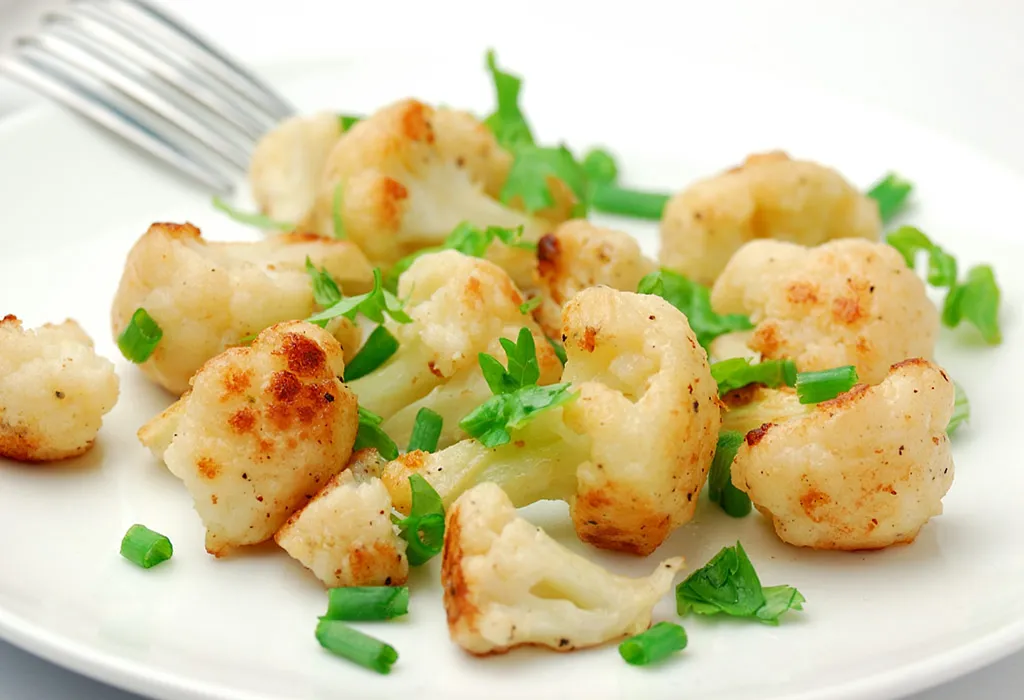
Harmful Effects of Eating Too Much Cauliflower in Pregnancy
While cauliflower is a nutritious vegetable, excessive consumption during pregnancy may result in digestive discomforts, such as bloating and gas, due to its high fibre content (8). Here are the harmful effects of overindulging in cauliflower during pregnancy.
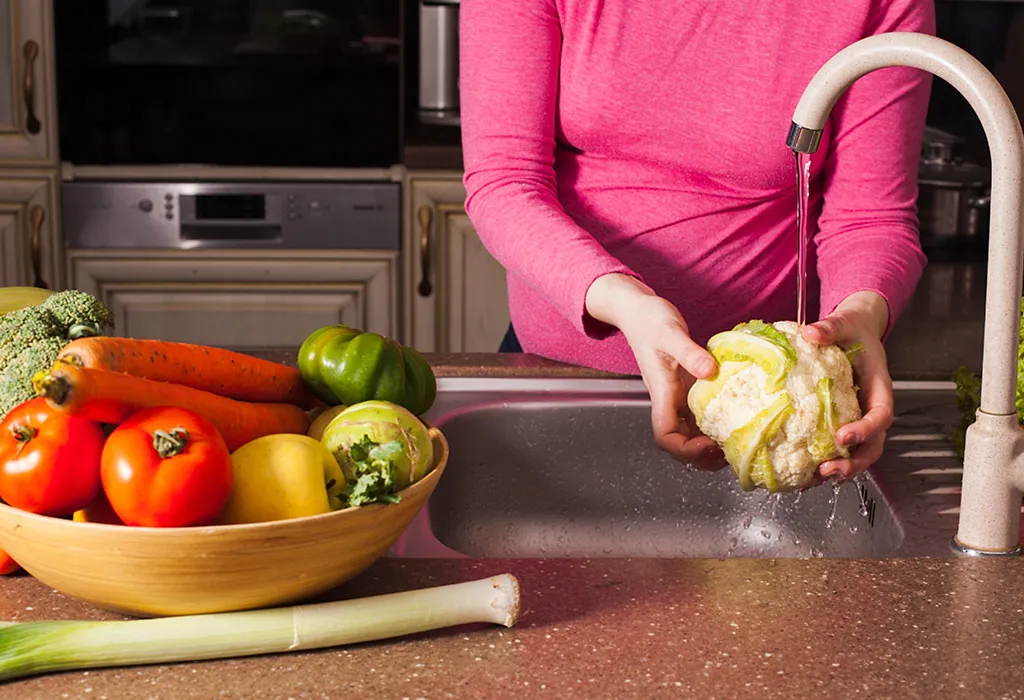
- Unwashed cauliflowers may contain harmful bacteria, parasites, and pesticide residue that can cause stomach irritation and food-borne diseases such as toxoplasmosis and listeriosis (11). The cauliflower should be well-washed and cleaned. Many prefer to soak the florets in warm water with turmeric for a while before cooking.
- Cauliflower very rarely causes allergies in people. However, it can sometimes cause an allergic response with symptoms like severe itching, facial and hand swelling and breathing difficulties. If you have an allergy, do not hesitate to ask your doctor for an antihistamine and avoid cauliflower.
- Cauliflower has been known to cause acid reflux and constipation in some people (7). Pregnant women who are prone to both these complaints should figure out if cauliflower is a trigger for them and, if so, avoid it in the future.
Precautions to Take While Eating Cauliflower When Pregnant
Can you overeat cauliflower? Of course, you can – it is like any other part of your diet, which should not be overdone. It must be planned with moderation.
- Cauliflower is a potent, sulphur-containing crucifer. Overconsumption can cause gas and colic (14). So, eat in moderation if susceptible to digestive problems.
- Eat cauliflower-based dishes in the earlier part of the day to help digestion and absorption. Cook them lightly with minimal spices and oil—this helps preserve nutrients and keep the dish easily digestible.
- Wash the cauliflower well and, when possible, buy from reputed organic outlets or farmers’ markets to get all the goodness of cauliflower without the toxin overload.
FAQs
1. Can cauliflower help alleviate pregnancy cravings?
Cauliflower’s versatility makes it an excellent option for satisfying pregnancy cravings in various forms. Whether roasted as a crunchy snack, blended into soups for a comforting meal, or mashed as a substitute for traditional mashed potatoes, cauliflower can be incorporated into various dishes to satisfy different cravings while providing essential nutrients.
2. Is it better to eat cauliflower raw or cooked during pregnancy’s first trimester?
Raw cauliflower during pregnancy’s first trimester can be harder to digest and may cause discomfort in some individuals, such as bloating or gas (9). Cooking cauliflower can help break down its fibres, making it easier to digest and potentially reducing the likelihood of digestive issues.
3. Can cauliflower consumption affect blood sugar levels during pregnancy?
Cauliflower is a low-glycemic vegetable, meaning it has a minimal impact on blood sugar levels. Its fibre content helps slow down the absorption of sugar, which can be beneficial for managing blood sugar levels during pregnancy, especially for women with gestational diabetes or those at risk of developing it.
4. How can incorporating cauliflower into the diet benefit pregnant women during the second and third trimesters?
Including cauliflower in the diet during the second and third trimesters of pregnancy can offer significant benefits. Cauliflower is rich in essential nutrients such as folate, vitamin C, and vitamin K, all of which are crucial for maternal health and fetal development during these stages of pregnancy.
5. Does cauliflower affect thyroid function during pregnancy?
Cauliflower contains naturally occurring compounds called goitrogens, which may interfere with iodine uptake when eaten in very large amounts, especially raw. For most pregnant women with adequate iodine intake, moderate consumption of cooked cauliflower is considered safe.
6. Is frozen cauliflower as nutritious as fresh cauliflower during pregnancy?
Yes. Frozen cauliflower retains most of its nutrients because it is typically frozen soon after harvesting. It can be a convenient and healthy alternative, provided it is cooked properly before eating.
Cauliflower for pregnancy diet can be a nutritious addition, offering essential vitamins and minerals beneficial for maternal health and fetal development. The humble cauliflower is a superfood that, when chosen well and eaten right, can be the ideal vegetable for you during your pregnancy. Include it in your diet by adhering to the above precautions to help you stay healthy throughout pregnancy.
Also Read:
Eating Parsley while Pregnant
Can you Eat Radish when Pregnant?
Is It Safe to Eat Rhubarb in Pregnancy
Consuming Cabbage during Pregnancy
Was This Article Helpful?
Parenting is a huge responsibility, for you as a caregiver, but also for us as a parenting content platform. We understand that and take our responsibility of creating credible content seriously. FirstCry Parenting articles are written and published only after extensive research using factually sound references to deliver quality content that is accurate, validated by experts, and completely reliable. To understand how we go about creating content that is credible, read our editorial policy here.
1. UNICEF – What to eat before, during and after pregnancy
2. Nemours KidsHealth – Eating During Pregnancy
3. U.S. DEPARTMENT OF AGRICULTURE – Cauliflower, raw
7. Johns Hopkins University – GERD Diet: Foods That Help with Acid Reflux (Heartburn)
8. Johns Hopkins University – Bloating: Causes and Prevention Tips
9. American College of Gastroenterology – Belching, Bloating, and Flatulence Overview
10. Pregnancy, Birth and Baby – Folate and pregnancy
11. Stanford Medicine Children’s Health – Listeriosis
12. Centers for Disease Control and Prevention – Parasites – Toxoplasmosis (Toxoplasma infection)
13. National Library of Medicine – Purine-rich foods intake and recurrent gout attacks
- Author


Related Articles
-

Sparkling Water During Pregnancy: Is It Safe to Drink?
-
Healthy Diet Plan for Twin Pregnancy
-
Can Pregnant Women Eat Shrimp? Benefits, Risks, & Safety
-
Pregnancy Diet for Fourth Month (13-16 Weeks)
-
Broccoli in Pregnancy: Benefits, Safety & How Much to Eat
-
How Much Water Does a Pregnant Woman Need to Drink?