
Amoxicillin While Pregnant – Is It Safe?
Learn how amoxicillin for pregnant women is used, its safety during pregnancy, and important precautions to know.





Image Credit : AI Generated Image
Hmm….a bacterial infection during pregnancy doesn’t sound so good, especially when doctors mention antibiotics. Amoxicillin is a commonly prescribed antibiotic to treat infections, but many pregnant women are unaware of whether it is truly safe to take. Since there is a risk of certain medications passing through the placenta to the growing baby, it is highly essential to know whether the medication you are taking during pregnancy can impact the mother and the baby. The good news is that it is safe to take amoxicillin when pregnant during all stages of pregnancy; plus, the overall body of evidence is reassuring. That said, when it comes to medication during pregnancy, sometimes there’s no one-size-fits-all, and understanding the facts and figures about the use of amoxicillin for pregnant women can help make an informed decision.
What Is Amoxicillin?
Amoxicillin is a penicillin-class antibiotic. It is a broad-spectrum penicillin-type antibiotic prescribed to treat a range of bacterial infections, including bronchitis, pneumonia, urinary tract infections (UTIs), and skin, throat, and ear infections.
Amoxicillin works by disrupting the cell wall of bacteria, effectively stopping them from multiplying and giving your immune system the upper hand. Doctors commonly prescribe amoxicillin for pregnancy for urinary tract infections (UTIs), chest infections, throat infections, dental infections, and certain skin infections. It is to be noted that antibiotics, such as amoxicillin, do not work for colds, flu, and other viral infections. Taking antibiotics for viral infections or when they are not needed increases your risk of developing antibiotic resistance (1).
This antibiotic is available in multiple forms, such as capsules, tablets, chewable tablets, and liquid suspension, making it a flexible option for patients of different ages and circumstances, including pregnant women who may have trouble swallowing large pills.
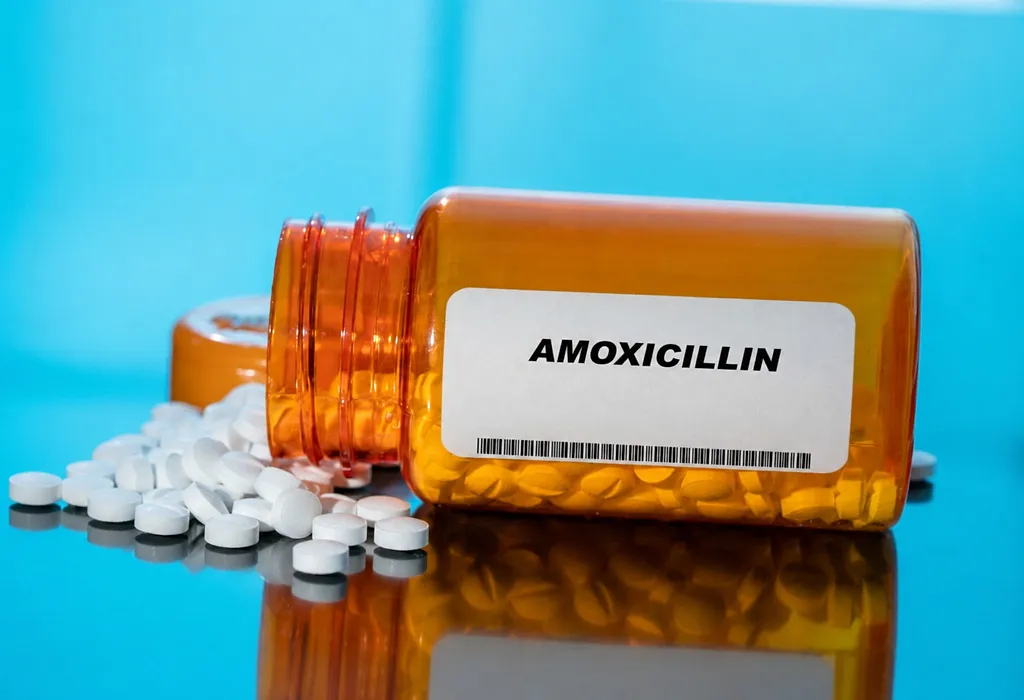
Image Credit : AI Generated Image
Is Amoxicillin Safe During Pregnancy?
Is amoxicillin safe for pregnant women? Yes, medical experts consider amoxicillin as one of the safer antibiotic options available for pregnant women when taken under the guidance of a health care provider (2). The U.S. Food and Drug Administration (FDA) categorises amoxicillin as a Category B medication, which means that animal studies using this drug have not shown any harmful impact on the developing fetus, and no well-controlled human studies have demonstrated significant risk (3) (4).
This category summarises that amoxicillin is considered low risk for pregnant women, in all trimesters of pregnancy. Doctors prescribe amoxicillin for UTI during pregnancy and for several other infections.
It is important to note that the keyword mention for amoxicillin is “safer” – not “completely risk-free.” Like any other medication, amoxicillin, too, should only be used when prescribed by a doctor who is aware of your pregnancy. Never self-medicate during pregnancy.
Risks of Taking Amoxicillin While Pregnant
While amoxicillin is generally a well-tolerated medication among pregnant women when taken at any stage of pregnancy, it is important to be aware of potential risks. First of all, completing the course of an antibiotic is very important and leaving a bacterial infection untreated during pregnancy may carry serious risks. Untreated UTIs, for instance, can progress to kidney infections and increase the risk of preterm labour. Here are some known risks to discuss with your doctor:
1. Upset Stomach, Vomiting, and Diarrhoea
Upset stomach, diarrhoea, and vomiting are the common side effects of amoxicillin during pregnancy. If the medication upsets the stomach, it’s best to take it with food and water.
2. Allergic Reactions
It is possible to experience an allergic reaction due to amoxicillin as part of the Penicillin allergy, which is one of the most commonly reported drug allergies (5). Allergic symptoms can range from a mild skin rash to a severe anaphylactic reaction. If you have a known penicillin allergy, you must inform your doctor before any antibiotic is prescribed. Your provider will choose a safe alternative.
3. Antibiotic Resistance
Your doctor will decide whether amoxicillin is the appropriate treatment for you and how long you need to be treated with antibiotics. Taking antibiotics more than necessary, even the pregnancy-safe ones, can be harmful to you and your baby. Misuse or overuse of antibiotics causes antibiotic resistance, in which bacteria evolve defences to survive drugs that were supposed to kill them, making infections difficult or impossible to treat (6). Thus, it is necessary to take antibiotics, including amoxicillin, as per the dosage and timing prescribed by the doctor.
3. Effect on the Gut Microbiome
Like all antibiotics, amoxicillin can disrupt the natural balance of good bacteria in your gut (7). This could lead to digestive discomfort, diarrhoea, or in some cases, a secondary infection caused by Clostridioides difficile (C. diff). Eating probiotic-rich foods or taking a pregnancy-safe probiotic alongside your antibiotic course may help, though you should consult your doctor first.

Image Credit : AI Generated Image
Does Amoxicillin Affect a Baby While Pregnant?
This is one of the most common questions expectant mothers have, and it is completely understandable. The short answer is: when used appropriately and under medical supervision, amoxicillin is not known to cause harm to the developing baby.
Amoxicillin does cross the placenta, meaning it does reach the baby’s system. However, multiple large-scale studies, including data from national pregnancy registries, have not found a statistically significant increase in the risk of major birth defects associated with amoxicillin use when compared to no antibiotic use (8).
The trimester in which you take the medication matters too. The first trimester is a critical window for organ development, and while most studies find amoxicillin to be safe throughout pregnancy, some doctors prefer to use the minimum effective dose for the shortest necessary duration during early pregnancy as a precautionary approach. Although not definite, research has found that the use of Amoxicillin in early pregnancy may be associated with an increased risk of oral clefts (1). Thus, it is best to consult a doctor and take the antibiotic course as prescribed.
How Much Amoxicillin Is Safe for a Pregnant Woman?
The right dose of amoxicillin for a pregnant woman depends entirely on the type and severity of the infection being treated. There is no fixed “pregnancy dose” – your doctor or midwife will prescribe based on what the infection requires. According to the NHS, the standard adult doses typically range from 250 mg to 500 mg taken three times a day, or 875 mg taken twice daily, for a course of 5 to 10 days (9).
What is important is that you:
- Take the full prescribed course, even if you feel better before it ends.
- Never double up on doses if you miss one.
- Do not take amoxicillin or any antibiotic that was prescribed for someone else.
- When consulting a doctor, inform them about your condition, pregnancy status, and about other medications, supplements, or herbal remedies you are taking.

Image Credit : AI Generated Image
Important Things To Know About Taking Amoxicillin During Pregnancy
Before starting a course of amoxicillin during pregnancy, there are several things worth keeping in mind to ensure you get the safest and most effective treatment possible.
- Always disclose your pregnancy status: Whether you are visiting a GP, a dentist, or an urgent care clinic, always mention that you are pregnant before any medication is prescribed.
- Pair it with probiotic support: Ask your doctor whether a pregnancy-safe probiotic is appropriate to take alongside the antibiotic to help maintain gut health.
- Stay hydrated: Drinking plenty of water helps your kidneys process the medication and reduces the risk of side effects like nausea.
- Watch for side effects: Common side effects include nausea, vomiting, diarrhoea, and stomach cramps. These are usually mild and temporary. However, if you develop a skin rash, hives, difficulty breathing, or swelling, seek medical attention immediately, as these may indicate an allergic reaction.
- Do not self-diagnose or self-treat: Antibiotics should only be taken when a bacterial infection has been confirmed or strongly suspected by a healthcare professional. Viral infections (like the common cold or flu) do not respond to antibiotics.
When to Call a Doctor?
While amoxicillin is a low-risk drug, the following symptoms warrant a doctor’s visit:
- You develop a skin rash, itching, or hives after starting the medication.
- You experience swelling of the face, lips, or throat.
- You have difficulty breathing or a sudden drop in blood pressure (signs of anaphylaxis).
- Your symptoms do not improve or worsen after 48–72 hours of starting the antibiotic.
- You develop severe diarrhoea with blood or mucus in the stool or watery diarrhoea two or three times or more per day for at least two days.
- You notice a sudden change in your baby’s movements.
FAQs
1. Can taking amoxicillin in the first trimester harm my baby?
Based on current available evidence, amoxicillin is not known to cause significant harm to a developing baby when taken as prescribed. The first trimester is a sensitive time, and your doctor will weigh the need for treatment against any potential risk. In most cases, treating a bacterial infection protects both you and your baby.
2. What are the possible side effects of taking amoxicillin during pregnancy?
Possible side effects of amoxil in pregnancy include nausea, vomiting, diarrhoea, skin allergies, stomach pain, and frequent drowsiness.
2. Is it safe to take amoxicillin while breastfeeding?
Amoxicillin does pass into breast milk in small amounts. Most health authorities, including the NHS and the American Academy of Pediatrics (AAP), consider amoxicillin compatible with breastfeeding. However, always tell your prescribing doctor that you are breastfeeding so they can make an informed recommendation (10).
While Amoxicillin has passed the safety test for pregnancy and breastfeeding, it is still very important to consume it when absolutely needed or when prescribed by the doctor. Self-medicating, not just with amoxicillin, can be detrimental to the mother’s and baby’s health. Should you experience any weird symptoms after taking the antibiotic during pregnancy, consult a doctor immediately.
Also Read:
Antibiotics In Pregnancy
Taking Loratadine while Pregnant
Should You Take Omeprazole in Pregnancy?
What Medications Can You Take While Pregnant?
Which Medicines Should Be Avoided during Pregnancy?
Was This Article Helpful?
3. NHS – Pregnancy, breastfeeding and fertility while taking amoxicillin
4. US FDA – Drug Safety and Availability
5. Thermo Fisher Scientific – c1 Penicilloyl G
6. WHO – Antimicrobial resistance
8. Poison Control – Taking amoxicillin during pregnancy and breastfeeding
- Author