Moringa in Pregnancy – Benefits and Possible Risks
Benefits, possible risks, and safety tips of moringa during pregnancy for a healthy journey.




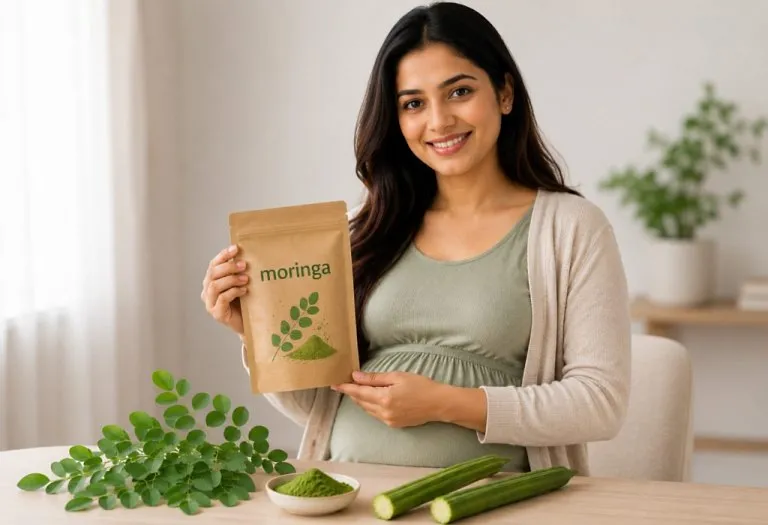
Moringa oliefera, the all-rounder plant, does not need much of an introduction today. Native to India, Southeast Asia, and parts of Africa, this plant is known for its rich nutritional profile, including iron, calcium, vitamin C, potassium, protein, and antioxidants. But can you eat moringa in pregnancy? Does moringa leaf and pregnancy make up a good pair for the growing baby? During pregnancy, nutritional demands increase significantly, and women look for ways to support those nutritional demands, which explains why moringa gets a ton of attention in pregnancy wellness discussions. But just because something is natural does not mean unlimited amounts are safe during pregnancy, right?
Let’s tap the topic of moringa and pregnancy and learn about its safety and risk profile, from leaves to pods to powder!
Is Moringa Safe During Pregnancy?
Can you take moringa while pregnant? This is one of the most common questions expecting mothers ask. The safest answer is: Moringa leaves may be acceptable for some pregnant women only when taken in moderate amounts, but supplements and certain plant parts do require certain caution.
Moringa and pregnancy go together safely for most pregnant women, but there is not enough strong evidence to declare moringa completely safe for all pregnant women. While moringa leaves may be “possibly safe” in some stages of pregnancy, the roots, bark, and flowers have the potential to trigger uterine contractions. In fact, according to a 2023 study published in the International Journal of Women’s Health, consumption of fresh moringa leaf during pregnancy increases the level of haemoglobin (1).
That is why many obstetricians recommend speaking with a healthcare provider before adding moringa supplements, powders, or capsules to your pregnancy routine. Women with high-risk pregnancies, bleeding issues, thyroid disorders, diabetes, or blood pressure problems especially need medical guidance first.
How Much Moringa Can a Pregnant Woman Take?
Moderation is always the keyword when it comes to taking any herb or supplement while pregnant. So, how much moringa can a pregnant woman take safely? There is currently no universally approved “fixed” pregnancy dosage for moringa for pregnant women. That alone tells you why moderation matters.
- Fresh Leaves (Cooked): ½ to 1 cup daily in food.
- Moringa Powder: No more than 2 grams/day (approx. ½ teaspoon), as recommended by a physician.
- Avoid: Raw seeds, roots or stems as it may contain potential toxins during pregnancy.
| Form of Moringa | Pregnancy Consideration |
|---|---|
| Fresh leaves | Generally safer in food amounts; moderation is key |
| Cooked pods | Commonly eaten in traditional diets; moderation is key |
| Powder | Use cautiously and in moderation; consult a doctor |
| Capsules/extracts | Avoid without doctor approval |
| Root/bark | Avoid during pregnancy |
It is always best to get medical advice before taking moringa supplements, and especially before taking in large concentrated doses. So, the mantra is simple: treat moringa oleifera in pregnancy like a supportive food ingredient rather than a miracle supplement.
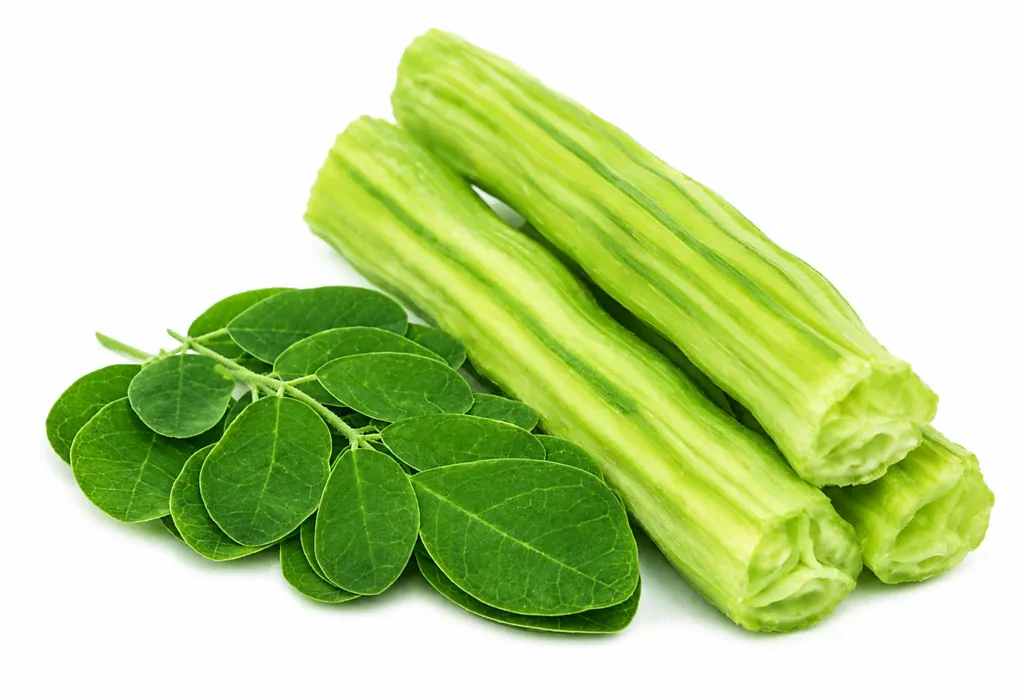
Benefits of Moringa in Pregnancy
Let’s take a look at moringa benefits for pregnant women:
1. Supports Iron Levels in Pregnancy
Moringa leaves are an excellent source of iron, and during pregnancy, the body needs extra iron to support the growing baby and increased blood volume. Including moringa as part of a balanced diet can help support iron intake and reduce anaemia, alongside iron-rich foods like lentils, spinach, and beans (1) (2).
2. Supports Healthy Bones
Moringa leaves are rich in calcium, magnesium, phosphorus, and vitamin K, nutrients that support bone health. According to the Cleveland Clinic, these nutrients, along with antioxidants in moringa, can help you maintain strong, resilient bones and help prevent bone-related issues like osteoporosis (3). During pregnancy, if calcium needs are not met by diet or supplementation, the mother’s body pulls calcium from her bones to support the baby’s bone and tooth development. Thus, calcium is highly essential during pregnancy.
3. Rich in Antioxidants
The oxidative stress increases in the body during pregnancy, and when left untreated, the stress can contribute to preeclampsia, preterm birth, and low birth weight. Antioxidants in moringa help protect the cells from damage caused by free radicals. A 2023 clinical study further examined how moringa leaf extract intervention, when started from the preconception period, helped in the prevention of oxidative stress in pregnant women and the reduction of adverse pregnancy outcomes (4).
4. Regulates Blood Sugar
Gestational diabetes is a big concern among pregnant women. Moringa is known to help regulate blood sugar levels due to its content of vitamin B7 (biotin), which might be beneficial for mothers dealing with gestational diabetes, though more research is needed.
6. Strengthens the Immune System
Pregnancy temporarily modifies a woman’s immune function, making her more vulnerable to infections and inflammation. Moringa is a superfood with antioxidant, anti-inflammatory, and antibacterial properties that support the immune system. It also helps regulate cortisol levels, which is a stress hormone that can rise during pregnancy and negatively impact immunity.
7. Prepares the Body for Postpartum Lactation
Moringa has galactagogue properties, meaning it has the ability to support breast milk production (5). Anecdotal evidence suggests that moringa leaves increase breast milk production in mothers of preterm infants. Starting a leaf-based moringa diet or supplementation during the later stages of pregnancy after consulting a doctor may help prime the body’s lactation response before delivery.
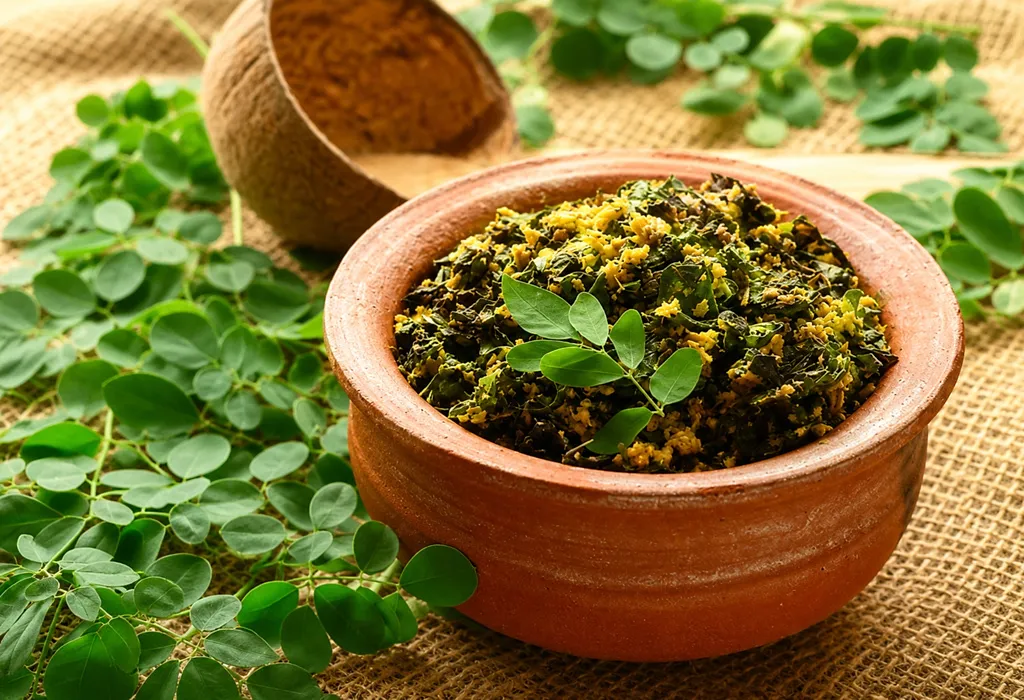
Potential Risks of Moringa During Pregnancy
Is there any effect of moringa on pregnancy? Although moringa for pregnant women is generally advertised as safe in food quantities, there are certain risks that should be kept in mind.
- Uterine contractions and other pregnancy complications: Not all parts of the moringa plant are equal in safety. The root, bark, and flowers of moringa contain chemicals that may cause the uterus to contract
- Potential drug interactions: Moringa can interfere with liver enzymes, potentially altering the metabolism and efficacy of prescription drugs. This is especially concerning for pregnant women who take medicines for gestational hypertension or gestational diabetes.
- Gastrointestinal distress at high doses: Taking moringa in the diet is fine, but medical supplementation requires careful scrutiny by doctors. Excess moringa consumption can cause digestive issues like stomach cramps, nausea, and diarrhoea.
- Limited Human Safety Evidence: Due to insufficient evidence regarding its overall safety during pregnancy and breastfeeding, most experts advise caution. While leaf-based moringa appears relatively safe for use in the second and third trimesters, the research base is still developing, and blanket recommendations cannot yet be made across all trimesters or population groups
Ways to Add Moringa to Your Pregnancy Diet
Drumstick leaves during pregnancy’s 2nd & 3rd trimester are a great addition to the diet. Here are a few gentle ways to include moringa:
- You can add a small spoonful of moringa powder to your freshly homemade vegetable soup.
- When making dal, you can add finely chopped fresh leaves to it to boost its nutritional value.
- How about fruit smoothies? Blend a little moringa into your smoothie and make it nutrition-rich.
- Stir fry moringa leaves and add to rice or khichdi.
- Add cooked moringa leaves to omelettes or parathas.
FAQs
1. Can I have moringa powder during pregnancy?
Small food-based amounts of moringa powder while pregnant may be acceptable for some women, but concentrated powders and supplements should only be used after discussing them with a healthcare provider.
2. Is moringa tea safe during pregnancy?
Moringa leaf tea in moderate amounts may be safer than extracts made from roots or bark. You can also make soup with moringa leaves. Still, it is best to check with your doctor before drinking it regularly.
3. Can moringa help with pregnancy anaemia?
Moringa boasts iron, calcium, and other nutrients that may support iron intake, but it should not replace medically prescribed iron supplements for anaemia treatment.
4. Which part of moringa should be avoided during pregnancy?
Pregnant women should avoid moringa root, bark, and flowers because they may stimulate uterine contractions.
Moringa is nothing less than a superfood if consumed in the right way and in the right quantities during pregnancy. its moderate food-based use during pregnancy can offer great benefits to pregnant women. At the same time, it is not completely risk-free. The roots, bark, and flowers of moringa could stimulate uterine contractions and high-dose supplements could jeopardise the pregnancy. So, if you are planning to use moringa for pregnancy, take the theorotical help from our article and do consult about its safety with your doctor. Since every pregnancy is unique and has different difficulties, a direct consultation can clear several doubts and misconceptions related to using moringa for pregnancy.
Also Read:
Herbs in Pregnancy
Eating Pickles during Pregnancy
Is Eating Neem during Pregnancy Safe?
Shatavari (Asparagus Racemosus) when Pregnant
Eating Curry Leaves (Kadi Patta) During Pregnancy
Was This Article Helpful?
Parenting is a huge responsibility, for you as a caregiver, but also for us as a parenting content platform. We understand that and take our responsibility of creating credible content seriously. FirstCry Parenting articles are written and published only after extensive research using factually sound references to deliver quality content that is accurate, validated by experts, and completely reliable. To understand how we go about creating content that is credible, read our editorial policy here.
- Author


Related Articles
-

Eating Rice During Pregnancy: Benefits, Types, and Safety Tips
-
Pranayama in Pregnancy - Benefits and Techniques
-
Taking Birth Control Pills During Pregnancy: Is It Safe & What Happens?
-
Retinol During Pregnancy: Is It Safe? Risks & Alternatives
-
Using Mobile Phone During Pregnancy - Risks and Safety Tips
-
Amniocentesis Test