
List of Chemicals to Avoid During Pregnancy
From cleaning products to cosmetics, certain chemicals are best avoided during pregnancy. Know what to watch for and make informed choices.





Medically Reviewed By
Dr. Deepinder Kaur
(Gynaecologist)

This content has been reviewed by a qualified expert and follows the FirstCry Parenting editorial policy to ensure accuracy and reliability.
Many everyday products contain chemicals to avoid during pregnancy because certain substances can cross the placenta and potentially affect a baby’s growth and development. The World Health Organization (WHO) warns that exposure to endocrine-disrupting chemicals during pregnancy and early childhood may impact a child’s health for the rest of their life, making prevention especially important (1).
This article explains the most common chemicals pregnant women should avoid, where these substances are found, the potential risks to fetal development, and practical steps you can take to reduce exposure and support a healthier pregnancy.
List of Chemicals to Avoid During Pregnancy
Toxic chemical exposure during pregnancy could cause complications in the health of your baby, so you must be careful so that you do not come in contact with any of these chemicals when you are pregnant. Some of the chemicals to avoid in pregnancy are:
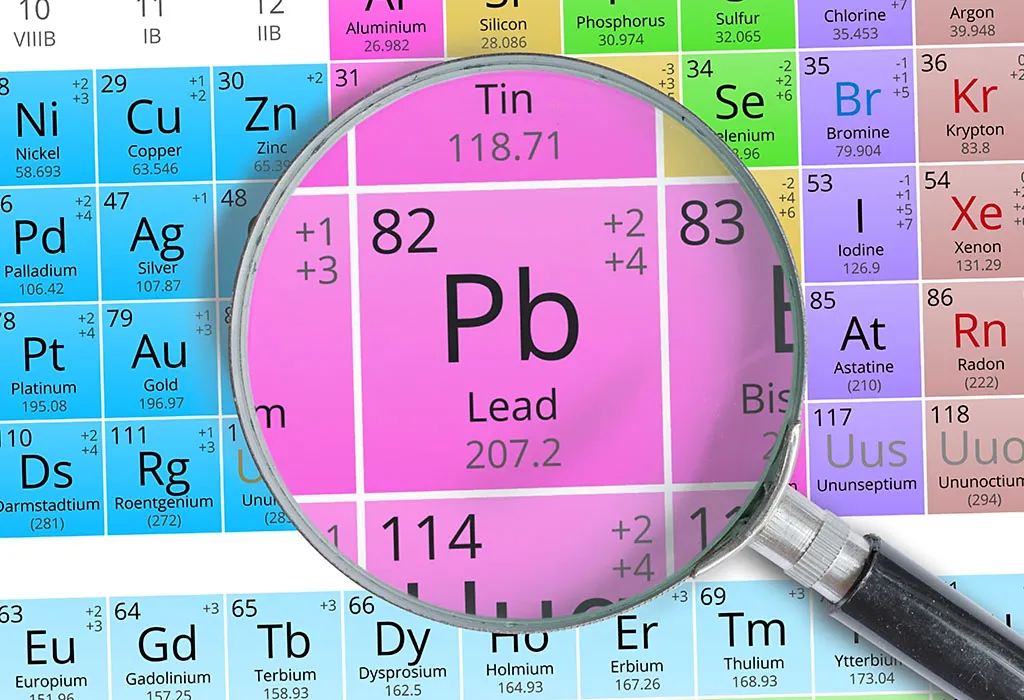
1. Lead
Lead is a common constituent of many household items and is used in a widespread manner. Therefore, it is all-the-more important that you do not come in contact with this toxic chemical during pregnancy.
Why Avoid It:
Lead, if it comes in contact with the mother during pregnancy, can cause a lot of complications in the baby growing in your belly. Some of these complications include premature birth, low birth weight in the baby, and may even lead to miscarriage. Some children have also been observed to have delayed developmental milestones because the mother came in contact with lead during pregnancy. Even if it is in a small amount, it may impair the ability of your child to learn and develop like his peers (2).
How to Avoid It:
Check the lead levels on the plumbing system installed in your home. Lead solder may be used in the copper or brass taps you use at home, and they may need to be replaced as soon as possible. You could also ask experts to take a sample of the water from your home and check whether it is safe for consumption. Paint also contains a large amount of lead, especially in old buildings. So you should stay away from walls where the paint is peeling off so that the fumes or particles do not enter your body. You should go for a repaint with lead-free paint, if possible. Other common ceramics for lead include old ceramics, crystal glassware and the wicks of candles.
2. Mercury
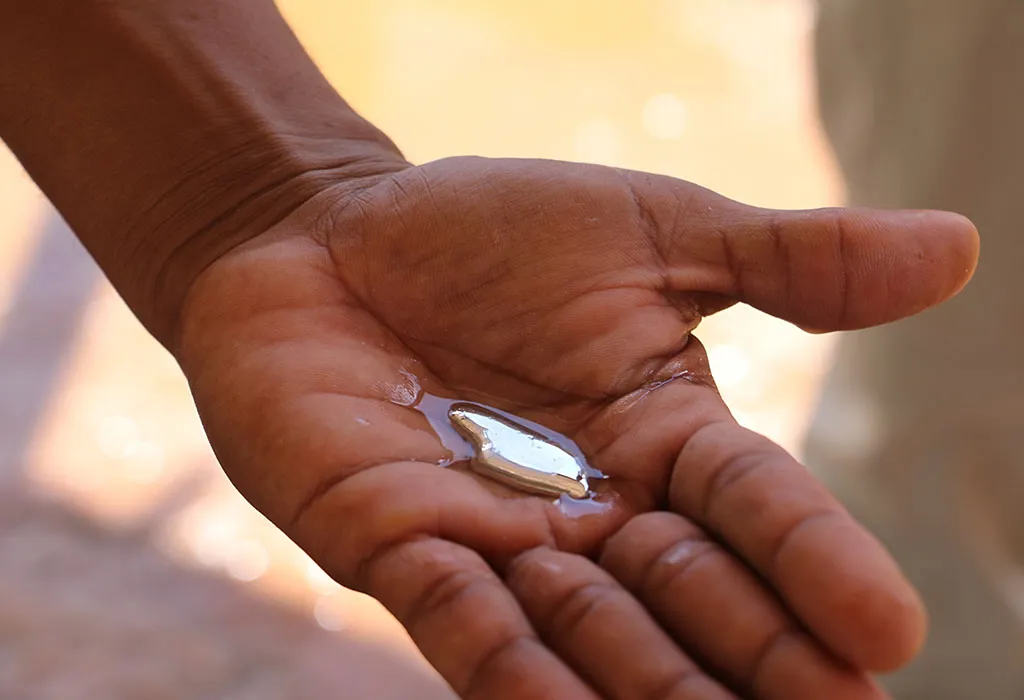
Mercury is another one of the most common chemicals which affect the health of the mother and the unborn child. Mercury usually comes in contact and enters the body of the mother through fish, since it is found in high levels in some types of fish.
Why to Avoid It:
Mercury levels in the body can have extremely detrimental effects on the health of the baby in your womb. They usually start off by affecting the development of the nervous system, and your child may be born without a developed brain. The effects usually range from mild to severe, in some cases. Since the nervous system is the one most affected, your child may exhibit certain problems when he is growing up. The motor skills, development of speech and the vision of the child may be affected due to this chemical. It can also affect cognitive abilities like memory and concentration in a large manner (3).
How to Avoid It:
Many types of fish are free of mercury in their bodies, so those are definitely safe for consumption. However, mercury levels are high in the bodies of some types of fish, like a shark, king mackerel, tilefish and swordfish. These must be avoided at all costs since even a small amount of the chemical can have huge implications on the health of your baby. Also, fresh and white tuna usually contain a larger amount of mercury in their body, compared to light tuna. So it would be better to avoid fish during pregnancy, although you could have a talk with your doctor about which fish is safe for consumption during pregnancy.
3. Arsenic
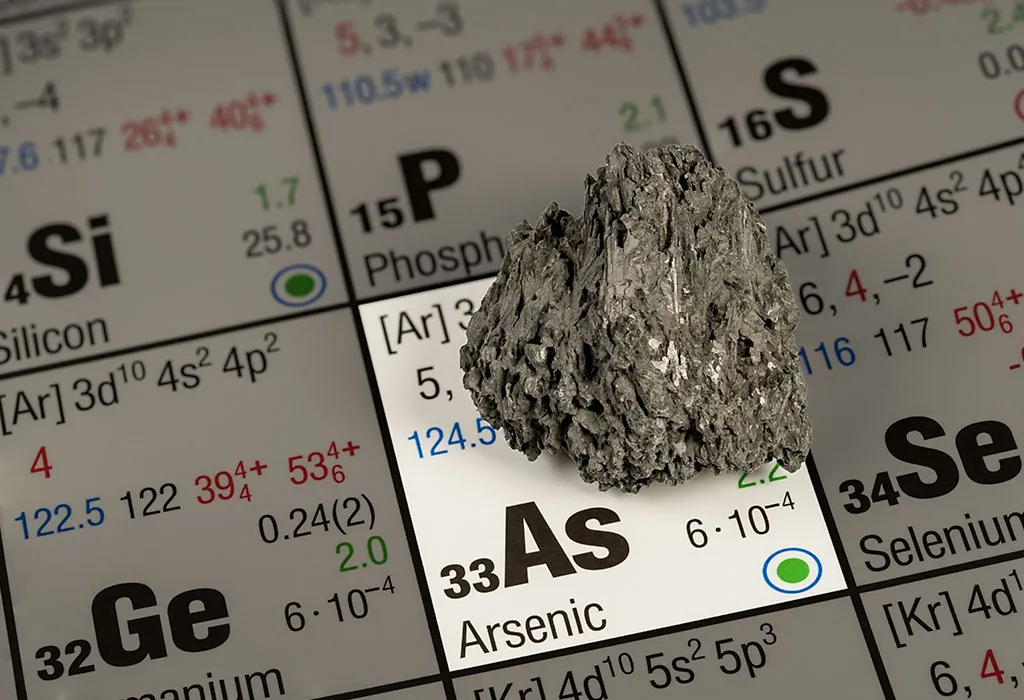
Arsenic is not as common as the two chemicals mentioned above, but they still represent a problem for pregnant women. Arsenic, if it comes in contact with the body during pregnancy, can result in many problems for the child when he is born.
Why to Avoid It:
Miscarriage and stillbirth are the common results of arsenic contact during pregnancy. It can also have adverse effects on the health of the mother and, indirectly, on the health of the baby. Arsenic, even if it is only in small amounts, can cause issues like high blood pressure and anaemia during the pregnancy. If it is present in higher concentrations, it might even result in cancer and diabetes in the pregnant woman (4).
How to Avoid It:
Arsenic most commonly comes in contact with the women through old outdoor wooden furniture. This is because chromate copper arsenate is the chemical used in treating the lumber for such furniture so that the furniture remains intact for a longer period of time. It is also a major contaminant of the soil, and will usually be found in the areas near a waste dumping ground or even agricultural fields. Therefore, you could also test the water supply at home for possible arsenic content.
4. Pesticides
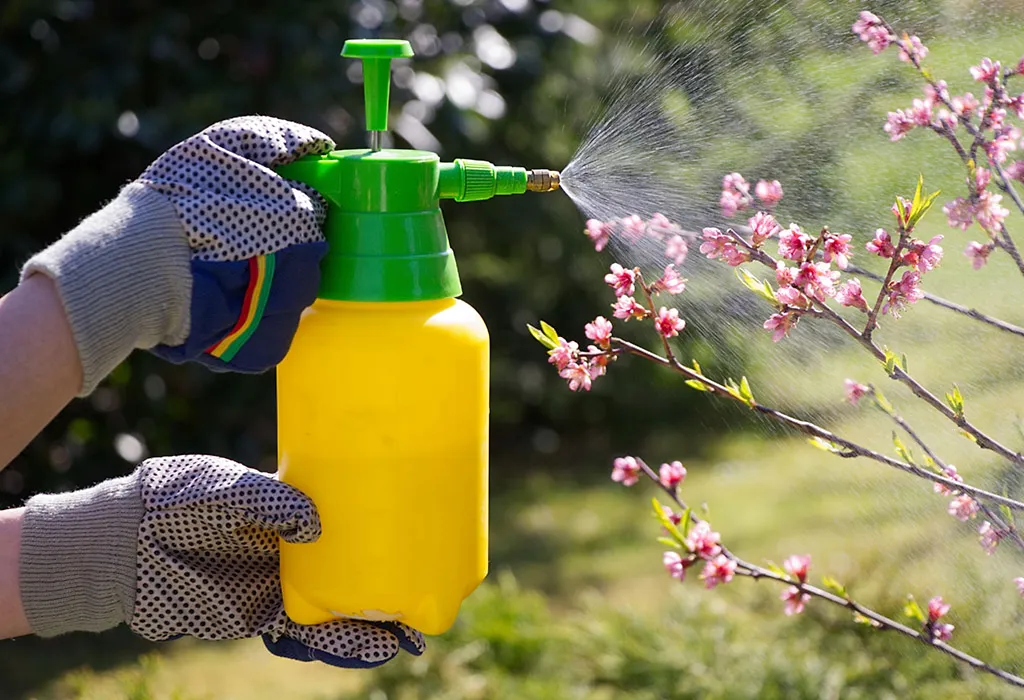
Pesticides are harmful to any human being- not just pregnant women. However, if consumed during pregnancy, they could result in larger implications for the health of the baby as well as the health of the mother.
Why to Avoid It:
To put it simply, contact with pesticides can affect the health of the baby in the same way that smoking during pregnancy does. Common results include premature birth and low birth weight of the baby. Also, it might even result in miscarriage or other birth defects in the child (5).
How to Avoid It:
Pesticides usually enter the body of the pregnant woman via the food she consumes. They might be popular in the area you stay in, so consider this aspect when you buy food for the mother. You should always wash the food thoroughly before you cook, or eat it. Also, try to seal off places in your home via which pests can enter into the place you cook at. If you need to use the help of a professional pest-controller to fumigate your home, make sure that you vacate the premises during the exercise.
5. Organic Solvents
Organic solvents cover a lot of chemicals, which are commonly found in substances like paint thinners, varnish removers and degreasers. They include alcohols, toluene, benzene, xylene and ethers.
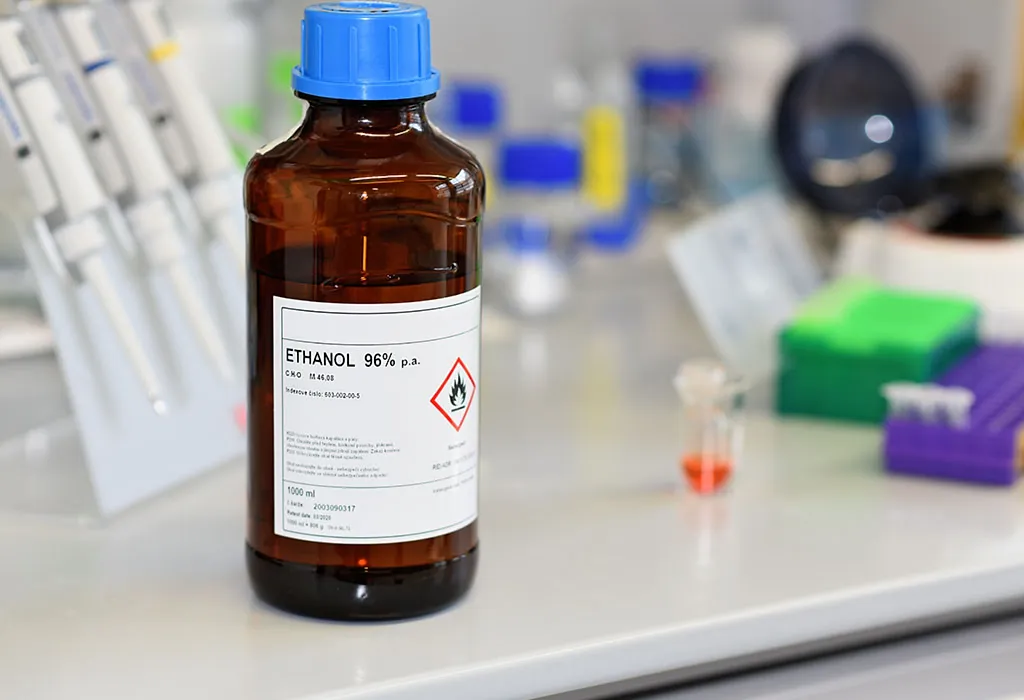
Why to Avoid It:
Exposure to some of these solvents can lead to major problems in the child, like spina bifida, clubfoot, hearing defects and the likes. For example, exposure to glycol during pregnancy can lead to a miscarriage in the baby. Foetal solvent syndrome is another condition that may affect the child, like foetal alcohol syndrome. Children affected by this have low birth weights and smaller heads because of incomplete brain growth (6).
How to Avoid It:
You will have to stay away from chemical substances like paint thinners and varnish removers during the time of pregnancy. In most cases, they enter the body of the mother by huffing or the mother breathing in the harmful vapours.
6. Bisphenol A (BPA)
BPA is an industrial chemical commonly used in the production of certain plastics and resins. It is often found in food and beverage containers, plastic water bottles, and the lining of canned foods.
Why to Avoid It:
BPA is known as an endocrine-disrupting chemical, meaning it can interfere with the body’s hormonal system. During pregnancy, exposure to BPA may affect fetal brain development, behaviour, and growth. Some studies have also linked high BPA exposure to an increased risk of low birth weight and developmental problems in children (7).
How to Avoid It:
Choose BPA-free bottles, food containers, and kitchenware whenever possible. Avoid heating food in plastic containers, as heat can cause BPA to leach into food. Opt for fresh or frozen foods instead of canned products, and use glass or stainless-steel containers for food storage.
7. Phthalates
Phthalates are chemicals used to make plastics more flexible and are commonly found in cosmetics, perfumes, shampoos, nail polishes, food packaging, and vinyl products.
Why to Avoid It:
Phthalates may interfere with hormone production and fetal development. Research suggests that prenatal exposure to certain phthalates could be associated with premature birth, low birth weight, and developmental or reproductive issues in children (8).
How to Avoid It:
Read product labels carefully and avoid personal care products containing phthalates. Choose fragrance-free cosmetics and skincare products whenever possible, as “fragrance” often contains hidden phthalates. Reduce the use of plastic food containers and avoid microwaving food in plastic packaging.
8. Formaldehyde
Formaldehyde is a strong-smelling chemical found in some household cleaners, pressed-wood furniture, carpets, paints, adhesives, and certain beauty treatments.
Why to Avoid It:
Exposure to high levels of formaldehyde during pregnancy may increase the risk of miscarriage and can potentially affect fetal growth and development. It may also cause irritation of the eyes, nose, throat, and respiratory system in the mother (9).
How to Avoid It:
Ensure good ventilation when using cleaning products or purchasing new furniture. Choose low-emission or formaldehyde-free household products whenever available. Avoid beauty treatments such as certain hair-smoothing procedures that may release formaldehyde fumes.
9. Perfluoroalkyl and Polyfluoroalkyl Substances (PFAS)
PFAS are a group of man-made chemicals often referred to as “forever chemicals” because they break down very slowly in the environment. They are commonly found in non-stick cookware, stain-resistant fabrics, food packaging, and water-resistant products.
Why to Avoid It:
PFAS can accumulate in the body over time and may cross the placenta during pregnancy. Studies suggest that exposure may be linked to low birth weight, developmental delays, immune system effects, and pregnancy-related complications such as high blood pressure (10).
How to Avoid It:
Replace damaged non-stick cookware with safer alternatives such as stainless steel or cast iron. Limit consumption of food packaged in grease-resistant wrappers and consider using a water filtration system if PFAS contamination is a concern in your area.
10. Parabens
Parabens are preservatives widely used in cosmetics, lotions, shampoos, makeup products, and some pharmaceutical products to prevent bacterial growth.
Why to Avoid It:
Parabens can mimic the activity of estrogen in the body and may disrupt normal hormonal balance. Some research has linked prenatal exposure to parabens with changes in birth weight and potential effects on child growth and development (11).
How to Avoid It:
Choose personal care products labeled “paraben-free.” Review ingredient lists and avoid products containing methylparaben, propylparaben, butylparaben, or ethylparaben. Using natural or pregnancy-safe skincare products can further reduce exposure.
FAQs
1. Can household cleaning products be harmful during pregnancy?
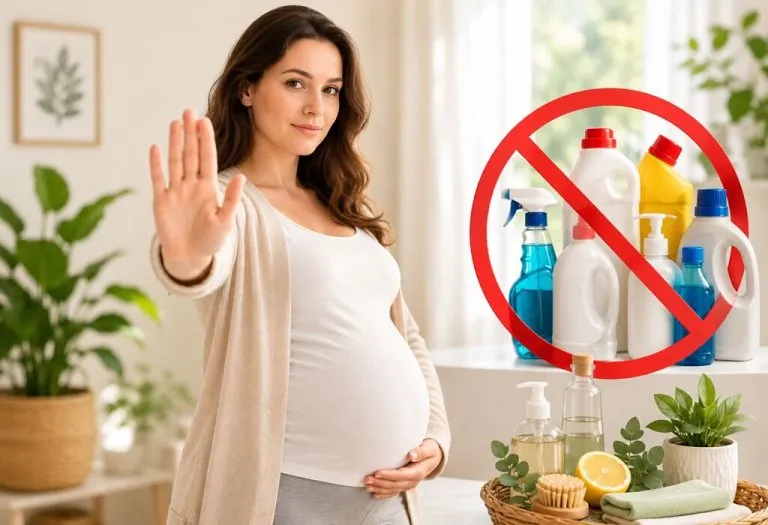
Yes, some household cleaning products contain ingredients such as ammonia, bleach, phthalates, and volatile organic compounds (VOCs) that may cause irritation or health concerns with prolonged exposure. It is advisable to identify the cleaning chemicals to avoid during pregnancy and choose mild, fragrance-free, or natural alternatives whenever possible.
2. What should I do if I accidentally come into contact with a harmful chemical during pregnancy?
A single accidental exposure does not always cause harm, but it is important to wash the affected area, move to fresh air if fumes were involved, and contact your healthcare provider if you have concerns. Your doctor can assess the level of exposure and recommend any necessary precautions or testing.
3. Is it safe to use air fresheners during pregnancy?
Many air fresheners contain synthetic fragrances and chemicals such as phthalates that may affect indoor air quality. While occasional use may not be harmful, it is generally better to use natural ventilation, open windows, or fragrance-free alternatives during pregnancy.
There are no specific answers on what chemicals to avoid when pregnant. However, the most common and harmful ones have been detailed here. You should have a talk with your doctor about these substances, for his input on whether you have to take any extra precautions.
Also Read:
Chemical Pregnancy
Salicylic Acid in Pregnancy
Nail Polish during Pregnancy
Perfume & Deodorant during Pregnancy
Was This Article Helpful?
1. World Health Organization – Providing information on endocrine disrupting chemicals and child health
2. Nemours KidsHealth – Avoiding Lead Exposure During Pregnancy
3. March of Dimes – Mercury and pregnancy
4. PubMed Central – Maternal Exposure to Arsenic and Its Impact on Maternal and Fetal Health: A Review
5. NPIC – Pesticides and Pregnancy
8. Harvard Health Publishing – Something else to avoid in pregnancy: Phthalates
- Author
- Expert Reviewer


Related Articles
-

Why Gender Disappointment Happens and How to Overcome It
-
Uterus While Pregnant: Size, Shape, Functions and Key Changes
-
Indigestion During Pregnancy - Causes, Symptoms, and Remedies
-
Yellow Discharge in Pregnancy - Causes, Treatment, & Prevention
-
Triple Marker Test (Triple Screen Test) - Purpose, Procedure & Results
-
Gestational Sac in Pregnancy: What It is & What It Indicates