

Eating Sprouts During Pregnancy – Is It Safe?
Learn about the safety, nutritional benefits, and precautions of eating sprouts during pregnancy for a healthy mom and baby




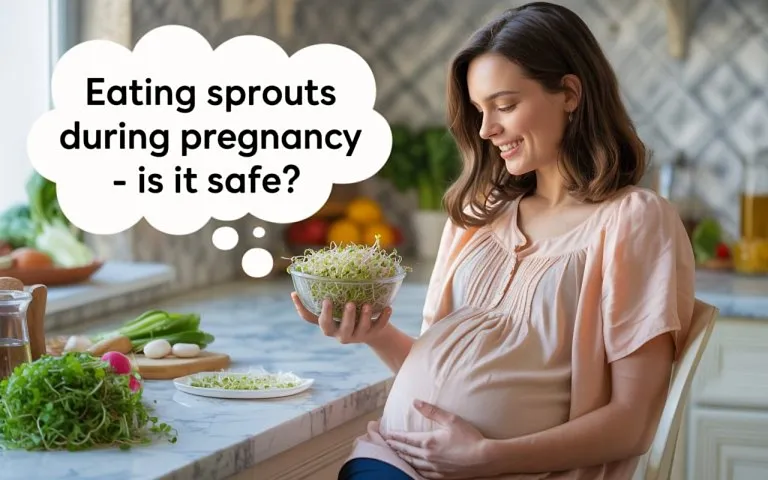
Image Credit : AI Generated Image
In this Article
- Can Pregnant Women Eat Sprouts?
- Nutrients in Sprouts
- How Many Sprouts Should Pregnant Women Eat?
- Benefits of Sprouts During Pregnancy
- Types of Sprouts That Are Safe to Eat in Pregnancy
- Effects of Having Sprouts While Pregnant
- Precautions to Take If You Feel an Irresistible Craving for Sprouts
- How to Include Sprouts in Pregnancy Diet?
- Tips for Purchasing Sprouts
- Alternatives to Sprouts While Pregnant
- FAQs
View More
Sprouts are known to be superfoods, and they can be eaten both ways – cooked or raw. They are packed with vitamins, minerals, antioxidants, and fibre, making them a nutritious choice for health-conscious people. Since during pregnancy, it is essential to maintain a balanced and nutritious diet for the health and development of both the mother and the baby, one of the questions related to these sprouty legumes is – can pregnant women eat sprouts? We recommend cueing the experts if you have asked yourself the same question. But before you hit the speed dial, read the following post in which we answer common questions related to eating sprouts while pregnant with the help of verified experts.
Can Pregnant Women Eat Sprouts?
The ultimate question is, can you eat sprouts when pregnant? The answer lies in what form you are planning to consume it. Raw sprouts in pregnancy are not considered safe. This includes all sprouts, including alfalfa, radish, clover, mung bean sprouts, etc. Bacteria like Listeria, Salmonella, and E. coli can migrate into the seeds of the sprout through cracks in the shell. And once inside the seed, they grow in the same humid and warm conditions the sprouts require. These bacteria can lead to conditions that are very risky for pregnant women. Listeriosis can cause stillbirth, miscarriage, life-threatening infections and premature birth in newborns. Salmonella and E. coli can lead to illnesses that can even be fatal (1) .
If you are fond of eating sprouts, you should ensure you eat properly cooked sprouts to lower the risk of illness. Cooking the sprouts on a low flame will not be helpful because light cooking will not provide enough heat to kill these bacteria.
Nutrients in Sprouts
Sprouts are nutrient-dense foods that provide various vitamins, minerals, antioxidants, and dietary fibre. While the exact nutrient composition can vary depending on the type of sprout, here is a general list of nutrients commonly found in sprouts (2):
1. Vitamins: Sprouts are a good source of vitamins, including vitamin C, vitamin K, vitamin E, vitamin A, and several B vitamins such as thiamin (B1), riboflavin (B2), niacin (B3), and folate (B9).
2. Minerals: Sprouts contain essential minerals like potassium, calcium, magnesium, phosphorus, iron, and zinc. These minerals are vital in maintaining bone health, supporting nerve function, and aiding in numerous cellular processes.
3. Antioxidants: Sprouts are rich in antioxidants, which help protect the body’s cells from damage caused by free radicals. Antioxidants found in sprouts include vitamin C, E, beta-carotene, and various phytochemicals like flavonoids and phenolic compounds.
4. Fibre: Sprouts are a good source of dietary fibre, which promotes digestive health, helps maintain healthy blood sugar levels, and aids in maintaining a healthy weight.
5. Protein: Sprouts contain proteins that can contribute to the overall protein intake in your diet. The protein content can vary depending on the type of sprout. Examples like mung bean sprouts and lentil sprouts are known to be relatively high in protein.
6. Enzymes: Sprouts are rich in enzymes that help digestion and nutrient absorption. These enzymes, such as amylase, protease, and lipase, aid in breaking down carbohydrates, proteins, and fats, respectively.
The nutrient content of sprouts can vary depending on factors such as the type of sprout, growing conditions, and maturity. It’s always a good idea to consume a diverse range of fruits, vegetables, and other nutrient-rich foods to ensure a well-rounded intake of essential nutrients during pregnancy or any other stage of life.
How Many Sprouts Should Pregnant Women Eat?
The amount of sprouts a pregnant woman should consume can vary based on individual factors and dietary needs. As with any food during pregnancy, moderation is key. Including sprouts as part of a balanced diet can provide beneficial nutrients. However, due to the potential risk of foodborne illnesses associated with sprouts, it is recommended to take certain precautions.
It is generally advised to consume sprouts in moderation and ensure they are fresh and properly washed before eating. It’s a good idea to consult a registered dietitian who can provide personalised recommendations based on your specific nutritional needs, medical history, and any potential risks associated with sprout consumption in your case.
Benefits of Sprouts During Pregnancy
One nutritious addition to consider during pregnancy is sprouted, germinated seeds or legumes that offer numerous health benefits. Here are eight benefits of eating sprouts during pregnancy (3):
- Sprouts are packed with essential nutrients like vitamins (A, C, E, and K), minerals (iron, calcium, and magnesium), and folate, which are crucial for the baby’s healthy development and the mother’s overall well-being.
- Sprouts are rich in dietary fibre, which aids in maintaining regular bowel movements, preventing constipation, and promoting a healthy digestive system.
- They contain antioxidants and vitamins that help strengthen the immune system, reducing the risk of infections and diseases.
- Sprouts are low in calories and fat while being high in nutrients, making them an excellent choice for supporting healthy weight gain during pregnancy.
- The enzymes in sprouts aid in breaking down food, facilitating better digestion and absorption of nutrients, and reducing the likelihood of heartburn, bloating, and indigestion.
- Sprouts have a low glycemic index, which means they release glucose into the bloodstream at a slower pace. Hence, they can be especially beneficial for women with gestational diabetes.
- Sprouts are rich in B vitamins, iron, and other minerals that support energy production, combat fatigue, and promote overall vitality.
- Folate, found abundantly in sprouts, is crucial for developing the baby’s neural tube and spine. Consuming sprouts can contribute to a healthy pregnancy by reducing the risk of neural tube defects and ensuring proper fetal growth.
Types of Sprouts That Are Safe to Eat in Pregnancy
Choosing safe sprouts is important during pregnancy, as some sprouts carry a higher risk of foodborne illnesses. Here are eight types of sprouts that are generally considered safe to eat during pregnancy:
1. Bean Sprouts
Bean sprouts, such as mung bean sprouts, are commonly used in various cuisines and are safe to consume during pregnancy. Bean sprouts during pregnancy are a good source of protein, fibre, and essential vitamins and minerals.
2. Alfalfa Sprouts
Alfalfa sprouts are mild in flavour and are often added to salads, sandwiches, and wraps. They are rich in folate, calcium, and vitamin K, making them nutritious for pregnant women.
3. Broccoli Sprouts
Broccoli sprouts are known for their high concentrations of antioxidants, vitamins, and minerals. They provide a good amount of vitamin C and are a source of folate and fibre.
4. Radish Sprouts
Radish sprouts taste peppery and can add a flavorful kick to salads and sandwiches. They are a good source of vitamin C, potassium, and antioxidants, providing added nutritional benefits during pregnancy.
5. Lentil Sprouts
Lentil sprouts are derived from lentil seeds and are a great source of plant-based protein, fibre, iron, and folate. They are versatile and can be added to salads, soups, or stir-fried dishes.
6. Brussels Sprouts
Brussels sprouts are rich in folate, crucial for proper fetal development and reducing the risk of certain birth defects. Brussels sprouts can be a nutritious and safe food choice during pregnancy. Brussels sprouts in pregnancy are packed with essential vitamins, minerals, and fibre that can support the health of both the mother and the developing baby.
7. Clover Sprouts
Clover sprouts are mild and sweet, making them a popular addition to salads and sandwiches. They are a good source of isoflavones and provide essential nutrients like vitamin C, vitamin K, and folate, which are beneficial for both the mother and the developing baby. As with all sprouts, ensure they are well-washed and thoroughly cooked to ensure safety during pregnancy.
8. Sunflower Sprouts
Sunflower sprouts have a nutty flavour and a crunchy texture. They are packed with nutrients, including vitamin E, which acts as an antioxidant, as well as essential fatty acids, protein, and zinc. Their rich nutritional profile can support fetal development and maternal health. To enjoy them safely, it is best to cook them in stir-fries or sauté them as a side dish.
Effects of Having Sprouts While Pregnant
Listed below are some of the effects of eating sprouts while pregnant:
- Alfalfa can give rise to several complications because of the E. coli bacteria. It is especially suggested that you avoid raw sprouts during pregnancy after the Salmonella outbreak from alfalfa.
- Beans, clover and radish are some examples of raw sprouts known to result in Salmonella infection.
- You are more likely to fall prey to the disease by eating the contaminated seeds of the sprouts.
- As Salmonella can multiply quickly, a single sprout may contain enough bacteria to cause illness.
- Signs and symptoms of E. coli and Salmonella include cramping, nausea, diarrhoea and fever (4).
- Even if the seeds are not active in dry conditions, the rapid growth of bacteria gets activated as soon as they sprout in warm conditions.
- Commercial farmers use a variety of products to sanitise the sprouts. The residue of these products makes sprouts unfit for consumption during pregnancy.
Precautions to Take If You Feel an Irresistible Craving for Sprouts
The following are some precautions that you should follow if you have an irresistible craving for sprouts (5):
- Remove the bacteria from the sprouts by rinsing them thoroughly.
- Make sure the sprouts are cooked properly before you consume them. Don’t consume raw sprouts.
- You should not eat sprouts if your immune system is not strong enough, as you might develop food-borne diseases during pregnancy.
How to Include Sprouts in Pregnancy Diet?
Here are a few ways to experiment with different combinations and cooking methods to find your favourite ways to include sprouts in your pregnancy diet, but make sure that the sprouts are pre-cooked or boiled. One must avoid eating raw sprouts:
- Sprouts make a nutritious and refreshing addition to salads. Toss a handful of pre-cooked bean sprouts into your favourite salad mix for an extra boost of vitamins, minerals, and crunch.
- Incorporate boiled sprouts into your stir-fry dishes for a healthy and delicious meal. Sauté a variety of colourful vegetables and lentil sprouts or mung bean sprouts, adding them towards the end for a crisp texture and added nutritional value. Make sure you add boiled sprouts.
- Before serving, sprinkle a handful of broccoli or boiled bean sprouts on top of your warm soups. The boiled sprouts will provide a delightful contrast in texture and add a nutritional punch to your comforting bowl of soup.
- Include pre-cooked sprouts in wraps or sandwiches. They will bring a fresh element to your meal.
- If you want a unique way to incorporate boiled sprouts, try adding them to your smoothies. Pair them with fruits, yoghurt, and a liquid of your choice to create a nutrient-rich and refreshing beverage that will benefit you and your growing baby.
Tips for Purchasing Sprouts
Here are some general tips you should know if you are purchasing, storing or eating sprouts during pregnancy:
- It would be best to buy fresh sprouts transported and stored in cold-chain conditions.
- Do not buy sprouts that look skinny or have a musty smell.
- After buying the sprouts, refrigerate them if you will not consume them immediately.
- The refrigerator where you are keeping the sprouts must also be clean.
Alternatives to Sprouts While Pregnant
While sprouts are nutritious, the risk of foodborne illness makes it wise to seek safer alternatives during pregnancy. The good news is that many other vegetables and greens can offer similar crunchy textures, fresh flavours, and vital nutrients without the same level of risk.
- Spinach or Arugula
- Shredded Cabbage or Coleslaw Mix
- Thinly Sliced Cucumber or Bell Peppers
- Microgreens
- Canned Bean Sprouts (rinsed and cooked)
FAQs
1. Which sprouts are better for pregnant women: homegrown or ready sprouts?
Both homegrown and store-bought sprouts can be safe during pregnancy if handled properly. Homegrown sprouts allow you to control cleanliness, while commercial sprouts from reputable brands undergo safety testing. Whichever you choose, always ensure they are thoroughly cooked to eliminate any potential bacteria.
2. What should I do if I accidentally ate raw sprouts?
If you accidentally ate raw sprouts during pregnancy, monitor for any symptoms of foodborne illness, such as diarrhoea, abdominal pain, fever, or vomiting. Stay hydrated and consult your healthcare provider immediately for further guidance. In the future, consider cooking sprouts thoroughly or opting for cooked sprouts to reduce the risk of consuming contaminated sprouts.
3. If I cook homemade sprouts into a soup, how long do they need to cook to be considered safe?
Simply wilting sprouts is not enough to kill potential bacteria. To ensure they are safe, they must be cooked thoroughly. Add them to dishes like soups, stir-fries, or casseroles and continue cooking for at least 5 minutes after the dish has reached a steaming hot temperature (at least 165°F or 74°C). This sustained heat is necessary to destroy harmful pathogens.
This was all about sprouts and pregnancy. Raw sprouts are related to major health risks and should not be eaten during pregnancy. It is better to avoid sprouts during pregnancy. However, if you are fond of sprouts, you must ensure they are properly cooked to kill the bacteria.
Also Read:
Horse Gram in Pregnancy
Salads during Pregnancy
Black Gram while Pregnant
Eating Radish During Pregnancy
Rajma (Kidney Beans) When Pregnant
Was This Article Helpful?
- Author
 About the Author
Mrunal
Related Articles
-
Fenugreek (Methi) Seeds For Pregnant Women - Benefits & Side Effects
-

Third Trimester Diet – What to Eat & What to Avoid
-

Diet for 2nd Month of Pregnancy (5-8 Weeks)
-
Eating Tamarind in Pregnancy: Benefits & Side-Effects
-
Vitamin K During Pregnancy - Importance and Food Sources
-

20 Indian Foods To Avoid During Pregnancy