Skin Darkening During Pregnancy: Causes and Home Remedies




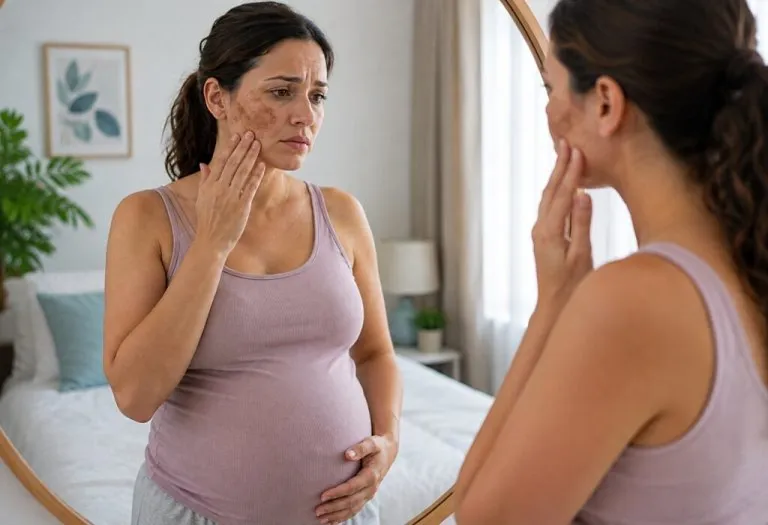
Hyperpigmentation and pregnancy often go hand in hand, with skin darkening affecting up to 90% of pregnant women (1). Hormonal changes can increase melanin production, leading to darker patches on the face, nipples, abdomen, neck, or other areas; melasma, often called the “mask of pregnancy,” is another common example. While skin hyperpigmentation in pregnancy is usually harmless and may fade after delivery, it can understandably affect how you feel about your skin. This article explains why these changes happen, what can make pigmentation more noticeable, and which simple, pregnancy-friendly home care measures can help protect and support your skin.
Is It Normal to Experience Skin Darkening in Pregnancy?
Yes, hyperpigmentation during pregnancy is normal and can affect several areas of the body. You may notice darker skin around the nipples and areola, abdomen, underarms, neck, inner thighs, or even existing freckles and moles (2). Some women also develop melasma, which appears as uneven darker patches, commonly on the cheeks, forehead, nose, or upper lip (3).
These changes can develop at any stage of pregnancy and may become more noticeable with sun exposure. In most cases, pregnancy-related pigmentation is harmless and gradually fades after childbirth. However, every pregnancy is different, so the extent and location of skin darkening can vary from one person to another.
When Does Skin Darkening Start During Pregnancy?
Skin darkening, or chloasma or ‘the mask of pregnancy,’ appears as dark brown patches on the skin, including cheekbones, upper lip, forehead, and nose. Hyperpigmentation could also appear on the skin that is already, even, slightly pigmented, such as on the nipple, the area around the genitals, freckles, etc.
While it is common to appear in the second or third trimester of pregnancy, it can appear during any stage of the pregnancy. Women who previously did not have melasma can also experience skin darkening during pregnancy. Since chemical and medical treatment during pregnancy is handled with caution, consult your doctor or a certified dermatologist to get your melasma diagnosed and treated.
Remember, melasma, chloasma, or hyperpigmentation, whatever you like to call it, is not harmful and does not case cancer, so there is nothing to worry about. Usually, it goes away on its own, most commonly within one year after delivery.
What Causes Skin Darkening While Pregnant?
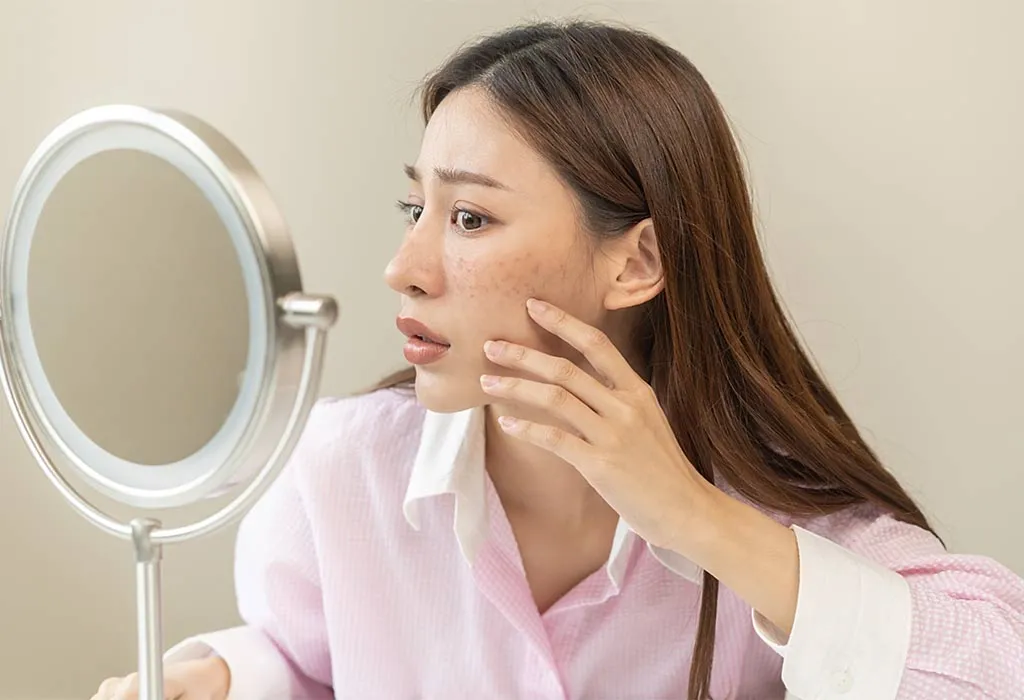
Skin darkening when pregnant, also known as melasma in pregnancy, is caused by increased amounts of melanin pigmentation in skin cells (4).
- Skin discolouration during pregnancy has been linked to the higher production of the hormone ‘progesterone’. It is believed that progesterone has an activating effect on the melanocyte-stimulating hormone (5).
- Sun exposure can cause skin darkening. In some women, pregnancy could trigger extra sensitivity to skin darkening due to sun exposure.
- If you have a relative who has melasma, there is a high chance that you will get it too.
- Latinos, Africans, Arabs, Indians and Asians who already have darker skin are more likely to develop melasma meaning that race is a factor.
Home Remedies to Reduce Skin Darkening in Pregnancy
Though pigmentation and pregnancy are not physically harmful, many women may find the appearance of darker skin in blotches aesthetically displeasing. So, here are some home remedies to treat discolouration.
1. Coconut Oil
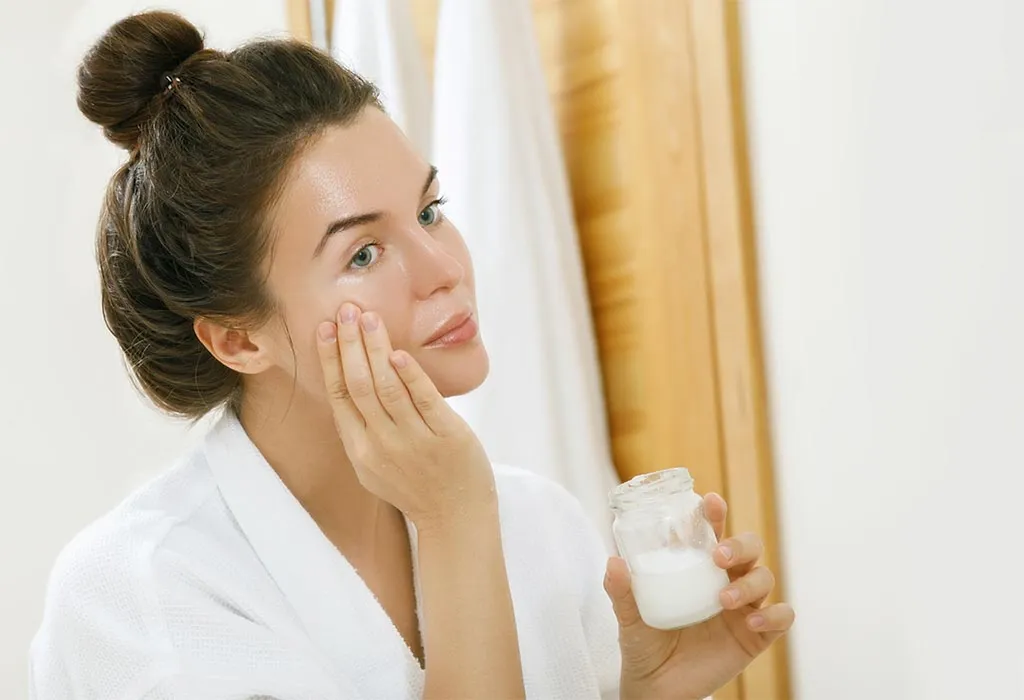
Coconut Oil is a good moisturiser, and it has antibacterial and antifungal properties! It also naturally contains SPF 4-5, which makes it a mild natural sunscreen. However, it is not suited to be used as a sunscreen for long hours in the sun (6).
2. Apple Cider Vinegar
Apple Cider Vinegar (ACV) is a super ingredient in many home remedies for the skin. For treating skin darkening, apply to darker spots with a cotton pad and rinse after 10 minutes. Repeat 2-3 times a day.
3. Aloe Vera
Aloe Vera is possibly the king of skincare ingredients! It naturally moisturises and soothes the skin and possesses antifungal properties, making it an effective treatment for several skin problems (7).
Simply cut open a leaf of aloe vera and apply the gel to the darkened areas of your skin. Rinse once it dries off. Repeat this process 2-3 times a day.
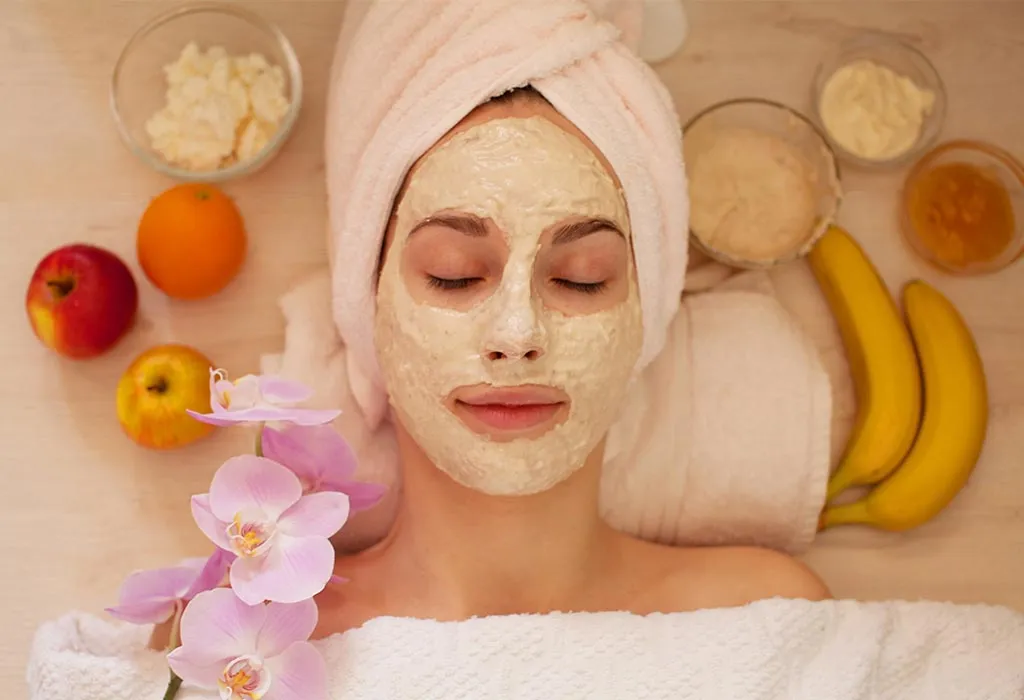
4. Banana Mask
Mash some ripe bananas and apply the paste to your face to make a face mask. It helps to even your skin tone and moisturises it.
5. Horseradish
Grind horseradish to make a paste. Apply this paste to the affected areas and let it remain for fifteen minutes. Rinse with warm water. Repeat this 2 times a day.
6. Lemon Juice
Citric acid and Vitamin C in lemon help lighten the skin. To apply on the skin, cut a lemon and rub it directly on the affected area. If your skin is sensitive, the lemon extract can be diluted with aloe vera, honey or even water. When it dries, wash it off with water. Repeat twice daily. Continue this treatment for two months.
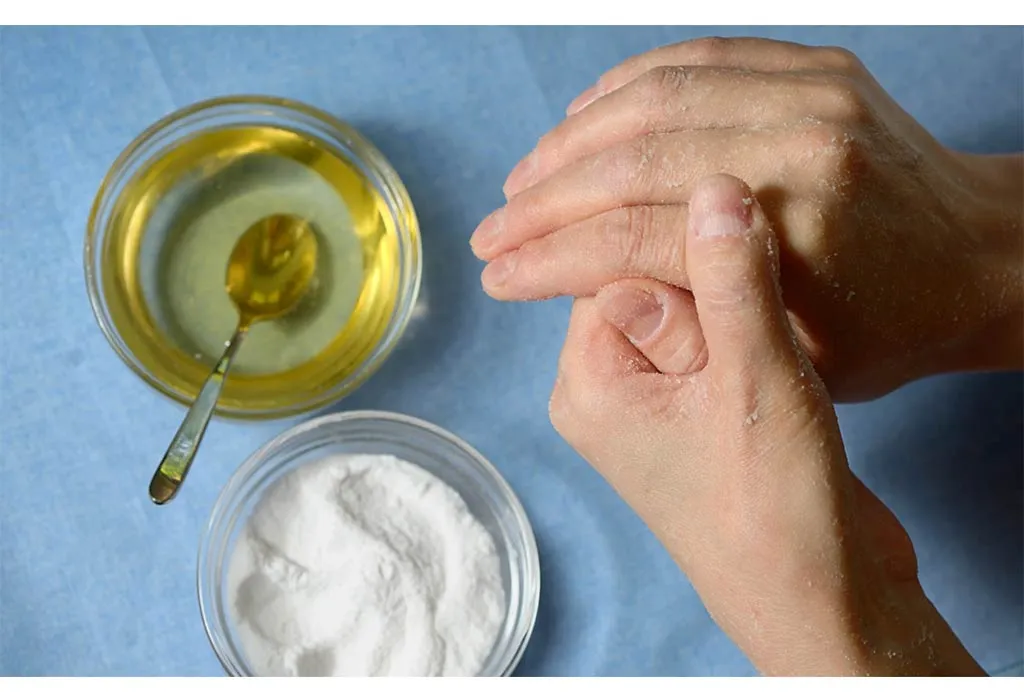
7. Baking Soda
Baking soda’s strong exfoliating properties help treat scars and give you an even skin tone. Mix baking soda with water to form a paste. Apply the paste to the darkened areas. Leave for ten minutes before rinsing. However, do not apply it frequently to your face. However, avoid using it too frequently as it could remove the natural oils leading to dryness and acne (8).
8. Sugar and Almond Oil
The stickiness of liquid sugar can help it exfoliate the skin. Mix ¼ cup of sugar with ½ cup of almond oil and a teaspoon of lemon juice. Apply the mixture on the skin and rinse off when dried.
9. Oatmeal and Yogurt Mask
Oatmeal can gently exfoliate the skin while helping to soothe dryness and irritation (9), while plain yogurt contains lactic acid that may help improve the appearance of uneven skin tone. Mix 1 tablespoon of finely ground oatmeal with 1-2 tablespoons of plain, unsweetened yogurt to form a smooth paste. Apply it gently to the affected area, leave it on for about 10-15 minutes, and rinse with lukewarm water.
10. Cucumber
Cucumber is a gentle, hydrating ingredient that can help soothe and refresh skin that feels dry or irritated. It may also temporarily improve the appearance of uneven, dull-looking skin. Blend a few slices of fresh cucumber into a smooth paste and apply it to the darker areas. Leave it on for 10-15 minutes before rinsing with cool water (10).
How to Prevent Skin Darkening When Pregnant?
As you now know, skin darkening is a consequence of hormonal activity during pregnancy and, as such, cannot be prevented completely. However, you could take steps to control its severity.
- Apply sunscreen with a minimum of SPF 15 anytime you have to go out in the sun.
- Cover up. Use a sun scarf, wear full sleeves, shades, and anything that prevents direct exposure to the sun.
- Use only mild cosmetics. Avoid cosmetics with fragrances and oil.
- A deficiency of folic acid could cause skin discolouration. Make sure you consume enough foods that contain folic acid. Spinach, citrus fruits, beans, bread, and cereal are rich in folic acid.
- Herbal solutions and home remedies are a good way to keep discolouration at bay. Consult your doctor before using pharmaceuticals.
FAQs
1. When to expect skin to go back to normal?
Skin darkening eventually fades away a few months after the birth as the interplay of hormones in your body changes. If you have been using any natural or homemade remedies for darkened skin during your pregnancy, continue them after birth.
If the dark skin stays for more than four months, you may consult your doctor on the advisability of using clinical treatments to treat it.
2. Can darkened spots on the skin during pregnancy be a sign of illness?
The prevalence of melasma in pregnant women does not outright disqualify any possibility of other illnesses. If there is pain, bleeding, redness, numbness or any out-of-the-normal symptom attached to the skin discolouration, consult a doctor immediately.
3. Can skin darkening affect the baby?
No. Typical pregnancy-related hyperpigmentation is a change in the mother’s skin and does not harm the developing baby. If pigmentation occurs alongside other unusual symptoms, however, speak with your doctor.
4. Can I use skin-lightening creams during pregnancy?
It is best to consult your doctor before using products specifically designed to lighten pigmentation. Some formulations contain active ingredients that may not be recommended during pregnancy, so checking the ingredients with a healthcare professional is important.
Melasma is not a disease, and it doesn’t affect you or your baby adversely in a measurable physical way. We like to see it as another part of the beautiful journey of motherhood!
Also Read:
Dry Skin during Pregnancy
How to Maintain Pregnancy Glow
How Skin Changes during Pregnancy
Was This Article Helpful?
Parenting is a huge responsibility, for you as a caregiver, but also for us as a parenting content platform. We understand that and take our responsibility of creating credible content seriously. FirstCry Parenting articles are written and published only after extensive research using factually sound references to deliver quality content that is accurate, validated by experts, and completely reliable. To understand how we go about creating content that is credible, read our editorial policy here.
1. PubMed Central – Cutaneous Changes During Pregnancy: A Comprehensive Review
2. PubMed Central – Extensive hyperpigmentation during pregnancy: a case report
4. Johns Hopkins Medicine – Pregnancy and Skin Changes
5. American Academy of Dermatology – MELASMA: CAUSES
6. Cleveland Clinic – Should You Use Coconut Oil on Your Skin?
9. PubMed Central – Oatmeal in dermatology: a brief review
10. AFRICAN JOURNAL OF BIOTECHNOLOGY – Exploring cucumber extract for skin rejuvenation
- Author


Related Articles
-

Panic Attack While Pregnant - Causes, Symptoms & Coping Tips
-
Smoking During Pregnancy: Effects On You And Your Baby
-

When Can My Partner and Others Feel Baby’s Kick or Move?
-

Can You Eat Bologna While Pregnant – Risks and Safety Tips
-

Urinary Incontinence During Pregnancy
-

First Month of Pregnancy - Symptoms, Precautions, and Care