
Panic Attack While Pregnant – Causes, Symptoms & Coping Tips
Learn what causes panic attacks during pregnancy, recognize the warning signs, and discover practical tips to stay calm and in control.





Medically Reviewed By
Dr. Rashmi Prakash
(Psychologist/Psychotherapist)


This content has been reviewed by a qualified expert and follows the FirstCry Parenting editorial policy to ensure accuracy and reliability.
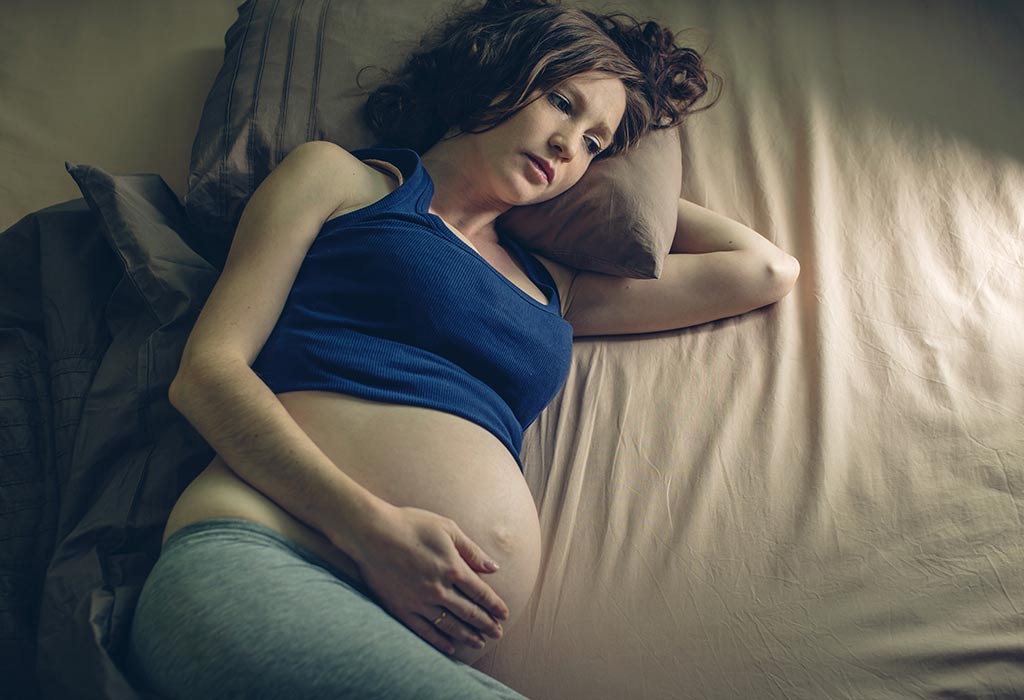
Pregnancy is a life-changing experience, and rapid changes, like morning sickness and back pain, during this time can bring stress and anxiety. When stress and anxiety overwhelm, it often activates the fight-or-flight response, causing panic attacks during pregnancy. While it’s easy to feel guilty for experiencing such a thing when pregnancy is all about a positive time, it is essential to remember that the combination of panic attacks and pregnancy is something that can affect anyone at any time. And it is not a sign of weakness. So, what to do when having a panic attack while pregnant? There are several coping methods that can help you reduce the severity of a panic attack when you have one during pregnancy.
Read through the following article, where we shall be discussing the causes and symptoms of a panic attack during pregnancy. We’ll also provide various tips to control panic attacks during pregnancy.
Are Panic Attacks Normal During Pregnancy?
While anxiety disorder is common among pregnant women, a panic attack during pregnancy is more critical and not normal. About 2-5% of pregnant women suffer from panic disorder. This condition is more prevalent among perinatal women compared to women of childbearing age in general. Moreover, the instances of developing perinatal panic disorder peak during the first three months after giving birth (1).
Who Is at Risk of Suffering Panic Attacks While Pregnant?
Wondering if you are at risk of having a panic attack? Well, as discussed above, panic attacks are common and normal during pregnancy. It may affect any woman, regardless of whether she has experienced it before. However, it is seen that women who are natural worriers and have a tendency to overthink are more prone to panic attacks developing from normal anxiety.

What Causes a Panic Attack in Pregnancy?
The following are some reasons that may cause this situation during pregnancy:
1. If You Have Experienced It Before
It is quite likely that if you have suffered a panic attack in the past, you may suffer it during your pregnancy, too. This may happen because the anxiety and other triggers of the attack may be present during pregnancy, too, and thus, may make you more prone to it (2).
2. Your Changing Hormones
Pregnancy makes your body undergo many changes, and it affects your hormonal balance too. The hormones are directly related to emotions, and thus, changing hormones during pregnancy may be one of the major contributors towards these attacks.
3. Your Age or Phase of Life
It is seen that if you get pregnant around a certain age or phase of your life where you may usually be more prone to panic attacks, then it is quite likely that you may have one.
4. Increased Anxiety During Pregnancy
Pregnancy is a time that may make any woman anxious and concerned about the well-being of her unborn child. While some women may take these anxiety issues in their stride, others may get too tense, which may lead to panic attacks.
Symptoms of Panic Attacks When Pregnant
Here we shall be discussing some pregnancy panic attack symptoms, which may help you understand whether you may be suffering from this condition (3):
- Increased or rapid heartbeat
- Feeling of all shaky, or you may tremble
- Nauseous, faint, and sweaty
- Hot flushes and chills
- Heartburns or chest pains
- Dizzy and may experience headaches
- Feeling that you are not able to breathe
- Sudden feeling of dying
- Dry mouth or a choking sensation
- Sudden feeling of dread
- Ringing in your ears
- Numbness in the body
Will Panic Attacks Affect Your Baby?
A panic attack may not be good for your baby during pregnancy. A 2015 study indicates that chronic anxiety, if left untreated, can lead to elevated stress hormone levels, which may impact pregnancy outcomes (4).
Severe anxiety during pregnancy could make you may feel nauseous or dizzy in such a condition, which in turn may hamper the blood supply to the placenta. The reduced blood supply may result in low oxygen to the placenta, which could increase the chances of premature delivery and, in some instances, low birth weight babies. However, it’s important to understand that these correlations are complex and shaped by various factors, such as overall health, support networks, and genetics. The focus should be on timely care and management of anxiety and panic symptoms, so the potential risks can be minimised or even eliminated.
Another study observed that pregnant women experiencing panic disorder had a 1.56 times higher chance of giving birth to infants small for their gestational age compared to those without panic disorder (5).
Also, a mother who experiences a panic attack during pregnancy may be more prone to baby blues after the birth of the baby.
Tips to Deal with Panic Attacks While Pregnant
Wondering how to control panic attacks during pregnancy? Here are some tips that may help you deal with a panic attack during pregnancy:
1. Know More About Panic Attacks
It is important that you understand this condition better so that you may be better prepared to deal with it. If you have had panic attacks before pregnancy, then it will be a good idea to understand what may be the possible triggers for it. Once you know your triggers, you may be better prepared to deal with the situation during pregnancy. Also, if you have not experienced it before, then pregnancy in itself is a good enough reason for you to know about it. For example, hyperventilation is known as one of the main reasons behind panic attacks. If you know more about this condition and recognise the triggers in advance, it may help you to stay calm and positive when an attack may occur.
2. Go for Regular Check-Ups
Panic usually occurs when you may not be sure of what is going on with your health or your baby’s health. However, if you pay regular visits to your doctor and know how your pregnancy may be progressing, you may not hit the panic button that easily. Also, seeing your doctor on a regular basis may help you solve or deal with your various pregnancy concerns or queries.
3. Spend Time on Self-Care
As soon as you become pregnant, your focus may shift from your well-being to your baby’s well-being, which may be very natural. However, you need to be taking care of yourself, too. It is important that you spend time taking care of yourself, which not only means physical health, but emotional health, too. Taking care of your needs may help in keeping stress and anxiety at bay, which in turn may help in battling a panic attack. Some self-care activities may include meditation, yoga, getting enough rest, stress management skills, etc. You may consult your doctor before you plan on doing any physical activity.
4. Have a Good Support System
There is no denying that family and friends are your true saviours in times of need, and dealing with a panic attack during pregnancy is no exception. Just knowing the fact that you have your partner, parents, siblings, or friends by your side may give you much-needed peace of mind. Also, if you feel that you may require them by your side, you should not shy away from giving them a call. Emotional support is imperative in dealing with any kind of panic-stricken situations during pregnancy.
5. Do Deep Breathing
During panic attacks, it’s easy to feel scared and out of control, but there are some things that can bring you relief and help in that situation – deep breathing.
While all of us know about deep breathing, a majority of us don’t do it right. Deep breathing, if done right, can calm our nervous system in minutes. All you have to do is:
- Place one hand over your heart and the other over your tummy.
- Slowly breathe in and hold your breath for 5 seconds by counting to 5, and exhale to 10.
- Repeat the same ten times.
6. Get Outdoors
There’s nothing that fresh air can’t heal. Whenever you experience heightened anxiety, get outdoors, change your surroundings, and notice the anxiousness decrease. Your mind has now diverted from focusing on your thoughts to focusing on the environment – which is bright and cheery.
FAQs
1. Can pregnancy trigger panic attacks?
Yes. Hormonal fluctuations, emotional stress, sleep disturbances, and concerns about childbirth or parenting can contribute to panic attacks during pregnancy.
2. What does a panic attack feel like during pregnancy?
Symptoms may include a racing heart, chest tightness, shortness of breath, dizziness, sweating, trembling, and intense fear.
3. Can panic attacks harm my baby?
Occasional panic attacks are unlikely to directly harm your baby. However, ongoing severe anxiety should be discussed with your healthcare provider for proper support.
4. How can I cope with panic attacks while pregnant?
Deep breathing, mindfulness exercises, regular sleep, physical activity approved by your doctor, and professional mental health support can help manage symptoms.
5. When should I seek medical help for panic attacks?
Seek medical advice if panic attacks become frequent, interfere with daily life, cause severe distress, or lead to thoughts of self-harm.
Panic attacks are a very normal phenomenon during pregnancy, and with proper medical guidance and care, you may be able to handle this situation better and have a healthy and hassle-free pregnancy.
Also Read:
Anxiety in Pregnancy
Stress while Pregnant
Asthma during Pregnancy
Heart Palpitations in Pregnancy
Was This Article Helpful?
Parenting is a huge responsibility, for you as a caregiver, but also for us as a parenting content platform. We understand that and take our responsibility of creating credible content seriously. FirstCry Parenting articles are written and published only after extensive research using factually sound references to deliver quality content that is accurate, validated by experts, and completely reliable. To understand how we go about creating content that is credible, read our editorial policy here.
- Author
- Expert Reviewer