Potassium in Pregnancy: Importance, Normal Levels and Foods Sources
Is potassium important in pregnancy? This gynecologist reviewed guide covers daily intake, low and high levels, and foods sources.





Medically Reviewed By
Dr. Sabiha Anjum
(Gynecologist/Obstetrician)

This health content has been medically reviewed by qualified experts and follows the FirstCry Parenting editorial policy to ensure accuracy and reliability.
Potassium for pregnant women is essential for maintaining healthy muscle and nerve function, balancing fluids, regulating blood pressure, and supporting your baby’s growth and development. Pregnancy increases the body’s nutritional demands, making an adequate potassium intake especially important. The NIH Office of Dietary Supplements recommends an Adequate Intake (AI) of 2,900 mg of potassium per day for pregnant women aged 19-50 years (1). Low potassium levels in pregnancy can lead to symptoms such as muscle cramps, weakness, fatigue, and irregular heartbeat if left untreated. This article explains why potassium is important during pregnancy, the recommended daily intake, the best food sources, signs of deficiency, and whether potassium supplements are ever necessary.
What Is Potassium?
An essential mineral that the body requires, potassium is responsible for numerous essential body functions. It helps maintain a balance of electrolytes and fluids inside the body while also sending signals and impulses from nerves to muscles to help them contract.
Role of Potassium When Pregnant
When you are pregnant, your body expands and will need extra minerals to counteract the side effects of pregnancy. Here’s why:
- Fluid retention is a common problem in pregnancy. Consuming potassium helps alleviate this issue.
- It is common for women to have an electrolyte imbalance during pregnancy. This can cause your immune system to become weaker. Potassium combats this.
- Leg cramping and restless legs are common during pregnancy and could be caused due to a mineral imbalance. Potassium, along with calcium and magnesium, is important to avoid this (2).
What Should Be the Ideal Daily Intake of Potassium?
It is essential to note that potassium shouldn’t be consumed in large doses. A potassium overdose in your body can be just as dangerous as having low potassium levels. When consuming supplements or foods rich in potassium, consult a doctor to understand your natural potassium levels and the quantity of supplements you should consume. A general guideline for daily potassium intake for women is 2,320 mg if you’re not breastfeeding and 2,500-2,900 mg, depending on age if you are (3).
What Is the Normal Range of Potassium During Pregnancy?
The normal range of potassium for pregnancy depends on how far along you are. For instance, during the first trimester, the normal range is between 3.6 mmol/L and 5 mmol/L; during the second trimester, between 3.3 mmol/L and 5 mmol/L; and during the third trimester, between 3.3 mmol/L and 5.1 mmol/L. Doctors consider a range of 4.4 mmol/L a safe range to maintain during the entire span of the pregnancy (4).
High Potassium (Hyperkalaemia) in Pregnancy
High potassium levels are hazardous during pregnancy; it can cause a strain of a condition known as hyperkalaemia and, in some cases, can lead to kidney failure or cardiac arrest. It can also cause severe and near-fatal dehydration and aggravate a type of type 1 diabetes of the mellitus strain (1).
What Are Its Causes?
There can be numerous reasons why you get hyperkalaemia. Some of these are (5):
- Overdose of certain drugs
- Overdose of supplements
- Overeating potassium-rich foods
Signs and Symptoms
It is important to identify hyperkalaemia as soon as possible and seek medical attention. Here are some signs and symptoms of this condition to help you identify it.
- Irregular heartbeats
- Extreme fatigue
- Chest pains
- Irregular pulmonary functions that lead to trouble breathing
- Numbness
- A tingling feeling
For more signs and symptoms of this condition, please consult your doctor.
Effects of High Potassium During Pregnancy
The effects of high potassium during pregnancy can be dangerous. It can lead to miscarriages, premature delivery or, in some cases, a fatal outcome for both the mother and child.
How to Treat It?
Early diagnosis is essential to treating this condition. If diagnosed early, you will be
- Give calcium supplements to prevent damage to heart muscles.
- Administered insulin, certain diuretics or sodium polystyrene sulfonate to lower potassium levels.
- Severe cases may call for dialysis if there is kidney failure.
It is usually considered a medical emergency and should be treated in a hospital environment with 24-hour care surrounding the mother.
Low Potassium (Hypokalemia) in Pregnancy
Another strain of hypokalaemia occurs when potassium levels are far too low. This can be equally dangerous for the body and should be treated carefully. A potassium deficiency can also lead to muscle cramps, trouble with delivery, and other unwanted outcomes for your pregnancy.
What Are Its Causes?
Here are a few causes for low potassium during pregnancy (6):
- An imbalanced diet
- Constant vomiting leads to mineral imbalances in the body.
- Diarrhoea leads to a mineral imbalance in the body.
- Fluid retention
Signs of Potassium Deficiency
Identifying and treating potassium deficiency during pregnancy is essential. Here are some symptoms of low potassium for pregnant women.
- Muscle cramps
- Weakness or tiredness
- Heavy constipation
- Dizziness or light-headedness
- Depression
- Irregular heartbeat or rhythm
- A tingling feeling
- Numbness
- Dehydrated skin
- Low blood pressure
Effects of Low Potassium During Pregnancy
The side effects of low potassium during pregnancy are commonly considered dangerous. In extremely rare cases where the potassium is deficient, it could theoretically lead to cardiac diseases, but this is highly unlikely. It is more common to face a condition known as Edema, which is irregular swelling and inflammation throughout your body during pregnancy, or you can get a form of UTI due to water retention. This is also a cause of premature delivery. If you think you have these symptoms, see a doctor immediately.
How to Treat It?
Treating low potassium during pregnancy can be extremely easy. Here are a few ways to ensure you bring your potassium levels up:
- Eat a well-balanced diet with potassium-rich food like potatoes and avocados (7).
- Take the recommended dose of potassium supplements.
- In extreme cases, your doctor may restore potassium levels through intravenous administration of electrolytes.
Can You Take Potassium Supplements?
At this point, ‘the question, can you take potassium pills while pregnant?’ must have crossed your mind. The answer is yes, you can take supplements, but stick to the recommended doses that your doctor prescribes and have him run them by you before you start. It is considered safer to eat potassium-rich food, however, as the chances of an overdose are less likely.
Potassium Rich Food for Pregnancy
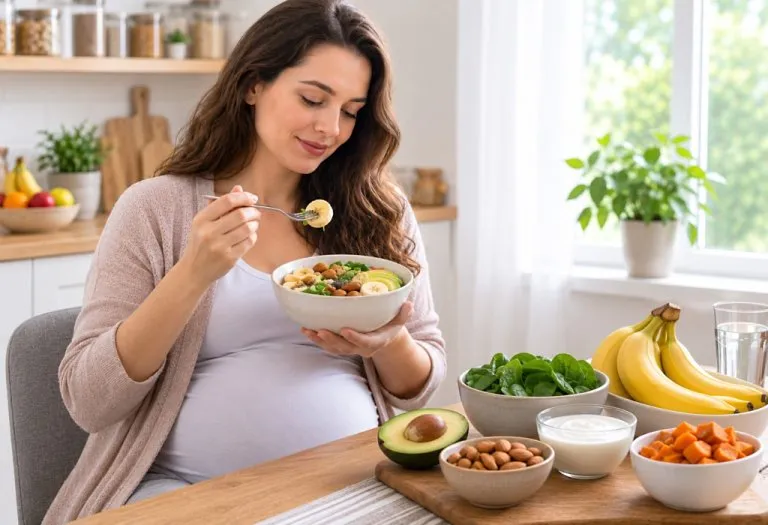
Here are a few foods naturally rich in potassium that are safe for pregnant women.
1. Avocado
A renowned superfood, avocados are magnificent for pregnant women because they are a balanced source of vitamins and minerals essential for your body, including potassium. Eating one avocado a day is considered extremely healthy (8).
2. Potato
One of the most delicious ingredients available worldwide, spuds are considered a superfood rich in minerals like potassium and magnesium. They are also a rich source of iron, vitamin B6, and vitamin C.
3. Sweet Potato
A more protein-filled spud than the regular potato, sweet potatoes are also a great source of fibre, iron, vitamins, and minerals, including potassium. They are considered one of the most healthy root vegetables around.

4. Beans
Whether it’s kidney beans, pinto beans, or lima beans, these legumes are a simple and healthy addition to your diet. Just a cup of beans, providing 500 mg of potassium, can help maintain your potassium levels. You can easily incorporate them into your meals or enjoy them as a snack.
5. Banana
A fruit often considered a staple in most parts of the world, bananas help combat constipation by being a natural laxative. They are also rich in fibre and potassium. One banana daily is all you need to balance your potassium levels (9).
Cautionary Tips
Here are a few tips to remember when adding potassium to your diet.
- Never take supplements without talking to a doctor. An imbalance in potassium levels can be extremely dangerous (10).
- Don’t exceed the recommended dosages of supplements.
- Don’t focus only on potassium when planning a diet. This can cause an imbalance in other areas of your nutrition chart.
FAQs
1. How does potassium affect the baby’s development in the womb?
Potassium is vital for the baby’s development in the womb. It supports the growth of cells, tissues, and organs. It aids in properly functioning muscles and nerves, ensuring that the developing fetus receives the necessary nutrients for healthy growth and development.
2. Are there any specific medical conditions during pregnancy that require careful monitoring of potassium levels?
Conditions such as gestational diabetes, chronic kidney disease, and hypertension may require careful monitoring of potassium levels. Women with these conditions must work closely with their doctors to appropriately manage their potassium intake.
3. Are there any potassium-rich snacks that are convenient for pregnant women?
Yes, there are several convenient potassium-rich snacks for pregnant women. Some examples include a banana, a handful of dried apricots, a small bowl of yoghurt with sliced fruit, a smoothie with spinach and fruit, or a serving of nuts. These snacks are easy to prepare and help boost potassium intake (11).
4. Who is at risk of potassium deficiency during pregnancy?
Women with severe morning sickness (hyperemesis gravidarum), prolonged vomiting or diarrhoea, eating disorders, or those taking certain medications like diuretics may be at a higher risk of potassium deficiency during pregnancy.
Potassium and pregnancy go hand in hand, as this essential mineral plays a crucial role in maintaining fluid balance, regulating blood pressure, supporting muscle and nerve function, and ensuring healthy fetal development throughout the pregnancy. When you’re making significant changes to your diet, such as increasing your potassium intake, it’s important to seek professional advice. Remember, a balanced diet is about more than just one mineral. For specific advice, especially during pregnancy, your nutritionist is the best source of information.
Also Read:
Zinc in Pregnancy
Carbohydrates when Pregnant
Calcium-rich Diet in Pregnancy
Vitamin K Intake while Pregnant
Taking Vitamin E during Pregnancy
Was This Article Helpful?
Parenting is a huge responsibility, for you as a caregiver, but also for us as a parenting content platform. We understand that and take our responsibility of creating credible content seriously. FirstCry Parenting articles are written and published only after extensive research using factually sound references to deliver quality content that is accurate, validated by experts, and completely reliable. To understand how we go about creating content that is credible, read our editorial policy here.
1. National Institutes of Health – Potassium
3. Harvard T. H. Chan School of Public Health – Potassium
5. National Kidney Foundation – Hyperkalemia (high potassium)
6. National Library of Medicine – Hypokalemia
7. American Heart Association – How Potassium Can Help Control High Blood Pressure’
8. National Kidney Foundation – Avocados
9. University of Michigan Health System – Potassium Content of Foods
- Author
- Expert Reviewer


Related Articles
-

Sexually Transmitted Diseases (STD) during Pregnancy
-
Using Heating Pad During Pregnancy - Is It Safe?
-
Amazing Ideas For a Perfect Drive-By Baby Shower
-
Reading Stories to a Baby in the Womb - Reasons & Benefits
-
Bleeding Gums During Pregnancy: Causes, Treatment & Prevention
-
Is it Safe to Practise Yoga Inversions During Pregnancy?