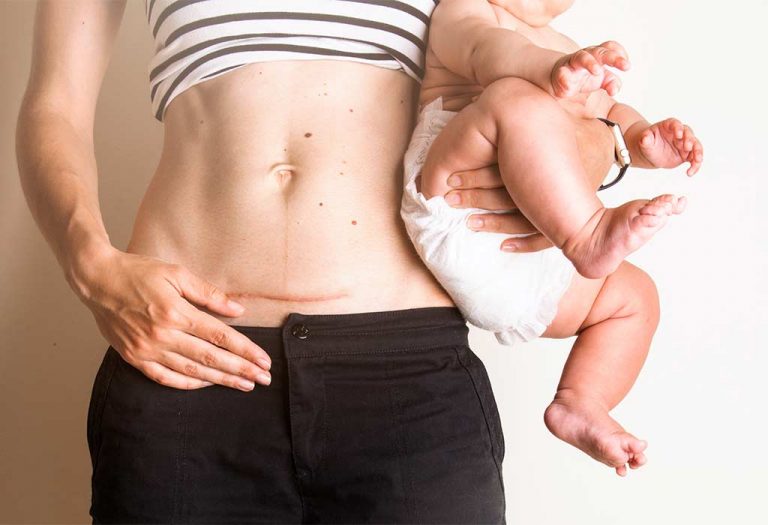

Period After Abortion: When It Starts and What to Expect
What to expect, when your period may return, and what’s normal after an abortion.





Medically Reviewed By
Dr. Sanjana Sainani
(Gynecologist/Obstetrician)

Image Source : AI Generated Image
Some women may feel a little anxious thinking about their next period after an abortion. The recovery process may be different for every woman as it depends on factors like how their bodies cope with the abortion, how well they look after their health after the abortion, and how far their pregnancy had progressed before the abortion.
But it is important to understand the difference between post-abortion bleeding and the start of regular periods after the procedure. In the case of surgical abortion, bleeding after the procedure is normal, but it should not be mistaken for menstruation.
Moreover, abortions that occur in the second trimester of pregnancy may pose health issues both physically and mentally. On the whole, most women usually experience irregular or delayed periods after an abortion.
What Is Post-Abortion Bleeding and Is It Different From Periods?
Post-abortion bleeding is the bleeding that occurs immediately after a medical or surgical abortion and is not the same as a menstrual period. This bleeding happens as the uterus sheds remaining tissue and returns to its normal size. It may be heavier than usual for a period at first and gradually lighten over days or weeks.
Unlike a regular period, a post-abortion bleeding may include clots, and it can also vary in colour from bright red to dark brown, and come with cramping. As far as side effects are concerned, they could range from fatigue, mild pelvic pain, or spotting between days, which are also common and usually temporary.
Medical Abortion vs Surgical Abortion
What is the difference between surgical and medical abortion? We have the answers for you (1) (2).
| Surgical Abortion | Medical Abortion |
| A procedure where the doctor uses gentle suction to empty the uterus. | A procedure involving a combination of medications that helps in aborting the pregnancy. |
| Can be done up to 14 weeks since the start of your last period or 15 weeks of pregnancy. | Can be done up to 9 weeks since the start of your last period or 10 weeks of pregnancy. |
| Usually requires one visit for the procedure. | Usually requires more than one visit for the procedure. |
| 98% effective | 95-97% effective |
| You may experience mild cramps. | You may experience strong cramping and nausea. |
| Bleeding after a surgical abortion is usually lighter but more predictable. | Bleeding after a medical abortion often lasts longer and may be heavier initially. |
| Surgical abortion may cause shorter-lasting cramps | Medical abortion often causes stronger cramps as the uterus contracts. |
Medical abortion is always recommended and is preferred over surgical abortion, except for some cases, such as a missed abortion. You should consult your doctor, as she should be able to give you the right advice.
Things to Remember About Bleeding After a Surgical/Medical Abortion
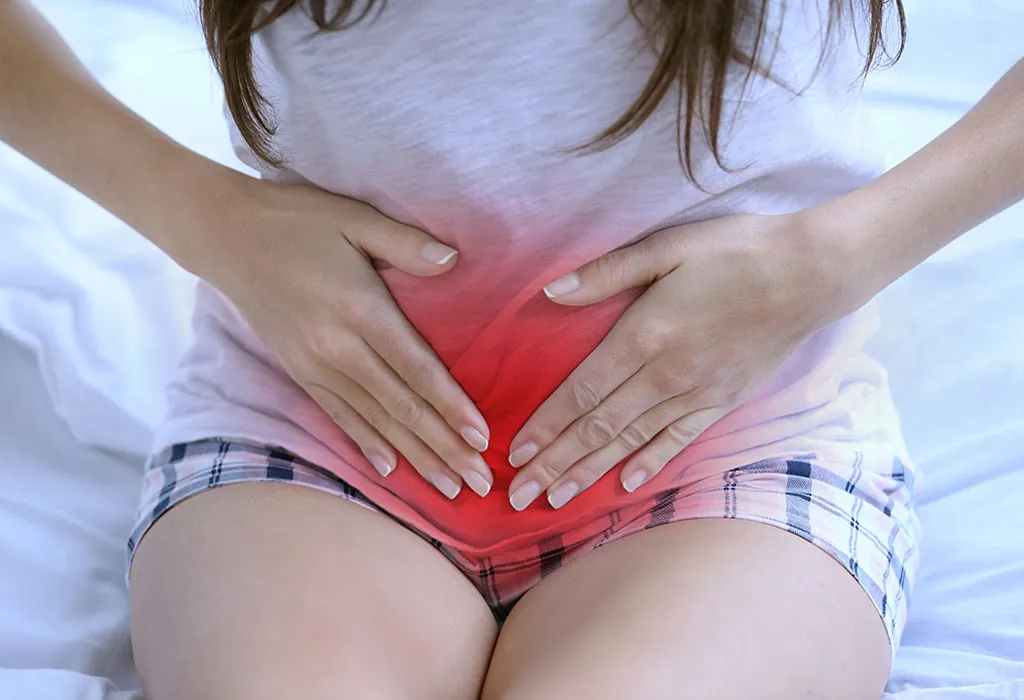
Here are some important things to remember about bleeding after getting an abortion:
- After a surgical abortion procedure, it is normal to experience irregular bleeding for 4-6 weeks.
- After getting an abortion via a medical procedure, heavier bleeding is expected for 3-4 days, followed by average bleeding for 4-6 weeks and up to 8 weeks (4).
- You may pass some tissues while bleeding, and this usually lasts for 3-4 days.
- It may take some time for your regular period to start. Your body may be taking more time to heal from the abortion process or to expel the pregnancy hormones from your body. You may also have a delayed period if you are suffering from stress and depression.
- Bleeding after a medical abortion may come in waves and last up to two weeks.
- Bleeding after a surgical abortion is usually lighter but may continue as spotting.
When Do Periods Start After an Abortion?

After the abortion, some bleeding for 2 to 6 weeks is considered normal. Post-abortion bleeding is normally heavier in the beginning but becomes lighter eventually. After the recovery, bleeding has reduced, and the body starts preparing for the first period after the abortion, which can take several weeks.
Women who have an abortion during the first trimester of their pregnancy are likely to get their first period after the abortion within 4 to 8 weeks. However, in case the recovery bleeding has extended beyond 8 weeks and your period has not started, contact your doctor.
It is also important to keep in mind that even after the abortion, the pregnancy hormone levels in the body may be high, which can cause changes in the menstrual cycle. Also, having an abortion does not affect fertility. So, in case of unprotected sex after an abortion, the chances of getting pregnant again are high (3).
First Menstrual Cycle After Abortion
The first period after abortion can feel different from your usual cycle as your body adjusts hormonally.
Timing and Duration
The first period after abortion and how long it lasts may vary. It can be slightly longer or shorter than usual and may arrive earlier or later than expected. This variation is normal during early recovery.
Characteristics
Menstruation after abortion may be heavier or lighter than normal, with thicker blood or small clots. Some people notice stronger cramps, while others experience milder discomfort.
Other Signs
You may also notice breast tenderness, mood changes, fatigue, or mild lower-back pain during the first cycle, all of which are linked to hormonal shifts.
Second Menstrual and Other Subsequent Cycle After Abortion
By the second or third cycle, most people notice their periods becoming more regular. Flow, timing, and symptoms usually stabilise as hormones settle. If irregularity continues beyond a few cycles, it’s advisable to consult a healthcare provider.
Which Period Products Can Be Used?
During the first period after abortion, pads are often recommended initially to monitor bleeding. Once bleeding reduces and healing is complete, tampons or menstrual cups can be used if approved by your doctor. Comfort, hygiene, and infection prevention should guide product choice.
Changes in the Menstrual Cycle After an Abortion
There may be certain changes in your menstrual cycle after an abortion, and they are:
1. Change in the Flow
If you have had an abortion through a surgical process, your first period may have a lighter flow. It also may last only for a few days, unlike your normal period. But in case you experience heavy bleeding that continues unusually for days together, contact your doctor. If your abortion was done through medical means, you may experience a heavy period.
2. Irregular Periods
After an abortion, you will most likely experience irregularities while menstruating. For example, you may notice light bleeding 2 weeks after your period. The abnormalities can occur due to the presence of pregnancy hormones in the body.
What If You Have an Abnormal Period?
The sudden termination of the pregnancy can confuse your body, and it may take some time to get rid of the pregnancy hormones and come back to its regular cycle. The presence of pregnancy hormones in the body can bring about certain changes or delays in the menstrual cycle or cause irregular periods after abortion.
During the first period after your abortion, heavy or light bleeding may occur, depending on the type of abortion you have had, accompanied by blood clots and cramping. It is the body’s way of ejecting all the remaining tissues and products of pregnancy. You may experience this for the next few menstrual cycles.
Medication for Menstrual Cramping
Your doctor may suggest over-the-counter pain relievers for mild menstrual cramping. Putting a hot bottle wrapped in a towel or a heating pad on your lower back or stomach may bring relief from the pain. You can also try propping up your feet or consider taking birth control pills, but do so only after consulting the doctor. The American College of Obstetricians and Gynecologists also considers using birth control right after the abortion (5).
Tips for Self-care Post Abortion
Abortion can take a toll on a woman, both physically and mentally. Therefore, it is vital to take care of one’s health after an abortion for complete recovery. Some helpful tips are listed below (6):
- Take adequate rest and maintain a healthy diet.
- Turn to your family and friends for emotional support o to deal with the situation.
- Avoid unprotected intercourse with your partner.
- Ensure regular check-ups and follow-up care with your doctor.
- Avoid lifting heavy objects.
- Do not indulge in heavy exercise for a while.
- In case of surgical abortion, take prescribed antibiotics without fail.
- One week after the surgical abortion, avoid having sex and putting anything inside the vagina, like douche or tampon. Start your hormonal birth control after consulting your doctor, even though you have not started having sex yet.
When to Call Your Doctor
It is advisable to contact your doctor if you happen to experience excessive bleeding, soaking up to two pads or more in an hour, two hours in a row or large blood clots along with painful cramping (7). In case you pass tissues with painful cramping, experience foul-smelling vaginal discharge, release blood clots larger than the size of a lemon, or have high fever, you might require medical intervention (6). Some women may experience late periods after having an abortion. However, if there is no sign of periods post-abortion, it may be a cause for concern. Also, recovery bleeding post your abortion that goes up to 8 weeks or more will need medical attention. It can also happen that some women may get their first period but skip their second period after the abortion. In that case, they may want to get a pregnancy test done or consult a doctor.
FAQs
1. When can you start taking birth control after an abortion, and will it affect your periods?
Birth control can often be started immediately or within a few days after abortion, depending on the method. Hormonal contraception may temporarily affect cycle timing but helps regulate periods over time and prevents unplanned pregnancy.
2. When is pregnancy possible after abortion?
Pregnancy is possible as soon as ovulation resumes, which can happen before your next period or while getting period after abortion. This is why contraception is important if you wish to avoid pregnancy.
3. Should you be worried if you do not get periods after an abortion?
A no period after abortion situation can happen due to hormonal changes or stress. However, if you’re unsure after an abortion, when your next period is or if you haven’t started getting your period after an abortion within eight weeks, medical advice is recommended. Persistent absence of a post abortion period should always be checked.
It is normal to experience some deviations while menstruating after an abortion. Nevertheless, in case of any doubt, it is always advisable to consult a doctor for necessary guidance and timely treatment. Not worrying unnecessarily and remaining stress-free, along with taking good rest and eating healthy, will go a long way in helping your body to recover from the trauma of abortion.
Also Read:
Physical and Emotional Side Effects after Abortion
Taking Care of Yourself Post Abortion
How To Terminate Pregnancy After 1 Month
How Soon After Miscarriage Do You Ovulate?
Was This Article Helpful?
Parenting is a huge responsibility, for you as a caregiver, but also for us as a parenting content platform. We understand that and take our responsibility of creating credible content seriously. FirstCry Parenting articles are written and published only after extensive research using factually sound references to deliver quality content that is accurate, validated by experts, and completely reliable. To understand how we go about creating content that is credible, read our editorial policy here.
2. UCSF Health – Aspiration Versus Medication Abortion
3. Planned Parenthood – What can I expect after having an in-clinic abortion?
4. MSI Reproductive Choices – How long do you bleed after an abortion?
6. UWMC Patient Care Services – What to Expect After a First Trimester Surgical Abortion (or D & C)
- Author
- Expert Reviewer
 About the Author
Aliya Khan
Related Articles
-

Eclampsia During Pregnancy - Symptoms, Causes, and Treatment
-
Overdue Pregnancy: Causes, Symptoms, Risk, & What to Do
-
Placenta Previa – Symptoms, Causes, Risks & Treatment
-
Vasa Previa - Causes, Signs, and Treatment
-
Missed Miscarriage - Causes, Symptoms and Effects
-
10 Things You Should Know About C-Sections