
Intake Of Paracetamol during Pregnancy: Complications & FAQs
Paracetamol during pregnancy: Learn when it's safe, potential risks, complications, and expert-backed answers to common FAQs.





Medically Reviewed By
Dr. Sabiha Anjum
(Gynecologist/Obstetrician)


This health content has been medically reviewed by qualified experts and follows the FirstCry Parenting editorial policy to ensure accuracy and reliability.
Key Takeaways
- Paracetamol is commonly used to relieve pain and fever during pregnancy.
- The dosage should be kept as low as possible and used for the shortest necessary time.
- Research has explored possible links between paracetamol use during pregnancy and a child’s development.
- Home remedies, such as adequate rest, hydration, and cool compresses, may help relieve mild discomfort.
Paracetamol in pregnancy is generally considered safe when taken as recommended, at the lowest effective dose for the shortest necessary time. However, it’s natural to wonder whether it could affect your baby, especially when you’re dealing with a headache, fever, or body aches.
Although paracetamol can help manage these discomforts, it’s important to understand when its use may be appropriate during pregnancy and what precautions to take. This article covers what you need to know about paracetamol and pregnancy, including the safety of paracetamol for pregnant woman, potential risks, and when to consult your doctor.
Can You Take Paracetamol During Pregnancy?
Also known as acetaminophen or APAP, paracetamol is a common medication used in the treatment of pain and fever. It is usually sold over the counter and does not require a prescription in most countries, including India (1).
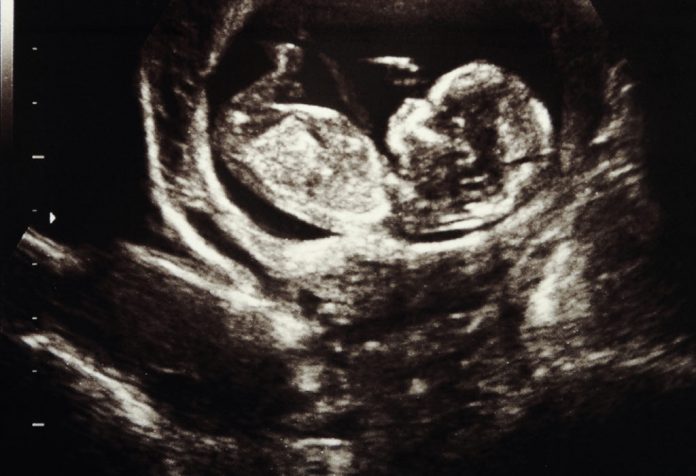
Paracetamol is the most popular choice of drugs for pregnant women to get relief from pain and fever. Not only is it the world’s most popular painkiller, but it is also among the only painkillers which are known to have no direct side effect on the baby (2). While currently there is no scientific evidence to prove any side effects of paracetamol in pregnancy, recent studies on the co-relation of paracetamol and pregnancy have highlighted the increased risk of behavioural problems in children where the mother has consumed the painkiller during pregnancy (3).
How Much Paracetamol Is Safe When Pregnant?
The underlying principle of consuming medicines during pregnancy is that they should be avoided as much as possible. In case the mother needs to take paracetamol to reduce pain or bring down body temperature, the lowest possible dose should be taken and the medication should be restricted to the shortest time period possible. The general paracetamol dosage for pregnant women varies from around 500 mg to 1000 mg every four to six hours based on the severity of pain and fever (4). However, the dosage should be kept to a minimum as possible and the dosage should be decided by the doctor.
Possible Complications of Taking Paracetamol
Recent research on this topic has shown the possibility of certain complications arising as a result of intake of paracetamol during pregnancy:
1. Birth Defect
Consuming paracetamol in first trimester of pregnancy can cause birth defects in the child. The child develops vital organs during the first trimester and paracetamol, which lowers testosterone levels, can affect the foetus.
2. Behavioural Problems and Slow Learning
Any medication consumed during pregnancy can harm the developing brain of the foetus. This may lead to problems related to learning, motor skills, reduced attention span, communication and general behaviour of the child in the future. Studies have also shown the possibility of Attention Deficit Hyperactivity Disorder (ADHD) and Autism Spectrum Disorder (ASD) arising as a result of the foetus getting exposed to paracetamol (5).
3. Respiratory Problems
The child may also develop asthma and have wheezing episodes due to exposure to medication in the womb.
While these are some of the possible complications which may be linked to the intake of paracetamol during pregnancy, there is no concrete evidence yet to prove whether the drug has any evident side effects or not (6). It is, however, important to consult your doctor before taking paracetamol or any other medicine during pregnancy.

Try These Home Remedies Instead of Paracetamol
Even though there is no concrete evidence of paracetamol causing harm to the baby, it is always a good idea to try some natural home remedies to provide relief from pain and fever and avoid medication (7).
Home Remedies for Fever Are as Follows
- Take a bath with lukewarm water in order to lower your body temperature (do this only if you do not have a cold and cough accompanying the fever).
- Wet a washcloth with cold water and place it on your forehead. Repeat this exercise to bring down the temperature.
- Consume hot soups frequently and increase your water intake. You can also add juices to your diet.
- Avoid unnecessary stress to the body and ensure sufficient rest. Pregnancy can be tiring at times. It is important to give adequate rest to the body and regain strength.
- Taking prenatal vitamins will help to improve your immunity system and keep you healthy.
- Avoid excessive clothing. Wear clothes made of light fabric to ensure good circulation.
Home Remedies to Deal With Pain During Pregnancy
- Body massage is one of the best ways to get relief from body pains, especially back pain and hip discomfort.
- Practice prenatal yoga to strengthen your muscles and increase your stamina (should be done under professional supervision).
- Acupuncture can also help in alleviating pain.
- Massage your forehead slowly or apply a warm compress to alleviate a headache caused by sinus.
- Application of natural oils and massage gels will help to reduce body pains, joint pains, and sore joints.
- Practice meditation to reduce stress-related irritations and pains.
- Apply cold compression to your lower neck region to get relief from stress pains and headaches.

Medication should be the last resort to help you with fever and body pains during pregnancy. Paracetamol should be taken only if the fever or the pain is unbearable or the aforementioned home remedies have failed to help.
When to Consult a Doctor?
Consult your doctor during pregnancy if you experience any of the following:
- If you have a high or persistent fever.
- If you experience a severe or persistent headache.
- If you have vision changes or severe abdominal pain.
- If your symptoms worsen or do not improve after taking paracetamol.
- If you have liver problems or take other medications.
- If you notice reduced baby movements later in pregnancy.
Alternatives to Minimise Use of Medicine in Pregnancy
If you’re looking to manage mild discomfort during pregnancy without relying on medication, a few simple lifestyle changes and home remedies may help. Here are some options to consider:
- Stay hydrated: Drink plenty of water throughout the day to help prevent dehydration-related headaches and discomfort.
- Get adequate rest: Take breaks, get enough sleep, and avoid overexertion to help your body recover.
- Try gentle relaxation: Gentle prenatal stretching, deep breathing, or a warm (not hot) bath may help ease muscle tension and body aches.
- Use a cool compress: Place a cool cloth on your forehead to help relieve a mild headache. Seek medical advice if the headache is severe or persistent.
FAQs
1. Can taking paracetamol require extra monitoring of my baby?
Since there is no known side effect of paracetamol on the developing foetus, there is no need for extra monitoring of the baby even if the medication is taken.
As part of the usual antenatal care, most pregnant women undergo routine tests and scans throughout the duration of pregnancy to look for birth defects and to monitor the baby’s growth. Any disorder or issue can be identified via these tests and scans.
2. Can there be any risk to the baby if the father has taken paracetamol?
There is no increased risk to the baby if the father has taken paracetamol any time before or around the time of conceiving the baby. There is no direct correlation between the two events.
3. Is paracetamol safe during the second and third trimesters of pregnancy?
Paracetamol in pregnancy second and third trimester is generally considered acceptable when the medication is needed and taken according to medical advice. Use the lowest effective dose for the shortest necessary time, and consult your doctor if pain or fever persists.
4. Can I take paracetamol and prenatal vitamins together?
Paracetamol can generally be taken alongside standard prenatal vitamins, as there is no common direct interaction between them. However, check the ingredients of all supplements and medicines you use, and ask your healthcare provider or pharmacist if you are unsure.
Pregnancy is a period which mandates taking extreme care of the mother-to-be. Her well being is directly related to the well being of the baby. Anything that the mother consumes will reach the foetus and have a direct effect on its growth and development. Therefore, medication should be taken only after discussing with your doctor and understanding the possible side-effects of the same on the baby. Every pregnancy is unique and what works for one woman might not work in the same way for the other.
Also Read:
Prednisone in Pregnancy
Doxinate during Pregnancy
Safety of Labetalol while Pregnant
Medicines to avoid during Pregnancy
Was This Article Helpful?
Parenting is a huge responsibility, for you as a caregiver, but also for us as a parenting content platform. We understand that and take our responsibility of creating credible content seriously. FirstCry Parenting articles are written and published only after extensive research using factually sound references to deliver quality content that is accurate, validated by experts, and completely reliable. To understand how we go about creating content that is credible, read our editorial policy here.
2. NHS – Paracetamol and pregnancy facts
3. PubMed Central – Paracetamol use in pregnancy: Not as safe as we may think?
5. Clínic Barcelona – Using paracetamol during pregnancy may alter foetal development
6. Australian Government Department of Health, Disability and Ageing – Paracetamol use in pregnancy
7. Narayana Health – What Are the Home Remedies for Fever? Safe Ways to Manage Fever at Home
- Author
- Expert Reviewer


Related Articles
-

Dandruff During Pregnancy - Causes Treatment and Prevention Tips
-

Ketones in the Urine During Pregnancy - Causes, Treatment, and Prevention
-

Dealing with an Unexpected Pregnancy Financially
-

Top 7 Baba Ramdev Yoga Asanas for Pregnant Women
-
Reiki and Pregnancy – Exploring the Benefits and Precautions
-

Can You Do Sit Ups or Crunches While Pregnant?