
Can You Get a Tooth Pulled While Pregnant? Risks & Safety





Medically Reviewed By
Dr. Sabiha Anjum
(Gynecologist/Obstetrician)

This content has been reviewed by a qualified expert and follows the FirstCry Parenting editorial policy to ensure accuracy and reliability.
Key Takeaways
- Tooth extraction during pregnancy is generally safe when medically necessary and performed with appropriate precautions.
- The second trimester is often preferred for planned dental procedures, but urgent treatment can be provided at any stage.
- Local anesthesia and necessary dental X-rays can be used with appropriate safety measures.
- Untreated tooth pain and infections may lead to more serious complications, so seek prompt dental care.
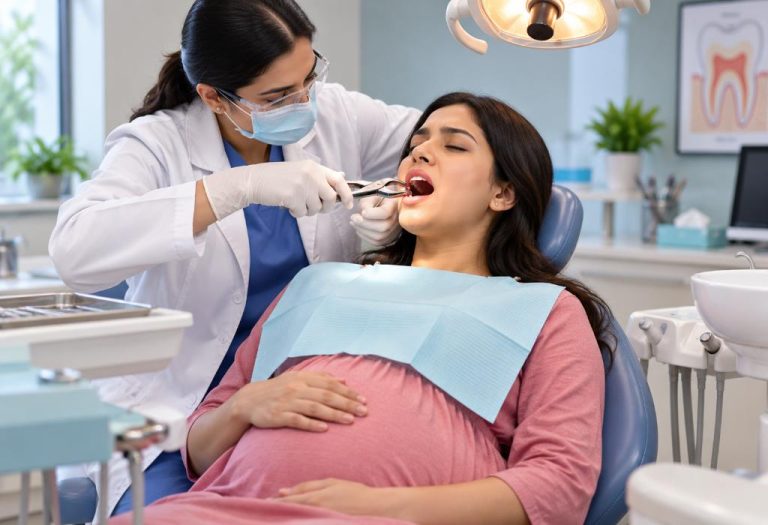
Getting a tooth pulled during pregnancy is generally safe when the procedure is medically necessary and performed with appropriate precautions. Severe tooth pain, damaged teeth, or dental infections may require extraction, and delaying treatment can sometimes lead to more serious complications. Although the second trimester is often preferred for planned dental procedures, urgent dental care should never be delayed solely because you are pregnant.
If you’re wondering, can you get a tooth pulled while pregnant, understanding the timing, potential risks, and safety measures can help you make an informed decision. This article explains when tooth extraction may be necessary, which anesthesia options are considered safe, and how to protect your health and your baby’s well-being.
Can You Get Tooth Extracted While Pregnant?
Dentists usually refrain from pulling teeth while pregnant. That’s because it can lead to excessive pain and stress, which is harmful for your growing baby. However, an emergency tooth extraction may be considered in case of an infection or gingivitis.
Common Oral Problems During Pregnancy
Hormonal secretion can cause or worsen dental problems in expecting women. Here are some common oral problems that you may face during pregnancy:
1. Gingivitis
Gingivitis tenderises the gums and causes inflammation and swelling. You may also notice bleeding gums when you brush or floss. Visit your dentist regularly for teeth cleaning (1).
2. Tooth Decay
An increased intake of carbohydrates can contribute to tooth decay during pregnancy. Morning sickness associated with acid reflux and vomiting can also increase the acid level in your mouth and cause the enamel to wear off, leading to tooth decay.
3. Pregnancy Tumours
Occurring in 5% of pregnancies, pregnancy tumours, also called a pyogenic granuloma, can cause extra tissue growth between the teeth. They are usually caused by excess plaque and are known to reduce after delivery (2).
Symptoms That Indicate the Need for a Tooth Extraction
If you notice the following symptoms during pregnancy, your tooth may have to be extracted.
- Intense pain in the gums and tooth
- Decay or infection in the tooth
- Trouble eating food
- Swollen or inflamed gums
- Trouble speaking
- Bleeding gums
It’s always best to avoid a tooth extraction during pregnancy, if possible.

When Can a Tooth Extraction Be Done?
Most dentists don’t perform tooth extractions during pregnancy unless it’s an emergency. However, if you need one, wait for the right time to get it done.
1. First Trimester
Tooth extraction while pregnant in the first trimester is not recommended since the first trimester is a crucial time for your baby’s development (3). In case you have a severe tooth condition, the best course of action is to take home remedies and avoid drugs.
2. Second Trimester
Tooth extraction in the second trimester is considered the safest time, as most of your baby’s organs would have developed by this time (4). However, you should put off any advanced procedures. If you experience a syncope (temporary or partial loss of consciousness) or dizziness, your dentist will turn you onto your left to alleviate the pressure. You may experience a Supine Hypotension Syndrome (drop in blood pressure) when you are seated in a reclined position due to the pressure exerted by the fetus on a large vein called the inferior vena cava. In such cases, the dentist will elevate your hip to 10 to 12 cm on the chair.
3. Third Trimester
Since you may find it hard to sit in a stationary position for a long time, tooth extraction in 3rd trimester is not recommended. Stress due to pain can also lead to premature childbirth. If you experience intense pain that makes a tooth extraction inevitable, the first month of the third trimester is usually considered safe. Otherwise, it’s better to wait until after delivery.
Safety Precautions for Tooth Extraction During Pregnancy
Here are some safety precautions that should be taken if you opt for a tooth extraction during pregnancy:
1. During the Procedure
Since X-rays and anaesthesia are administered, certain precautions need to be taken to avoid adverse effects on the fetus.
- During the X-ray, a lead sheet should be used to cover your upper body to prevent any harm to the baby due to radiation.
- Local anaesthesia like Novocaine or Lidocaine should be used on pregnant women. These are category B drugs that get filtered out of the placenta before reaching the fetus (5).
2. Medication
Any medication given after the procedure should be safe for you and your baby.
- Penicillin, clindamycin, and amoxicillin are considered safe for pregnant women. Erythromycin is also prescribed to women who do not have any adverse reaction to it. Ensure that your doctor is informed if you are allergic to any of these medicines so that an alternative can be prescribed.
- To relieve post-procedural pain, you may be prescribed opioid pain medication like hydrocodone, codeine, etc. Certain non-steroidal anti-inflammatory medicines like ibuprofen, naproxen, and aspirin may be prescribed for short-term use (72 hours). However, these should be avoided in the first and the third trimesters.
Medicines You Should Avoid
Avoid taking these medicines during pregnancy:
- Tetracycline, doxycycline, and minocycline should be avoided for topical use and as a pill, as these can stain your baby’s teeth (6).
- Fluoroquinolones like levofloxacin, ciprofloxacin, and moxifloxacin should also be avoided.
- Certain retinoids and teratogenics like thalidomide can cause cleft lips and other abnormalities in the baby and, hence, should be avoided (7).
What If a Wisdom Tooth Needs to Be Removed in Pregnancy?
Gum problems during pregnancy can also aggravate the pain caused by the wisdom tooth. Wisdom teeth removal while pregnant is typically postponed unless it is an emergency, as the procedure involves significant stress and potential complications that are best avoided during pregnancy. Infection, plaque build-up, or abnormal growth may worsen this pain. In such cases, the wisdom tooth extraction follows the same precautions as normal tooth extraction (8).
Does Pregnancy Increase the Risk of Tooth Loss?
Although pregnancy can increase sensitivity in the gums and lead to gingivitis, you don’t have to worry about tooth loss.
How to Prevent Dental Procedures in Pregnancy?
Following proper dental hygiene and exercising precautions can rule out the need for dental procedures during pregnancy altogether. Here are some things you could do to prevent them:
- Prevent plaque build-up by regularly visiting your dentist.
- Reduce the intake of sweet foods to prevent swelling and inflammation of the gums, as it attracts bacteria.
- Use toothpaste that contains fluoride and floss every day. Avoid using a mouthwash that contains alcohol.
- Use a brush with smooth bristles to prevent irritation to the gums.
- Dental grafting during pregnancy can aggravate gum bleeding.
- Smoking is also one of the common causes of periodontal problems.
FAQs
1. Are there alternative treatments for tooth extraction during pregnancy?
Yes, in some cases, alternative treatments, such as antibiotics to manage infection or temporary fillings to alleviate pain, might be recommended to delay dental extraction in pregnancy until after delivery. These options can help manage symptoms while minimising risks.
2. How can I prepare for a tooth extraction during pregnancy?
Preparation includes discussing your medical history and current medications with your dentist, ensuring your obstetrician is informed and involved in the decision, and planning a support system post-procedure to assist with recovery.
3. What should I expect during recovery from a tooth extraction while pregnant?
Recovery from a tooth extraction during pregnancy is similar to any other time but requires extra care. To support healing and overall health, follow your dentist’s instructions, maintain good oral hygiene, avoid strenuous activities, and eat a nutritious diet.
4. What are the risks of tooth extraction during pregnancy?
Tooth extraction pregnancy risks include bleeding, infection, pain, and swelling, similar to those associated with extractions outside pregnancy. Your dentist will take appropriate precautions and consider your medical history to minimise complications.
5. How long does it take to recover from tooth extraction during pregnancy?
Initial recovery typically takes a few days, although complete healing may take several weeks. Following your dentist’s aftercare instructions and maintaining good oral hygiene can support healing.
Dental care is necessary throughout life and, more so, during pregnancy. Ensure you maintain proper dental hygiene and visit a dentist regularly to track your dental health.
Also Read:
Toothache in Pregnancy
Using Mouthwash while Pregnant
Bleaching Teeth during Pregnancy
Is Taking Fluoride Safe when Pregnant?
Getting a Root Canal during Pregnancy: Is it Safe?
Was This Article Helpful?
Parenting is a huge responsibility, for you as a caregiver, but also for us as a parenting content platform. We understand that and take our responsibility of creating credible content seriously. FirstCry Parenting articles are written and published only after extensive research using factually sound references to deliver quality content that is accurate, validated by experts, and completely reliable. To understand how we go about creating content that is credible, read our editorial policy here.
- Author
- Expert Reviewer


Related Articles
-

Itching in Pregnancy: Causes and Treatments
-

12 Questions To Ask Your Ob-Gyn/Doctor During Pregnancy
-
Upper Back Pain During Pregnancy - Causes & How to Relieve It
-
Watery Discharge During Pregnancy – Is It Normal?
-

30 Best Sibling Pregnancy Announcement Ideas
-
Airport Scanners When Pregnant: Are They Safe for You & Your Baby?