
Spicy Food During Pregnancy – Is It Safe?
Enjoying spicy food during pregnancy? Know the safety, risks, and how it affects you and your baby.





Image Credit : AI Generated Image
‘Can pregnant women have spicy food during pregnancy?’ is a question many expectant women ask. Whether it’s newfound cravings for spice or you’re just used to carrying hot sauce in your bag, pregnancy makes us think about our food choices on a microscopic level. With so many foods to be cautious about when pregnant, plenty of myths surrounding spicy food for pregnancy, and concerns about early labour, spicy food and pregnancy is something every expectant mother should know. Let’s separate fact from fiction and give rest to the bubbling question: “Can you eat spicy food while pregnant?” Don’t forget to check the commonly asked questions surrounding this topic at the end of the article.
Can You Eat Spicy Food While Pregnant?
Is it ok to eat spicy food while pregnant? Spicy food does not affect the baby or the pregnancy. However, consuming more spicy food than your body can handle can cause digestive problems, acidity, and heartburn (1).
1. Spicy Food During the First Trimester
Consuming spicy food in the first trimester is safe and does not affect the development of the baby. The risk of early pregnancy loss is high in the first trimester, which may make expectant mothers worry about the side effects of consuming spicy food.
2. Spicy Food During the Second and Third Trimester
Consumption of spicy food during the second and third trimesters increases the chances of experiencing heartburn and acid reflux (2). In the third trimester, the growing foetus causes stomach acids to revert to the oesophagus, and eating spicy foods could aggravate this condition.
How Much Spice Is Safe in Food?
As long as your body can digest all the spices, it is safe to consume spicy food in limited quantities. Avoid eating spicy food cooked outside. Instead, buy fresh spices and grind them at home to avoid adulteration with heavy metals and colours.
Benefits of Eating Spicy Food During Pregnancy
As there are negatives, there are also positives to eating spicy food during pregnancy. Here are some benefits of eating spicy food during pregnancy:
1. Exposes the Baby to New Tastes
By eating spicy food during pregnancy, you can introduce your baby to new tastes while they’re in your womb. Some researchers suggest that eating different flavours during pregnancy and breastfeeding increases the likelihood of the child accepting those flavours later in life. The flavours are passed on to your little one in your womb by the amniotic fluid.
2. Improves Heart Health
Some studies suggest that eating spicy food reduces low-density lipoprotein (LDL) cholesterol and increases high-density lipoprotein (HDL) cholesterol. HDL cholesterol is considered to be ‘good’ cholesterol, which reduces the risk of heart disease and strokes.
3. Improved Mood
Capsaicin in spicy food triggers the body to release endorphins, which lift the mood. Plus, it is a change from a highly-controlled and aware meal, which gets boring over time.
4. Helps Prevent Inflammation
Spicy food items like chillies, ginger, and turmeric boast anti-inflammatory properties that prevent inflammation in the body and improve overall health by protecting from health issues, such as arthritis, cancer, asthma, diabetes, cardiovascular diseases, and neurodegenerative diseases (3).
What Are the Risks and Side Effects of Eating Spicy Food?
Eating spicy food can cause digestive problems, leading to discomfort in a pregnant woman. Listed below are the risks and side effects of eating spicy food during pregnancy:
- Morning Sickness: Morning sickness is very common in the early stages of pregnancy due to changing hormonal levels. Morning sickness can be aggravated by the consumption of spicy food.
- Heartburn: The chances of experiencing heartburn and other digestive issues are high when you are pregnant. Spicy food will increase acid reflux and aggravate heartburn, especially in the late months of pregnancy.
- Indigestion: During pregnancy, the rate at which your stomach processes food slows down. Spicy foods have a tendency to cause indigestion and discomfort.
- Increase in GERD: Eating spicy foods can cause an increase in gastroesophageal reflux, which can further cause discomfort.
If you decide to eat spicy food, pair it with a glass of milk to minimise heartburn. Honey can also help prevent heartburn after eating a spicy dish.
Myths About Eating Spicy Food When Pregnant
There are myths attached to eating spicy food during pregnancy. Myths without any scientific backing include:
- Spicy food can have an adverse impact on your baby.
- Eating spicy food can lead to pre-term labour.
- Consumption of spicy foods during pregnancy can lead to miscarriage and congenital disabilities.
- You must consume spicy foods to induce labour.
- It can cause your baby to be born blind.
None of these myths has any scientific backing, so they must not be believed.
Why You Crave Spicy Food During Pregnancy?
During pregnancy, there are a lot of hormonal fluctuations in the body, which can alter the woman’s perception of taste and smell. This can cause you to crave spicy food during your pregnancy.
Tips to Consume Spicy Food in the Right Manner
Spicy food for pregnant women isn’t bad; it just needs moderation. To make sure that you are not adversely affected by the dangers of spicy food, you must consume it in a proper manner.
- Consume spices that are branded and approved by food certification authorities.
- Do not consume spices that are sold loose, as they may contain impurities such as brick powder.
- If you are consuming new spices, start eating them in small quantities. It is best to buy fresh spices and grind them at home.
- Check packaging and expiry dates before buying spices from outside.
- Limit spicy dishes to one per meal and change your cuisine if spicy Indian cuisine gives you heartburn.
- Give preference to home-cooked food, as you can regulate the quality and quantity of spices used in food.
How You Can Include Spicy Food In Your Diet?
You should be cautious and selective while consuming spicy food during pregnancy. Some of the spicy food items that can be included in your diet are as follows:
- Wasabi Peas: These are hot and crunchy peas that are safe to eat and cause no harm.
- Curry Sauce: A blend of onion, garlic, chilli and all common spices, curry sauce is widely used in Indian food and is safe to consume.
- Piri-Piri Sauce: It is a blend of onion, garlic, tomato, and the main ingredient, super-hot African bird’s eye chilli.
- Middle Eastern Cooking Sauces: Sweet sauces made of black onion seeds, green chillies, tomato, and coriander.
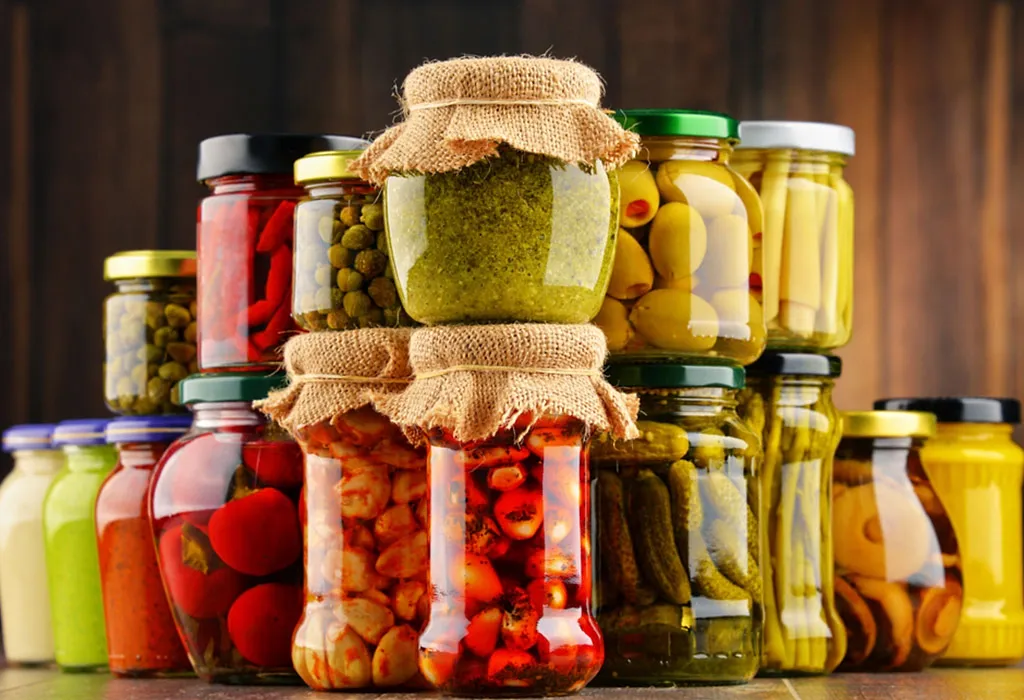
- Spicy Pickles: Available at any convenience store, small amounts of these pickles alongside your food are safe and can satiate your craving for spices.
- Pepper: One can try out pepper-based soups whenever you have a cold due to low immunity. The anti-bacterial properties of pepper, along with its spicy effect, make it an ideal spice during pregnancy.
It is preferred to make sauces at home to avoid excessive use of spices or oils, which can cause heartburn.
Irritable Uterus Due to Spicy Food
Though spicy food is usually safe during pregnancy, too much spice or a sensitive digestive system can have some side effects for pregnant women. In some women, spicy food can cause an irritable uterus or irritation in the intestines. Spicy foods usually pass through the gastrointestinal tract more quickly than non-spicy foods, and may even cause diarrhoea, acidity, or gas. These issues can make the intestines cramp, which in turn, causes irritation in the uterus due to its close proximity to the intestines. The major symptom of an irritable uterus is disorganised twitching in the uterine muscles or cramps in the lower abdomen, which in rare cases, can cause contractions that begin to dilate the cervix. Women who are less than 37 weeks pregnant and experience any such symptoms should immediately consult their doctor, who can further guide them. If you notice any sensitivity to spicy foods during pregnancy, such as acidity, gas, or cramping, it is suggested that you avoid spicy foods.
FAQs
1. Is the consumption of spicy food safe for my baby?
Yes, consuming spicy food during pregnancy is totally safe for your baby. It does not harm the baby and is absolutely safe to consume.
2. Can my baby taste spicy food in the womb?
No, babies cannot taste spicy food in the womb. Instead, babies can be influenced by the taste buds what the might eat during pregnancy (4) (5).
3. What spices should you avoid during pregnancy?
In general, herbs and spices in supplemental form should be avoided during pregnancy. Spices in normal amounts in the cooking are fine. Regular use of fennel supplements should be avoided as it is associated with preterm birth. Turmeric, on the other hand, when taken in conjunction with medications for diabetes, can lower blood sugar levels dangerously. Moreover, asoefotida, garlic, sage, and rosemary should be avoided only in excess amounts or in supplement form are some spices that you must avoid during your pregnancy. These should especially be avoided in large quantities.
4. Can you eat spicy chips when pregnant?
You can eat spicy chips in moderation unless suggested otherwise by your doctor.
5. Does spicy food help to induce labour?
Although many pregnant women eat spicy food to induce labour, it’s not certain whether spicy food will induce labour. So, no, spicy food does not help induce labour.
Although spicy food is safe to consume during pregnancy, it is best to keep its intake limited in order to avoid discomfort due to heartburn and indigestion. Eating a healthy diet with a mix of different flavours will help break the monotony and keep your taste buds interested in the food you consume.
Also Read:
High Fibre Foods for Pregnancy
Foods to Avoid during Pregnancy
Vegetables to Eat during Pregnancy
Was This Article Helpful?
Parenting is a huge responsibility, for you as a caregiver, but also for us as a parenting content platform. We understand that and take our responsibility of creating credible content seriously. FirstCry Parenting articles are written and published only after extensive research using factually sound references to deliver quality content that is accurate, validated by experts, and completely reliable. To understand how we go about creating content that is credible, read our editorial policy here.
- Author


Related Articles
-

Zinc in Pregnancy – Importance, Dosage, and Food Sources
-
Cranberries or Cranberry Juice During Pregnancy - Is it Safe?
-
19 Foods That Can Cause Miscarriage
-
Healthy Indian Diet Plan in Pregnancy
-
Salads in Pregnancy: Safety, Benefits, & Precautions
-
Sugarcane Juice in Pregnancy: Benefits, Risks, & Safety