
Sleep Pills During Pregnancy – Are They Safe?





Medically Reviewed By
Dr. Sanjana Sainani
(Gynecologist/Obstetrician)

This health content has been medically reviewed by qualified experts and follows the FirstCry Parenting editorial policy to ensure accuracy and reliability.
Key Takeaways
- Sleeping pills are not always safe during pregnancy; safety depends on the medication, dosage, and stage of pregnancy.
- Herbal supplements and natural sleep remedies may pose risks due to limited safety evidence.
- Avoid alcohol and cannabinoids during pregnancy to protect your baby’s development.
- Improve sleep with a regular bedtime, relaxation techniques, and supportive pillows.
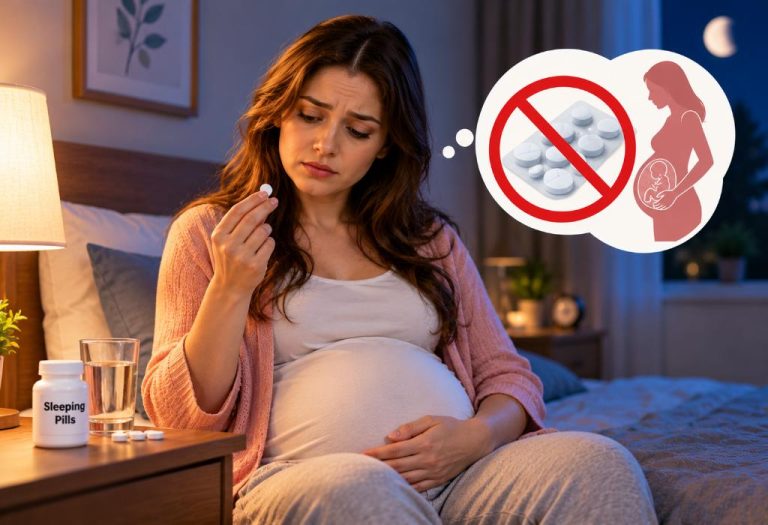
Sleep pills during pregnancy are not always safe, and whether you can take them depends on the type of medication, your stage of pregnancy, and your overall health. Although sleepless nights can leave you feeling exhausted, taking sleeping pills without medical advice may carry risks for both you and your developing baby.
So, what can you do when pregnancy makes it difficult to get a good night’s rest? Understanding the benefits and potential risks of sleep medications can help you make informed decisions. In this article, we’ll discuss the safety of sleep pills during pregnancy, possible alternatives, and practical ways to improve your sleep naturally.
Is it Safe to Take Sleeping Pills During Pregnancy?
Sleeping pills are not recommended for longer durational use for anyone. But if a pregnant woman is suffering from insomnia, then antihistamines, diphenhydramine and doxylamine are considered to be safe (1). These drugs are found in Benadryl and can induce sleep.
Types of Sleeping Pills
There are many types of sleeping pills available in the market but there are few of them that have addictive properties (2):
| Sleep Medication | Helps you fall asleep | Helps you stay asleep | Can lead to dependence |
| Doxepin (Silenor) | Yes | ||
| Estazolam | Yes | Yes | Yes |
| Eszopiclone (Lunesta) | Yes | Yes | Yes |
| Ramelteon (Rozerem) | Yes | ||
| Temazepam (Restoril) | Yes | Yes | Yes |
| Triazolam (Halcion) | Yes | Yes | |
| Zaleplon (Sonata) | Yes | Yes | |
| Zolpidem (Ambien, Edluar, Intermezzo, Zolpimist) | Yes | Yes | |
| Zolpidem extended-release (Ambien CR) | Yes | Yes | Yes |
This table represents the medications that might help you fall asleep, help you stay asleep, and are addictive. Some people can sleep, but they have a problem staying asleep because they get up regularly and are ultimately sleep-deprived. So choosing the one that is best for you is a little tough, so it is always better to take the suggestion from a doctor.
Factors Affecting Sleep in Pregnant Women
There are many factors that affect sleep patterns in pregnant women. These factors, when identified early, can be easily managed, empowering you to take control of your sleep. The main factors are:
- Anxiety
- Congested feelings
- Alcohol usage
- Uncomfortable position
- Drinking excess water before sleep
- Uncomfortable nightwear
Risks and Side Effects of Taking Sleeping Pills When Pregnant
Sleeping pills and pregnancy do not go well hand in hand. That is the reason why sleeping medication for pregnancy recommended by doctors is very rare and under extreme conditions only. Side effects of sleeping pills during pregnancy can include drowsiness, dizziness, gastrointestinal issues, and potential impacts on fetal development, raising concerns about their overall safety and necessity during this crucial time. Links have been found between the use of barbiturates, benzodiazepines, and other prescription sleeping pills and birth defects, so prolonged use of sleep aids for pregnant women is generally not recommended by doctors (3).
Sleeping Pills Recommended By Doctors During Pregnancy
There are categories of drugs according to their country’s pharmacopoeia, but they are segregated into 4 or 5 groups so that their efficacy and safety can be measured. Unfortunately, prescription sleeping pills are not kept in a safe zone. Prescription sleeping pills are addictive and dangerous and should be taken under complete medical supervision.
Home Remedies for Better Sleep
There is a list of home remedies for better sleep, and it has health benefits too for you as well as the foetus:
- Sleep in a Spacious Bedroom: Make sure your bedroom is spacious and airy. Do not turn on the air conditioners for a longer duration. Instead, use electric fans to make the room airier, as foetuses develop faster in fresh air.
- Wear Comfortable Nightwear: Pregnant women should wear loose and comfortable nightwear primarily made out of cotton so that it absorbs sweat and is airy. Tight or congested clothes at night can disturb you in your sleep and thus disturb your sleep pattern, leading to insomnia.
- Take a Bath Before Sleeping: It is generally suggested that you take a bath in 35-to-38°C water or soak your legs in warm water before sleeping. This helps lower stress, relax the muscles, and have a nice psychological effect before sleep.
- Avoid Drinking Alcohol: Drinking alcohol stimulates the nervous system and keeps it in an excited state, which is not good for sound sleep. Moreover, like any other fluids, if you consume alcohol in large quantities, then it will fill your bladder, and you will have to get up for nocturia, which is not so good for your sleep. Alcohol is not recommended during pregnancy and, hence, should be avoided completely (4).
- Avoid High-Intensity Workouts Before Sleep: High-intensity exercise should be avoided during pregnancy as it draws out energy from the body, but it should be avoided mostly before sleep. Just a relaxing stroll is enough for the need to exercise before bedtime (5).
- Drink Milk Before You Go to Bed: Drink a glass of warm milk 30 minutes before bed. Milk’s nutrients are good for pregnant women and their foetuses (6).
- Massage Gently: Moderately massaging a pregnant woman relieves muscle stress and helps her relax. Moreover, it has also been found to relieve mental stress and encourage sleep (7).
- Think Positive: While sleeping, try to think about positive things. This will help you stay calm and positive during pregnancy and help you relax. It will also relax your nerves and promote faster sleep in pregnant mothers.
- Try Different Sleeping Positions: Some doctors say that sleeping one-sided helps reduce pressure on the fetus and the mother, but it is the prerogative of the concerned woman to choose her most comfortable position to get better sleep.
Sleep Aids to Avoid in Pregnancy
Not all sleep aids are safe during pregnancy, as certain medications and substances may affect your baby’s development. Here are four types of sleep aids to avoid during this important stage.
1. Sedative Hypnotics
Sedative hypnotics are prescription medications used to reduce anxiety and promote sleep. During pregnancy, certain medications in this group may increase the risk of preterm birth, low birth weight, or breathing difficulties in newborns. Some, such as barbiturates, have also been linked to birth defects.
2. Herbal Products and Natural Sleep Aids
Herbal products and natural sleep aids are not necessarily safe during pregnancy. Many herbal ingredients have limited safety data in pregnant women, and some may affect fetal development or interact with medications.
3. Alcohol
Alcohol consumption during pregnancy can harm the developing baby and increase the risk of fetal alcohol spectrum disorders. No safe amount of alcohol has been established during pregnancy. Avoid alcohol completely, including using it as a way to promote sleep, to help protect your baby’s development (8).
4. Cannabinoids
Cannabinoids, including THC and CBD, are not recommended during pregnancy because they may affect fetal development. THC can cross the placenta, exposing the developing baby to the substance. Avoid cannabis, CBD oils, gummies, and other cannabinoid-containing sleep products throughout pregnancy due to potential risks to your baby’s health (9).
When to Consult a Doctor?
Consult your doctor in the following situations to ensure a safe and healthy pregnancy:
- Persistent difficulty falling or staying asleep during pregnancy.
- Excessive daytime tiredness affecting daily activities.
- Sleep problems accompanied by anxiety or low mood.
- Before taking any sleeping pills, herbal supplements, or sleep aids.
- Sleep disturbances caused by pain, breathing difficulties, or other concerning symptoms.
FAQs
1. Do sleeping tablets affect breastfeeding?
Many sleeping pills can pass into breast milk, potentially affecting the nursing infant. It’s vital to discuss any medication use with a healthcare provider while breastfeeding (10).
2. What should I do if I have a history of insomnia before pregnancy?
If you had insomnia before becoming pregnant, discuss your history with your doctor. They can recommend safe strategies tailored to your needs during pregnancy.
3. Can I stop prescribed sleeping pills suddenly during pregnancy?
Do not stop certain prescribed sleeping medications abruptly, as this may cause withdrawal symptoms. Contact your healthcare provider to discuss the safest way to adjust sleep medication and pregnancy.
4. Does the position I sleep in matter during pregnancy?
As pregnancy progresses, sleeping on your side is generally recommended, particularly after 28 weeks. Use pillows to support your belly and knees for added comfort.
5. What are the safest ways to improve sleep during pregnancy?
The safe sleep aids during pregnancy often start with non-medication approaches, such as maintaining a regular bedtime, practicing relaxation techniques, and using supportive pillows.
Prolonged insomnia can lead to mental instability. But if you take a little care at the onset of insomnia, then there are several methods where you can reverse the effects and lead a healthy life. Sleep aid while pregnant can pose risks to both the mother and the developing fetus, making it essential to approach their use with caution and under the guidance of a healthcare provider.
Also read:
Effects Of Pregnancy On Your Sleep
Sleeping Problems during Pregnancy
What Medicines to Avoid when Pregnant
List of Medications to take & avoid while Pregnant
Was This Article Helpful?
Parenting is a huge responsibility, for you as a caregiver, but also for us as a parenting content platform. We understand that and take our responsibility of creating credible content seriously. FirstCry Parenting articles are written and published only after extensive research using factually sound references to deliver quality content that is accurate, validated by experts, and completely reliable. To understand how we go about creating content that is credible, read our editorial policy here.
2. MGH Center for Women’s Mental Health – Treatment of Insomnia During Pregnancy
3. Sleep Foundation – Sleep Aids to Take While Pregnant
4. Tommy’s – How can I get more sleep in pregnancy?
6. The Johns Hopkins Medicine – Natural Sleep Aids: Home Remedies to Help You Sleep
7. PubMed Central – Insomnia and sleep deficiency in pregnancy
8. NHS – Drinking alcohol while pregnant
9. PubMed Central – Cannabis use during pregnancy and postpartum
10. NSW Medications in Pregnancy and Breastfeeding Service – Insomnia in Pregnancy and Breastfeeding
- Author
- Expert Reviewer