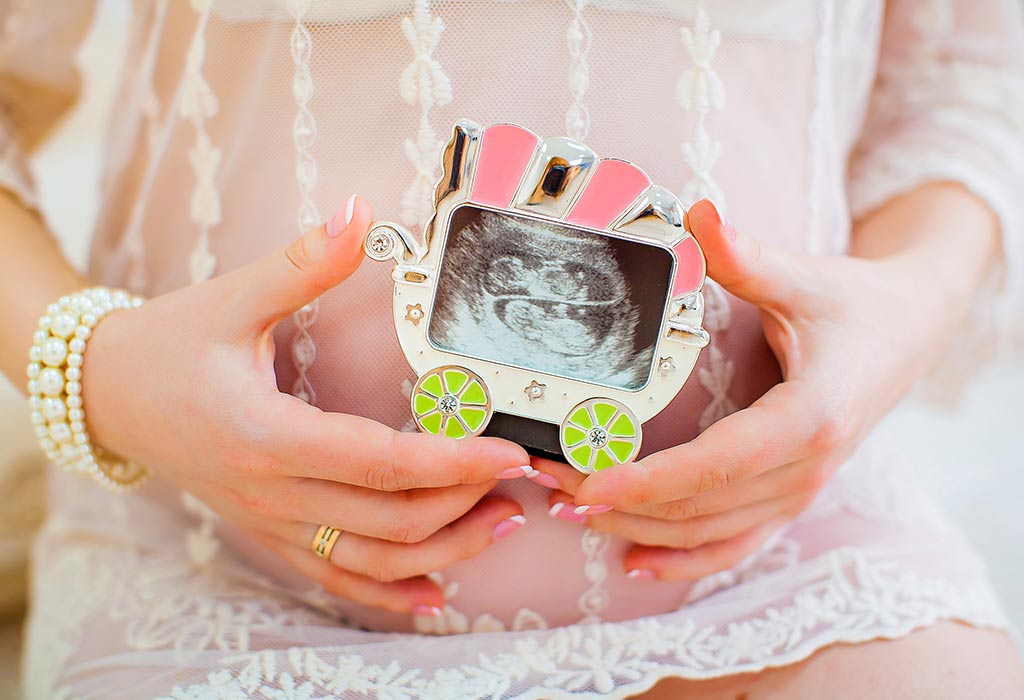

Menopause vs Pregnancy – Symptoms and Key Differences




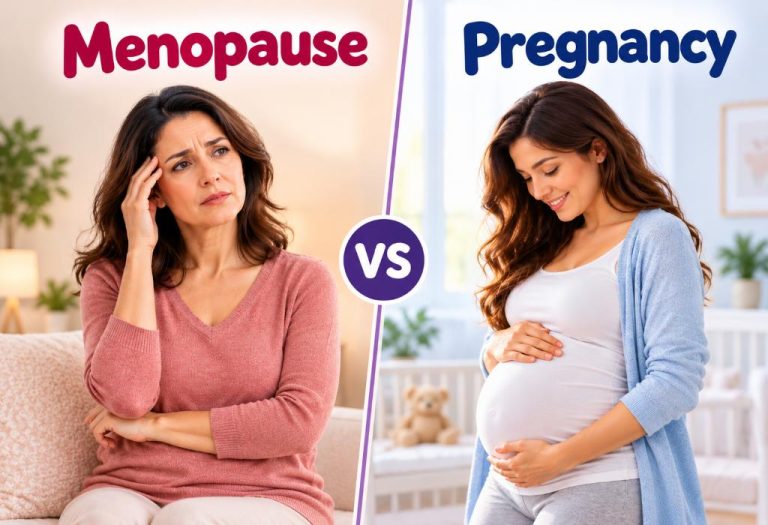
Key Takeaways
- Pregnancy and perimenopause can share symptoms such as missed periods, fatigue, mood changes, headaches, bloating, and sleep problems.
- Nausea, food aversions, and breast sensitivity are more commonly associated with pregnancy.
- Hot flashes, vaginal dryness, and declining fertility are more closely linked to perimenopause and menopause.
- Pregnancy is still possible during perimenopause, so a missed or irregular period should not automatically be assumed to mean menopause.
Menopause vs pregnancy can look surprisingly similar, especially when your period is late, irregular, or suddenly different. Symptoms such as fatigue, mood swings, breast tenderness, nausea, and menstrual changes can leave you wondering what’s really happening in your body. That’s what makes telling the two apart so confusing, many of the early signs can overlap, even though they have very different causes.
So, how can you tell which one you’re experiencing? This article breaks down the symptoms of menopause versus pregnancy, the key differences to look for, and when taking a pregnancy test or speaking with a healthcare professional may be the right next step.
Symptoms Common to Both Pregnancy and Menopause
Here are the symptoms that are common to both pregnancy and menopause:
1. Changes in Menstrual Cycle
Both pregnant women and women in perimenopause will experience changes in their menstrual cycles. Missed periods are usually an indicator of pregnancy (1), while irregular periods are an indicator of the start of menopause (2). Signs of irregular periods are spotting between periods, changes in blood flow, and shorter or longer periods.
2. Mood Swings
Hormonal increases and decreases can cause mood swings in both perimenopause and pregnancy. During pregnancy, the hormonal changes may make you feel very emotional and tearful. During perimenopause, women may be irritable, gloomy or depressed (3).
3. Headaches
Both pregnant women and women in perimenopause suffer headaches. The loss of oestrogen in menopause causes headaches. The increase in levels of the hormones, such as oestrogen, progesterone, and hCG (Human Chorionic Gonadotropin), cause headaches during pregnancy (4).
4. Weight Changes
Both pregnancy and menopause cause changes in body weight. Weight gain is gradual in pregnancy, with the woman slowly gaining weight as the baby grows. During menopause, hormonal changes cause weight gain, particularly around the abdomen. A slowdown in metabolism during menopause makes it difficult for women to sustain a healthy weight.
5. Changes in Sex Drive
Changes in libido are common in both pregnancy and menopause. However, women are more likely to have a decreased libido during menopause, while their sex drive may increase or decrease during pregnancy.
6. Cramps and Bloating
Hormonal changes may cause cramping and bloating in early pregnancy. Similarly, bloating and cramping also occur during menopause. Cramping during menopause can be an indicator that the menstrual period is about to begin.
7. Night Sweats and Hot Flashes
Hot flashes and night sweats are usual symptoms of menopause (5). However, women can experience night sweats and hot flashes in early pregnancy, too. A hot flash is a rush of heat that can cause sweating and flushed, reddish skin, especially on the face.
8. Incontinence
The increased blood volume in pregnancy puts pressure on the kidneys since they have to process higher volumes of fluids. This increases the urge to urinate in most women, and you might find yourself going to the loo more often! Also, the growing uterus puts pressure on the bladder, causing incontinence in early pregnancy. During menopause, loss of muscle and tissue tone causes incontinence (6).
9. Sleep Problems and Fatigue
During pregnancy, high levels of progesterone cause fatigue which cause women to feel sleepy. In perimenopause, women have trouble falling asleep and staying asleep through the night. This leads to sleep deprivation and tiredness.
A Comparison of Common Symptoms: Perimenopause vs Pregnancy
This comparison aims to explain the difference between perimenopause and pregnancy, particularly when overlapping symptoms make it difficult to tell whether you’re experiencing early perimenopause or pregnancy.
| Symptoms | Seen in Perimenopause | Seen in Pregnancy |
| A missed period | ✓ | ✓ |
| Increased urination | ✓ | |
| Incontinence | ✓ | ✓ |
| Hot flashes and night sweats | ✓ | ✓ |
| Weight gain | ✓ | ✓ |
| Bloating and cramping | ✓ | ✓ |
| Constipation | ✓ | |
| Nausea | ✓ | |
| Headaches | ✓ | ✓ |
| Fatigue and sleep problems | ✓ | ✓ |
| Decreased libido | ✓ | ✓ |
| Increased libido | ✓ | |
| Mood changes | ✓ | ✓ |
| Loss of fertility | ✓ | |
| Loss of bone mass | ✓ | |
| Cholesterol changes | ✓ | |
| Sensitive and swollen breasts | ✓ | |
| Vaginal dryness | ✓ | |
| Food sensitivity | ✓ |
Symptoms Occurring Only in Pregnancy
While there are overlapping symptoms of pregnancy and menopause, the following symptoms specific to pregnancy will make it easier to understand your own condition.
1. Nausea and Vomiting
Nausea and vomiting in pregnancy are called morning sickness. It is caused by high levels of the pregnancy hormone hCG. This takes place during the first trimester. Although it is called ‘morning’ sickness, nausea and vomiting can occur at any time of the day or night. The morning sickness usually subsides after the third month of pregnancy (7).
2. Soreness and Sensitivity in Breasts
The hormonal changes in early pregnancy make the breasts very sensitive and sore. This disappears once the body adjusts to the hormonal surges (8).
3. Constipation
An increase in progesterone levels during pregnancy relaxes the muscles throughout the body. This slows down the digestive system and leads to constipation (9).
4. Hypersensitivity to Foods
During pregnancy, women experience both food cravings as well as food aversions. This is due to high levels of the pregnancy hormone hCG.
Symptoms Occurring Only in Menopause
Some symptoms are more specific to menopause and can help distinguish it from pregnancy, including:
1. Loss of Bone Density
Reduced levels of oestrogen in the body during perimenopause cause a decrease in bone density. This leads to a risk of osteoporosis, a medical condition in which bones become fragile and brittle from loss of tissue. To prevent loss of bone mass, women in their late 40s are advised to take calcium and vitamin D supplements (10).
2. Dryness in the Vagina
Decreased oestrogen levels also cause a reduction in elasticity and lubrication of the vagina. This can cause bleeding after sex and make sex uncomfortable (11).
3. Reduced Fertility
Menopause signals the end of female fertility. Women approaching menopause stop ovulating regularly and have lower chances of becoming pregnant. However, menstruating women can still become pregnant.
4. Cholesterol Problems and Risk of Heart Disease
Lower oestrogen levels cause an increase in LDL cholesterol (low-density lipoprotein), also called bad cholesterol. This increases the risk of heart disease and stroke.
How Are Pregnancy and Menopause Diagnosed?
If you are in your 40s and are experiencing symptoms that may be caused by either pregnancy or menopause, you can follow these steps to diagnose it correctly:
1. Diagnosis of Pregnancy
If you doubt whether it is menopause or pregnancy that is causing your symptoms, take a home pregnancy test to confirm it. Make sure you confirm the result with your doctor to make sure the home pregnancy test did not give you a false positive or negative result. The doctor will confirm your pregnancy with a blood or urine test and a pregnancy ultrasound scan. The ultrasound scan is the method most doctors use to confirm a viable pregnancy.
2. Diagnosis of Menopause
Confirm with your doctor if you do not know whether your symptoms are caused by pregnancy or menopause. This confirmation is done via blood and urine tests to rule out pregnancy. The doctor will also do blood tests to determine levels of the hormones oestrogen and progesterone. He will also consider all the symptoms a woman experiences, including changes in menstruation, to diagnose menopause.
How Are Pregnancy and Menopause Treated?
Managing pregnancy and menopause involves distinct strategies. Both phases necessitate tailored approaches to ensure the well-being of women during these transformative stages.
1. Treatment for Pregnancy
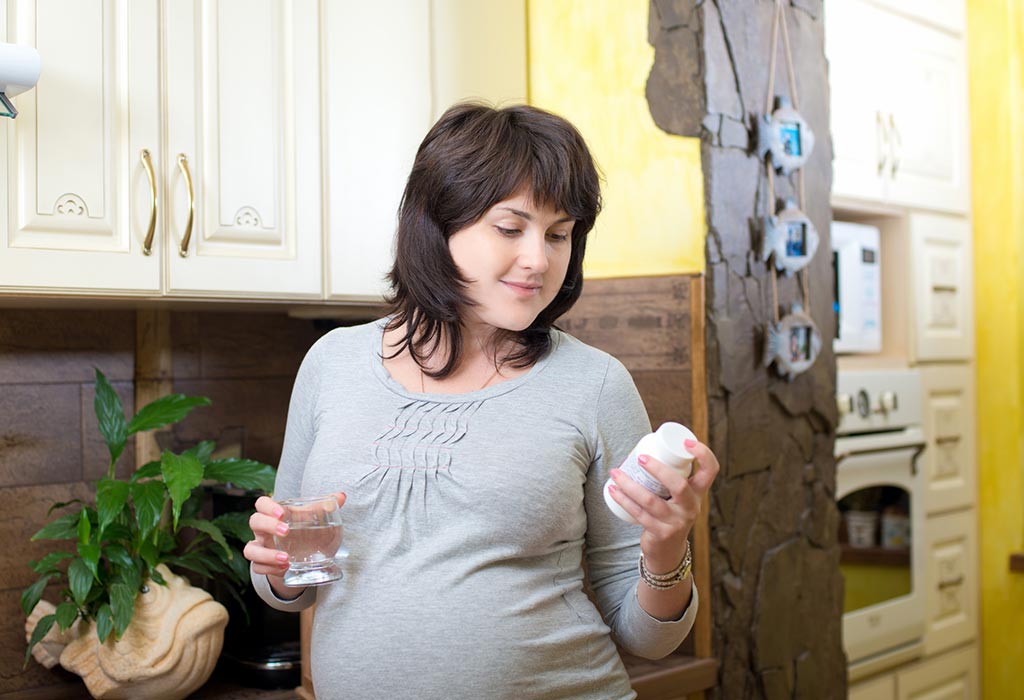
Pregnancy is a natural and complex physiological process that requires careful attention to ensure the well-being of both the mother and the developing fetus. The primary approach to managing pregnancy involves prenatal care, a comprehensive strategy that includes regular check-ups, nutritional guidance, and lifestyle recommendations. Additionally, healthcare providers may prescribe prenatal vitamins containing essential nutrients like folic acid to support fetal development (12). In certain cases, medical interventions may be necessary to address complications or health concerns during pregnancy. It is crucial for expectant mothers to maintain open communication with their healthcare professionals to receive personalised guidance and ensure a healthy pregnancy.
2. Treatment for Menopause
Menopause signifies a crucial phase in a woman’s life, indicating the conclusion of her reproductive years. Managing the symptoms associated with menopause involves a combination of lifestyle adjustments, hormone therapy, and, in some cases, medications. Hormone replacement therapy (HRT) is a common approach to alleviate symptoms such as hot flashes and mood swings by supplementing declining estrogen levels (13). Lifestyle modifications, including a healthy diet, regular exercise, and stress management, play a crucial role in promoting overall well-being during menopause. It is essential for women to consult with their healthcare providers to tailor a treatment plan that addresses their specific symptoms and health considerations.
What Next?
Here’s what you can do in either situation:
1. For Pregnancy
Irrespective of age, women can adopt various measures to support a healthy pregnancy for themselves and their baby. These measures encompass (14):
- Avoiding smoking and illegal substances: Pregnant women should refrain from smoking, using illegal drugs, and excessive alcohol consumption to avoid potential birth abnormalities or fetal complications.
- Reviewing medication: Expectant mothers should consult with their doctors to review any medications they are taking, ensuring their safety during pregnancy.
- Including healthy fruits and veggies in the diet: Consumption of fruits, vegetables, and whole grains is recommended. Some foods, such as sushi, raw meats, deli meat, high-mercury fish, raw shellfish, raw eggs, and unpasteurised milk, should be avoided as they may pose risks to the baby.
- Exercising regularly: Activities like meditation, light exercise, journaling, listening to music, or reading can help alleviate stress during pregnancy.
- Giving rest to the body: Sufficient rest is crucial to preserve a pregnant woman’s energy levels.
- Ensuring optimal hydration: Due to the significant increase in blood volume during pregnancy, adequate water intake is essential for the well-being of both the mother and the baby. Monitoring urine colour, aiming for pale yellow, indicates proper hydration.
2. For Menopause
For women experiencing menopause, there are several measures they can adopt to maintain good health, including (15):
- Maintaining balanced diet: Emphasising the consumption of fruits, vegetables, lean meats, and low-fat dairy is recommended. Adequate intake of calcium and vitamin D is particularly crucial during menopause, as declining estrogen levels may contribute to decreased bone density.
- Making healthy lifestyle changes: Exercise serves to alleviate stress, maintain muscle strength, and promote heart health. It doesn’t need to be excessively strenuous; activities like walking, cycling, or participating in a 30-minute daily exercise class, such as aerobics, can contribute to overall well-being during menopause.
- Building a peaceful ecosystem around you: During menopause, hormonal changes can impact mood and emotional health. Engaging in activities that promote mental well-being, such as mindfulness practices, meditation, or seeking support from friends and family, can contribute to a more balanced and positive experience during this transitional phase of life.
When to Consult a Doctor?
Consider speaking with a healthcare professional if:
- Your period is unexpectedly missed or significantly different from usual.
- Symptoms such as fatigue, nausea, mood changes, or breast tenderness persist or become bothersome.
- You experience unusual or persistent vaginal bleeding.
- You have severe abdominal or pelvic pain, heavy bleeding, dizziness, or fainting, which may require prompt medical attention.
FAQs
1. What are the chances of a woman getting pregnant after menopause?
The chances of getting pregnant after menopause are extremely low. Menopause is defined as the cessation of menstruation, indicating the end of a woman’s reproductive years. While spontaneous pregnancy is unlikely, assisted reproductive technologies such as egg donation may offer limited possibilities.
2. What are the chance of getting pregnant during perimenopause?
During perimenopause, which is the transitional phase leading to menopause, fertility declines, but pregnancy is still possible. The irregular menstrual cycles and hormonal fluctuations characteristic of perimenopause make it challenging to predict fertility accurately. Women in perimenopause should be aware of the potential for pregnancy and use contraception if they wish to avoid it.
3. Can menopause cause a positive pregnancy test?
No. Menopause itself does not normally cause a positive pregnancy test. A positive result generally indicates that human chorionic gonadotropin (hCG), the hormone detected by pregnancy tests, is present and should be discussed with a healthcare professional.
4. When should you take a pregnancy test during perimenopause?
If pregnancy is possible and your period is late or unusually different, taking a home pregnancy test can be a useful first step. If the result is negative but your period does not arrive or symptoms continue, consider repeating the test or speaking with a healthcare professional.
So is it menopause or pregnancy? This article aims to clarify your doubt. Menopause and pregnancy have several common symptoms. Due to this, women who are in their 40s may have difficulties determining if their symptoms are caused by pregnancy or menopause. The way to confirm this is by consulting your doctor, who will do diagnostic tests to determine the cause of your symptoms. If the cause is pregnancy, the woman will need to start eating healthy, taking prenatal vitamins, and preparing for childbirth. If it is menopause, the woman will have to take calcium and vitamin D supplements, exercise regularly, eat healthily, and consider hormone replacement therapy to reduce the symptoms of menopause.
Also Read:
Menopause – Stages and Symptoms
Is It Possible to Get Pregnant during Menopause?
Natural Treatments for Perimenopause and Menopause
Was This Article Helpful?
Parenting is a huge responsibility, for you as a caregiver, but also for us as a parenting content platform. We understand that and take our responsibility of creating credible content seriously. FirstCry Parenting articles are written and published only after extensive research using factually sound references to deliver quality content that is accurate, validated by experts, and completely reliable. To understand how we go about creating content that is credible, read our editorial policy here.
1. Cleveland Clinic – Am I Pregnant?
2. Cleveland Clinic – Menopause
3. Cleveland Clinic – Perimenopause
4. Mayo Clinic – Headaches and hormones: What’s the connection?
6. Mayo Clinic – Urinary incontinence
7. Cleveland Clinic – Morning Sickness
8. Max Healthcare – Breast Pain During Pregnancy: A Complete Guide
9. Cleveland Clinic – Pregnancy Constipation
11. Office on Women’s Health – Menopause symptoms and relief
12. Mayo Clinic – Folate (folic acid)
13. Cleveland Clinic – Hormone Therapy for Menopause Symptoms
14. NHS – Pregnancy
15. NHS – Things you can do to help menopause and perimenopause symptoms
- Author


Related Articles
-
False Pregnancy (Pseudocyesis): Symptoms, Causes, and Treatment
-
Pregnancy Symptoms After Missed Period - Am I Pregnant?
-
Can Pregnancy Symptoms Come and Go? Here's What You Should Know
-
Triphasic BBT Chart - Is It a Reliable Sign of Pregnancy?
-

Linea Nigra: Causes, Myths, Facts & Prevention
-

12 Uncommon Signs & Symptoms of Pregnancy