

Loratadine in Pregnancy – Is It Safe to Take?
Is loratadine safe in pregnancy? This gynecologist reviewed guide covers its safety by trimester and possible side effects.





Medically Reviewed By
Dr. Sabiha Anjum
(Gynecologist/Obstetrician)


In this Article
- What Is Loratadine?
- Is Loratadine Safe in Pregnancy?
- Risks of Some Allergy Medications
- Breastfeeding and Safety of Loratadine
- Remedies to Avoid Allergies During Pregnancy
- FAQs
View More
This content has been reviewed by a qualified expert and follows the FirstCry Parenting editorial policy to ensure accuracy and reliability.
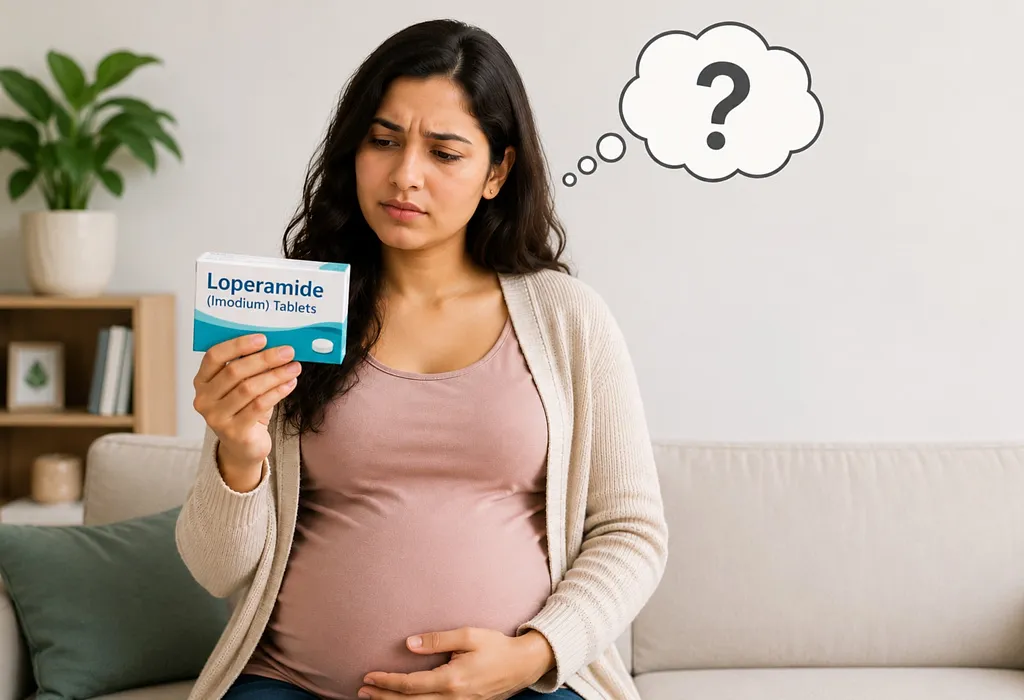
The use of the medicine loratadine in pregnancy is a common concern for women trying to find relief from sneezing, a runny nose, itchy eyes, and hives. Loratadine is a commonly available over-the-counter antihistamine, but whether loratadine for pregnant women is safe is the first question. Pregnancy is not the time to assume that every non-prescription medicine is automatically suitable, as any unsuitable medicine or excess dose could jeopardise the health of the fetus or the mom-to-be. Current evidence has not shown an increased risk of birth defects with loratadine, and the NHS states that it can be taken during pregnancy (1).
In this post, we provide all the information you need to know about loratadine during pregnancy, an over-the-counter antihistamine commonly used for allergies. You will learn whether it poses any risks to the health of your baby during pregnancy. Always consult your doctor before taking any medication, as even common drugs can have unexpected effects.
What Is Loratadine?
Loratadine is part of a medicine group called antihistamines, which are meant to reduce the effect of histamines in the human body. Histamines are an important part of why allergies occur; therefore, antihistamines are used to suppress the immune system and as allergy medication. Loratadine reduces symptoms associated with allergies, like a runny nose, watery eyes, common cold, and sneezing.
It is categorised as a category B drug by the FDA and does not represent a major teratogenic risk (2).
Is Loratadine Safe in Pregnancy?
Consuming loratadine during pregnancy can have different effects on different women. That said, the use of loratadine in pregnancy’s first, second and third trimesters is considered safe. The dose of loratadine in pregnancy will be decided by the doctor after checking the overall health status and how the pregnancy is progressing.
However, it is always better to get some knowledge before consulting a medical practitioner so you can then clarify most questions you have about it.
- According to the US Food and Drug Administration and the NHS, there are no known side effects to consuming loratadine even when you are pregnant (3) (1). But these tests were conducted on pregnant animals, and not on pregnant women.
- In any case, it will be your doctor’s opinion. They will prescribe the drug to you only if it is necessary and if the benefits of consuming the drug are more than the potential risks.
- Your doctor will be sure to understand the symptoms that may require the consumption of this drug and then decide if loratadine can work without any side effects in your body.
- Loratadine is important since it may help you sleep better and improve your mood. But it should be taken only if necessary.
- Also, loratadine causes less drowsiness in women compared to other similar antihistamines.
Pregnancy lowers your immune strength, so loratadine may be required to ward off symptoms of allergies like cold and cough. In any way, you should always talk to your doctor before its consumption.

Risks of Some Allergy Medications
The following table lists the safety and risk category of allergy medications.
| Medicine | Safe to Use in Pregnancy | Safe to Take While Nursing |
| Cetirizine |
Yes, it is safe. |
The medication passes through to milk. Occasional and small doses are OK. Prolonged use should be avoided. |
| Loratadine |
Yes, it is safe. |
Loratadine can pass through to breast milk. Minimal doses for a short period are advised. |
| Diphenhydramine |
Yes, but doctors usually do not prefer it as the first option. |
The medication can pass through into breast milk. A doctor’s consultation is advised. |
| Fexofenadine |
During pregnancy, doctors typically do not prescribe it (there are alternatives with better data). |
Fexofenadine can pass through to breast milk, and babies should be monitored for jitters or drowsiness after maternal consumption. The medication may also reduce the production of milk, particularly when used with pseudoephedrine. |
| Chlorpheniramine |
Yes (a person can take it when pregnant, but they should think about taking non-drowsy drugs first). |
Chlorpheniramine may pass through to the breast milk and cause drowsiness in the baby. Minimal doses for a short period are advised. |
| Promethazine |
Yes, although the Food and Drug Administration (FDA) has not approved it for this use, doctors may prescribe it off-label for morning sickness. |
A doctor’s consultation is advised. |
Breastfeeding and Safety of Loratadine
Loratadine is considered one of the preferred antihistamines during breastfeeding. The NHS reports that only very small amounts pass into breast milk and that it is commonly used during breastfeeding without commonly causing problems in babies (1). MotherToBaby similarly notes that the amount transferred into breast milk is low and is not likely to cause problems for most infants (4). Loratadine does not cause any side effects in breastfed babies (5).
That said, breastfeeding mothers should still monitor their baby for unusual sleepiness, poor feeding, or inadequate weight gain if they’re taking any medicine while breastfeeding.
The British Society for Allergy and Clinical Immunology recommends a minimal dose of loratadine as one of the preferred choices if an antihistamine is needed during breastfeeding (6).
Remedies to Avoid Allergies During Pregnancy
The good thing is that allergies can be prevented by taking some precautionary steps. Try some of these home remedies to reduce allergy episodes in pregnancy:
1. Minimise Exposure to Known Allergens
Knowing what triggers your allergy can be the first step in preventing it and reducing exposure. For example, you may limit time around dust, pollen, pet dander, or other known triggers when symptoms tend to worsen.
2. Keep Indoor Spaces Clean
Regular cleaning of the house will help reduce dust accumulation and other household allergens. But remember to avoid unnecessary exposure to strong cleaning chemicals just because you have to clean the house. Instead, use non-toxic cleaning items like vinegar and baking soda and ensure adequate ventilation when cleaning.
3. Use Saline Nasal Rinses or Sprays
Saline spray and nasal rinses are great in rinsing allergens from the nasal passages and relieving congestion without relying on medication. Choose a commercially prepared product or follow appropriate instructions for safe preparation.
4. Keep Windows Closed During High-Pollen Periods
If pollen triggers your symptoms, keep windows closed when outdoor pollen levels are high. Showering and changing clothes after spending time outdoors can also reduce pollen carried indoors.
5. Discuss Medicines With Your Doctor
If non-drug measures do not provide sufficient relief, speak with your doctor or pharmacist before taking an antihistamine or other allergy medicine.
FAQs
Let us look at some common questions which pregnant women generally have with regard to loratadine.
1. What if I have already taken loratadine during pregnancy?
If you have already consumed your allergy medication, including loratadine, don’t stress out! Let your doctor know about it as soon as possible. Your doctor will decide whether it is okay for you to consume it and will work out the lowest possible dose required to get the effect of the medicine. The doctor will also ensure that you consume the tablet only for the required amount of time.
2. Can consuming loratadine during pregnancy cause birth defects in the baby?
The organs of the baby are usually formed in the first trimester of pregnancy, and it is at this stage that many medicines have been shown to cause birth defects in the child. However, there is no evidence of any link between consuming loratadine during pregnancy and birth defects in the baby (7).
3. Can consuming loratadine in pregnancy cause miscarriage?
Again, there has been no evidence which shows that loratadine can cause miscarriage in women.
4. Can intake of loratadine in pregnancy cause stillbirth, preterm birth, or low birth weight in my baby?
No studies have found any correlation between loratadine and stillbirth, preterm birth, or low birth weight. However, extensive research is still required to conclude concretely.
5. Can taking loratadine during pregnancy cause learning and behavioural problems in the child?
The development of the child’s brain occurs until the later stages of pregnancy, so the consumption of a harmful drug at any time of pregnancy may cause similar problems. However, consuming loratadine in the third trimester of pregnancy or at any time during the pregnancy has not been found to have any such effects, like ADHD or autism spectrum disorder, in the child.
6. Are there any risks to my baby if the father has taken loratadine?
No, there are no risks if the father has consumed the medicine before or around the time you got pregnant.
We hope we have answered all your questions on loratadine like loratadine 10 mg in pregnancy. Loratadine has not been found to have any harmful effects on the child, even though extensive research on the topic is yet to be done. To be on a safe side, it is advised that you consult your doctor before consuming loratadine.
Also Read:
Doxinate Oral in Pregnancy
Are Painkillers Safe in Pregnancy?
Should You Take Omeprazole in Pregnancy?
Taking Labetalol in Pregnancy – Is It Safe?
Which Medicines Should Be Avoided during Pregnancy?
Was This Article Helpful?
Parenting is a huge responsibility, for you as a caregiver, but also for us as a parenting content platform. We understand that and take our responsibility of creating credible content seriously. FirstCry Parenting articles are written and published only after extensive research using factually sound references to deliver quality content that is accurate, validated by experts, and completely reliable. To understand how we go about creating content that is credible, read our editorial policy here.
- Author
- Expert Reviewer


Related Articles
-

15 Safe Home Remedies for Cough During Pregnancy
-
10 Weeks Pregnant Ultrasound Scans - Baby Size, Heartbeat, and More
-

Constipation in Pregnancy - Causes, Symptoms and Home Remedies
-
Losing Weight While Pregnant - Safe Ways & Effects
-

15 Beautiful Homemade Baby Shower Centrepiece Ideas
-

Positions of the Baby in the 9th Month of Pregnancy