Lavender in Pregnancy – Benefits, Side Effects, and Precautions
Is lavender safe during pregnancy? This guide covers its benefits for stress and sleep, plus side effects and safe usage tips.




This content has been reviewed by a qualified expert and follows the FirstCry Parenting editorial policy to ensure accuracy and reliability.
Lavender can be used during pregnancy in some forms, but it isn’t automatically safe for everyone, particularly when it comes to concentrated lavender essential oil. If you’re curious about lavender and pregnancy, you may have heard that its calming scent can help promote relaxation and sleep. However, pregnancy is also a time to be more cautious with herbs and essential oils. The NHS advises pregnant women to check with a healthcare professional before using complementary therapies, including aromatherapy oils (1).
So, before reaching for a lavender product, it’s worth understanding how it may help, what side effects to watch for, and which precautions to take. This article covers these key points to help you use lavender more safely during pregnancy.
What Is Lavender?
Lavandula Officinalis, or Lavender, is a fragrant plant native to southern France and the Mediterranean. It thrives in sunny, low-water conditions. This historically significant herb has been used for perfume and medicine for centuries. Lavender, characterised by small shrubs with purple flowers, can be cultivated in various U.S. regions (2). For optimal medicinal potency, harvest the flowers just before they open.
Is Lavender Safe to Use During Pregnancy?
Lavender can be used by pregnant women, but only when administered in controlled and limited quantities. The two most popular forms of lavender available and extensively used at present are lavender tea and lavender essential oil. In either form, precautions need to be taken as excessive use/consumption can cause health issues. The best way to go about using lavender essential oil is it to dilute 1 to 2 drops in 2 to 3 tablespoons of carrier oil (coconut, sesame, almond oil, etc.).
To know if you can use lavender oil when pregnant, it is necessary to know if you need to. There are tons of benefits you can gain from using lavender oil during pregnancy, and some of them can be extremely relaxing as well.
Benefits of Lavender Oil
Lavender oil provides a combination of various benefits, all within a single package of sorts. Here are some of lavender essential oil and pregnancy benefits:
1. Easy to Get and Apply
Numerous stores near your home or even online stores for that matter house lavender oil preparations from various brands. Applying the oil on your body is not complex since all you need to do is make sure it is diluted and it covers the right areas. A few drops of the essential oil can also be added to the bath.
2. Gets Rid of Stretch Marks
As your tummy increases in size, the stretch marks begin to get more and more evident, which might prevail after your pregnancy as well. Combining 1 to 2 drops of lavender oil with about 2 to 3 tablespoons of jojoba oil and massaging over the stretch marks can help reduce their prominence effectively.
3. Combats Stress
The aroma that emits from lavender oil is enticing and relaxing, to say the least. There is a reason why so many natural massage therapies make use of lavender oil in their regimen. Its nutrients, when infused within your body, provide a rejuvenating effect and help reduce stress substantially, keeping you calm and satisfied (3).
4. Aids Better Sleep
For mothers suffering from insomnia, there is no better remedy than a small quantity of lavender oil. That’s all that it takes to relieve any kind of depression, exhaustion or headaches that prevent you from sleeping peacefully. Leaving a tissue that has a few drops of the oil can effuse aroma within the room that can lull you to sleep (4).
5. Alleviates Labour Pains and Contractions
The pains that women experience in the first trimester can be reduced effectively by using lavender oil. Similarly, usage of lavender oil in pregnancy labour is also suggested by many women.
6. Used in Aromatherapy for Prenatal Massage
Aromatherapy makes use of the various smells emanated from essential oils to calm your mind and improve your pregnancy. Combined with a massage, this can prove to be extremely relaxing and can be combined with certain aroma cushions as well.
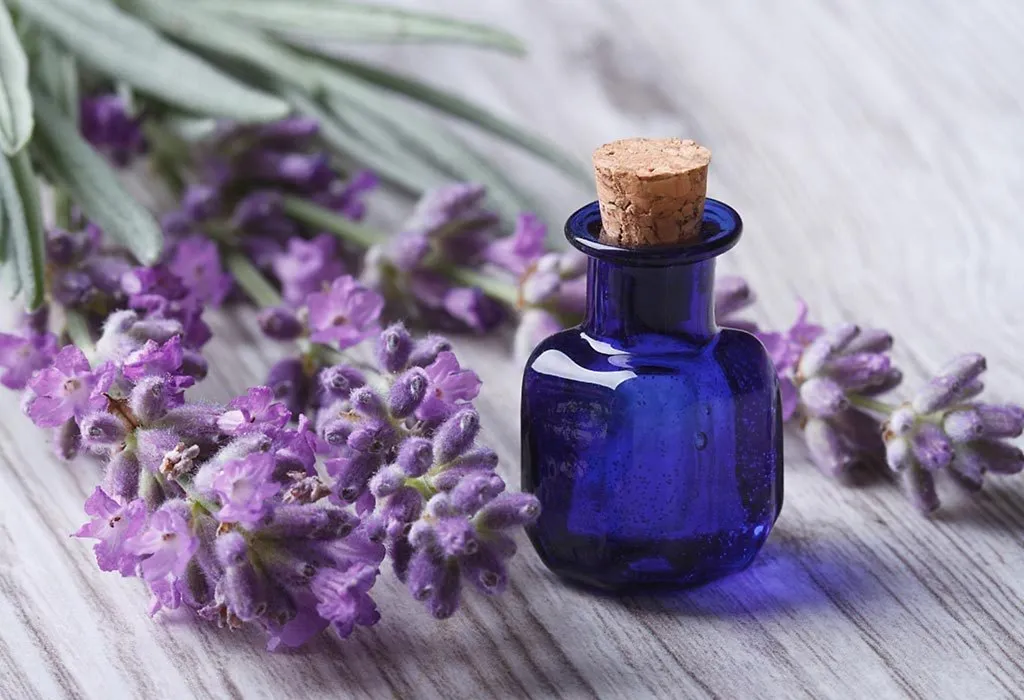
Therapeutic oils do have some benefits, but you cannot just use them blindly. Knowing if they could have side effects will help you keep yourself and your baby away from any possible harm. Read on to know the side effects and precautionary tips.
Are There Any Side Effects of Using Lavender Oil?
The application of lavender oil can cause skin irritation in some cases. It could also stimulate your hormones and could have different effects on your body. Similarly, using lavender oil in the early months of pregnancy can result in a miscarriage (5).
Cautionary Tips
Adhere to the following tips while making use of lavender oil in your pregnancy.
- Try a small quantity of diluted lavender oil initially to check for any potential allergies.
- Stay away from the Lavindin species of the flower, which is quite harmful to pregnant women.
In the article above, we have covered most things you must know about applying lavender essential oil. Now, let’s take a look at what you need to follow if you wish to make lavender a part of your pregnancy diet.
When You Should Avoid Lavender Oil in Pregnancy?
You should be especially cautious or avoid lavender oil in the following situations:
- First Trimester: Some maternity aromatherapy guidelines recommend avoiding direct contact with essential oils during early pregnancy.
- Oral Ingestion: Essential oils are highly concentrated, and oral use during pregnancy should not be undertaken without medical guidance (6).
- Allergies or Sensitivities: Topical lavender can cause allergic reactions or skin irritation in some people.
- High-Risk Pregnancies: Discuss aromatherapy with your healthcare provider first, particularly if you have conditions such as epilepsy, hypertension, or heart, liver, or kidney problems.
- Undiluted Application: Higher-concentration essential-oil exposure during pregnancy has not been adequately studied, so potential risks cannot be ruled out.
Drinking Lavender Tea While Pregnant
Some women also recommend drinking lavender tea during pregnancy to great effect. While its consumption is safe, and so is the usage of lavender as a seasoning element, the tea needs to be prepared appropriately or avoided completely. Also, tea made exclusively with lavender flowers could be harmful; therefore, go for a safer variety of tea which is flavoured with lavender.
Additionally, it’s crucial to be aware that while lavender tea is generally considered safe during pregnancy, individual reactions may vary. Therefore, it’s advisable to start with small quantities and monitor for any adverse effects. If you experience any discomfort or unusual symptoms after consuming lavender tea, consult your healthcare provider promptly. Remember, moderation is key, and it’s best to seek professional guidance regarding its consumption during pregnancy.
Are There Any Advantages of Consuming Lavender Tea?
As mentioned earlier, it is best to avoid any tea that is prepared exclusively using the lavender herb. Drinking any other tea that has the flavour of lavender can bring a soothing effect within the body, along with benefits of the actual constituent used to make the tea.
Side Effects of Drinking Lavender Tea
The side effects of drinking tea prepared directly from lavender are quite substantial. Here are some of them:
- The development of the foetus can be affected in myriad ways.
- Increased headache and constipation can be observed, as well.
- Can cause uterine stimulation and lead to abortion.
Cautionary Tips
Here are a few tips to be adhered to while consuming any kind of lavender tea:
- Choose a tea that has a lavender flavour instead of it being the main herb.
- Check with your doctor before you add lavender tea into your pregnancy diet.
- Stop drinking lavender tea if you experience issues such as a skin rash, nausea, headache, constipation, etc.
Lavender Baths and Scents When Pregnant
While further research is needed, lavender creams have demonstrated potential in addressing psychological issues during pregnancy. Preliminary findings indicate that lavender foot baths and creams can offer positive outcomes for expectant mothers, potentially reducing anxiety, depression, and stress. Lavender foot baths have also been associated with potential sleep improvement.
For those who enjoy baths, some Epsom salt blends with lavender are available and safe for use. Epsom salt baths can help alleviate muscle cramps and spasms during pregnancy (7).
Other Essential Oils to Use During Pregnancy
Some essential oils may be suitable for use during pregnancy when properly diluted and used with professional guidance. However, safety can vary depending on the trimester, method of use, and your individual health needs. Commonly considered options include (6):
- Ginger oil: May help ease feelings of nausea when used appropriately.
- Peppermint oil: Its refreshing aroma may help with occasional nausea and headaches.
- Lemon oil: Often used in aromatherapy for its fresh, uplifting scent.
- Eucalyptus oil: May provide a refreshing aroma when inhaled in appropriate amounts.
- Frankincense oil: Commonly used for relaxation and calming aromatherapy.
- Roman chamomile oil: May promote relaxation and help create a calming environment.
- Sweet orange oil: Its pleasant citrus aroma may help promote relaxation and improve mood.
FAQs
1. Is it safe to ingest lavender essential oil while pregnant?
When it comes to lavender essential oil and pregnancy, avoid ingesting lavender oil at any pregnancy stage, as it may lead to stomach upset. Inhaling its scent from a bottle, cotton ball, or tissue is safe. Ingesting the oil can irritate stomach membranes as it doesn’t dissolve in water.
2. Does the safety of lavender change as pregnancy progresses?
Yes, the considerations around lavender in pregnancy first, second and third trimester may differ because pregnancy-related changes and individual circumstances can vary across each stage. However, there is not enough evidence to establish a specific safe amount of lavender essential oil for any trimester, so it’s best to seek medical advice before using concentrated products.
3. Is lavender safe while breastfeeding?
Safety considerations continue after pregnancy, particularly if lavender is being taken orally or applied around the breast. If you’re breastfeeding, ask your healthcare provider before using concentrated lavender products, especially essential oils.
4. What should I do if I accidentally ingest lavender essential oil during pregnancy?
Do not induce vomiting unless a healthcare professional specifically tells you to. Contact your doctor, pharmacist, or local poison-control service promptly and provide the product name and approximate amount swallowed. Seek urgent medical attention if symptoms such as breathing difficulty, severe vomiting, drowsiness, or loss of consciousness occur.
The benefits that are provided by lavender essential oil during early pregnancy may not be observed in lavender tea preparations. It is important that the safety of both you and your baby are not compromised. Therefore, before including lavender in any form, you must check with your medical practitioner to be hundred percent sure it is safe for you and your baby.
Also Read:
Coconut Oil during Pregnancy
Eucalyptus Oil when Pregnant
Benefits of Tea Tree Oil While Pregnant
Using Evening Primrose Oil in Pregnancy
Was This Article Helpful?
Parenting is a huge responsibility, for you as a caregiver, but also for us as a parenting content platform. We understand that and take our responsibility of creating credible content seriously. FirstCry Parenting articles are written and published only after extensive research using factually sound references to deliver quality content that is accurate, validated by experts, and completely reliable. To understand how we go about creating content that is credible, read our editorial policy here.
1. NHS – Medicines in pregnancy
2. Encyclopedia Britannica – lavender
4. Cleveland Clinic – 6 Lavender Benefits and How To Use It
5. PubMed Central – Maternal Reproductive Toxicity of Some Essential Oils and Their Constituents
6. Mayo Clinic – Aromatherapy use and safety: What to know about essential oils during pregnancy
7. Cleveland Clinic – What To Know About Taking a Bath While Pregnant
- Author


Related Articles
-

Pinworm (or) Threadworms Infection During Pregnancy
-

Fluoride Exposure in Pregnancy: Safe Levels, Risks & What Evidence Shows
-

Apricots During Pregnancy - Benefits, Risks and Precaution
-

Compression Socks in Pregnancy - Safety & Benefits
-

Cycling in Pregnancy – Safety, Benefits, and Risks
-

Henna in Pregnancy - Is It Safe to Use?