
Hibiscus Tea During Pregnancy – Benefits, Risks, and Safety
Can you have hibiscus tea while pregnant here is a simple guide to understand safety risks and what doctors usually suggest.




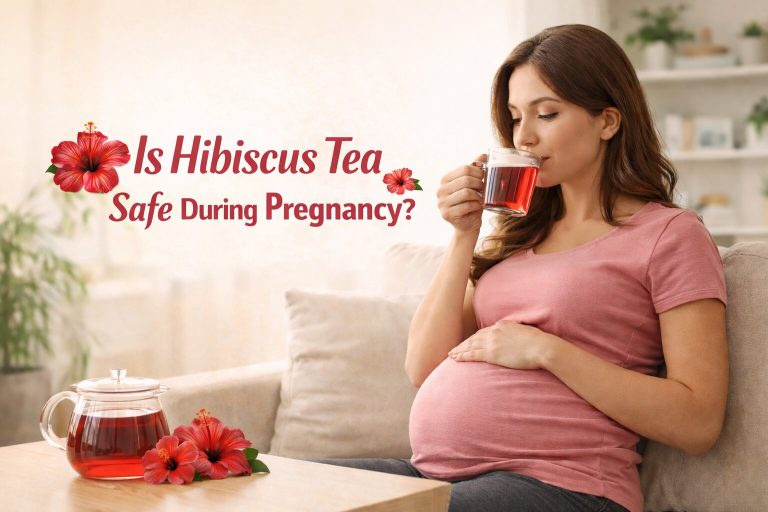
Image Credit : AI Generated Image
Professionals advise pregnant mothers to avoid raw tuna, alcohol, and certain other foods to prevent complications during pregnancy. Caffeine intake is also recommended to be limited, leading many expecting mothers to turn to herbal tea instead. Among these, hibiscus tea often stands out as a popular choice.
Fragrant, tangy, and rich in antioxidants, hibiscus tea is a popular herbal drink—but what about hibiscus tea and pregnancy? This combination often raises questions for mothers-to-be who want to enjoy their favourite beverages without compromising safety. While hibiscus tea is known for its refreshing taste and potential health benefits, consuming herbal teas like hibiscus flower tea in pregnancy may also have certain risks. Keep reading to learn more about hibiscus tea in pregnancy, its effects, and whether it’s safe to include it in your diet.
What Is Hibiscus?
Hibiscus is a flowering plant with beautiful red flowers. It is usually grown in tropical regions and has a variety of uses such as floral landscape, creating folk medicines, rope, and paper (1). The dried petals of hibiscus flowers are brewed to make hot or cold tea, making for a delicious, floral-tasting beverage.
Hibiscus tea is rich in antioxidants and is believed to fight bacteria, support weight loss, and reduce blood pressure. Liver health is also considered to be improved with hibiscus tea, and there are certain compounds in the tea that prevent cancer cells from growing in the body (2).
Is Hibiscus Tea Safe in Pregnancy?
There are several health benefits attached to the consumption of hibiscus tea. Along with its yummy flavor, it is also rich in antioxidants. However, it usually is not preferred to be consumed by pregnant ladies and lactating mothers (3). Research has been carried out on animals in 2013 that says there are certain risks of hibiscus tea for expectant mothers. Studies conducted on animals conclude that hazards, such as delayed puberty in the child and miscarriages, may happen with the consumption of hibiscus during pregnancy. Some issues such as a high risk of obesity, higher body mass index, and maternal malnutrition are observed in the offspring.
Hibiscus is meant to regulate hormones and periods. But during pregnancy, it may lead to early labour, bleeding, cramping, or even miscarriage.
Benefits of Hibiscus Tea While Pregnant
Hibiscus tea is very rich in antioxidants and is therefore attached to many health benefits. The same applies to pregnant women also. But the traditional approach towards pregnancy says that you should avoid it during the first trimester, and even after that, you should seek a doctor’s prescription before consuming it.
The conventional approach towards pregnancy states that hibiscus tea is good for pregnancy, and the following benefits derive from consuming hibiscus tea after the first trimester once pregnancy is established (2) (3) (4):
- It is believed by some universities that hibiscus has high flavonoids in it.
- It can protect you from any damage due to radical toxic elements causing diseases and degeneration of cells.
- It is beneficial in building immunity and strengthens the body systems of mother and baby as well.
- Blood pressure often shoots up in pregnancy, and hibiscus tea may regulate the same.
- It may fight infectious organisms, cleanse lymph and blood, and tone the digestive tract.
However, there is no clinical evidence supporting these benefits, so it is always advisable to consult your doctor before consuming hibiscus tea during pregnancy.
Side Effects of Drinking Hibiscus Tea When Pregnant
Hibiscus tea is not recommended to be consumed during pregnancy, especially in the first trimester. It is believed to be a reason for miscarriage and delayed puberty. Some other side effects that may occur due to drinking hibiscus tea are mentioned below:
- Shaking
- Ringing in the ears
- Headache
- Painful urination
- Nausea
- Constipation
- Gas
- Upset stomach or stomach pain
Does Hibiscus Tea Cause Miscarriage?
You should generally avoid hibiscus tea during pregnancy as it has specific harmful effects on the body, including miscarriage and delayed puberty. So, even if you need to drink tea while pregnant, it is always necessary to be cautious about the possible side effects.
How Does Hibiscus Tea Cause a Miscarriage?
Hibiscus tea is known for regulating hormones and delayed periods. But during pregnancy messing up with hormones is not a good thing since it may have the following effects:
- Consuming the tea may cause uterine contraction that may lead to miscarriage.
- Spontaneous abortions have also been reported at times due to the consumption of tea.
- The emmenagogue effect of hibiscus tea may lead to blood flow towards the uterus and cause some harmful effects.
However, the quantity of hibiscus tea is not specified. But it is always better to be safe, especially in the first trimester.
How Much Hibiscus Tea to Consume in Pregnancy?
Hibiscus tea for pregnancy should be strictly avoided during the first trimester. Even after that, you should consult the doctors before consuming the same. The reasoning is that tests on pregnant animals returned less-than-desirable results. So, if you ask your physician, “is hibiscus tea bad during pregnancy?” you would probably get an answer confirming the same. However, with the professional’s advice, you should consume no more than 2 cups a day. Simply boil 1.25 grams of the tea in water for around 5 to 10 minutes.
Is It Okay to Drink Hibiscus Tea in Any Trimester?
Hibiscus tea should be avoided during pregnancy for many reasons, as specified by researchers in various research. Especially in the first trimester, hibiscus tea should be a big no when the pregnancy is not established. Many people drink it in the last trimester to ease labour. But that should be strictly under the observation of your doctor. Though it has many health benefits, some side effects may also affect your bundle of joy.
How to Prepare Hibiscus Tea for Pregnant Women?
For all the mommies-to-be out there, drinking tea during pregnancy can be a delicious and healthy way to keep hydrated. If you’re looking for a caffeine-free option that’s bursting with flavour, hibiscus tea is a great choice. Not only is it refreshing, but it’s also packed with vitamins and minerals that are beneficial for both you and your baby. Plus, it’s super easy to make at home! Just boil some water, steep a few hibiscus flowers in it for a few minutes, add some honey if you like it sweet, and voila! You’ve got yourself a delicious and nutritious cup of hibiscus tea. So go ahead, sip away, and enjoy this beautiful journey called motherhood!
Can Hibiscus Tea Help to Induce Labor?
Hibiscus regulates hormones in the human body – the extracts from hibiscus flowers encourage and improve blood flow towards the uterus. This stimulates labor pains and may bring down the debut of your little one early on the earth. This is called the emmenagogue effect on the body.
Especially when you seem exhausted and wish to encourage labor, a cup of hibiscus tea may seem helpful. However, before undertaking any such stint, a doctor’s consultation is a must.
Should You Worry If You Accidentally Had Hibiscus or Drank Hibiscus Tea?
Uh oh, did you accidentally sip on some hibiscus tea during your pregnancy? Don’t panic just yet. While it’s true that some studies have linked excessive hibiscus consumption to negative effects on pregnancy, one or two accidental sips won’t hurt you or your little one. However, it’s always best to err on the side of caution and avoid consuming hibiscus products altogether. If you do happen to indulge, just keep an eye out for any unusual symptoms and check in with your doctor if you have any concerns. And remember, a healthy and happy pregnancy is all about balance, so treat yourself in moderation and enjoy this magical time!
Which Other Herbal Teas Are Safe and Unsafe in Pregnancy
Hibiscus and pregnancy do not go along. Like hibiscus, some other herbal teas should not be consumed in pregnancy or a particular trimester. Many of them do not come in the category of forbidden ones, but a doctor’s consultation is a must, especially the trimester-wise consumption chart.
Some of the herbal teas that are not advisable to be consumed entirely or during the particular trimester are mentioned below (5):
- Entire Pregnancy Fenugreek
- Rosemary
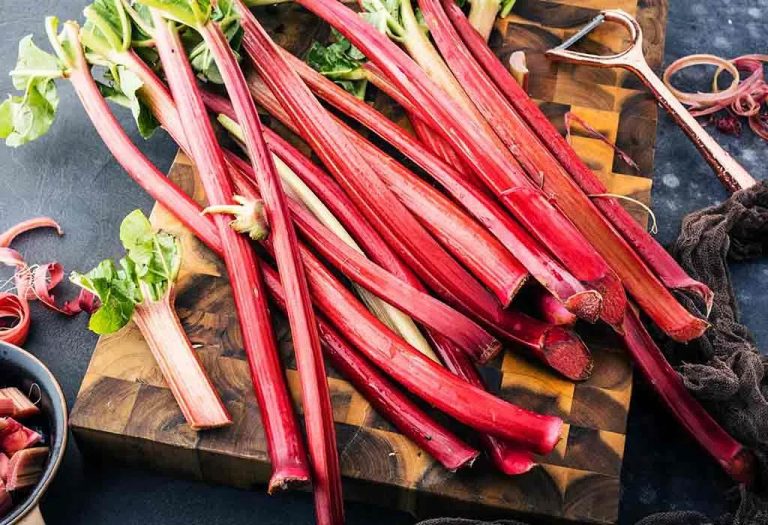
- Rhubarb
- Oregano and Basil (however, can be consumed as condiments)
- St. John’s Wort
- Fennel
- Cinnamon
- Shepherd’s purse
- Wormwood
- Angelica
- Dong Quai
- Ginseng
- Licorice
- First Trimester Chamomile
- Peppermint
- Red raspberry leaf (only in the third trimester to ease labor)
FAQs
1. Can I drink hibiscus blend with rosehip or raspberry?
A blend of hibiscus with raspberry or rosehip provides a sweet floral fragrance and light tangy taste. It makes a perfect flavour to enjoy the delicacy. All these ingredients offer anti-inflammatory and antioxidant properties that are beneficial for many health issues. The presence of Vitamin C content also adds healing properties.
2. Can I drink hibiscus tea at night, and is it okay to have it daily?
Drinking hibiscus tea at a specific limit usually is safe. There are some other products added to it as a supplement that may cause some side effects. But after having appropriate knowledge about all the products, having a cup daily may not cause harm but prove to give certain health benefits such as weight loss, improvement in liver health, and others. However, as reiterated and explained above, do not do so without the doctor’s prescription if you are pregnant.
3. Can you drink hibiscus juice during pregnancy?
In moderation, hibiscus juice is generally considered safe for pregnant women to consume. Hibiscus is a great source of vitamins and minerals, and can even help regulate blood pressure, which can be especially beneficial during pregnancy. However, it’s important to keep in mind that too much of anything can be harmful, so try not to overdo it.
4. Is it safe to drink hibiscus tea during breastfeeding?
Hibiscus tea is considered safe to drink while nursing. In fact, hibiscus is known to have a variety of health benefits, such as boosting immunity and aiding digestion, that can be especially helpful during the postpartum period. However, it’s always a good idea to consult with your doctor first.
5. What are the signs that hibiscus tea may not suit me during pregnancy?
If you experience symptoms like dizziness, stomach discomfort, or unusual cramping after consuming hibiscus tea, it may not suit your body. In such cases, stop consumption and seek medical advice.
Hibiscus tea is full of antioxidants which are highly beneficial for many health issues. But it is essential to keep all the facts clear before you consume the same in pregnancy. A doctor’s prescription and confirmation are highly recommended for drinking hibiscus tea while pregnant.
Also Read:
Drinking Kombucha in Pregnancy
Raspberry Leaf Tea during Pregnancy
Consuming Black Tea during Pregnancy
Was This Article Helpful?
Parenting is a huge responsibility, for you as a caregiver, but also for us as a parenting content platform. We understand that and take our responsibility of creating credible content seriously. FirstCry Parenting articles are written and published only after extensive research using factually sound references to deliver quality content that is accurate, validated by experts, and completely reliable. To understand how we go about creating content that is credible, read our editorial policy here.
- Author

Related Articles
-

Barley Water During Pregnancy: Benefits, Safety and How to Prepare
-
Is It Safe to Eat Rhubarb When Pregnant?
-
Can You Eat Pesto When Pregnant? Benefits & How to Eat It Safely
-
Pomegranate in Pregnancy - Benefits, Side-effects, & Tips to Consume
-
What Foods to Eat During Pregnancy for an Intelligent Baby
-
Can You Eat Tuna During Pregnancy?