

How To Increase & Reduce Amniotic Fluid In Pregnancy Naturally
Learn natural ways to increase or decrease amniotic fluid during pregnancy, including diet, hydration, and simple lifestyle tips.





Medically Reviewed By
Dr. Sabiha Anjum
(Gynecologist/Obstetrician)


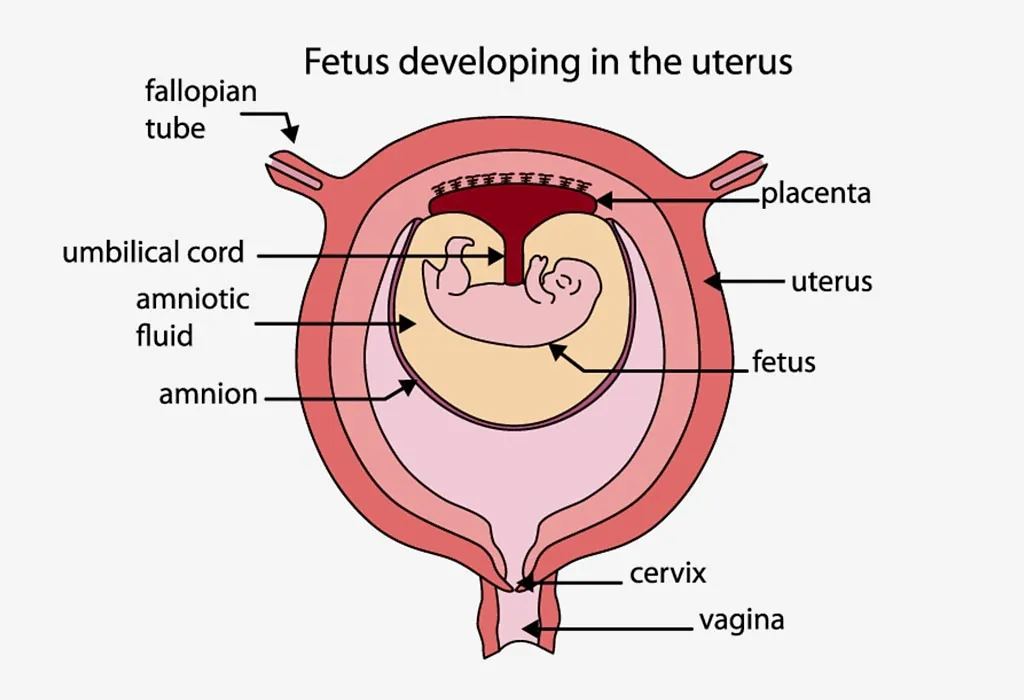
Your baby rests inside a fluid-filled sac in the uterus. This is the amniotic sac, and its fluid is known as amniotic fluid. The fluid is important for the safety and health of the foetus growing inside you. At times, however, the quantity of amniotic fluid may not be as expected, which could lead to health issues for the little life growing inside you. In this article, we shall talk about the functions of amniotic fluid, the possible causes of changes in its volume, and tips you could use to increase it. At times, when the amniotic fluid is too much, you might also look for ways on how to decrease amniotic fluid naturally. Read on to learn more about how to increase and decrease amniotic fluid naturally during pregnancy.
What Does the Amniotic Fluid Do?
Amniotic fluid is a clear or yellowish liquid substance that fills the amniotic sac, which surrounds the baby. The importance of amniotic fluid can’t be compared as it is highly essential for the baby’s growth and development (1).
The amniotic fluid helps to (2):
- Lessen the impact when the fetus bumps against the uterine walls or during a fall
- Provides buoyancy to the baby to move in the womb
- Keeps the fetus’s body temperature within the ideal limit
- Develop the digestive system and lungs of your baby
- Protect your baby from any infections
- Protects the umbilical cord from getting squeezed
If your body has too much or too little amniotic fluid, it can cause complications during pregnancy, ranging from a cracked placenta to preterm labour. When the amniotic fluid level gets high, it is called polyhydramnios, and when the level goes down too much, it is called oligohydramnios (2). Typically, the amniotic fluid index should be 8 – 18 in a normal pregnancy. While mild cases are common and manageable, it is still important to stay aware of the signs and monitor the amniotic fluid at regular intervals.
How Much Amniotic Fluid Is Needed for Normal Delivery?
The amniotic fluid index should typically be 8-18 in a normal pregnancy. During pregnancy, the amniotic sac, which is a fluid-filled sac that surrounds and protects the fetus, gradually fills with amniotic fluid (3).
During delivery, it is important to have adequate amniotic fluid to help cushion the baby and facilitate the birth process. However, the amount of amniotic fluid needed for a normal delivery can vary depending on a variety of factors, including the size and position of the baby, the mother’s pelvic shape, and the strength of her contractions.
Generally speaking, a normal range of amniotic fluid during delivery is between 500 and 1000 ml. However, a range of 800-1200 ml of amniotic fluid is also considered normal. If significantly less amniotic fluid is present during delivery, it could indicate a condition called oligohydramnios, which can increase the risk of complications during delivery, such as umbilical cord compression and fetal distress.
What Are the Causes of Low Amniotic Fluid?
When your amniotic fluid index is less than 5 six, then it’s a low level of amniotic fluid or oligohydramnios. A deficiency of amniotic fluid can affect your child’s hands, feet, lungs, limbs and, rarely, also his face. Low amniotic fluid can happen if (4):
- Your water breaks.
- You have chronic high blood pressure or diabetes.
- Your placenta moves away from the inner wall of the uterus before delivery, depriving your baby of nutrients and oxygen.
- You take medications like angiotensin-converting enzyme (ACE) inhibitors.
- Your baby has problems with the kidneys or urinary tract.
- Fetal growth is poor.
Risks of Having Low Amniotic Fluid
Low amniotic fluid, or oligohydramnios, is a condition with insufficient amniotic fluid in the amniotic sac. This can occur for various reasons and can increase the risk of several complications during pregnancy and delivery. Here are five risks associated with having low amniotic fluid:
1. Preterm labour
Low amniotic fluid levels may cause premature contractions, leading to preterm labour and delivery.
2. Fetal growth restriction
Amniotic fluid helps to cushion the baby and allows it to move around freely. Too little amniotic fluid may give the baby less space to move and grow, restricting growth.
3. Umbilical cord compression
When there is not enough amniotic fluid, the baby may be at risk of compression of the umbilical cord, leading to decreased oxygen and nutrient supply.
4. Fetal distress
Low amniotic fluid levels can cause the baby to become distressed, leading to fetal distress during labour and delivery.
5. Meconium aspiration
In some cases, when there is low amniotic fluid, the baby may pass meconium (faecal matter) into the amniotic fluid, which can increase the risk of meconium aspiration syndrome, a condition in which the baby inhales the meconium and experiences respiratory distress.
Tips to Manage Amniotic Fluid Levels
Here are some tips to increase the amniotic fluid levels during pregnancy:
1. Drink lots of water throughout the day. It’s one of the easiest ways to increase amniotic fluid volume. If you increase the amount of water in your body, the level of amniotic fluid also increases (5) (6).
2. Foods that have high water content should be on your plate. Some foods that increase amniotic fluid during pregnancy are:
- Vegetables like cucumber, lettuce, spinach, radish, broccoli, and cauliflower
- Fruits like strawberries, watermelon, tomatoes, cantaloupe/muskmelon, grapefruit
3. Avoid alcohol during pregnancy since it isn’t good for your baby’s health. Alcohol also leads to dehydration and lowers the amniotic fluid level in your body.
4. Avoid herbal supplements that function as diuretics (medicines that make you urinate more frequently). Excessive urination makes you dehydrated. So, it’s essential to stay hydrated to maintain and increase amniotic fluid levels.
5. Perform light exercises regularly. You should work out every day; even walking helps. Working out regularly during pregnancy helps increase blood flow to the placenta and uterus, thereby increasing amniotic fluid levels in your body.
6. Avoid excess and continuous stress and have plenty of rest.
7. Refrain from eating sugary or processed food items.
8. Also, make sure you don’t overeat or undereat.
Note: You should work out only if your gynaecologist hasn’t prescribed complete bed rest.
What Are the Causes of High Amniotic Fluid?
When your amniotic fluid index is in the range of 20 – 24, then it’s termed as a high level of amniotic fluid or polyhydramnios. High levels of amniotic fluid can cause placental abruptions, premature labour, postpartum haemorrhage and caesarean delivery. The causes of polyhydramnios are (7):
- Maternal diabetes
- Birth defect in the baby’s gastrointestinal tract or central nervous system
- An identical twin pregnancy complication in which one baby receives too much blood and the other too little.
- Deficiency of red blood cells in the baby
- Infections of the mother during pregnancy
- Blood incompatibilities between the mother and baby
- Fetus swallowing tissues in the womb
- Multiple pregnancy
What Complications Can High Amniotic Fluid Lead To?
Polyhydramnios can lead to the following pregnancy complications:
- Placental abruption
- C-section delivery
- Premature childbirth
- Premature rupture of membranes
- Umbilical cord prolapse
- Stillbirth
Tips to Decrease Amniotic Fluid
Here are some tips to reduce amniotic fluid during pregnancy:
- Sometimes, the amniotic fluid can increase due to a disease. Treatment of the disease will help to lower the level of amniotic fluid.
- Amniocentesis is a process used to drain the excess amniotic fluid from the body. This should be the last resort, as it can cause preterm labour and delivery.
- The doctor may put you on indomethacin. It helps reduce the amniotic fluid level and is generally prescribed 31 weeks before delivery.
When to Consult a Doctor
It is important to consult a doctor if you have concerns about your amniotic fluid levels or experience any symptoms of low amniotic fluid. Some signs of low amniotic fluid include decreased fetal movement, a decrease in the size of your uterus, and an abnormal ultrasound.
If you suspect you may have low amniotic fluid or experience any of the risks associated with low amniotic fluid, such as preterm labour, fetal distress, or meconium aspiration, you should contact your healthcare provider immediately. Additionally, if you have any pre-existing medical conditions affecting your amniotic fluid levels, such as gestational diabetes or preeclampsia, you should discuss this with your doctor and receive regular monitoring to ensure that your amniotic fluid levels remain within the normal range.
Overall, if you have any concerns or questions about how to increase and decrease amniotic fluid naturally during pregnancy or the health of your pregnancy, it is important to consult with your doctor or healthcare provider as soon as possible.
FAQs
1. Does caffeine decrease amniotic fluid?
There is limited research on the effects of caffeine on amniotic fluid levels. However, some studies suggest that consuming high levels of caffeine during pregnancy may be associated with decreased amniotic fluid levels. It is recommended that pregnant women limit their caffeine intake to less than 200 mg per day to reduce the risk of adverse effects on the pregnancy. This is one food to decrease amniotic fluid during pregnancy.
2. How can you check or determine amniotic fluid on ultrasound?
Amniotic fluid levels can be determined by ultrasound. During the ultrasound, the technician will measure the largest vertical pocket of fluid, the amniotic fluid index (AFI). A normal AFI ranges between 5 and 25 centimetres, depending on the fetus’s gestational age. If the AFI is below the normal range, it may indicate low amniotic fluid levels.
3. Does walking help to reduce amniotic fluid?
Walking has not been shown to reduce amniotic fluid levels directly. However, staying active and maintaining good hydration can be helpful during pregnancy and may contribute to overall better health and well-being for both the mother and baby. If you have concerns about your amniotic fluid levels, it is important to consult with your doctor or healthcare provider for personalised recommendations.
4. Which foods can help manage the amniotic fluid levels?
Low glycemic foods, such as millets, whole-grain oats, and brown rice, fresh vegetables, healthy fats like nuts and seeds, lean protein like tofu, pulses, and fish, can help keep the amniotic fluid levels in the ideal range.
5. Are there any natural ways to increase amniotic fluid?
Well, there are several floating home remedies to increase amniotic fluid on the internet. However, a low amniotic fluid level is a serious issue and should be taken seriously and treated by a doctor. A slight mistake with any home remedy could put the pregnancy in jeopardy. Thus, monitoring and treating amniotic fluid levels should be taken up by doctors only. That said, you can take necessary steps at home, such as following a pregnancy-friendly, low-sugar diet, keeping up with all doctor appointments, managing stress, and getting enough rest.
6. Is a normal delivery possible with a low amniotic fluid level?
Reduction in amniotic fluid levels by the end of pregnancy is normal, and if that is the case, normal delivery is possible. However, if it starts decreasing before, like in the second trimester, it could cause serious complications in the pregnancy.
7. Can a fetus survive in low amniotic fluid?
Yes, if the fetus is given proper monitoring and medical care during pregnancy on time, it can survive with low amniotic fluid. However, the timing is crucial, so the results may vary from case to case in pregnancy.
Maintaining the right level of amniotic fluid is important for a healthy pregnancy and the proper development of your baby. Both low amniotic fluid (oligohydramnios) and high amniotic fluid (polyhydramnios) can occur due to different reasons, but with proper medical guidance, they can often be managed effectively
Also Read:
Polyhydramnios
Watery Discharge in Pregnancy
Leaking Amniotic Fluid during Pregnancy
Was This Article Helpful?
Parenting is a huge responsibility, for you as a caregiver, but also for us as a parenting content platform. We understand that and take our responsibility of creating credible content seriously. FirstCry Parenting articles are written and published only after extensive research using factually sound references to deliver quality content that is accurate, validated by experts, and completely reliable. To understand how we go about creating content that is credible, read our editorial policy here.
- Author
- Expert Reviewer
 About the Author