
How Often Should You Have Sex to Get Pregnant





Medically Reviewed By
Dr. Sabiha Anjum
(Gynecologist/Obstetrician)


This health content has been medically reviewed by qualified experts and follows the FirstCry Parenting editorial policy to ensure accuracy and reliability.
Key Takeaways
- Having sex every 1 to 2 days during the fertile window is associated with the best chances of conception, although having sex 2 to 3 times a week can also be effective for many couples.
- The fertile window typically includes the five days before ovulation and the day of ovulation.
- You do not need to restrict intercourse or follow a rigid schedule to conceive.
- Having a protein- and fat-rich diet, eliminating smoking, tobacco, and any type of drugs, and having good sleep can boost chances of fertility.
- If pregnancy does not occur after 12 months of regular unprotected sex (or after 6 months if you are 35 or older), consult a doctor.
Knowing how many times we have to sex to get pregnant can help couples plan for pregnancy without making intimacy a routine task. While there isn’t a universal rule to number of times you need to have sex to conceive, having sex around ovulation (the fertile period of six days) can make a big difference. Having sex every day or every other day during this window offers the best chances of conception. As per the American Society for Reproductive Medicine (ASRM), about 80% of couples trying to conceive naturally will become pregnant within six months (1). In fact, couples who have sex two to three times a week may also have a good chance of getting pregnant. So, the next time someone asks around how often should you have sex to get pregnant, you know what to say!
Is It Necessary to Have Sex Every Day to Get Pregnant?
In the enthusiasm to conceive quickly, you might be inclined to have sex on a daily basis, and this can be fun and enjoyable for the initial one or two months. But if you do not get pregnant by then, sex every day can become a monotonous chore. The frequency with which you need to have sex will depend on factors such as the method you choose and any fertility problems that might exist. In instances of low sperm count or poor quality of sperm, having sex every day can prove counterproductive. Getting the opinion of a qualified medical professional can help you decide on what is best for you and your partner (1).
How Often Should You Have Sex When Trying to Conceive?
You will definitely need to have sex more often to optimise your chances of conceiving quickly. If there are no fertility issues with either you or your partner, having sex every day is also a good idea. But after a while, this can become a tedious task as opposed to the fun activity it once was. So, try to retain the romance and ignite feelings by doing something special for each other every now and then.
Ideal Frequency of Sex When Trying to Conceive
Here’s a quick chart about the times of intercourse to get pregnant. Remember, consistency is the key.
| Frequency | Timing | Remarks |
| 2 to 3 times a week | Throughout the cycle | Easy to plan for pregnancy without hurrying |
| Every 1 to 2 days | During the fertile window | Make the best use of the ovulation timing without undue pressure |
| Every day | During the fertile window | Usually fine if semen parameters come normal |
When to Have Sex When You Are Trying to Get Pregnant?
The best time to have sex when trying to get pregnant is during the fertile window. This window opens roughly five days before ovulation and the day ovulation occurs. Taking into account that sperm can survive for about three to five days in a woman’s reproductive tract, whereas an egg cell remains active for only roughly 12 to 24 hours after the release, it is wise to have sex in the days leading up to ovulation, so that the actively released egg can meet the sperm.
Have Sex Often During Fertile Periods
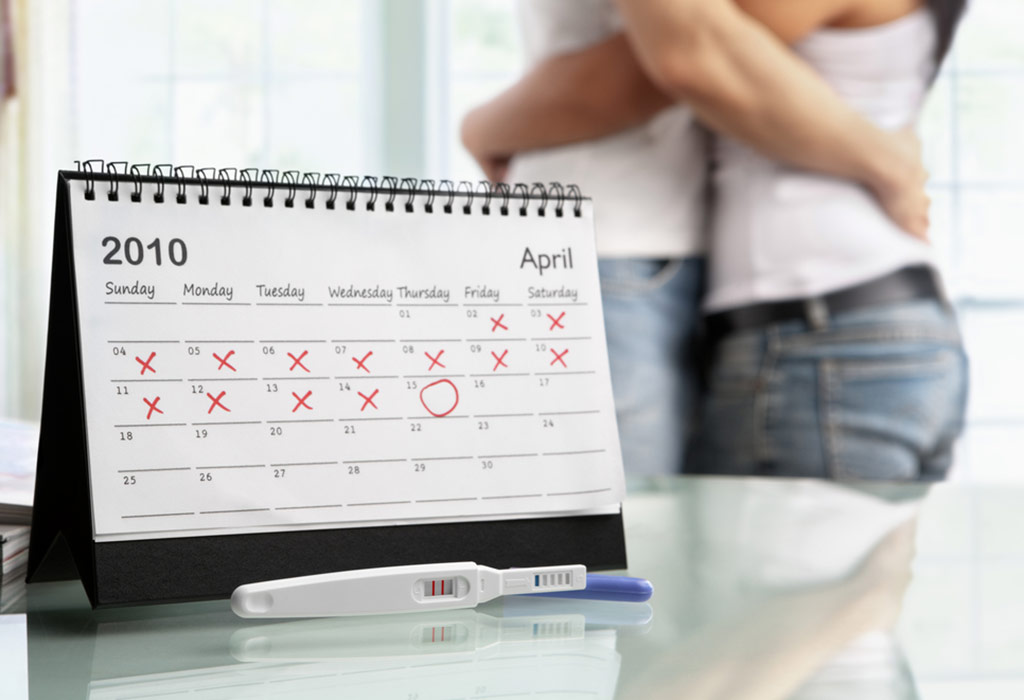
During every woman’s cycle, there are a few days when she is most fertile. Identifying this period and having sex every day during it maximises the chances of pregnancy (2). Keeping track of your menstrual cycle and marking out possible days of ovulation can be useful in increasing the odds. Usually, the five days just before ovulation are considered extremely fertile, with a 25% chance of conception during the window every month. There are plenty of ways in which you can determine when you are at your most fertile. Charting your basal body temperature, monitoring your cervical mucus, and using ovulation prediction kits can help you identify your fertile days every month. Fertility monitors and calendars are some other things you might want to use (5).

Doctors typically recommend sex every other day starting the week before ovulation, or the beginning of the end of menstruation. While the body does not work the same way every time, it’s important to remember when you had your last period, and how you should go from there (7).
Sex During Least Fertile Periods
While it is true that having sex during your fertile days increases your chances of pregnancy, it does not mean that you must simply stop having sex during the less fertile days. Though it might not directly affect conception, research indicates that having sex can modify the immune system of women in many ways, which can enhance the chances of conception (3) (4).
When to Limit Sex to Get Pregnant?
If the man or the woman is facing fertility issues and is undergoing or being evaluated for treatment, the doctor might suggest refraining from sexual activity until the tests are done. Usually, if the couple is facing issues with fertility, they are advised to have sex every day during the fertile period. According to a recent study, if ovulation is estimated to be close, having sex even twice in the same day can produce positive results, especially in the case of male infertility.
Other Tips for Trying to Get Pregnant
Keep these tips in mind when planning for pregnancy:
- Monitor your ovulation cycle and have sex a few days before ovulation, so there is enough time for the sperm to fertilise the egg.
- Don’t make sex a routine or stressful task. Keep it natural and enjoyable.
- Quit smoking, alcohol, tobacco, and all kinds of recreational drugs to boost the quality of eggs and sperm.
- Eat a healthy, well-balanced diet that is rich in protein, healthy fats, vitamins, minerals, and antioxidants.
- Focus on achieving intimacy rather than rushing to get pregnant.
- Keep stress under control, as it can hinder the fertility journey.
FAQs
1. Does age affect how often we should have sex to conceive?
Age can impact fertility, making it important to consider how often to have sex. As women age, especially after 35, the chances of conception decrease, so having sex more frequently during the fertile window becomes crucial (7).
2. How long does a sperm stay alive in the woman’s reproductive tract?
A sperm can generally stay alive in the female reproductive tract for about three to five days.
3. Should men stop masturbating for a few days to make the sperm more fertile?
No, men should not stop ejaculating. In fact, abstaining from ejaculating can reduce sperm motility. If a doctor asks for a semen analysis, men may be required to practice abstinence for two to five days, as per the doctor’s instructions.
4. How many days after sex should I take a pregnancy test?
You can take an at-home pregnancy test two weeks following ovulation or after your missed period.
5. What role does diet play in fertility?
A balanced diet rich in fruits, vegetables, whole grains, and healthy fats can support reproductive health. Certain nutrients, such as folic acid, zinc, and omega-3 fatty acids, can enhance fertility. Maintaining a healthy weight through diet can also improve the chances of conception (6).
What may start off as a fun and exciting project – making a baby – can lead to stress and have an adverse effect on your relationship with your partner if it has been more than a month or two. Having sex during your fertile period does boost your chances of pregnancy significantly. At the same time, it is also true that having sex often during each month will also eventually lead to pregnancy if there are no underlying issues. So, do what you think works best for the two of you, and if you find it difficult to get pregnant even after one year of regularly trying, seek a medical opinion without hesitation.
References/Resources:
1. NHS – How long does it usually take to get pregnant?
2. Fertility Coalition – Right time for sex
3. Tommy’s – Timing of sex for pregnancy
4. National Library of Medicine – Gender-Specific Impact of Sex Hormones on the Immune System
5. The Johns Hopkins Medicine – Calculating Your Monthly Fertility Window
6. Harvard Health Publishing – Fertility and diet: Is there a connection?
Also Read:
Sex Positions to Get Pregnant
How to Conceive Baby Fast & Easily
Best Foods That Can Boost Your Fertility
How To Get Pregnant Fast With Irregular Periods
Was This Article Helpful?
Parenting is a huge responsibility, for you as a caregiver, but also for us as a parenting content platform. We understand that and take our responsibility of creating credible content seriously. FirstCry Parenting articles are written and published only after extensive research using factually sound references to deliver quality content that is accurate, validated by experts, and completely reliable. To understand how we go about creating content that is credible, read our editorial policy here.
- Author
- Expert Reviewer


Related Articles
-

Pregnancy After Breast Cancer - Can You Conceive?
-
Faint Line on Pregnancy Test - What Does It Mean?
-
Menstruation Cycle - What It Is & How Does It Affect You
-

How to Get Pregnant with PCOS?
-

Birth Control Sponge - Use, Effectiveness, Benefits and More
-

Withdrawal Method (Coitus Interruptus) of Birth Control