
Haemoglobin Level During Pregnancy: Normal Range, Low Levels, & Ways to Increase





Medically Reviewed By
Dr. Rima Sonpal
(Gynecologist/Obstetrician)

This health content has been medically reviewed by qualified experts and follows the FirstCry Parenting editorial policy to ensure accuracy and reliability.
A haemoglobin level below 11 g/dL in the first and third trimesters, or below 10.5 g/dL in the second trimester, is considered anaemia during pregnancy, as per World Health Organization (WHO) guidelines (1). Globally, 35.5% of pregnant women aged 15-49 were estimated to have anaemia in 2023 (2), highlighting how common the condition is during pregnancy.
But what causes haemoglobin to fall during pregnancy, and how can you safely raise it? This article explains the normal haemoglobin range, signs and causes of low levels, possible risks, and diet and treatment options that can help support healthy haemoglobin levels during pregnancy.
What Is Haemoglobin?
Haemoglobin is a complex protein in the blood that helps transport oxygen and carbon dioxide to various parts of the body. Iron is the main component of red blood cells, hence the name haemoglobin: ‘haemo’ stands for iron and ‘globulin’ is the name of the protein (3). The haemoglobin level in women should range between 12 to 16 g/dl (1).
Importance of Haemoglobin During Pregnancy
When a woman is pregnant, she needs more oxygen than normal as the foetus also needs oxygen. Hence, as soon as a woman is pregnant, her haemoglobin level is estimated – the oxygen-carrying capacity of the blood directly depends on the concentration of the circulating haemoglobin.
Haemoglobin Range in Pregnancy
The normal Hb for pregnant women can vary by trimester as the body adapts to the changing demands of pregnancy. Here’s a trimester-wise breakdown of the normal haemoglobin range during pregnancy (4):
| Pregnancy Trimester | Normal Haemoglobin Range |
| 1st trimester | 11.6-13.9 g/dL (116-139 g/L) |
| 2nd trimester | 9.7-14.8 g/dL (97-148 g/L) |
| 3rd trimester | 9.5-15 g/dL (95-150 g/L) |
Why Do Haemoglobin Levels Drop During Pregnancy?
During pregnancy, fluctuations in haemoglobin levels can occur due to various factors, impacting the health of both the expectant mother and the developing fetus. Understanding why haemoglobin levels may drop during this crucial period is essential for effective prenatal care.
1. Increased Blood Volume (Hemodilution)
One primary cause of decreased haemoglobin levels during pregnancy is the expansion of blood volume. As the body adapts to support the growing fetus, blood volume increases to ensure an adequate supply of nutrients and oxygen. This dilution effect can lead to lower concentrations of haemoglobin, contributing to anaemia (5).
2. Nutrient Deficiencies
Insufficient intake of essential nutrients, such as iron, folic acid, and vitamin B12, can contribute to low haemoglobin levels. These nutrients play a vital role in red blood cell production, and a deficiency during pregnancy can impede the body’s ability to maintain optimal haemoglobin levels (6).
3. Hormonal Changes
Pregnancy induces hormonal shifts that influence the production and breakdown of red blood cells. Changes in hormone levels, particularly erythropoietin and progesterone, can impact the body’s response to anaemia, potentially leading to a decrease in haemoglobin levels.
4. Placental Demands
The developing placenta requires a substantial blood supply to support the growing fetus. This increased demand for blood can contribute to a reduction in haemoglobin levels as the body redirects resources to meet the needs of the placenta and the developing baby.
Effects of Low Haemoglobin in Pregnancy
Haemoglobin levels below 10.5 g/dl can have an impact on the health of the pregnant woman. Hence, it is important to take iron supplements during pregnancy as advised by the doctor. Here are a few side effects of low haemoglobin levels during pregnancy (7):
- You will feel exhausted
- Dizziness will become normal
- Your skin and lips will turn pale
- You will experience shortness of breath even while resting
- You will have increased heartbeats
- Your hands and feet will often be cold
- Your nails will become brittle and break easily
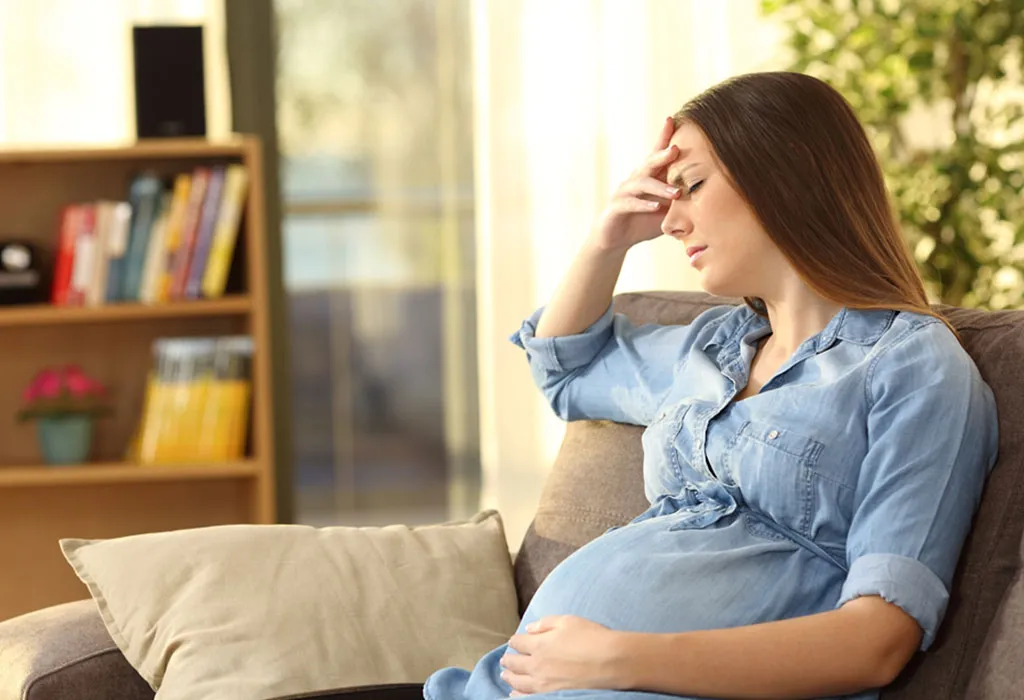
This condition can worsen with a further drop in haemoglobin. If the haemoglobin drops to 6 g/dl, then the expecting mother may experience angina. In this condition, a pregnant woman will experience severe pain in the chest which slowly moves to arms, shoulders and neck due to the insufficient flow of blood to the heart.
Are You at Risk of Decreased Haemoglobin?
As mentioned earlier, a slight fall in haemoglobin during pregnancy is normal. But if you enter pregnancy at a stage where your haemoglobin is already below normal, then you may be at a higher risk of decreased haemoglobin during pregnancy. Some of the factors before pregnancy that may contribute to this state of low haemoglobin in a woman are:
- Losing large quantities of blood during periods, especially the last cycle before getting pregnant.
- Being on a diet that is low in iron content.
- Having donated blood just before pregnancy.
- Failing to absorb iron properly.
- Getting pregnant soon after your last delivery.
There are 3 kinds of haemoglobin issues you might face during pregnancy:
- Iron-deficiency anaemia – this occurs when the body does not have enough iron to produce optimum haemoglobin (8).
- Folate-deficiency anaemia – The body needs folate to produce more RBCs, which help transport oxygen to the tissues of the body. Not eating enough green leafy veggies can cause folate-related issues with haemoglobin (9).
- Vitamin B12 deficiency – The body also needs enough vitamin B12 to form healthy red blood cells. Having a diet lacking in the vitamin can cause issues that directly affect haemoglobin levels (10).
How to Increase Haemoglobin in Pregnancy?
If your haemoglobin is low during pregnancy, making a few changes to your diet and daily routine can help support your iron levels. Here are some simple ways to support healthy haemoglobin levels:
- Include iron-rich foods as part of your daily diet.
- Include vitamin C to support better iron absorption.
- Take iron supplements as advised by your doctor.
- Limit tea and coffee around mealtimes to support iron absorption.
Food to Increase Haemoglobin During Pregnancy
Including a variety of iron-rich foods can help support healthy haemoglobin levels during pregnancy. You can include the following food groups in your diet (11):
- Animal sources: Lean meat, poultry, fish, and eggs.
- Plant sources: Leafy green vegetables, lentils, beans, and legumes.
- Nuts and seeds: Nuts, seeds, and nut butters.
- Grains and cereals: Whole grains and iron-fortified cereals.
- Dried fruits: Raisins, apricots, and other dried fruits.
- Vitamin C-rich foods: Citrus fruits, guava, amla, tomatoes, and bell peppers.
What Causes High Haemoglobin in Pregnancy?
Haemoglobin levels during pregnancy may arise due to conditions related to the heart, lungs, and kidneys. Haemoglobin in a pregnant woman may also rise due to:
1. Dehydration
If there is a decrease in fluid or water intake during pregnancy, you may experience a sudden rise in haemoglobin. The same comes under control the moment your fluid intake increases.
2. Erythrocytosis
In this condition, a sudden rise is seen in red blood cells. During pregnancy, if, for some reason, the body fails to meet the oxygen demand of various tissues, there is an increase in the production of red blood cells. This obviously increases the haemoglobin levels in the body (12).
3. An Overdose of Iron Supplements
A rise in the iron level in the body results in a sudden increase in haemoglobin levels. Hence, do not take iron supplements without consulting your doctor.
4. High Altitude Exposure
Pregnant women residing in or travelling to high-altitude locations may experience an increase in haemoglobin levels. At higher elevations, there is reduced oxygen availability in the atmosphere, prompting the body to produce more red blood cells to compensate for the lower oxygen levels. This physiological response can lead to elevated haemoglobin levels during gestation.
5. Smoking During Pregnancy
Smoking tobacco during pregnancy is associated with various adverse effects, including a potential increase in haemoglobin levels. The toxins in cigarette smoke can lead to reduced oxygen supply to tissues, triggering the body to produce more red blood cells. This compensatory response can result in elevated haemoglobin levels and poses additional risks to both maternal and fetal health (13).
What Are the Effects of High Haemoglobin During Pregnancy?
You may be surprised, but high haemoglobin levels during pregnancy can be quite dangerous. Here are some unwanted outcomes of high haemoglobin during pregnancy (14):
- It increases the chances of low birth weight or LBW.
- During the 1st and 2nd trimester, it can result in foetal SGA (small for gestational age).
- If the haemoglobin level goes above 14 g/dl during 2nd trimester, it may indicate preeclampsia.
- Increase in the thickness of blood can directly affect the flow of blood in the body of the mother. As a result, the blood may not reach the placenta, and that will obviously hamper the healthy development of the baby.
How Is High Haemoglobin Treated During Pregnancy?
There is no prescribed home remedy for high levels of haemoglobin during pregnancy. This must be treated by an expert as and when they deem fit. You will be monitored closely by a specialist who will decide the treatment pattern based on your symptoms.
When to Call the Doctor?
Consider the following guidelines for consulting a doctor regarding haemoglobin levels when pregnant:
1. Abnormal Test Results
In the case of abnormal results from routine blood tests showing low haemoglobin range in pregnancy, seeking guidance from a healthcare professional is crucial to determine the cause and appropriate treatment.
2. Routine Prenatal Care
It is advisable for pregnant women to undergo routine prenatal care and periodic blood tests to monitor haemoglobin levels throughout the pregnancy.
3. Anaemia Symptoms
If a pregnant woman encounters symptoms like fatigue, weakness, dizziness, or shortness of breath, consulting a doctor is essential, as these may indicate low haemoglobin levels.
4. Dietary Concerns
Pregnant women lacking a balanced diet or with specific dietary requirements should consult their doctor to ensure they receive the necessary nutrients for maintaining healthy haemoglobin levels.
5. Previous Anaemia History
Women with a prior history of anaemia or low haemoglobin in a previous pregnancy should communicate their concerns to their healthcare provider.
6. Underlying Medical Conditions
Pregnant individuals with pre-existing medical conditions such as sickle cell disease or thalassemia, which may lead to low haemoglobin levels, should consult their healthcare provider for proper management.
FAQs
1. Is low haemoglobin in pregnancy common?
Yes, low haemoglobin levels during pregnancy are relatively common. Approximately 20% of pregnant women worldwide experience anaemia or low haemoglobin levels, which can have various implications for maternal and fetal health.
2. Can high haemoglobin lead to miscarriage?
While high haemoglobin levels are not directly linked to miscarriage, they may indicate underlying health issues. It is crucial to identify and address the specific causes of elevated haemoglobin, such as dehydration, erythrocytosis, or smoking, to ensure a healthy pregnancy.
3. How much Hb is required for normal delivery?
The required normal Hgb in pregnancy for a normal delivery can vary among individuals. Generally, a Hb level of 10 grams per deciliter (g/dL) or higher is considered adequate for a normal delivery. However, individual health conditions and circumstances may influence the optimal Hb level, and healthcare providers monitor and assess each case accordingly.
4. Which foods may affect haemoglobin level during pregnancy?
Foods and beverages that may affect iron absorption during pregnancy include tea, coffee, calcium-rich foods, dairy products, and foods high in phytates and polyphenols.
To enjoy your pregnancy to the fullest, keep a watch on what you eat, listen to your body and especially to your doctor. In case of the slightest doubt, consult your doctor immediately.
Also Read:
FSH Levels while Pregnant
Low Lymphocytes in Pregnancy
Ways to Increase Haemoglobin levels during Pregnancy
Was This Article Helpful?
Parenting is a huge responsibility, for you as a caregiver, but also for us as a parenting content platform. We understand that and take our responsibility of creating credible content seriously. FirstCry Parenting articles are written and published only after extensive research using factually sound references to deliver quality content that is accurate, validated by experts, and completely reliable. To understand how we go about creating content that is credible, read our editorial policy here.
2. World Health Organization – Anaemia in women and children
3. Encyclopedia Britannica – hemoglobin
5. Mayo Clinic – Iron deficiency anemia during pregnancy: Prevention tips
6. Apollo Fertility – The Impact of Vitamin Deficiencies on Pregnancy and Baby’s Health
7. Cleveland Clinic – Low Hemoglobin
8. Mayo Clinic – Iron deficiency anemia
9. Cleveland Clinic – Folate Deficiency Anemia
10. Cleveland Clinic – Vitamin B12 Deficiency
11. Mahatma Gandhi Medical College & Hospital – How to Increase Hemoglobin Naturally
- Author
- Expert Reviewer


Related Articles
-
High Blood Pressure (Hypertension) While Pregnant
-

DVT (Deep Vein Thrombosis) in Pregnancy - Causes , Risks, & Treatment
-

Biophysical Profile: Purpose, Procedure, and Risks
-

5 Shampoos to Avoid During and After Pregnancy
-

Can Cats Sense Pregnancy? Know the Facts
-
Pregnant Woman Rubbing Her Belly – What Does It Mean?