
Can You Get Pregnant Without a Period? Know the Facts
Understand how pregnancy can occur without periods and what it means for ovulation and fertility health.





Medically Reviewed By
Dr. Shruti Kainth
(Gynecologist/Obstetrician)

This content has been reviewed by a qualified expert and follows the FirstCry Parenting editorial policy to ensure accuracy and reliability.
‘Can you get pregnant without a period?’ is a question many of us must have thought about. Many women battle the problem of absent or irregular periods and thus may face difficulties in getting pregnant. But this does not mean that such women cannot get pregnant. Even if you don’t get your period regularly, it is very much possible that you may get pregnant. While it is possible to become pregnant without periods, it is highly unlikely. If you aren’t getting your period, this is a good reason to visit your gynaecologist. This can happen because of various common and unusual causes, including breastfeeding, taking medicines, being underweight, using birth control, and more.
Link Between Periods and Conception
Questions like ” Can I get pregnant without a period often come to our minds while trying to conceive. Having your period indicates that your reproductive system is functioning. However, just having a period does not guarantee that you can get pregnant. The female reproductive system is very difficult to understand. Let us see how periods and conception are linked.
As you start your monthly period, your ovaries start developing an egg. The egg continues to mature inside a follicle for 12 to 14 days (the exact number may vary). Once the egg is fully mature, the follicle bursts open, and the ovary releases the egg. This process is called ovulation, and the egg thus released is only potent for 12 to 24 hours. Can you only get pregnant during ovulation? Yes, if you engage in sexual intercourse with your partner within five days after ovulation has taken place, there are chances that fertilisation may take place. This happens because the sperm can stay alive inside the female reproductive system for up to five days. Once the sperm meets the egg, the egg gets fertilised, and you can become pregnant (1).
Once the ovulation cycle is over, the hormone progesterone signals your uterus to prepare for the embryo that will implant itself in the uterine lining. The uterine lining is called endometrium, and it keeps getting thicker for 10 to 15 days. In case you get pregnant, the embryo implants itself in the uterine lining within 7 to 10 days after ovulation. Various hormonal changes begin to occur in your body as it prepares for pregnancy. However, if there is no fertilisation, estrogen and progesterone levels drop, signalling the uterus to shed its lining, or endometrium. The shedding of the uterine lining is your monthly period. After this, your body prepares for the same process again (2).
Is It Possible to Ovulate and Get Pregnant Without Menstruation?
Can you conceive without a period? Yes, it is very much possible to ovulate and get pregnant without your periods. This is most likely the case with women who face the problem of irregular periods. It is important to understand that ovulation is important for getting pregnant, and if you have your period regularly, then you would be ovulating regularly too. This means you can get pregnant. However, women who have irregular periods need to be evaluated to find the cause of irregular menstrual cycle, like PCOD and hyperprolactinemia, which can be treated with ovulation induction by a gynaecologist. So if you are wondering can pregnancy occur without menstruation, the answer is yes.
While the end of your cycle is indicated by the presence of periods, there are no signs to clearly indicate that your ovulation cycle has begun. It’s possible to ovulate and not know about it at all. In fact, if you’ve been pregnant for a while, you probably wouldn’t come to know of it immediately, since you’ve had irregular periods anyway! This is also why you shouldn’t really depend upon your lack of regular menstrual cycles as a form of birth control if you’re not looking to get pregnant.
What Are the Causes for Absent Menstruation?

If you aren’t getting your period or they aren’t regular, here are a few possible causes for the same:
1. Breastfeeding
Many women who practise exclusive breastfeeding may not get their periods as long as they are breastfeeding their babies. However, this is something that depends on your body; your periods may or may not begin while you’re breastfeeding (3).
2. Using Birth Control Methods
Certain birth control methods, such as birth control pills, may interfere with the regularity of your periods. It is important that your doctor explains this to you before prescribing any such methods of birth control that may affect your menstruation (4).
3. Chances of Pregnancy
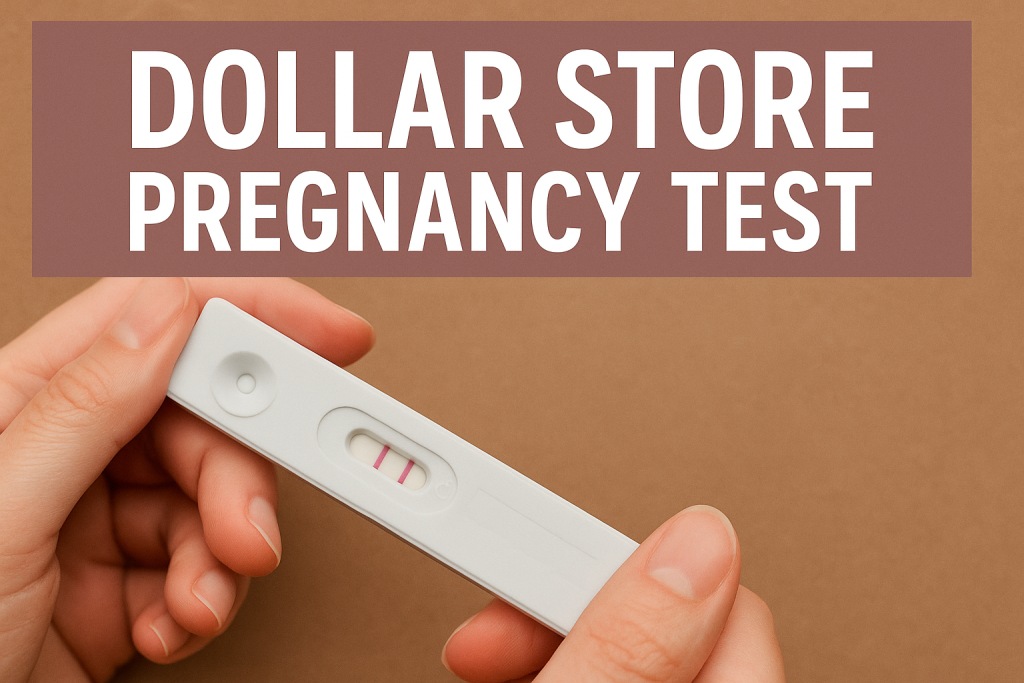
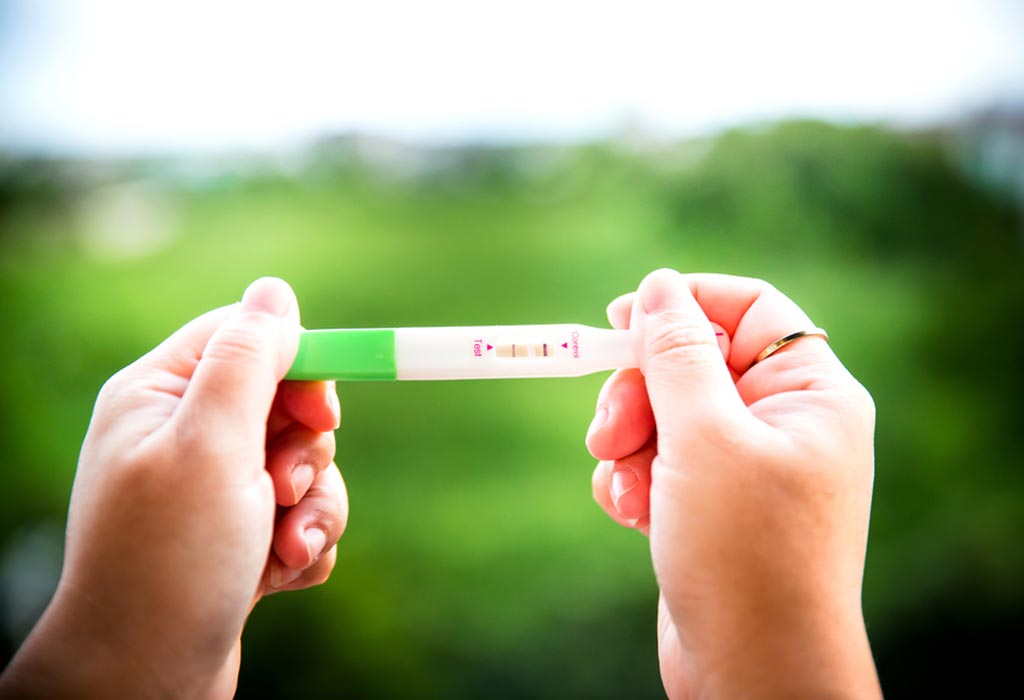
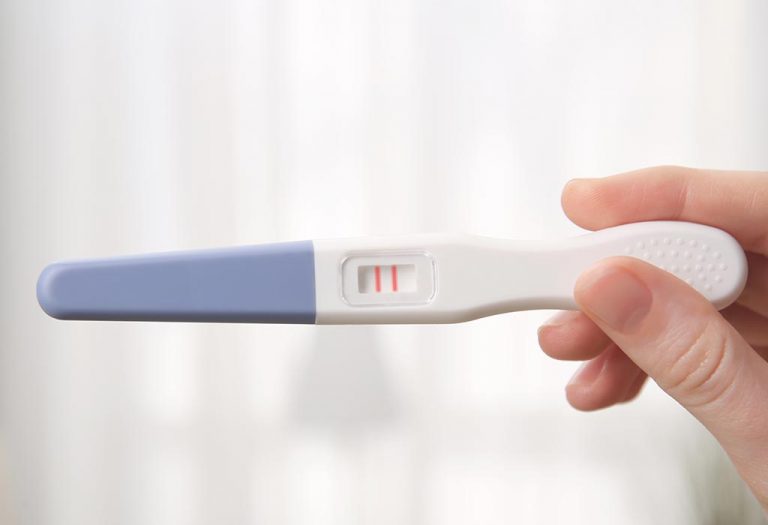
If you have irregular periods and all of a sudden you are not getting your period at all, then there is a great possibility that you are pregnant. Get a test done to confirm (5).
4. Being Overweight or Obese
Obesity is one of the main reasons for irregular periods and infertility. It would be a good idea to exercise and lose some weight to regulate your monthly cycle.
5. Taking Certain Medications
Apart from birth control medication, there are other medications that may stop your periods. These may include medication for blood pressure, allergy, psychiatric drugs, etc.
6. Having Hormonal Imbalance
Some conditions, such as diabetes, thyroid imbalance, endometriosis, etc., may affect the hormonal balance of the body, resulting in irregular periods (6).
7. Being an Athlete
It may sound strange, but women athletes may have problems with a regular menstrual cycle. This is because athletes have muscular bodies and very little fat in their bodies. A lesser amount of fat in the body can make periods irregular. Also, excessive exercising may also interfere with the regularity of your periods.
8. Having PCOS
PCOS, or polycystic ovarian syndrome, is one of the major reasons for irregular periods and infertility (7).
9. Experiencing High Levels of Stress
In case you are extremely stressed, your periods might be affected. You may experience irregular periods or, in some cases, your periods may stop for months. It is very important that you keep your stress levels under control (8).
10. Having POI
POI or primary ovarian insufficiency, which is also called premature ovarian failure, is a condition that may make your periods stop for a long time. In some cases, a woman with POI may not have her periods for months or even years.
11. Having Problems Related to the Uterus
Sometimes, a uterine surgery or a D&C may make your periods irregular. This happens due to the scarring of the uterus during the surgical procedure.
12. Entering Menopause
It is very common for women who are entering menopause to have irregular periods. Early menopause may sometimes be the cause of your lack of periods or your irregular periods, too.
What If You Want to Get Pregnant But Are Not Getting Your Periods?
For this, it’s best you seek medical advice at the earliest. If you are less than 35 years of age, your doctor may ask you to try for a year before suggesting any fertility evaluation test.
If you are not getting your period regularly, it is suggested that you get a thorough check-up done in order to establish the exact cause behind it. On the basis of the evaluation, your doctor will recommend the right course of treatment. It is very important that you get in touch with your doctor if your menstrual cycle seems to be irregular, and ask about the reasons for it. Your doctor will guide you and let you know what can be done to get your periods back on track.
Can You Get Pregnant With Prolonged Amenorrhea?
Can you get pregnant without having a period for over a year? Hmm… let’s see.
Amenorrhea means not having periods for a few months or more. If you’ve had periods before and they stop for over three months, it’s called secondary amenorrhea (9). This usually happens due to factors affecting how the ovaries function. There could be several different reasons behind this, such as hormonal imbalances, medical conditions, medications, or major lifestyle changes.
But what could be the possible causes of long-term absence of periods? Sometimes, the ovaries may stop working properly before the age of 40, a condition called primary ovarian insufficiency. Other issues like tumours, infections, or illnesses can also delay ovulation and periods. Lifestyle changes like sudden weight loss, high stress, or excessive exercise can also stop periods for a long time.
If your periods stop or become irregular, it’s important to consult a doctor. They can identify the root cause and suggest treatments or therapies to restore normal cycles. In some cases, hormonal birth control may be used to regulate bleeding, but it usually prevents ovulation while you’re taking it.
FAQs
1. How do I know if I’m pregnant without periods?
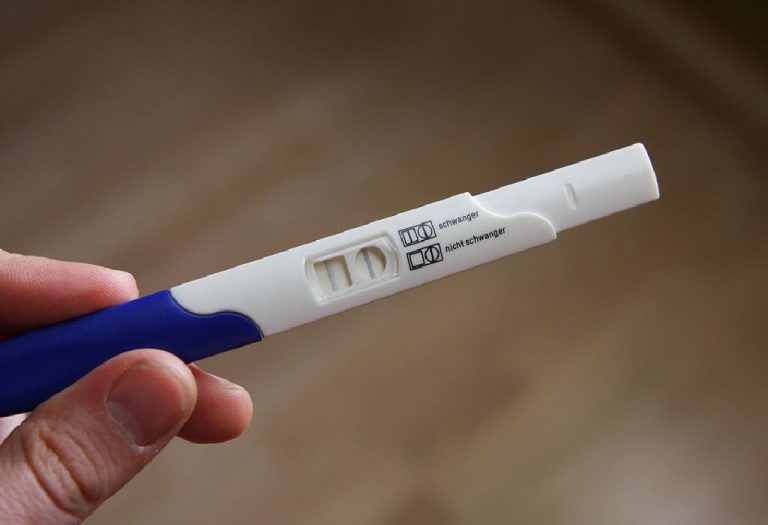
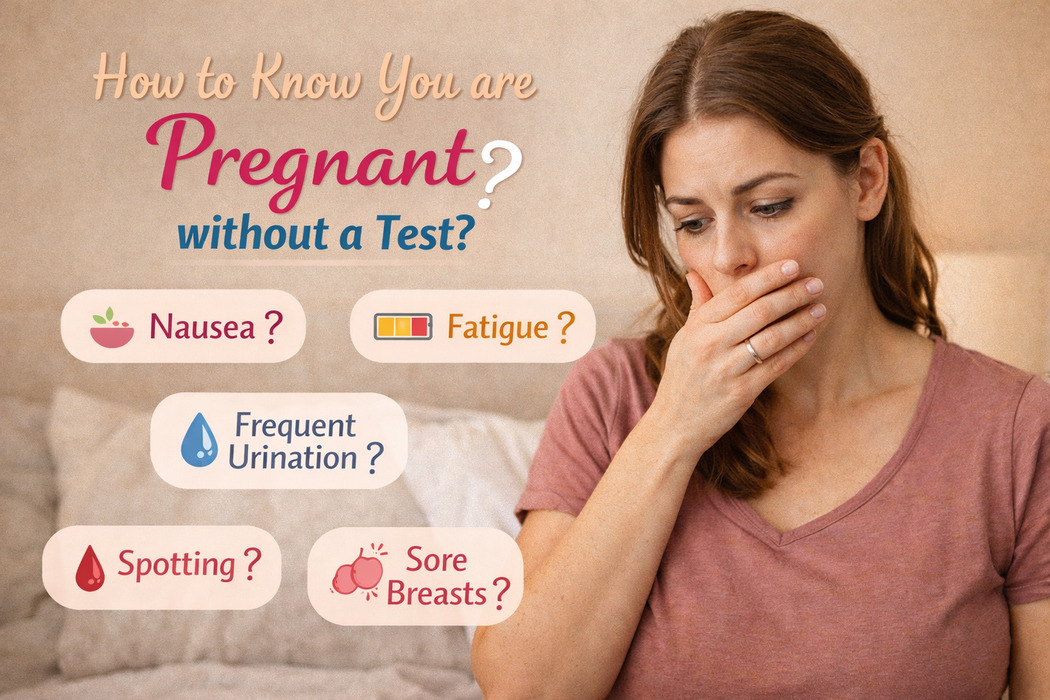
Other than using a home pregnancy test, you can look for pregnancy symptoms, like nausea and morning sickness, apart from missing periods. See a doctor if you still aren’t sure you’re pregnant after taking a home test. A urine or blood test can confirm the pregnancy, and the next steps in your prenatal care can be discussed.
2. Do you always ovulate if you don’t have periods?
Well…not always. There are some cases where many women without periods may not ovulate regularly. But occasional ovulation can still happen, which can make pregnancy possible.
3. Can stress affect my chances of getting pregnant if I have irregular periods?
Yes, stress can make it harder to get pregnant. When you’re stressed, your body produces more cortisol, which can disturb the hormones needed for ovulation. This may lead to irregular periods and a reduced chance of releasing an egg. If stress continues for a long time, it can lower your chances of conceiving.
4. Can you get pregnant before your first period returns?
Yes. Ovulation happens before a period, so you could get pregnant even before noticing your first cycle after a long gap.
Many women have successfully conceived even after long gaps in their periods. If the ovaries still function and ovulation occurs, pregnancy is possible. For any doubt, consult your doctor.
Also Read:
How to Get Pregnant Fast with Irregular Periods
Early Pregnancy Symptoms before Missed Period
Chances of Pregnancy Before, During and After Periods
Was This Article Helpful?
Parenting is a huge responsibility, for you as a caregiver, but also for us as a parenting content platform. We understand that and take our responsibility of creating credible content seriously. FirstCry Parenting articles are written and published only after extensive research using factually sound references to deliver quality content that is accurate, validated by experts, and completely reliable. To understand how we go about creating content that is credible, read our editorial policy here.
1. Mayo Clinic – Using ovulation tools to predict fertility
2. Cleveland Clinic – Menstrual Cycle
3. Mayo Clinic – Menstrual cycle: What’s normal, what’s not
4. NHS – Missed or late periods
5. Cleveland Clinic – Am I Pregnant?
6. Cleveland Clinic -Irregular Periods
7. Cleveland Clinic – Polycystic Ovary Syndrome (PCOS)
8. Cleveland Clinic – How Stress Can Impact Your Menstrual Cycle
- Author
- Expert Reviewer