

Foods to Avoid While Breastfeeding to Prevent Colic
A helpful guide to foods that may trigger colic in breastfed babies and how moms can adjust their diet gently.





Medically Reviewed By
Shyamala Sathiaseelan
(Lactation Educator and Counselor)

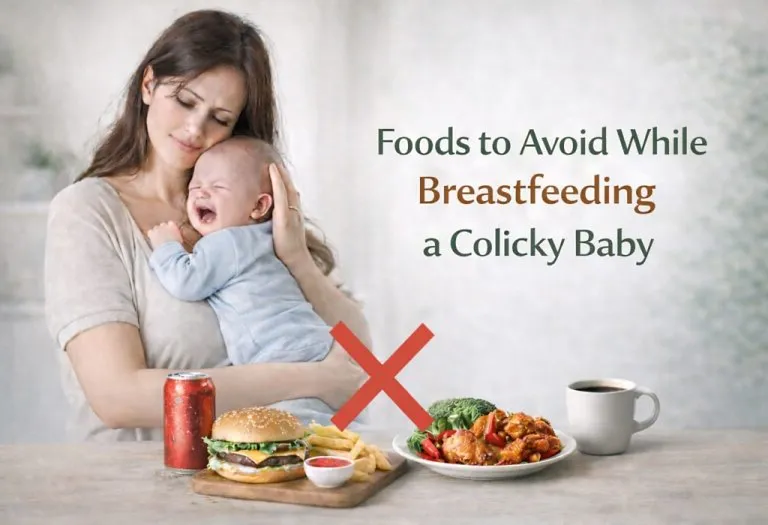
Image Credit : AI Generated Image
Motherhood is one of the most wonderful experiences in a woman’s life, but this phase may turn into a nightmare if your baby cries incessantly on a regular basis. In most cases, the reason for this frantic crying is colic. Colic usually affects younger babies, a few weeks after birth, 2 weeks, and subsides as they grow older (about 3 or 4 months of age) (1). The crying bouts usually occur during late afternoons or evenings, and the symptoms may include high-pitched wails, clenched fists, a tense body, and pulled knees towards the tummy (2). One possible, though unconfirmed, reason is the food a mother consumes, which may cause gas in a baby.
However, it is important to note that a breastfeeding mother can consume anything in moderation as long as the baby is not in discomfort. Since the exact cause of colic is unknown, a baby being fussy and cranky may not be related solely to a mother’s diet, but to numerous other factors as well (3). Mothers can maintain a food log and note items they ate which may have caused gas in the baby after they consumed them, make a list of colic foods to avoid while breastfeeding and take action accordingly.
Why Should a Nursing Mother Avoid Foods That Could Cause Colic?
Your baby’s sole source of nutrition up until six months of age is almost always breast milk or formula. Both breastfed and formula-fed babies experience colic at similar rates, impacting approximately one-third to one-fifth of all infants. Furthermore, there is currently no definitive proof linking any specific factor to the cause of this condition. Nevertheless, some studies have shown that adjusting the mother’s diet may help prevent or reduce colic in some babies.
Sometimes, your little one can be intolerant or allergic to certain food items that you may be consuming, and under such circumstances, your baby may suffer. Therefore, you may need to identify the foods that could cause colic in babies and remove them from your diet.
According to the American Family Physician, a systematic review of randomised controlled trials (RCTs) suggested a potential therapeutic advantage of removing dairy products, eggs, wheat, and nuts from the diets of breastfeeding mothers (4).




Foods and Drinks to Avoid While Breastfeeding a Colicky Baby
The traces of certain foods may enter the breast milk or change its taste, resulting in a baby’s opposite reaction, making them uncomfortable and colicky. Here are some foods to avoid while breastfeeding in excess, or mothers should maintain their distance from:
1. Aerated Beverages
Aerated drinks contain high amounts of caffeine and other chemicals, which can dehydrate the mother, leading to a reduction in milk supply due to dehydration. Instead, opt for natural fruit juices or lemonades.

2. Caffeinated Beverages and Chocolate
Tea and coffee, or any other caffeinated beverages, are one of the top foods to avoid while breastfeeding to avoid colic, as they are known to cause gas and bloating in consumers. These stimulants can pass into breastmilk and may increase irritability or sleep disturbances in babies (2). However, if you cannot go without tea or coffee, consult your doctor about the decaf and the ideal quantity you should drink.

3. Legumes
Legumes, such as kidney beans, soy, etc., are known to cause gas in the consumer. Mothers may want to avoid consuming them in bulk to avert colic in babies, possibly.

4. Energy Drinks
Energy drinks are filled with high levels of caffeine, chemicals, and colours that are not healthy for any person. Breastfeeding mothers may want to stay clear of such drinks as they could possibly cause gas in their babies’ tummies, leaving them uncomfortable.

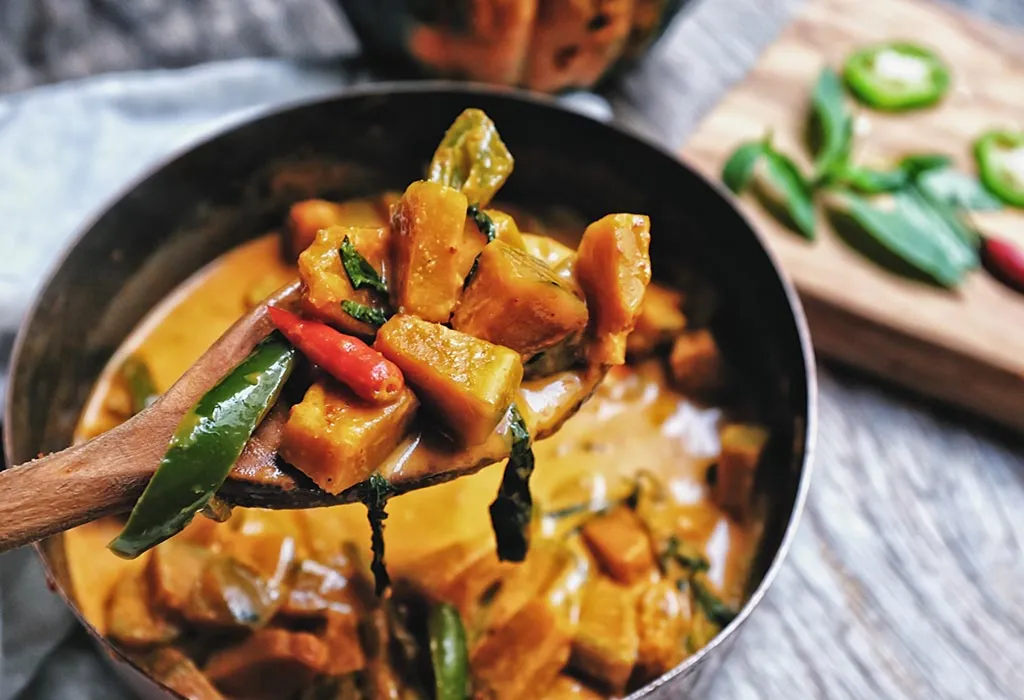
5. Hot and Spicy Food
Hot and spicy foods are enjoyed by many. However, it is a good idea to stay away from such food items during breastfeeding as they could bring about changes in the flavour of the breast milk and trouble the baby’s digestive system.
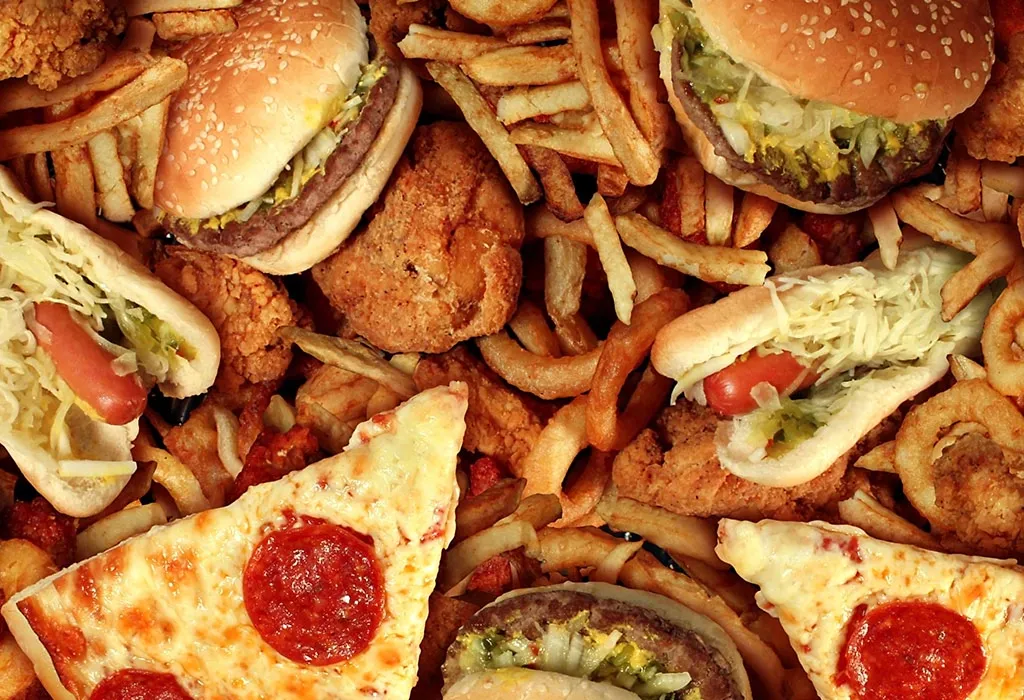
6. Junk Food
Junk food is not only low in nutrition but also bad for the health of your baby because of all the preservatives it contains. Consuming it on a regular basis can affect you and your baby’s digestive system and lead to colic and other harmful health conditions. Moderate consumption is always recommended.
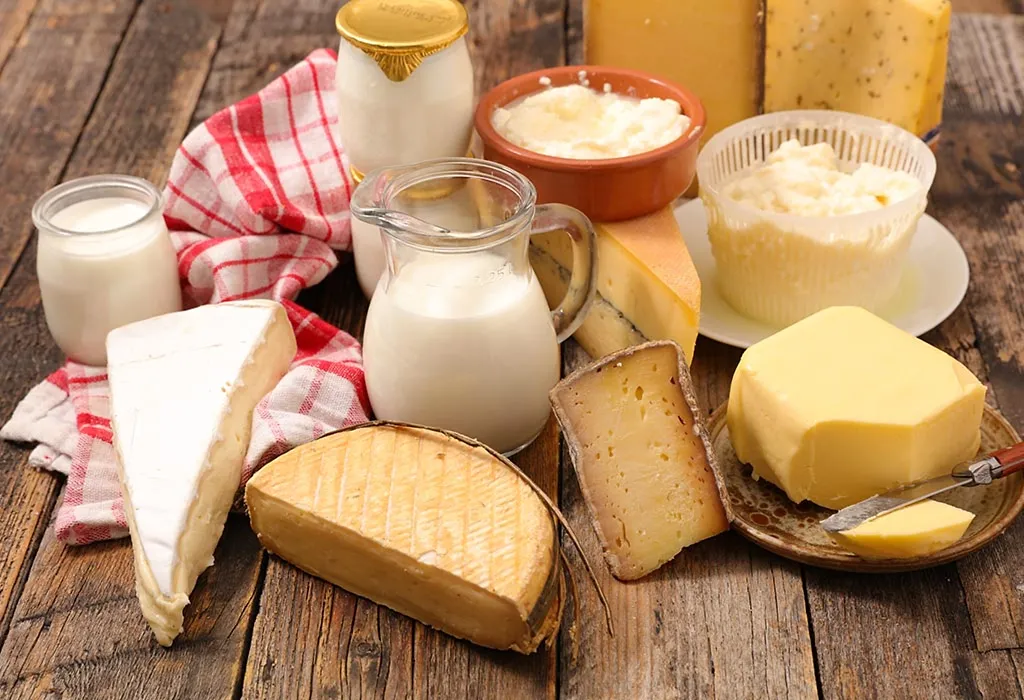
7. High Amounts of Dairy
If your baby has lactose intolerance or cow’s milk allergies or is sensitive to dairy protein, they may exhibit increased fussiness or colic symptoms (5). Cow’s milk allergy is quite common in childhood as well as infancy during breastfeeding (6). Thus, removing cow’s milk and its products from the mother’s diet may reduce a baby’s colic. In an unblinded study, when breastfeeding mothers’ diet was excluded from cow’s milk, colic disappeared in 13 of 18 infants (7).
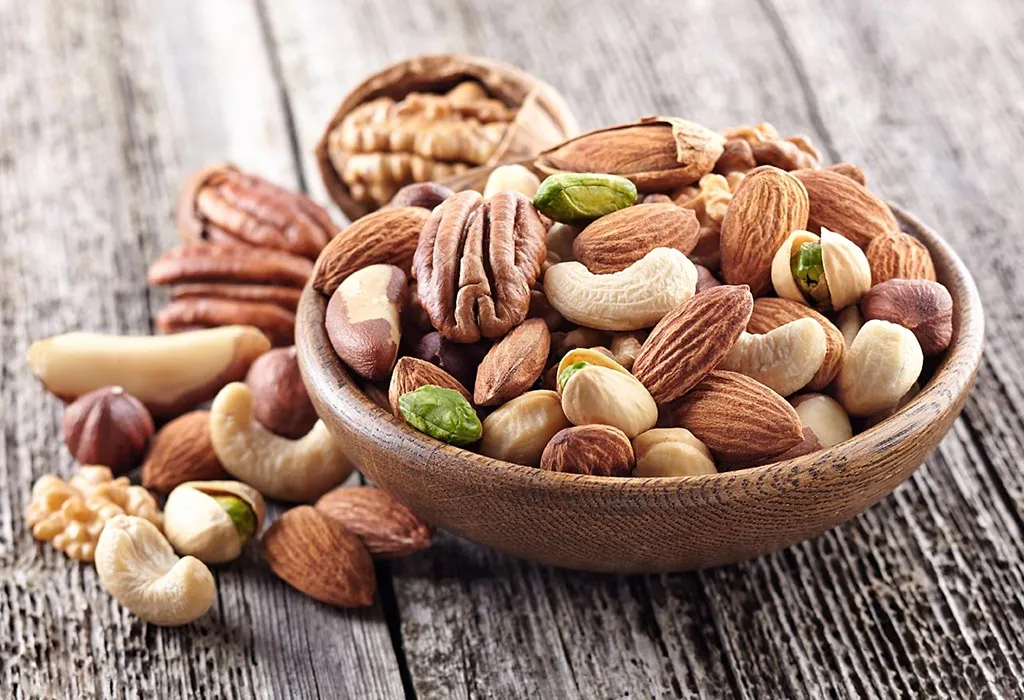
8. Consuming Nuts
Nuts, such as almonds, pistachios, cashews, and peanuts, are considered possible allergens. It means they hold the potential for allergies in a person. In case your baby is intolerant or allergic to nuts, breastfeeding mothers should steer clear of consuming nuts till they finish breastfeeding.
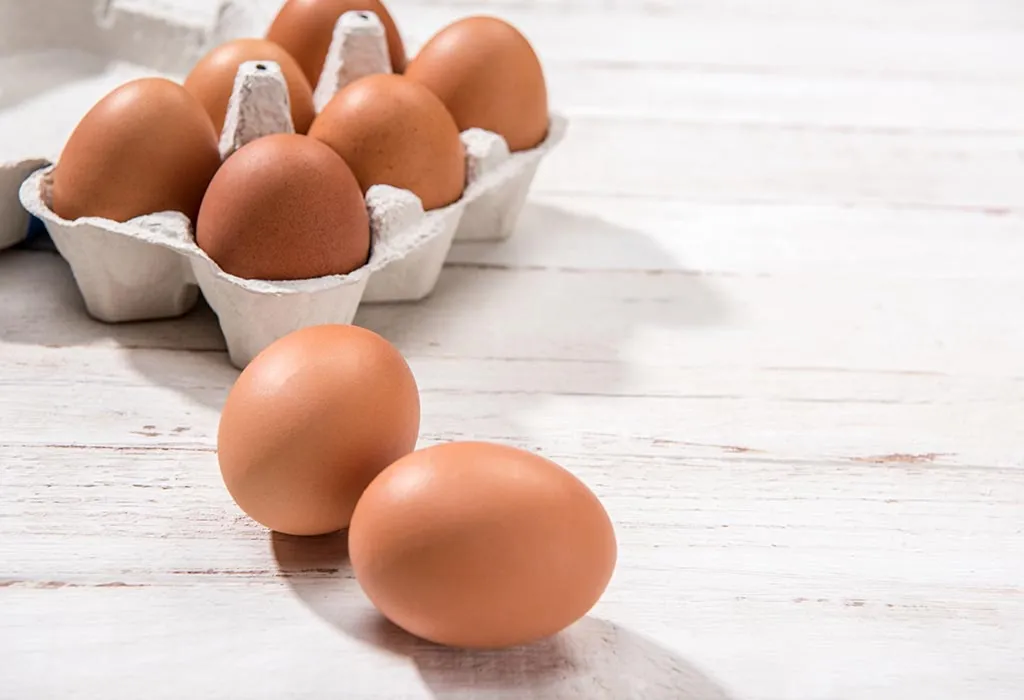
9. Eggs
Eggs are a nutritional powerhouse. However, consuming egg whites may lead to gastric troubles in babies. However, it is not backed by any conclusive evidence. Please consult your doctor before removing this food item from your diet.
10. Eating Certain Vegetables
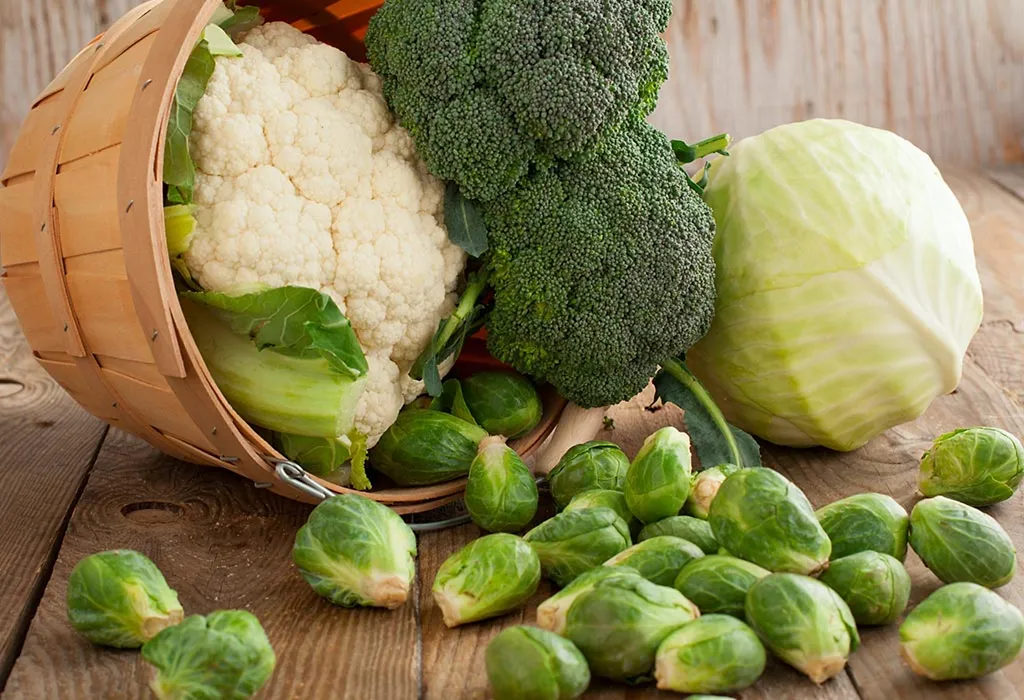
There are certain vegetables that may trigger colic in your baby due to improper digestion and accumulation of gas in the stomach, leading to intense pain. Some of these are cruciferous vegetables, including broccoli, brussels sprouts, cauliflower, and cabbage.
11. Alcohol
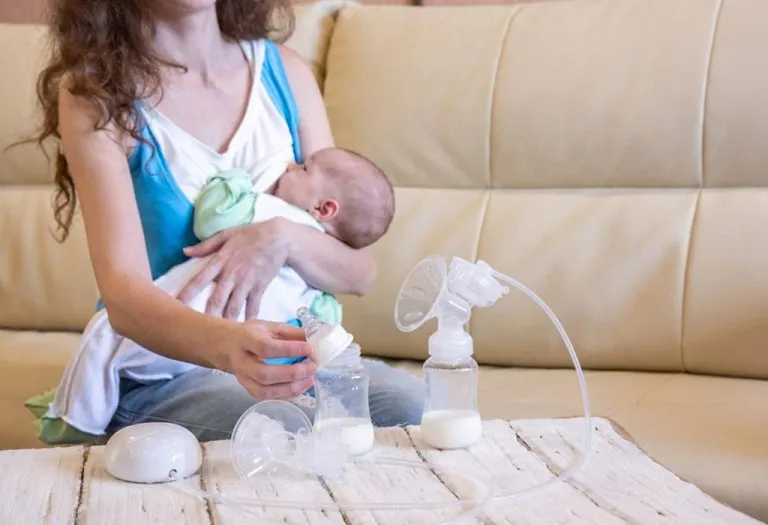
Alcohol can affect your baby’s sleep and mood. If you plan to go outside the home and want to drink alcohol, you can express breast milk before drinking any alcohol so your baby can be bottle-fed, and you can comfortably skip a feed without keeping your baby hungry. Many experts recommend avoidance during breastfeeding (6).
As mentioned before, you can maintain a food log and note items you consume on a daily basis to check which foods are troubling your baby. Do not hesitate to consult your doctor about the situation and find a way out of it.
Tips to Prevent the Onset of Colic in Infants
As a parent, you may find it disheartening to see your little one in pain, and you may want to try everything to soothe or comfort him. Though it is not proven to prevent colic in babies, some tips may help in reducing the potential of colic in babies:
- Give smaller amounts of breast milk to your baby at regular intervals, as it may help your baby digest the milk better (5).
- When breastfeeding or bottle feeding, keep your baby more upright to help reduce swallowed air, which can lessen gas discomfort and the risk of colic-type crying (8).
- Burp your baby gently during and after feeding to release trapped air and help reduce gas buildup, which is a common contributor to fussiness.
- You may ask your doctor to help you decide the best diet for breastfeeding mothers to prevent colic in your baby. Exclude all the triggers from your diet.
- Refrain from including caffeinated beverages or alcohol in your diet. If you have to, limit their intake or ask your doctor about the ideal intake.
Note: There’s no strong evidence that diet alone prevents colic in most infants, but some parents observe that feeding practices and soothing techniques help reduce crying and discomfort. We recommend that you consult your doctor and decide what you want to do to help get rid of colic in your baby.
When to Consult a Doctor
Though most cases of colic are easily manageable, sometimes you may need to consult your baby’s doctor. This may happen when you notice your baby experiencing diarrhoea, vomiting, or other alarming symptoms.
FAQs
1. Is it really colic or just gas?
Since it is really conclusive of what causes colic in babies and the symptoms of colic are mostly similar to gas, the first thing experts rule on is whether the child has gas.
2. Does breastfeeding make colic worse in babies?
Absolutely not. Breastfeeding is an essential practice for babies to receive nutrition, particularly for infants under 6 months old. Thus, breastfeeding mothers are advised not to stop breastfeeding. If you have any confusion, it is best to consult a doctor before self-diagnosis.
For the optimal growth and development of your baby, it is important that your baby is fed properly. Sometimes, as a new mommy, you may experience various challenges while feeding your baby. Keep a simple food diary to observe any patterns between your diet and your baby’s behaviour, and consult a paediatrician before making major diet changes. With proper assistance and medical intervention, you may overcome these challenges.
Also Read:
Cheese while Breastfeeding
Eating Sushi in Breastfeeding
Consuming Eggs during Breastfeeding
Eating Fish During Breastfeeding – Is It Safe?
Fruits to Eat and Avoid During Breastfeeding
Was This Article Helpful?
Parenting is a huge responsibility, for you as a caregiver, but also for us as a parenting content platform. We understand that and take our responsibility of creating credible content seriously. FirstCry Parenting articles are written and published only after extensive research using factually sound references to deliver quality content that is accurate, validated by experts, and completely reliable. To understand how we go about creating content that is credible, read our editorial policy here.
1. NHS – Colic
2. MedlinePlus – Colic and crying – self-care
3. Michigan State University – A breastfeeding mother’s diet for an infant with colic
4. American Family Physician – Infantile Colic
5. American Academy of Pediatrics – Colic Relief Tips for Parents
6. NHS – Food and drinks to avoid when breastfeeding
7. PubMed Central – Infantile colic: Is there a role for dietary interventions?
- Author
- Expert Reviewer
 About the Author







.svg)