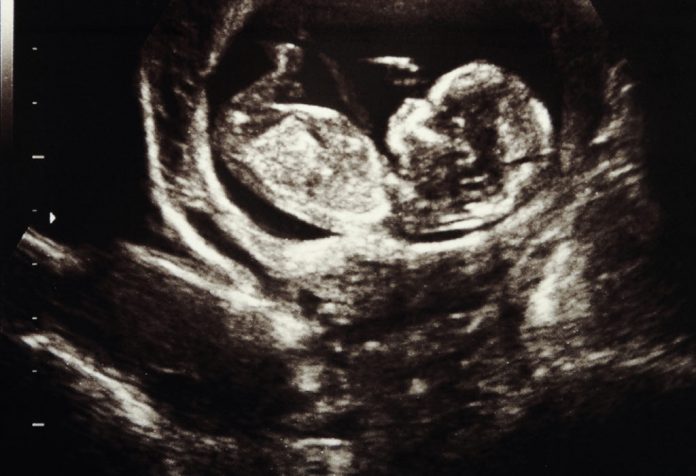

Can You Donate Plasma While Pregnant?





Key Takeaways
- Plasma donation is generally not recommended during pregnancy for the safety of the mother and baby.
- Pregnancy-related HLA antibodies in plasma may pose a risk to transfusion recipients.
- Donating plasma may cause temporary dizziness, dehydration, bruising, or citrate reactions.
- Eligibility to donate again after delivery depends on donation guidelines and individual circumstances.
No, you generally should not donate plasma while pregnant. Plasma donation involves removing part of your blood, and although your body replaces plasma relatively quickly, pregnancy already places additional demands on your blood circulation, fluids, and nutrients. For this reason, pregnant people are typically deferred from plasma donation to avoid unnecessary health risks.
So, when can you safely donate again? This article explains why pregnancy affects plasma donation eligibility, what happens if you try to donate, and when you may be able to return to donating after childbirth.
What Is Plasma Donation?
Plasma is usually known as the forgotten part of blood. Blood comprises three components, namely red blood cells, white blood cells, and platelets. The yellow fluid called plasma carries these blood components in the whole body. So, this way, plasma is the largest part of your body. To be precise, it is 55% of your body. It also transports essential salts, enzymes, nutrients, hormones, and water in the complete body. The cellular waste product is also disposed of by the plasma (1). So now you know how important plasma is to your body!
Plasma donation involves donating that yellow colour liquid. First, the blood is drawn out of the donor. Then the blood is passed through a machine that separates and collects the plasma. The plasma donation process can be time-consuming as the left-out blood cells are returned to the donor. AB group plasmas have huge demand. It is because AB plasmas are universal ones. These can be transfused to any blood type (2).
Who Is Eligible to Donate Plasma?
The following points should hold in your case if you want to donate plasma (3):
- You should be at least 18 years old.
- Must clear a medical examination.
- You should at least be weighing 50 kg or 110 pounds.
- You should clear an extensive medical history examination.
- You should not have undergone a tattoo or piercings in the last 4 months.
- If you have recently recovered from COVID-19, you should donate after 14 days of symptom clearance.
Blood Donation vs. Plasma Donation
The process for blood and plasma donation is the same. However, in plasma donation, blood is usually returned to the donor. Also, the needle used for blood donation is generally smaller in size. Another difference is that a machine is used to separate blood and plasma in plasma donation, while blood donation does not involve any machine (4).
Can You Donate Plasma if Pregnant?
Now the question remains, can pregnant women donate plasma? The answer to the question is no. Plasma donation while pregnant is not recommended due to potential health risks for the donor and baby.
Is Plasma Donation Safe for the Baby During Pregnancy?
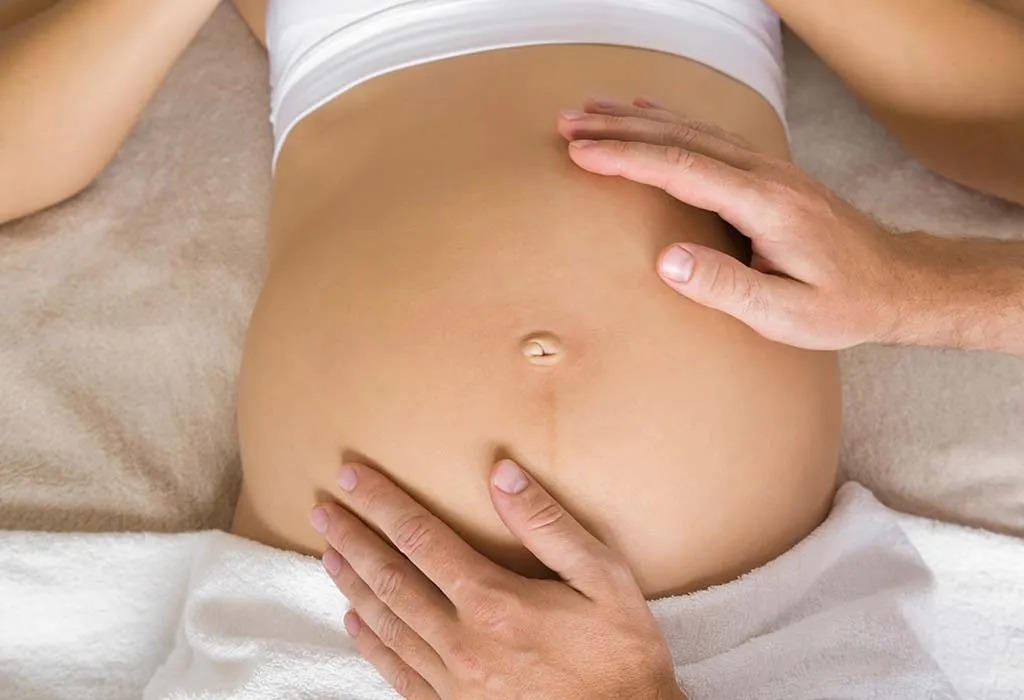
Plasma donation by pregnant ladies has been completely stopped owing to some TRALI cases reported in the past. However, there is not much research on whether or not plasma donation is safe for the baby.
But if we think logically, there are already various physiological changes happening in the body when a woman becomes pregnant. A little human grows inside the body that needs vital nutrients and minerals to grow. If you take out plasma, you take away nutrition too. Also, a pregnant woman needs to have enough blood in her body for both mother and child. It is also a stressful process, and stress is not good for both the mother and the child during pregnancy.
Why Should You Avoid Plasma Donation During Pregnancy?
Each body has a protein called Human Leukocyte Antigens or HLA. These HLAs are unique to a body and are attached to each cell, making your body recognize that these cells belong to you (5). When a baby is conceived, they get half the HLAs from the father and half from the mother. Since the father’s HLAs are foreign to the mother’s body, it develops antibodies against them, which flow in the plasma. So, when this plasma with HLA antibodies is transfused, the receiver’s body may experience a shock. This shock is called a transfusion reaction and may even lead to death. This condition is called transfusion-related acute lung injury or TRALI (6). As per a retrospective case-control study done on the pediatric population, it was concluded that maternal blood should be avoided, especially in the pediatric population (7).
Risks of Donating Plasma While Pregnant
Wondering what happens if you donate plasma while pregnant? Possible side effects include (8):
1. Dizziness
Plasma is the carrier of vital nutrients, minerals, and salts. These help the baby grow. Some of the nutrients are donated if you donate plasma in pregnancy. It may cause a void of nutrients for you and the child. It will further cause electrolyte imbalance and lead to dizziness and fainting, followed by fatigue.
2. Dehydration
Plasma is 90% water. So, the mother will most likely feel dehydrated post-donation. The child will get dehydrated, too, which can lead to developmental issues.
3. Citrate Reaction
Plasma is separated from the blood through a machine. Inside the machine, an anticoagulant is used to prevent the blood from clotting at the time of donation. Often, the machine retains this substance. When the plasma is separated and blood is pushed back into your body, there is a possibility that the anticoagulant substance gets into the bloodstream. This can cause temporary calcium loss and be risky for the expecting woman.
4. Bruising
Certain expecting mothers may have blood disorders. A needle can puncture the vein and cause excessive blood loss in such women. This can also lead to bruises as the blood gets into soft tissues. Blood loss can be dangerous for pregnant women.
5. Miscarriage
There are chances of miscarriage when you donate plasma during pregnancy. The amniotic fluid (which protects the baby) is made of plasma. If the plasma is taken out of amniotic fluid, it can pose a risk to the pregnancy.
When Can I Resume Donating Plasma After Pregnancy?
The question is still under research; however, as per American Red Cross it is recommended to wait for at least 6 weeks after delivery to donate plasma. WHO recommends delaying the blood donation for the same number of months as the duration of pregnancy. As a precautionary measure, the plasma donation agency will do the necessary test on your plasma before transfusion. Until your tests continue detecting HLA antibodies, you cannot donate plasma.
It is also important to understand that you and your child still require the essential vitamins and minerals that plasma carries to support each other. Donating plasma won’t be a good idea post-delivery.
Also, some doctors suggest not to donate plasma when you are breastfeeding. Plasma donation affects milk production. Breast milk production is related to hydration, and plasma donation takes away water from your body. It would be best not to donate plasma as long as you feed your baby.
What Are Safe Alternatives to Plasma Donation During Pregnancy?
If you have been a regular donor, it might feel sad not to donate. But there are always other ways to help people in need. The alternatives can be:
- You can choose to donate your time. Try to volunteer at a plasma or blood donation centre.
- Encourage, educate, and motivate eligible people around you for plasma donation.
- If you are financially sound, you can donate funds that can help the needy.
- You can also host a blood or plasma donation camp.
FAQs
1. Is it safe to donate plasma before pregnancy?
As per a 2019 study, donating blood more than once before pregnancy is safe and does not induce harmful maternal or fetal outcomes. Apparently, if you are trying to conceive and have missed your latest period, then donating plasma should be delayed until your pregnancy is confirmed.
2. Will donating plasma cause a miscarriage?
Donating plasma during pregnancy is not known to directly cause a miscarriage, but plasma donation is generally avoided during pregnancy because it can temporarily lower fluid levels and cause dizziness, dehydration, or low blood pressure.
Pregnancy causes many changes in the physiological aspects of your body. When you conceive, you take responsibility for delivering a healthy baby. And you can ensure the health of the child only if you refrain from plasma donation. Also, you should eat well, maintain good health, and remain stress-free. Not only you and your child, but your donated plasma can also cause major health risks to the receiver as well. So, for everyone’s good, it is advised that you take your doctor’s advice before getting involved in any donation while pregnant.
Also Read:
High & Low Haemoglobin Levels in Pregnancy
CBC (Complete Blood Count) Test during Pregnancy
Pregnancy-Associated Plasma Protein-A (PAPP-A) Level
Was This Article Helpful?
Parenting is a huge responsibility, for you as a caregiver, but also for us as a parenting content platform. We understand that and take our responsibility of creating credible content seriously. FirstCry Parenting articles are written and published only after extensive research using factually sound references to deliver quality content that is accurate, validated by experts, and completely reliable. To understand how we go about creating content that is credible, read our editorial policy here.
- Author


Related Articles
-

Quickening in Pregnancy – Feeling Baby's First Movements
-

Kidney Stones in Pregnancy: Causes, Symptoms & Treatment
-

Headaches During Pregnancy - Symptoms, Causes, & Treatment
-

Playing Sports during Pregnancy: Is It Safe?
-
Fundal Height in Pregnancy: Measurement & Importance
-

Loratadine in Pregnancy - Is It Safe to Take?